Trump order could see USPS refuse mail-in ballots if states don't share voter rolls
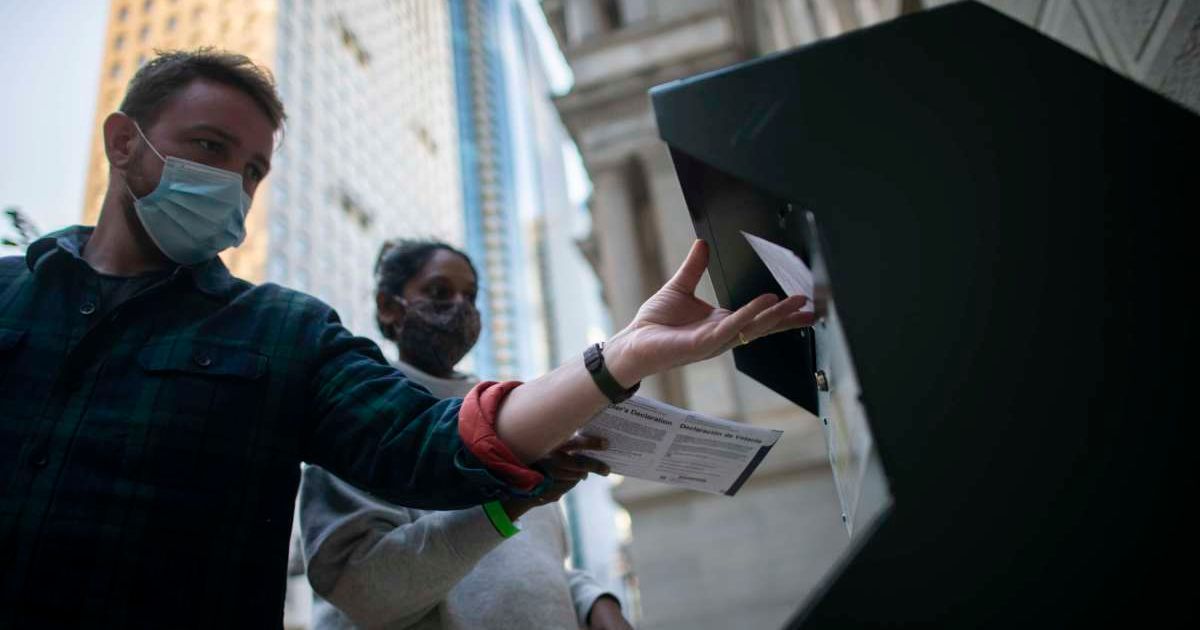
WASHINGTON, DC: A brewing legal and political battle over election administration could soon place state officials in an unprecedented position.
Under a proposed Postal Service framework tied to President Donald Trump's election-security executive order, states that rely on mail voting may be required to provide voter-roll information to federal authorities in order to continue using USPS for ballot distribution.
The proposal has already triggered lawsuits, setting up a major clash over federal authority, election oversight and the future of mail voting ahead of the midterm elections.
🚨 MASSIVE DEVELOPMENT: Pursuant to President Trump's election integrity executive order, the US Postal Service could REFUSE to deliver mail-in ballots for states who block handing over the voter rolls
— Eric Daugherty (@EricLDaugh) June 10, 2026
The rolls are needed to ensure only valid citizens vote
YES, STOP THE… pic.twitter.com/vvIsfxH7ZJ
New requirements could reshape mail voting
The controversy stems from an executive order signed by Trump earlier this year aimed at strengthening election security and increasing verification measures surrounding voter registration and mail-in ballots.
As part of efforts to implement that order, the Postal Service has outlined proposed conditions for handling election mail.
Among the most significant requirements is a provision that would require states to share voter information related to individuals receiving mail ballots.
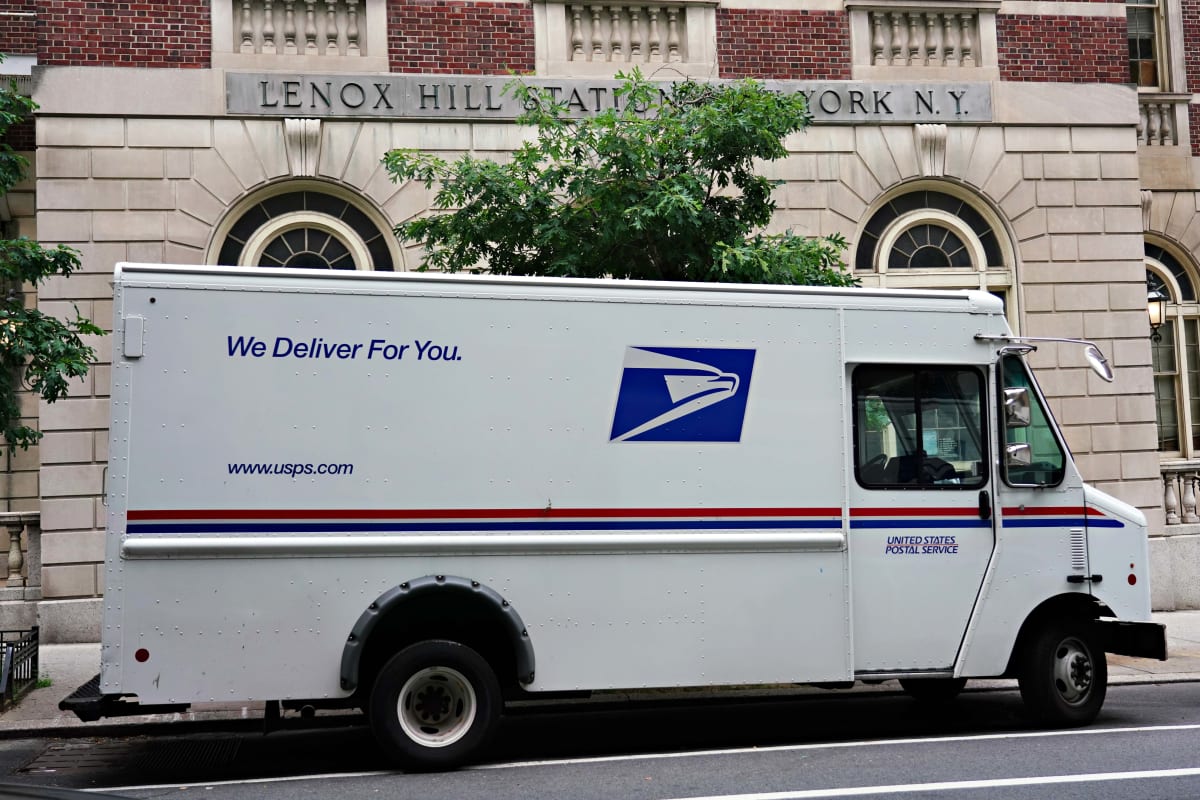
If ultimately enforced, the policy could create a new relationship between federal agencies and state election offices, one that election officials say has never existed on this scale before.
The proposal has drawn immediate attention because mail voting remains a major part of the election process in many states.
Any disruption to ballot delivery could have significant consequences for upcoming federal and state races.

Legal fight already underway
The plan is facing strong resistance in court.
More than twenty Democratic-led states, along with the District of Columbia, Democratic organizations and voting-rights groups, have launched legal challenges seeking to block implementation of the executive order and related policies.
Opponents argue that election administration has traditionally been handled by states and that the federal government is attempting to expand its role far beyond established practice.
Supporters of the order, however, argue that greater access to voter data would help improve election integrity and strengthen efforts to identify potential irregularities.

The dispute is expected to intensify over the coming months as courts weigh whether the administration has the authority to impose such requirements before the next national election cycle.
The Trump administration has defended the initiative as a lawful effort to protect elections.
White House officials have repeatedly stated that the administration intends to continue implementing the president's election-security agenda and remains confident the order will survive legal scrutiny.
Federal agencies are also exploring ways to compile and share citizenship-related information that states could use when reviewing voter eligibility records.

Administration officials say these efforts are designed to ensure that only eligible citizens participate in federal elections.
For now, the central question remains unresolved: will states be required to share voter information with federal authorities in order to keep mail ballots moving through the Postal Service, or will courts step in before the policy can take effect?