Trump's Gaza peace roadmap runs into an immediate problem on the Israeli side
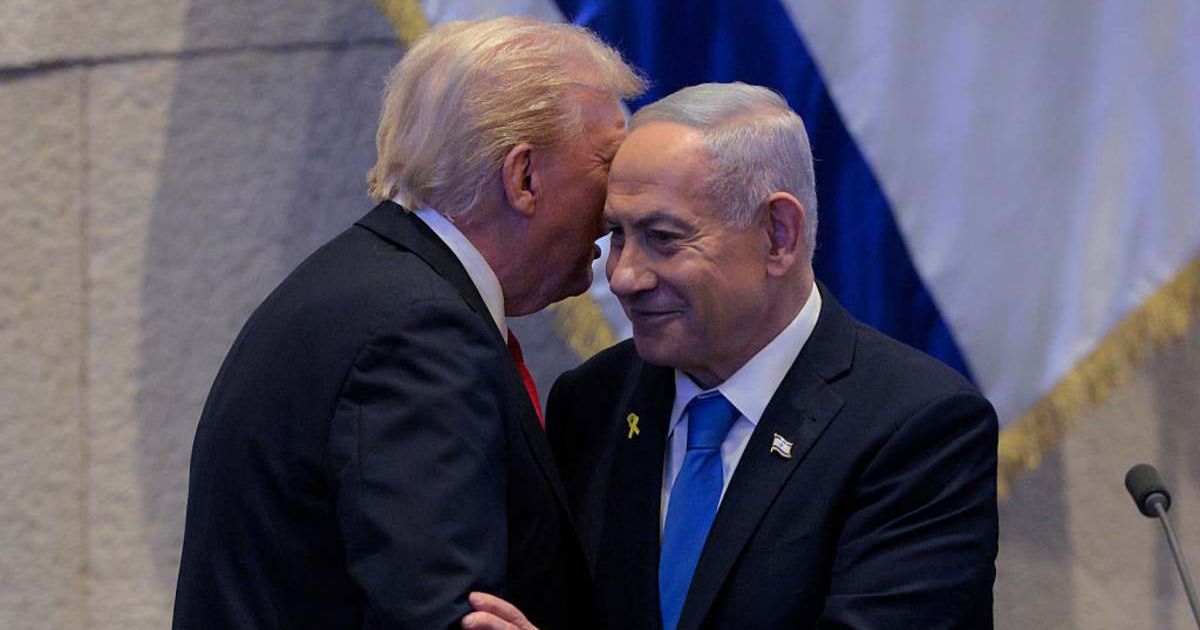
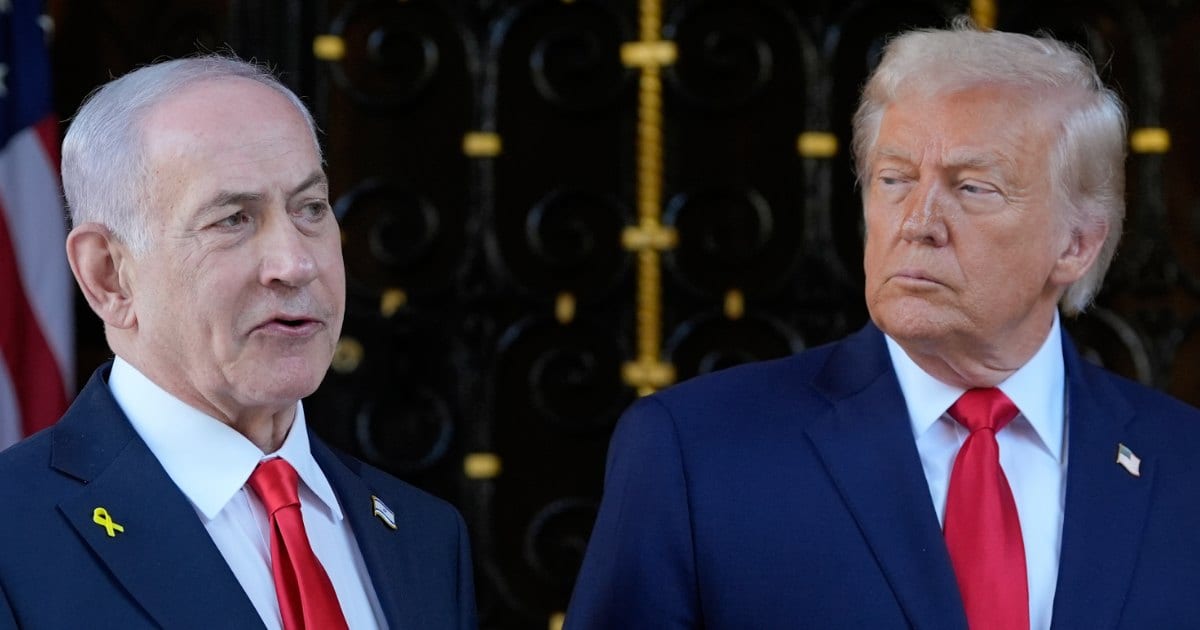
WASHINGTON, DC: President Donald Trump's newly published roadmap for implementing his Gaza peace plan is already colliding with resistance from the Israeli side over two of its most consequential provisions.
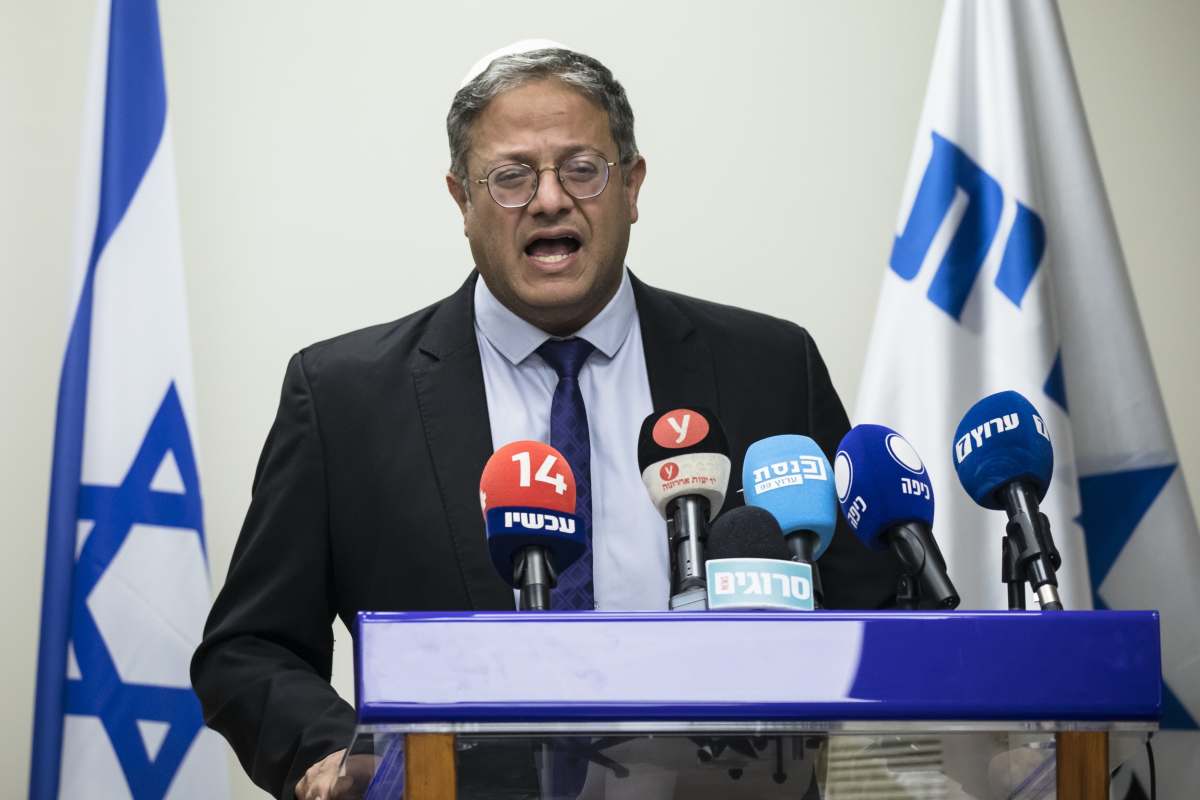
Israeli National Security Minister Itamar Ben-Gvir publicly branded the draft "not acceptable," insisting targeted killings of members of radical groups must continue.
טיוטת ההסכם שפרסמה "מועצת השלום" אינה מקובלת על ישראל.
— איתמר בן גביר (@itamarbengvir) July 31, 2026
אחרי טבח 7.10, דמו של כל איש חמאס בראשו - ולכן התחייבות להפסיק את החיסולים של מרצחי ארגון הטרור כמוה כהסכמה לחמאס להתארגן לקראת הטבח הבא.
החיסולים בעזה חייבים להימשך, עידוד ההגירה חייב לקרות, ישראל חייבת לנצח.
Separately, an Israeli political source told AFP that there would be "no withdrawal whatsoever" of the Israel Defense Forces from the current Yellow Line until Hamas undergoes what Israel considers "genuine disarmament."
The objections expose an immediate challenge for a framework built around both Hamas relinquishing its weapons and governing functions and Israeli forces ultimately withdrawing from Gaza.
Ben-Gvir rejects key peace condition
Ben-Gvir became the first Israeli official to publicly comment on the emerging agreement, and his response was unequivocal.

The far-right minister argued that Israel should not commit to ending operations targeting Hamas members, saying doing so could allow the group to rebuild following the October 7, 2023, attack.
"The targeted killings in Gaza must continue," Ben-Gvir wrote, while also calling for "encouraging emigration" from the territory and declaring that "Israel must win."
His intervention does not itself amount to a formal rejection of the roadmap by Prime Minister Benjamin Netanyahu's government. Ben-Gvir has repeatedly clashed with Netanyahu over Gaza policy and other ceasefire arrangements.
But it demonstrates the domestic political resistance Netanyahu could face if implementation requires Israel to significantly restrict future military operations against Hamas.
Israel draws line on withdrawal
A potentially more consequential dispute is emerging over when Israeli troops actually leave.
An Israeli political source told AFP on Friday that Israel's position remains that the IDF will not withdraw from its current Yellow Line unless Hamas first undergoes "genuine disarmament."
That creates a sequencing problem.
Hamas official Ghazi Hamad said the group would not implement the agreement unless Israel fulfills its own obligations, including ending attacks and withdrawing forces.
🟢 🇵🇸 THREAD: Speaking from Cairo, Hamas negotiating delegation member Ghazi Hamad defended the movement’s preliminary approval of a draft governing weapons in Gaza, describing it as part of a broader framework to prevent renewed war, genocide, displacement and partition, and… pic.twitter.com/Oa4NYMm0wH
— Drop Site (@DropSiteNews) July 31, 2026
Reuters reported Hamas views Israeli withdrawal as a condition for its disarmament to proceed.
Israel, meanwhile, is effectively demanding the reverse: disarmament before withdrawal.
That disagreement goes directly to how the roadmap's phased implementation would work.
Trump's roadmap faces first test
The emerging standoff matters because Trump's framework relies on reciprocal, verified steps rather than a single handover.
The plan envisions Hamas and other factions relinquishing weapons and transferring civilian and security responsibilities to the National Committee for the Administration of Gaza, while Israeli forces withdraw as demilitarization progresses.
A Roadmap for Completing the Implementation of President Trump’s Comprehensive Peace Plan in Gaza
— Board of Peace (@BoardOfPeace) July 31, 2026
Principles:
1. All parties reaffirm their commitment to President Trump’s Comprehensive Plan to achieve peace in Gaza, which constitutes, together with the UN Security Council…
Each side, however, now appears reluctant to make the decisive move first.
Trump has called the agreement a major milestone toward ending the Gaza conflict, but the Israeli objections reveal the difference between agreeing on an eventual outcome and agreeing on how to reach it.
The roadmap's first major test may therefore be its most fundamental: whether Washington can persuade Israel and Hamas to agree on who moves first.