Netanyahu discreetly lays out plan to Trump for an Israel that no longer needs US military aid
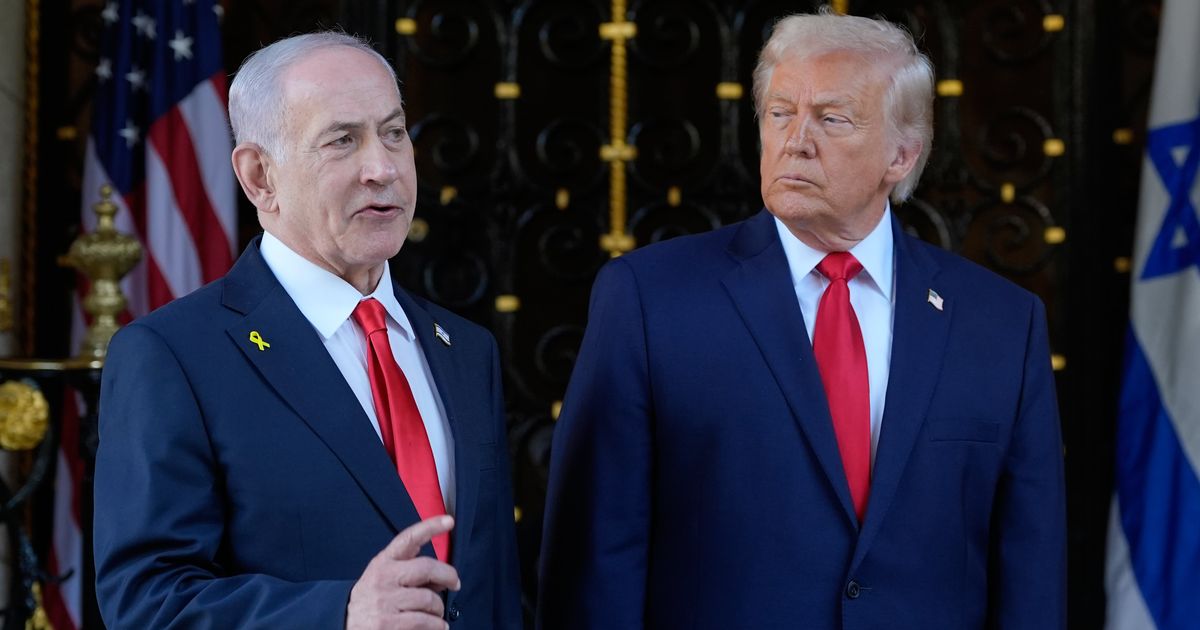
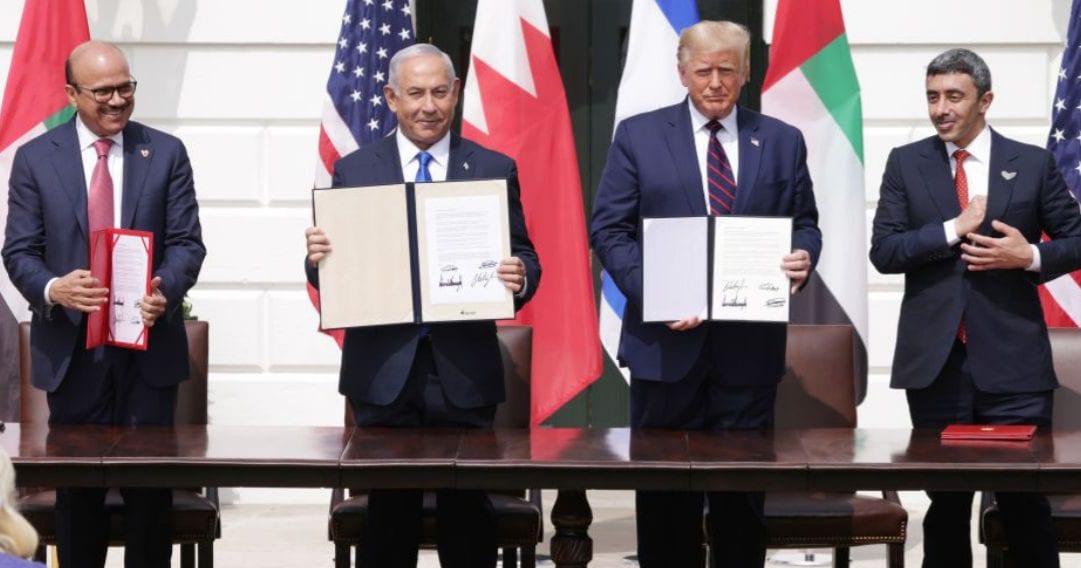
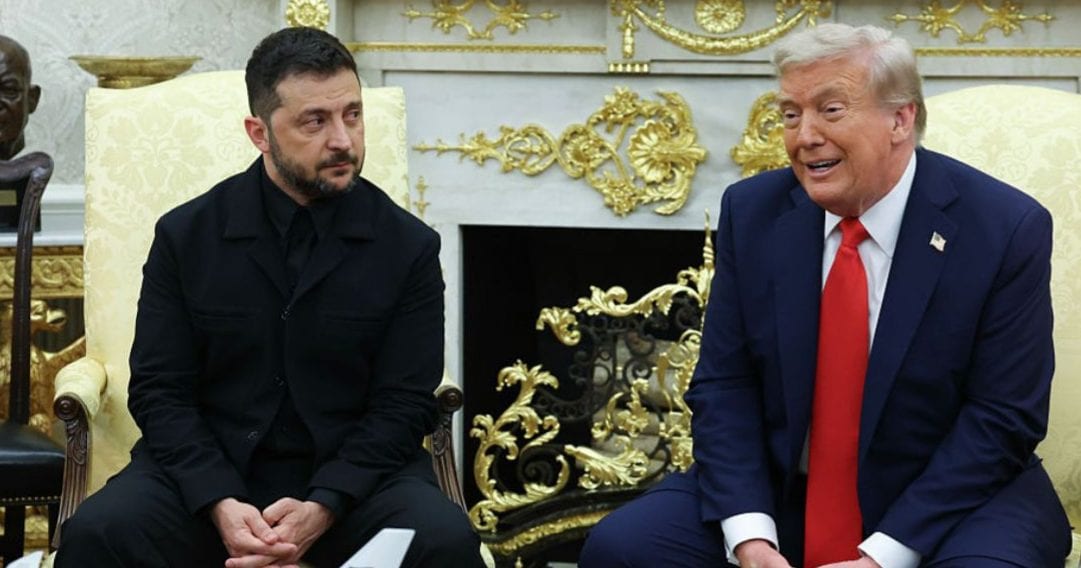
WASHINGTON, DC: Israeli Prime Minister Benjamin Netanyahu used a pivotal White House meeting with President Donald Trump to outline a potentially historic change in the countries' defense relationship: an Israel capable of operating without direct American military aid.
Netanyahu told Trump, Vice President JD Vance and special envoy Steve Witkoff that he is serious about reducing that assistance to zero within a decade, a senior Israeli official told Axios. The proposal emerged from a 90-minute meeting dominated publicly by the Iran conflict, but its implications could stretch well beyond the current war.
Netanyahu wants aid phased out
Netanyahu wants Washington and Jerusalem to begin negotiating a new memorandum of understanding that would chart a path toward what he describes as Israeli "defense independence."
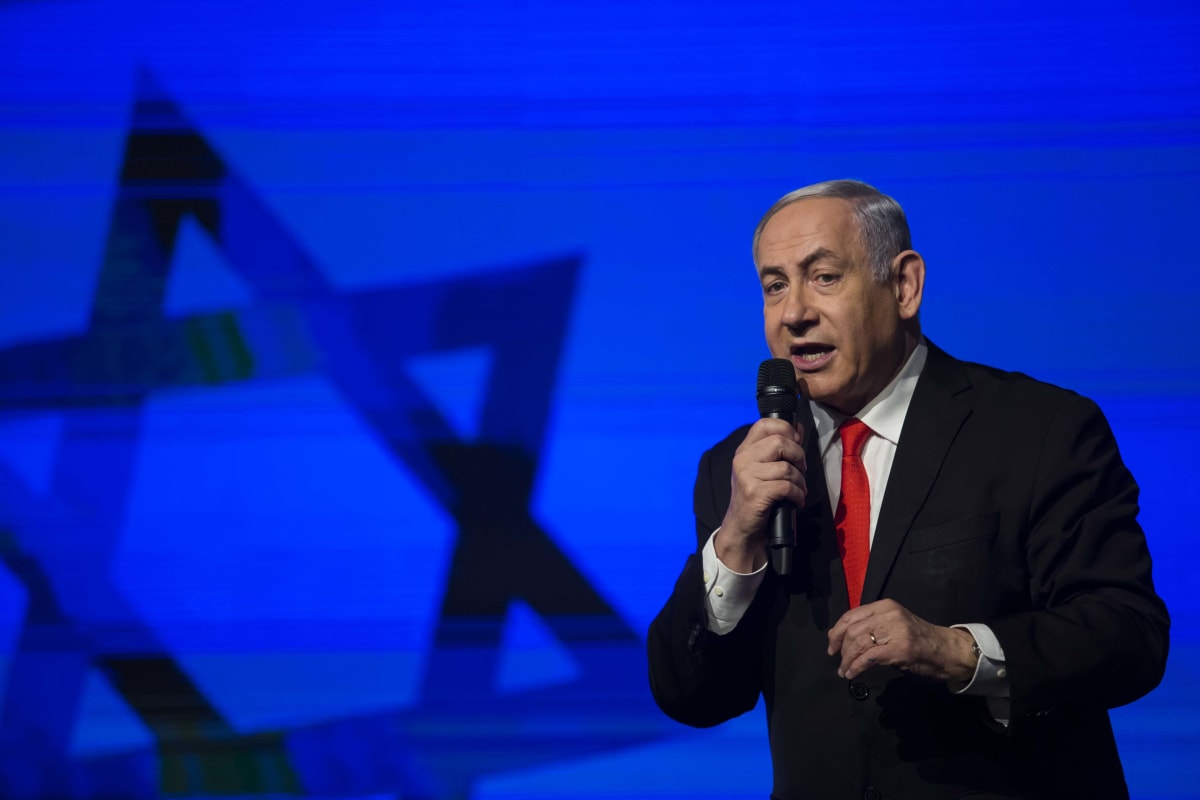
According to the Israeli official, the prime minister envisions roughly a 10-year transition but is open to completing it faster. Netanyahu reportedly believes Israel's economy is now strong enough to gradually move away from the direct military assistance it has relied upon for decades.
That would represent a major shift in one of Washington's most durable defense relationships. The proposal is especially striking because the political environment surrounding American support for Israel has become increasingly contentious.
Earlier this month, 103 House Democrats voted to cut $3 billion in aid to Israel, while skepticism has also emerged among parts of the Republican base.
Netanyahu reportedly told Trump's team he does not want Israel's long-term security to depend on the "goodwill of the US Congress."
Israel eyes its own fighter aircraft
The plan extends far beyond replacing American money with Israeli spending.
Netanyahu has instructed Israel's defense sector to examine developing a modern fighter aircraft within the next decade, according to the Israeli official cited by Axios. Such an aircraft could help preserve Israel's air superiority if Washington eventually stopped supplying sophisticated American platforms such as the F-35.
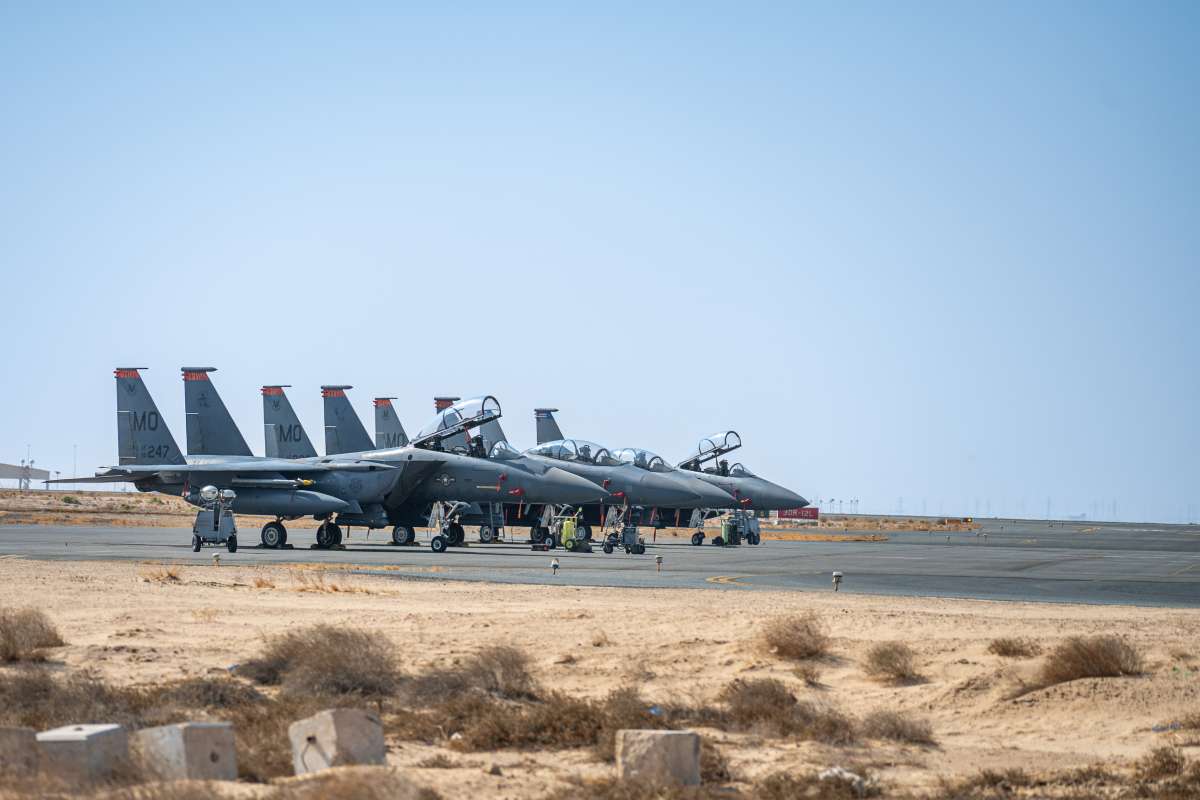
The question has taken on added importance as Trump considers allowing Turkey back into the F-35 program. Israel has opposed such a move over concerns it could erode its qualitative military edge in the region.
The proposal does not mean US-Israel defense cooperation would disappear. Netanyahu reportedly floated a future arrangement containing $16 billion in direct aid alongside billions for missile-defense development and a separate joint weapons research fund.
Instead, the ambition appears to be changing the relationship from one centered heavily on aid toward one increasingly built around joint development and strategic cooperation.
Washington politics drive new thinking
The proposal also comes during an unusually complicated period between Netanyahu and Washington.
Vance publicly warned Israeli officials last month against attacking Trump's Iran policy, while emphasizing just how heavily Israel's defense currently depends on American weapons and taxpayer support.
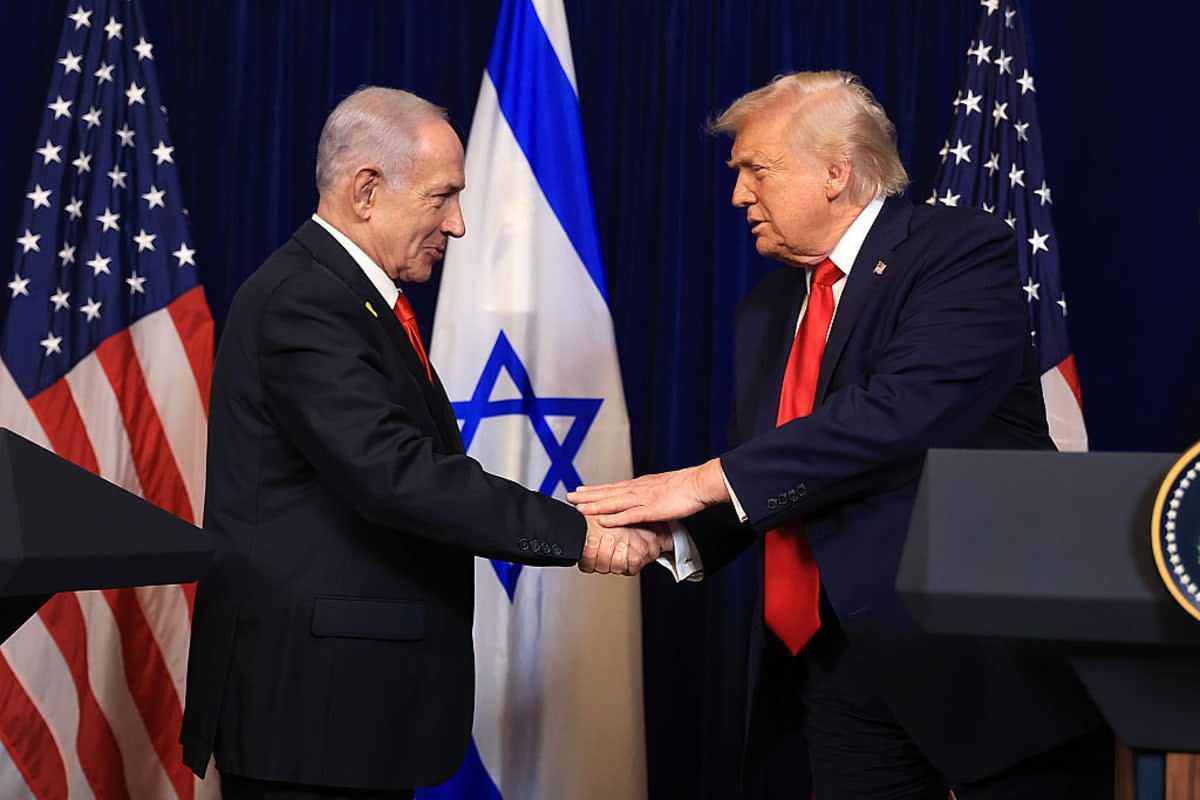
Those tensions formed the backdrop to Tuesday's meeting, where Iran remained the dominant immediate issue. Netanyahu reportedly expressed skepticism that Trump could secure a deal with Tehran as the president weighs diplomacy, continued economic pressure or renewed military strikes.
But beneath those urgent wartime discussions was a much longer-term calculation.
If Netanyahu's proposal becomes policy, the next decade could see Israel attempt something far more consequential than securing another American aid package: preparing for the day when it believes it no longer needs one.