Trump deploys world’s largest aircraft carrier and stealth jets toward Iran in major military buildup
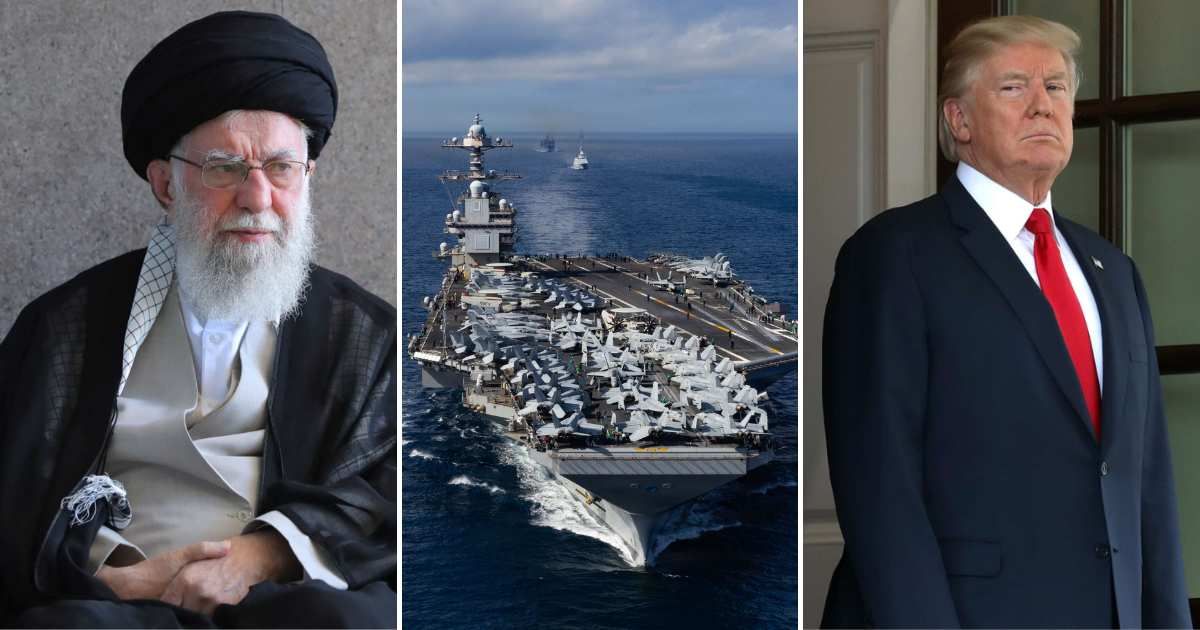
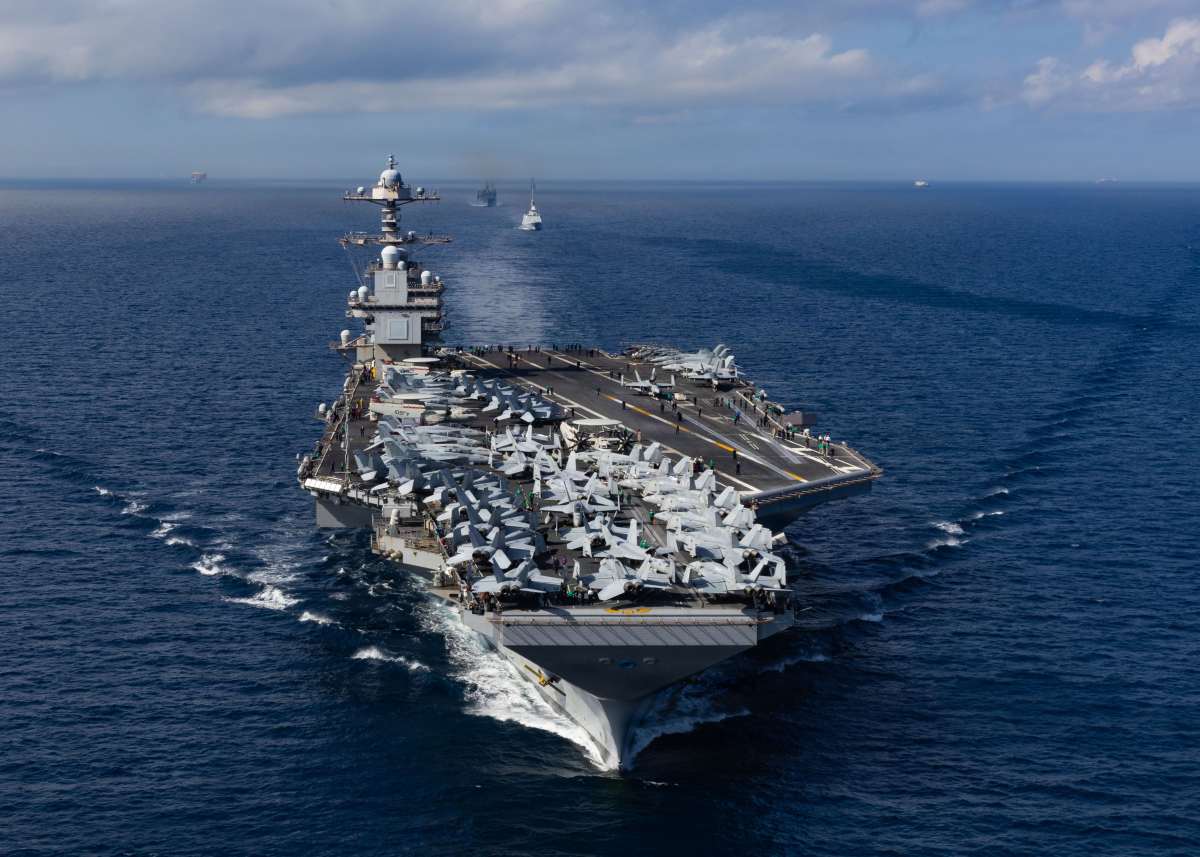
WASHINGTON, DC: Donald Trump has ordered the deployment of the USS Gerald R Ford, the world’s largest and most advanced aircraft carrier, to the Middle East, significantly escalating US military pressure on Iran. The nuclear-powered carrier departed on Tuesday and is making its way through the Atlantic toward the Strait of Gibraltar.
This deployment represents the most substantial military buildup of Trump's presidency, as negotiations over Iran’s nuclear program remain stalled.
The USS Gerald R Ford will join the USS Abraham Lincoln carrier strike group in the region, creating a dual-carrier presence. Accompanying the Ford are three guided-missile destroyers: the USS Bainbridge, USS Mahan, and USS Winston Churchill. This addition enhances an existing US naval presence that includes four destroyers in the Arabian Sea and three in the Strait of Hormuz.
Advanced strike group enters Mediterranean
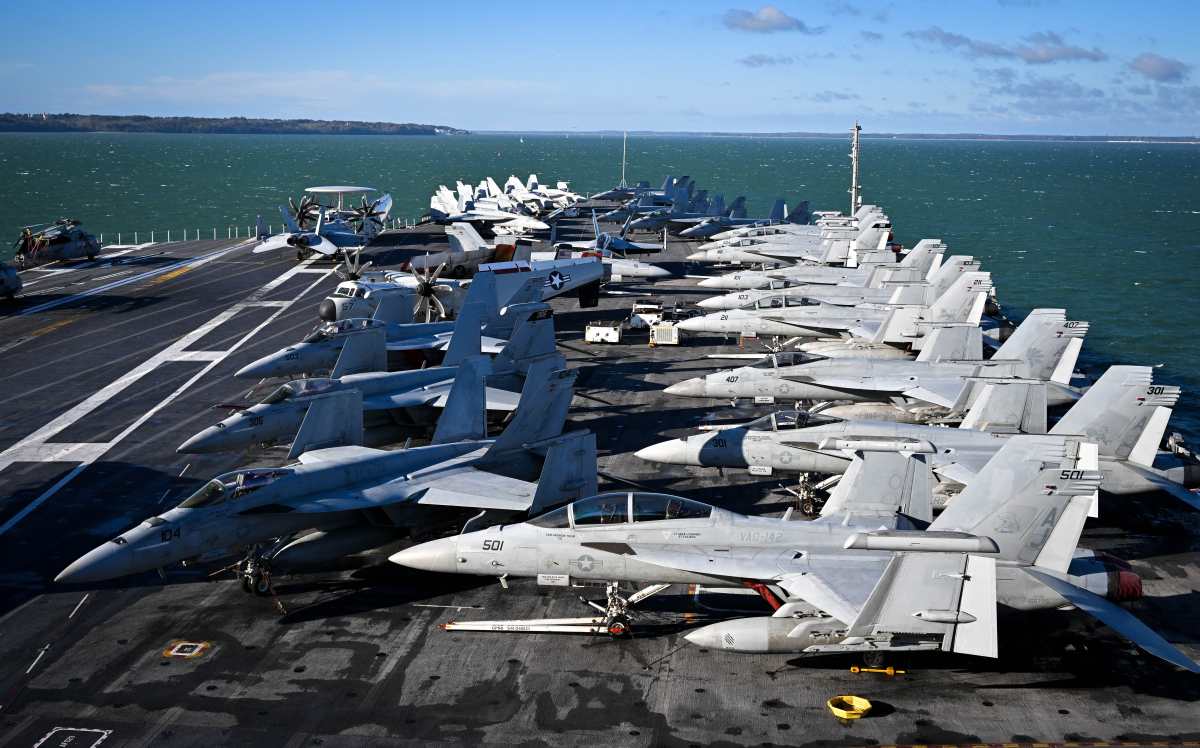
The deployment of the Ford has moved it from its previous assignment in the Caribbean Sea, where it had been operating since mid-November. As the largest aircraft carrier ever built, the Ford can carry more than 75 aircraft, including F-35C Lightning II stealth fighters, F/A-18F Super Hornets, and EA-18G Growler electronic warfare jets.
The carrier features advanced launch systems, increased deck capacity, and integrated combat technology designed to enhance its operational reach. By relocating to the Mediterranean, the strike group positions itself within rapid response range of potential flashpoints in the Middle East, reinforcing Washington’s message that military options remain available alongside diplomatic efforts.
Stealth fighters move into theater
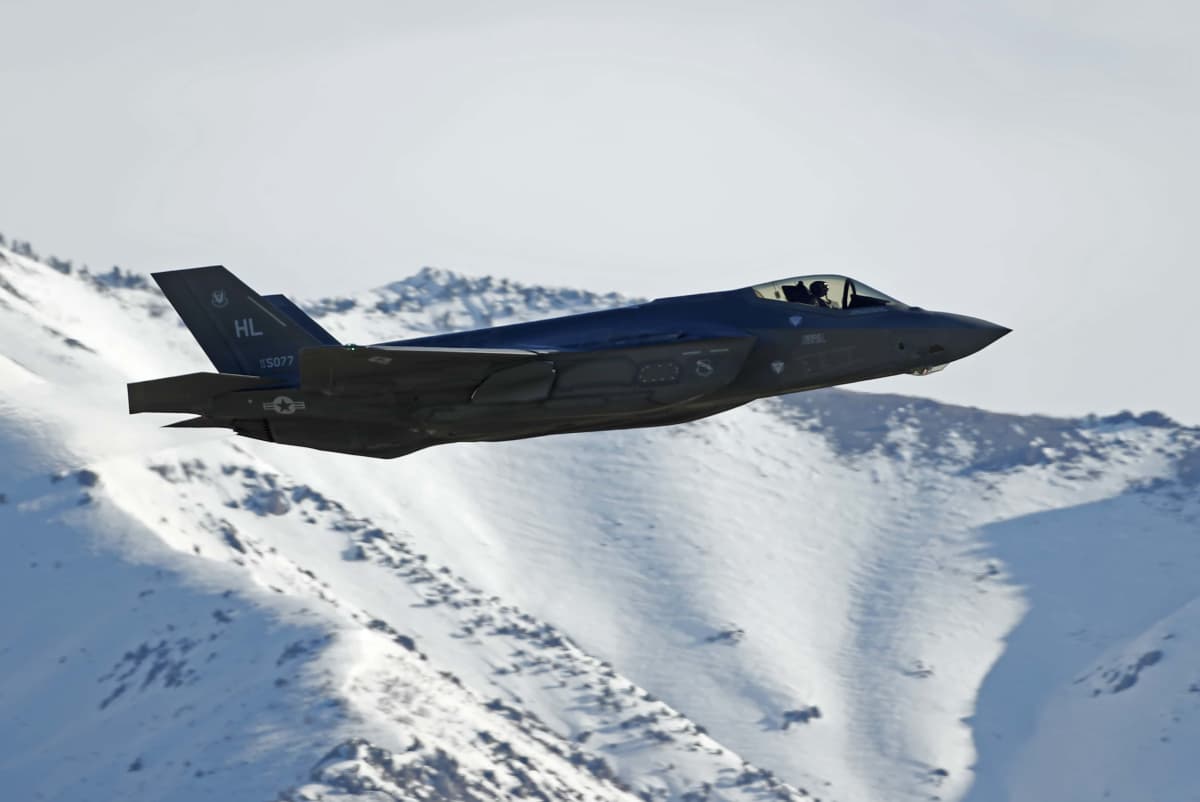
The naval buildup is accompanied by an increase in US air power. More than 50 additional fighter jets were deployed to the Middle East on Tuesday, based on flight tracking data and reports. The aircraft include F-16 Falcons, F-22 Raptors, and F-35 strike fighters.
The F-22 and F-35 are equipped with stealth capabilities designed to evade advanced air defense systems. These planes will join US warplanes that are already stationed in Jordan, the United Arab Emirates, and Saudi Arabia.
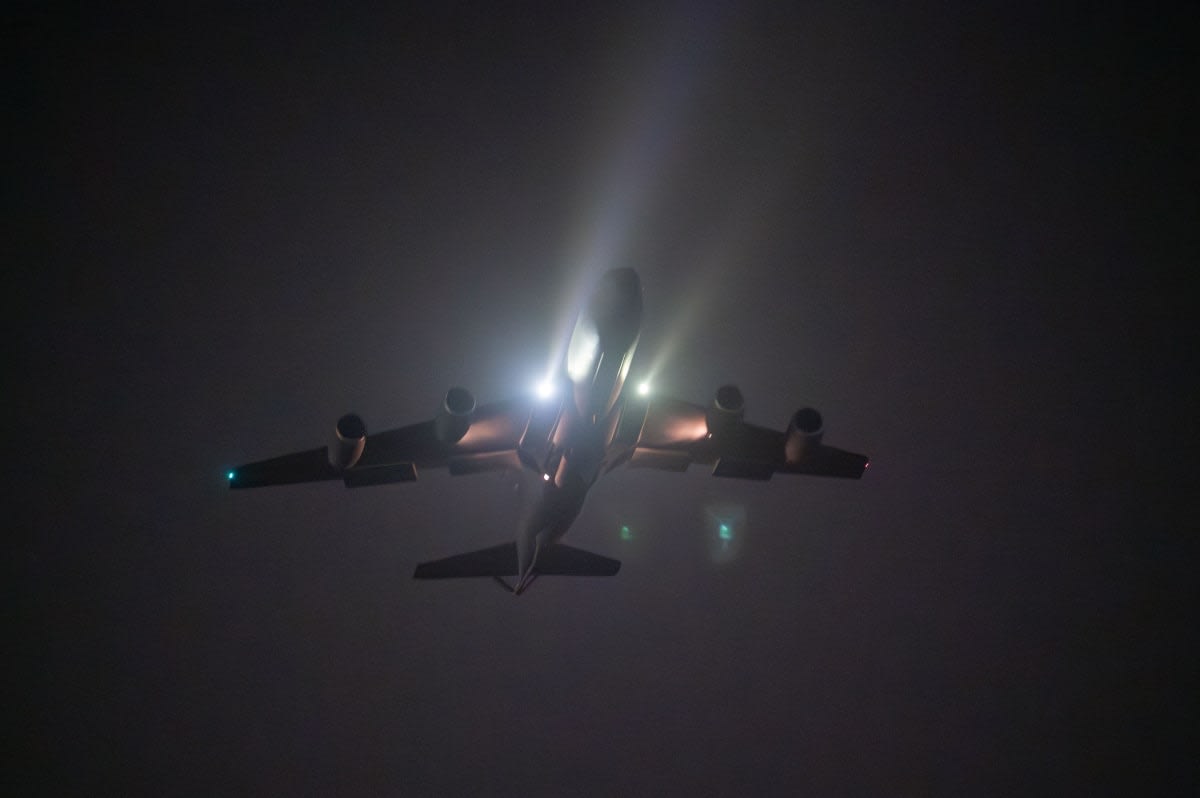
The enhanced air presence is supported by aerial refueling tankers, which sustain long-range missions and maintain continuous coverage over key areas.
Deterrence amid rising regional tensions
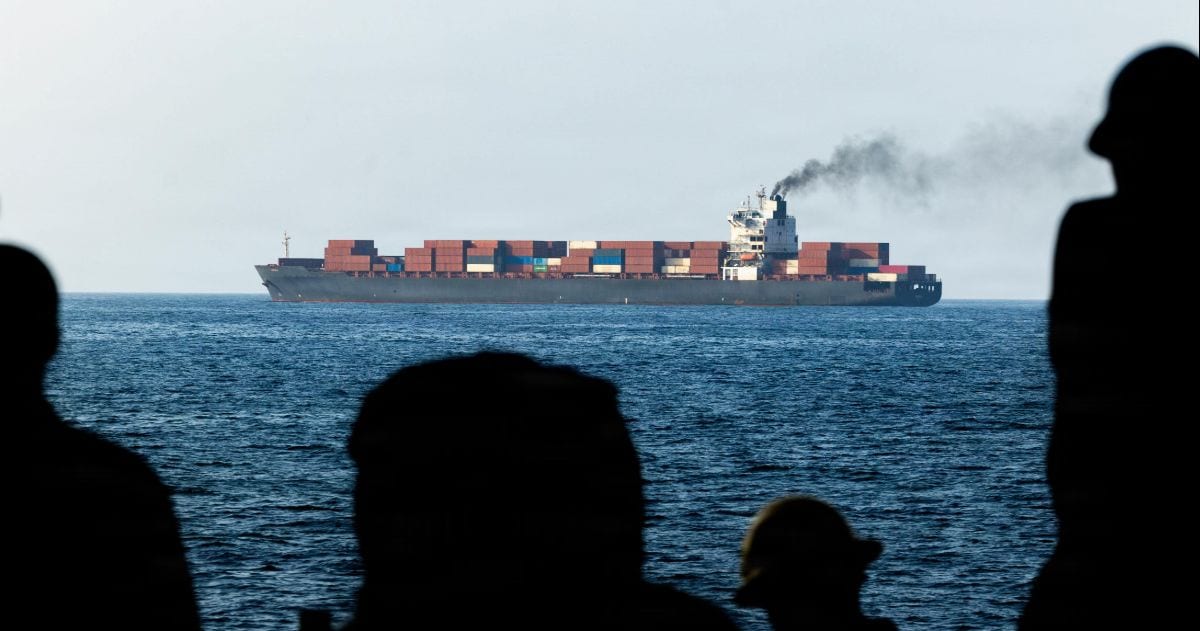
The military surge comes as the United States monitors Iranian activity in the Persian Gulf and Red Sea. US vessels, including USS Delbert Black, continue patrol operations in the region. Tensions escalated earlier this week after Iran closed the Strait of Hormuz for live missile drills and warned of retaliatory action if the US initiates military strikes.
The dual-carrier deployment, supported by destroyers, stealth aircraft and refueling assets, signals a posture of deterrence. The administration has not ruled out the use of force if negotiations over Iran’s nuclear development collapse. Officials say the objective is to maintain pressure while preserving flexibility for diplomatic engagement.
High stakes for nuclear negotiations
The deployment unfolds as talks over Iran’s nuclear program remain unresolved. Trump has repeatedly stated that all options remain on the table. The visible expansion of US naval and air power underscores the administration’s strategy of coupling negotiations with a strengthened military posture.
As the USS Gerald R Ford approaches the Mediterranean, global attention is focused on whether this display of military strength will compel Tehran to seek a negotiated resolution or further escalate tensions. Currently, the US military presence in the Middle East is at one of its most significant levels in recent years, with two carrier strike groups positioned to respond to developments in the region.
Iran fortifies nuclear sites with concrete bunkers as diplomatic window narrows
As the United States increases its military presence in the region, new intelligence indicates that Iran is quickly strengthening its most sensitive nuclear facilities to endure possible aerial attacks.
Satellite imagery analyzed by the Institute for Science and International Security (ISIS) reveals that Tehran is utilizing a combination of thick concrete and large amounts of soil to bury crucial sites, effectively transforming them into unrecognizable bunkers.
At the Parchin military complex, located southeast of Tehran, images from February 13 confirm that a concrete encasement has been completed around the Taleghan 2 facility, which is now being covered with additional layers of earth.
Stalling the negotiations has its benefits:
— David Albright (@DAVIDHALBRIGHT1) February 17, 2026
Over the last two to three weeks, Iran has been busy burying the new Taleghan 2 facility at the Parchin military complex with soil. Once the concrete sarcophagus around the facility was hardened, Iran did not hesitate to move soil over… pic.twitter.com/AowjWFFd92
ISIS President David Albright warned that ongoing structural reinforcements could soon provide "significant protection" against airstrikes, making these sites increasingly difficult to neutralize from the air.
Defensive measures are being reinforced near the Natanz nuclear facility. Satellite images taken on February 10 indicate that efforts are underway to strengthen two tunnel entrances that have been drilled into a nearby mountain.
This facility, along with the Esfahan uranium-enrichment plant, was targeted by US and Israeli airstrikes in June of last year. This suggests that Iran is prioritizing the repair and concealment of facilities that are already known to Western intelligence.
While Iran attempts to shield these entrances from detection, it remains unclear how effective the earthen and concrete barriers would be against the most powerful munitions in the US arsenal.
These military preparations coincide with a critical diplomatic effort. A US official confirmed that following talks in Geneva on Tuesday, Washington expects to receive formal proposals from Iran within the next two weeks to address current gaps in the nuclear negotiations.