Newsom and AOC challenge Trump leadership at Munich, warn norms are 'ripped up'
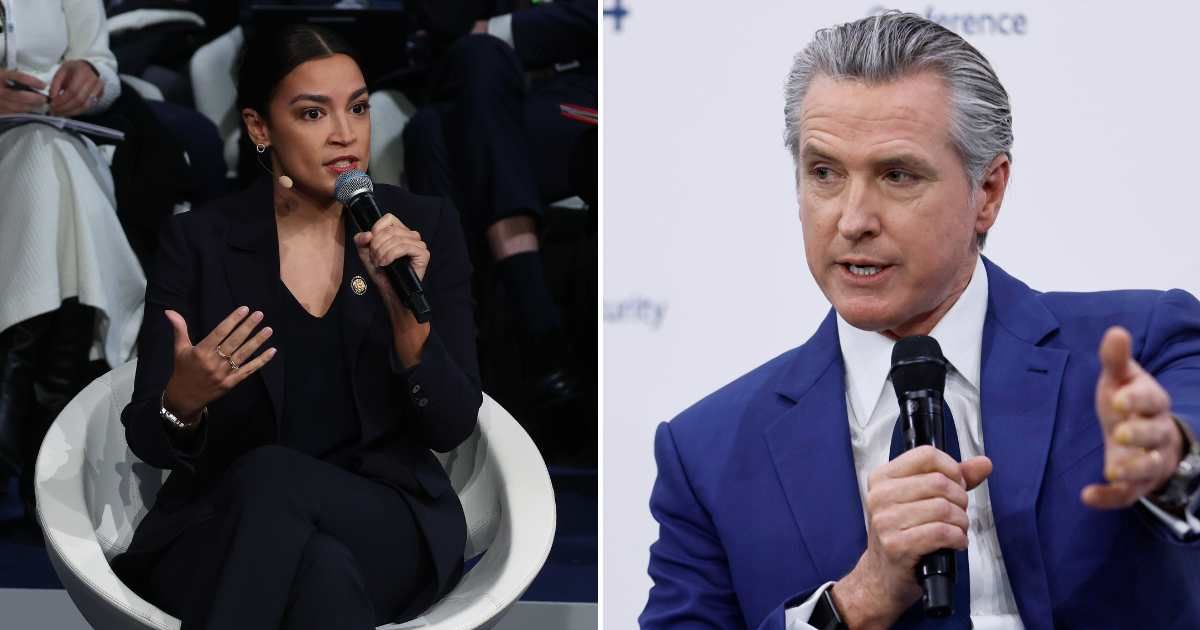
MUNICH, GERMANY: Prominent Democratic leaders used the 62nd Munich Security Conference on Friday, February 13, to sharply criticize President Donald Trump's foreign and domestic policies, presenting what they described as an alternative approach to global leadership.
California Governor Gavin Newsom and New York Representative Alexandria Ocasio-Cortez joined Michigan Governor Gretchen Whitmer and Senator Ruben Gallego at the annual gathering, where they addressed European allies amid ongoing tensions over US policy shifts.
While Secretary of State Marco Rubio led the official US delegation, Democrats in attendance focused on reassuring international partners that the current political direction in Washington did not reflect a permanent realignment of American policy.
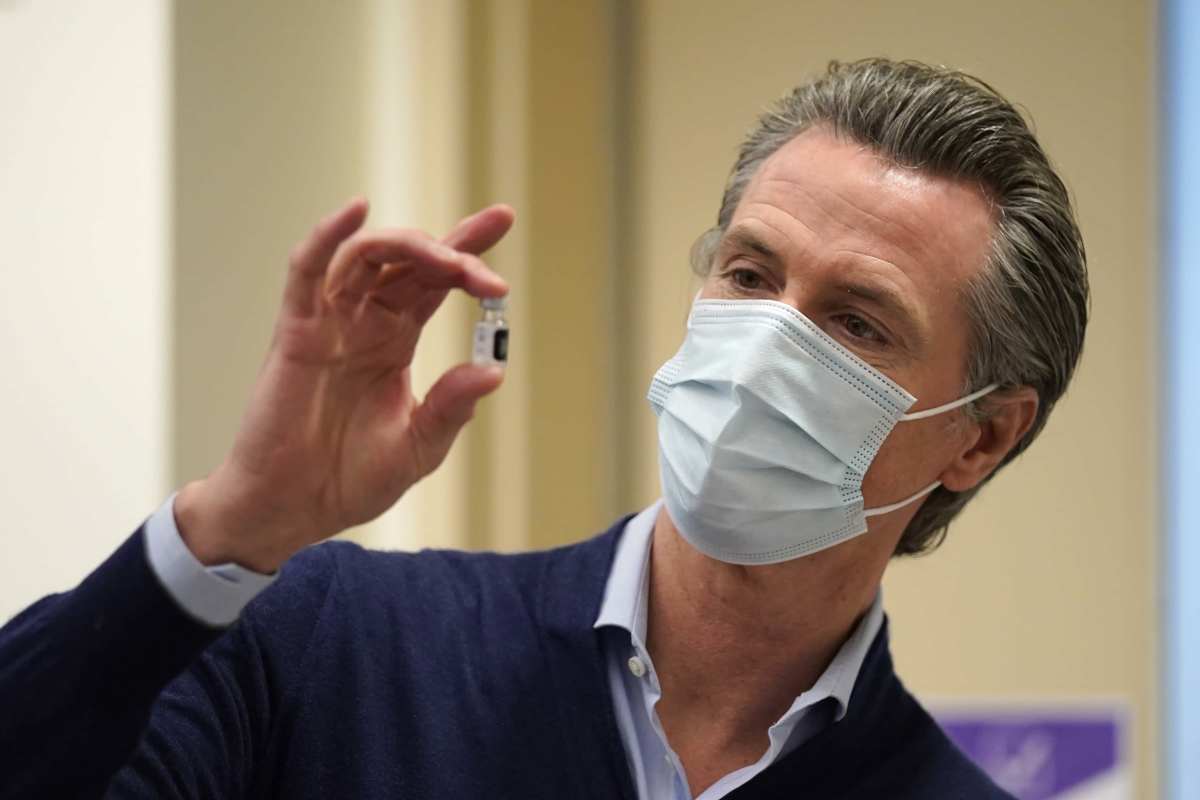
Gavin Newsom blasts White House climate rollback
Governor Gavin Newsom drew attention during a panel titled 'Playing with Fire: The Need for Decisive Climate Action', where he strongly criticized the administration’s environmental rollbacks.
Newsom described Trump as the “most destructive president” in US history in reference to climate policy, following recent moves to eliminate several federal environmental regulations.
There is no Republican thermometer or Democratic thermometer — there is only reality. pic.twitter.com/4h6kAy7twP
— Governor Newsom Press Office (@GovPressOffice) February 13, 2026
He argued that climate change was a direct and visible challenge for Californians facing severe wildfires and extreme weather events.
“We've moved beyond the partisanship on this issue, because there is no Republican thermometer, there's no Democratic thermometer, there's just reality,” Newsom told attendees.
He added that while the administration was “trying to recreate the 19th century,” California continued expanding green energy initiatives and investment in renewable industries.
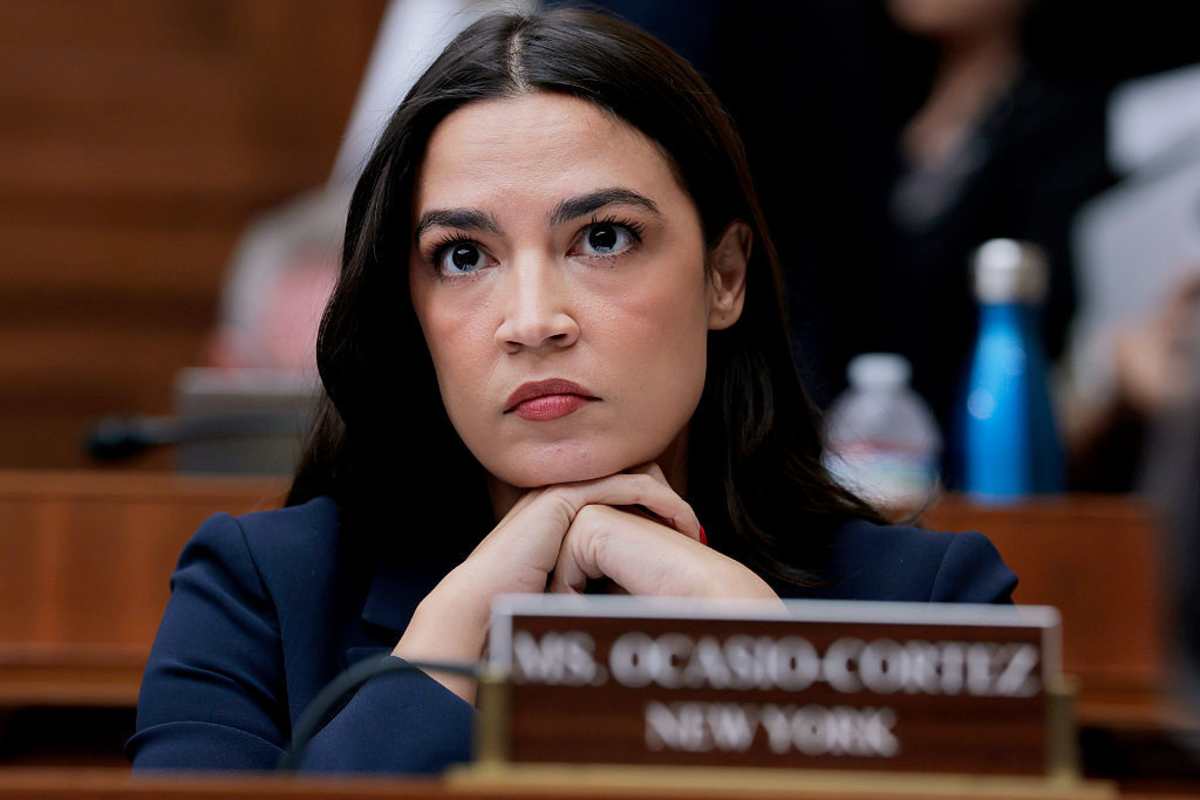
Alexandria Ocasio-Cortez warns of eroding Democratic norms
Representative Alexandria Ocasio-Cortez made her first appearance at the Munich forum on a panel addressing authoritarianism and the transatlantic alliance.
She argued that the administration was “tearing apart” traditional alliances and “ripping up every Democratic norm” underpinning the post-war international system.
AOC: Hypocrisy is vulnerability. What we are seeking is a return to a rules-based order that eliminates the hypocrisies — when too often in the West, we’ve looked the other way for inconvenient populations, whether it is:
— Acyn (@Acyn) February 13, 2026
•Kidnapping a foreign head of state.
•Threatening our… pic.twitter.com/0O6JxJivwV
Ocasio-Cortez referenced the administration’s proposal regarding Greenland as an example of policy decisions she believed had unsettled European partners.
Despite her criticism, she claimed that most Americans remained committed to Democratic institutions and alliances.
“We are here, and we are ready for the next chapter,” she told the audience.
Focus on working-class centered politics
Economic concerns and the rise of populism were also central to the Democratic messaging in Munich.
Ocasio-Cortez said policymakers needed to prioritize “working class-centered politics” to counter movements she described as authoritarian.
AOC: We have to have a working class centered politics, if we are going to succeed and also if we are going to stave off the scourges of authoritarianism which provide political siren calls to allure people into finding scapegoats to blame for rising economic inequality pic.twitter.com/USqgTk3brd
— Acyn (@Acyn) February 13, 2026
She argued that economic inequality fueled political instability and scapegoating.
When asked about measures such as a wealth tax or a “billionaires tax,” she said that such policies needed to be pursued “expeditiously,” describing wealth inequality as an urgent issue with both domestic and international implications.
Democratic leaders at the conference encouraged European counterparts to remain aligned with Democratic norms, with Newsom urging global political and corporate leaders to “stand up” amid ongoing geopolitical strain.