Marco Rubio signals ‘new era’ as Europe braces for reset at Munich Security Conference
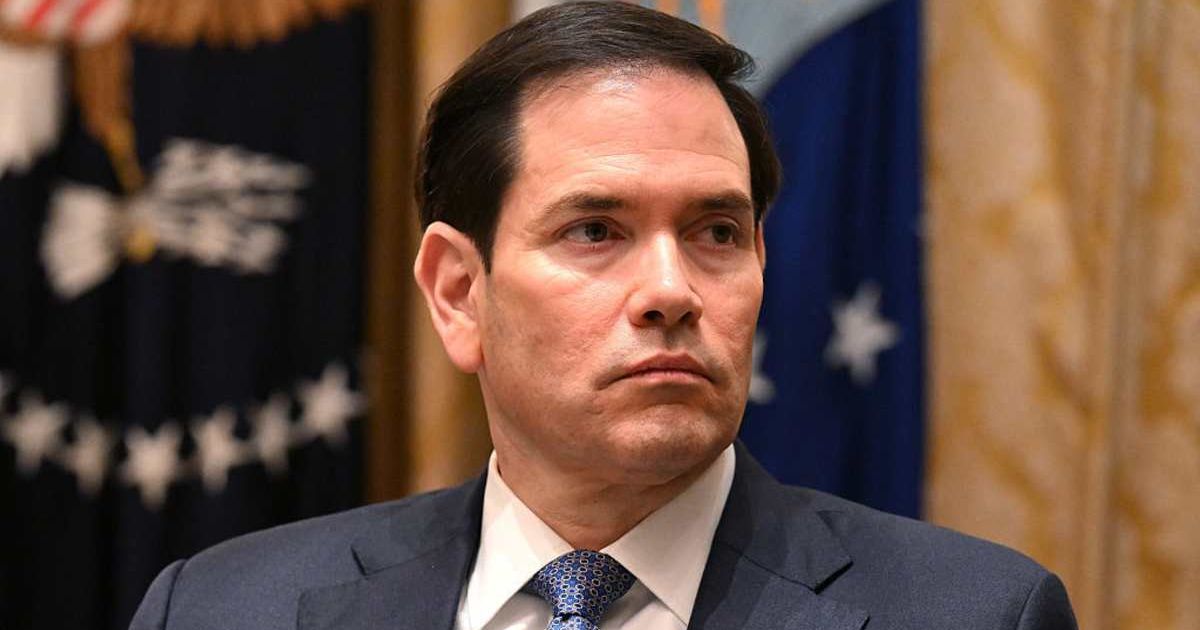
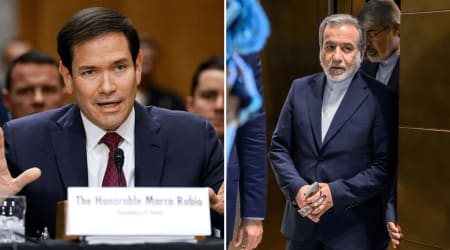
MUNICH, GERMANY: Marco Rubio warned that Europe is facing a “defining moment” as he arrived in Germany to lead the US delegation at the Munich Security Conference, the first major global gathering since Trump renewed pressure on NATO allies and floated the idea of annexing Greenland.
“The world is changing very fast right in front of us,” Rubio told reporters ahead of his keynote address. “We live in a new era in geopolitics, and it’s going to require all of us to sort of re-examine what that looks like and what our role is going to be.”
.@SecRubio: "The world is changing very fast right in front of us. The old world is gone ... We live in a new era in geopolitics, and it's going to require all of us to sort of re-examine what that looks like and what our role is going to be." pic.twitter.com/wgPrl2xJZC
— Department of State (@StateDept) February 13, 2026
Rubio’s message comes amid heightened strain in the transatlantic relationship. Trump has questioned longstanding security assumptions, imposed tariffs, and suggested that European allies may not remain “reliable” over the long term.
Greenland tensions unsettle allies
Tensions escalated after Trump pledged to annex Greenland, a semi-autonomous Danish territory, citing US national security. He claimed, without evidence, that the island was “covered with Russian and Chinese ships all over the place,” casting it as strategically vital in a shifting Arctic landscape.
.@POTUS: "We need Greenland from a national security situation. It's so strategic. Right now, Greenland is covered with Russian and Chinese ships all over the place." pic.twitter.com/suxvDQfmUm
— Rapid Response 47 (@RapidResponse47) January 5, 2026
Mette Frederiksen said she plans to meet with Rubio to discuss the US position. Many European leaders have described the episode as a watershed moment that has shaken trust.
Emmanuel Macron has argued that Europe must prepare for greater independence from the United States, while NATO Secretary General Mark Rutte stressed that transatlantic bonds remain close and essential.
US Secretary of State Marco Rubio is set to address the Munich Security Conference as German Chancellor Friedrich Merz urges Washington to “repair and revive transatlantic trust together.” Victoria Innes has more pic.twitter.com/E8PpbNJNnf
— TRT World Now (@TRTWorldNow) February 13, 2026
Opening the conference, German Chancellor Friedrich Merz appealed directly to Washington, urging both sides to “repair and revive transatlantic trust together.” He also revealed “confidential talks” with Macron on the possibility of establishing a joint European nuclear deterrent.
War in Ukraine and China focus
Beyond alliance tensions, Rubio’s warning comes as multiple global flashpoints converge. The war in Ukraine remains central. Ukrainian President Volodymyr Zelensky said the conference would bring “new steps toward our shared security.”
Today in Munich, Germany. An important day, and there will be new steps toward our shared security – that of Ukraine and Europe. On the agenda is the first joint Ukrainian-German drone production enterprise, as well as bilateral and multilateral meetings with partners.
— Volodymyr Zelenskyy / Володимир Зеленський (@ZelenskyyUa) February 13, 2026
We need… pic.twitter.com/nFLqSCSV0P
Russia and Ukraine announced that a new round of peace talks, also involving the US, will take place in Geneva on February 17-18. Previous discussions in Abu Dhabi produced no breakthrough, though a prisoner exchange followed.
Rubio also met Chinese Foreign Minister Wang Yi on the sidelines of the Munich Security Conference. The talks come amid friction over trade, tariffs, and Taiwan. Chinese President Xi Jinping recently described Taiwan as “the most important issue” in US-China relations and urged caution in US arms supplies to the island.
Chinese Foreign Minister Wang Yi has met US Secretary of State Marco Rubio on the sidelines of the Munich Security Conference on Friday.
— CGTN Europe (@CGTNEurope) February 13, 2026
The meeting comes amid continued diplomatic engagement between China and the US. #wang #wangyi #china #rubio #us #munich pic.twitter.com/01w8lTk7RM
Iran’s nuclear program is also on the agenda. Trump has threatened military action if Tehran does not agree to a new deal preventing it from developing nuclear weapons, adding another layer to the strategic recalibration Rubio referenced.
Europe weighs its future role
Rubio indicated he does not intend to reprise last year’s combative tone, when Vice President JD Vance sharply criticized European policies on immigration and free speech, remarks that triggered months of friction.
When asked whether he would be more conciliatory, Rubio responded that Europeans “want to know where we’re going, where we’d like to go, where we’d like to go with them.”
Conference chairman Wolfgang Ischinger warned in a pre-event report that US foreign policy is already “changing the world,” raising difficult questions about the future of transatlantic cooperation.
Eight former US ambassadors to NATO and eight former American supreme commanders in Europe issued an open letter urging Washington to maintain support for the alliance, calling it a “force-multiplier” rather than a charity.