NATO chief says Trump forced Europe to ‘grow up’ on defense at Davos
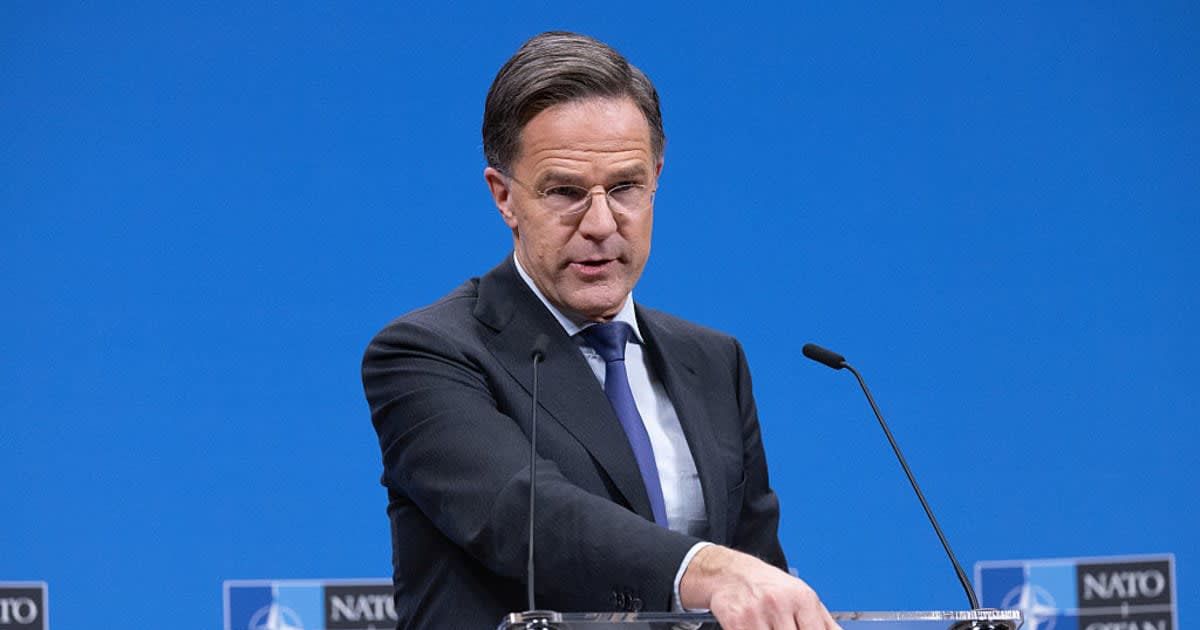
DAVOS, SWITZERLAND: NATO Secretary General Mark Rutte on Wednesday credited Donald Trump with pushing Europe to take long-overdue and “crucial” steps on defense, arguing that higher military spending across the continent would not have happened without Trump’s pressure.
Speaking at a World Economic Forum panel titled “Can Europe Defend Itself?”, Rutte challenged the audience to consider whether European governments would have met NATO's 2% of GDP defense spending target on their own.
“Do you really think that, without Donald Trump, several European countries would have gone to 2%? No way,” Rutte said. “Without Donald Trump, this would never have happened,” he added.
Acknowledging the potential discomfort of his remarks, Rutte told the audience that Trump’s confrontational approach had nonetheless yielded tangible results.
“I’m not popular with you now because I’m defending Donald Trump,” he said. “But I really believe we can be happy that he is there, because he has forced us in Europe to step up.”
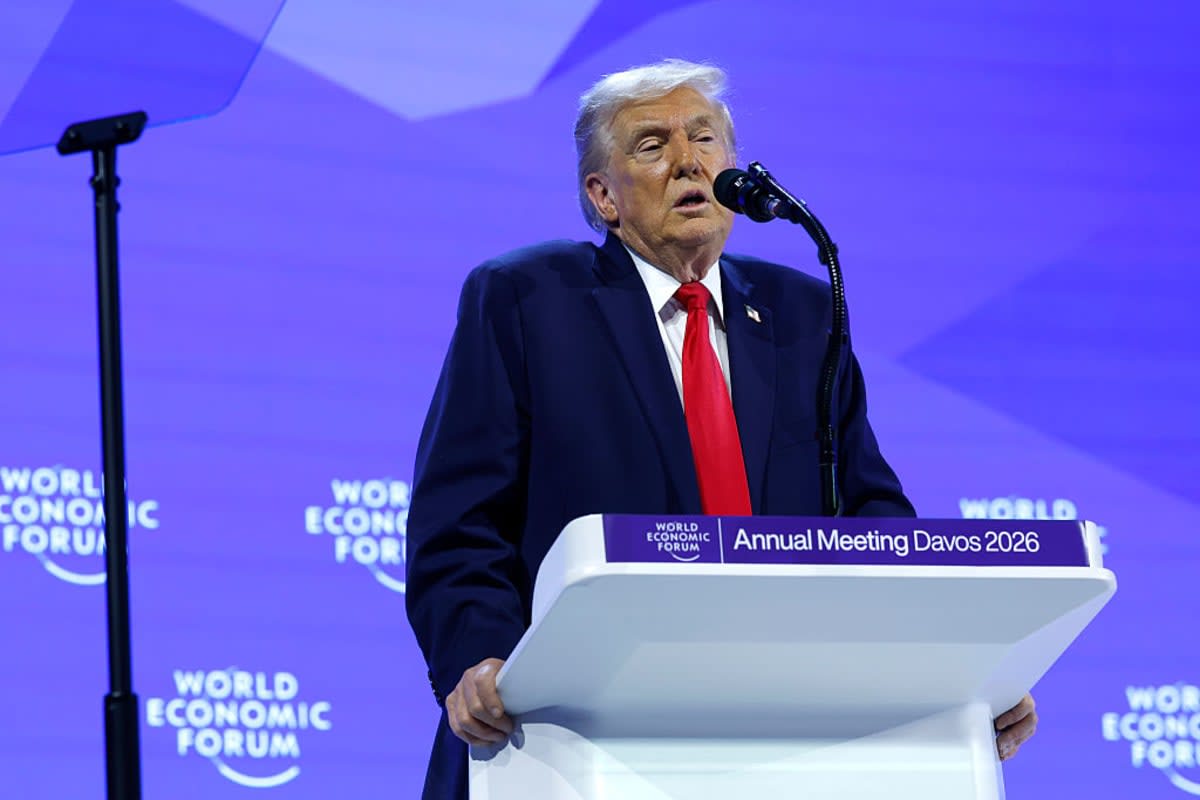
US commitment steady, but expectations are shifting
Rutte emphasized that the United States remains deeply committed to European security, citing to the tens of thousands of US troops still stationed across the continent.
He noted that this ongoing presence highlights Washington’s investment in NATO, even as it plans to deploy additional forces to Asia.
“It is only logical for them to expect us in Europe to step up over time,” Rutte said, adding that Europe would gradually assume more defense responsibilities while a “strong, conventional” US military presence remains.
Rutte argued that the shift marks a long-overdue adjustment for European and Canadian members of NATO in the post–cold war era.
“Without Donald Trump, we would not have taken those decisions. They are crucial,” he said.
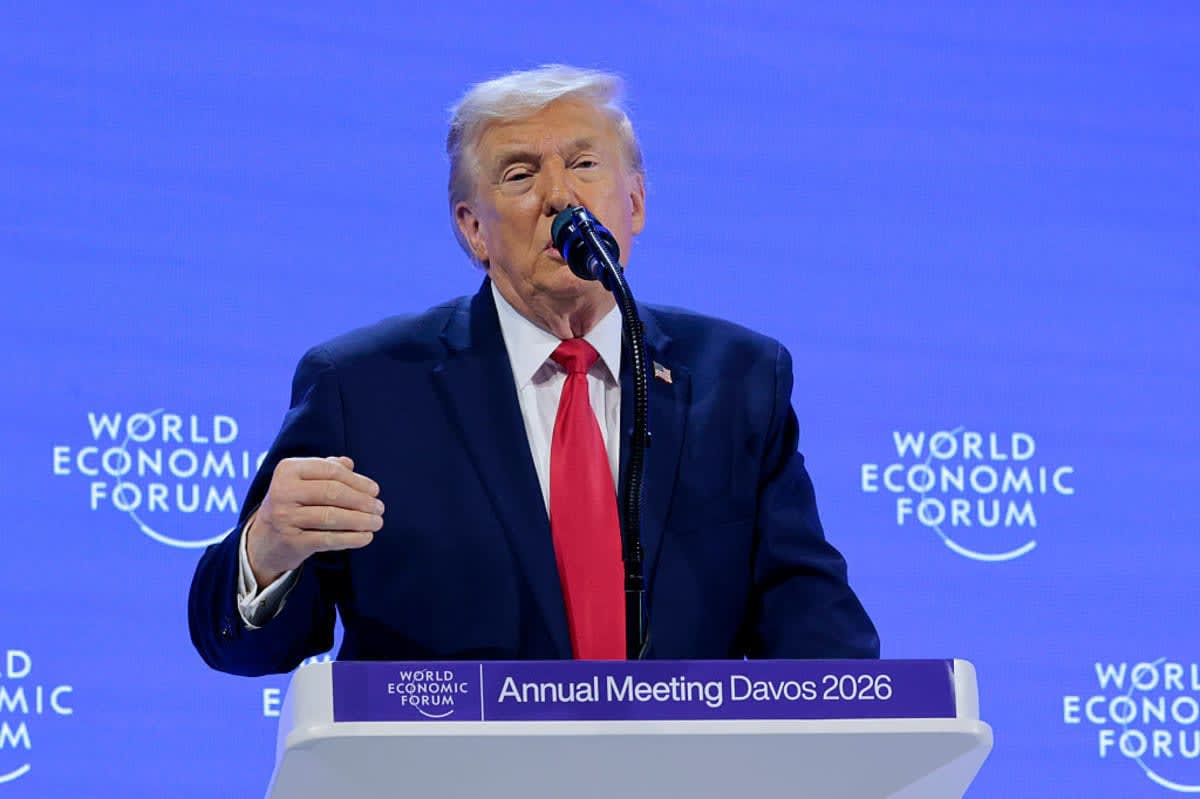
Trump’s Davos visit looms over alliance tensions
Trump arrived in Davos on Wednesday following weeks of diplomatic tension between Washington and its European allies, triggered by his renewed push to acquire Greenland and threats of tariffs on several European nations.
The visit provides European leaders a rare opportunity to engage with Trump in person after a turbulent start to his new term in transatlantic relations.
However, several senior European leaders are not attending this week. Those present have largely aimed to navigate a delicate balance—pushing back against Trump’s policies while avoiding confrontation.
German Chancellor Friedrich Merz, who has adopted a more conciliatory tone than leaders such as French President Emmanuel Macron, is in Davos, as is Finnish President Alexander Stubb.
Stubb, along with Norway’s prime minister, recently messaged Trump to express opposition to his proposed tariff increases targeting Norway, Finland and other countries.
Italian Prime Minister Giorgia Meloni, often seen as Trump’s closest ideological ally in Europe, is reportedly planning to meet the US president, though her official schedule lists her in Rome on Wednesday.