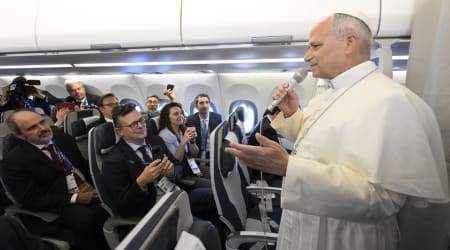
Pope Leo voices concern over Iran crisis, 'Stability and peace are not built through weapons'
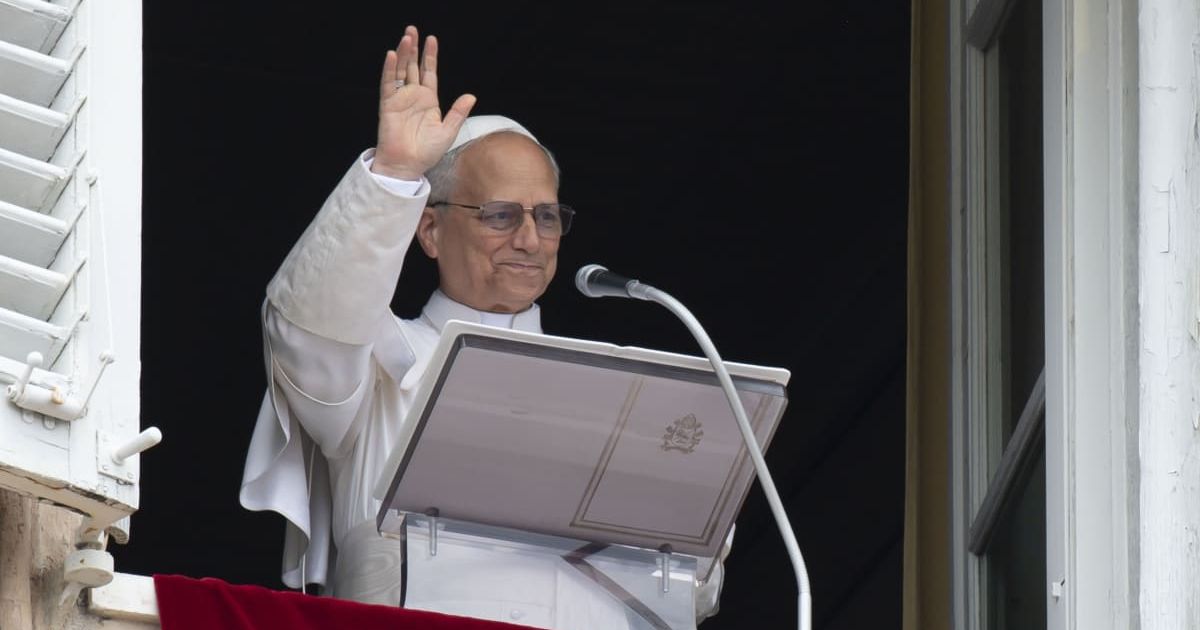
VATICAN: Pope Leo XIV expressed “deep concern” over the escalating conflict involving the joint US-Israel strikes on Iran and the broader Middle East, warning of potentially severe consequences if hostilities continue.
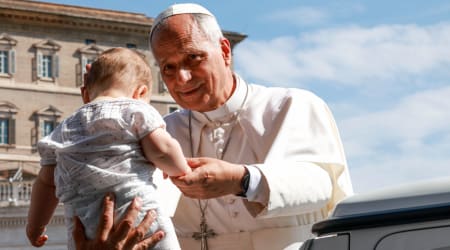
Speaking on Sunday, March 1, in St Peter’s Square following the Vatican’s Angelus prayer, the pontiff urged all parties to halt further violence.
His comments came after US-Israeli military strikes on Iran and subsequent retaliation across the region. In framing the situation as a pivotal moment, the pope called for restraint and renewed dialogue as a path toward de-escalation and peace.
Pope calls for dialogue, warns of ‘irreparable abyss’
Addressing crowds gathered at the Vatican, Pope Leo said he was closely monitoring developments. “I address a heartfelt appeal to the parties involved to assume the moral responsibility to stop the spiral of violence before it becomes an irreparable abyss,” he said during his weekly address.
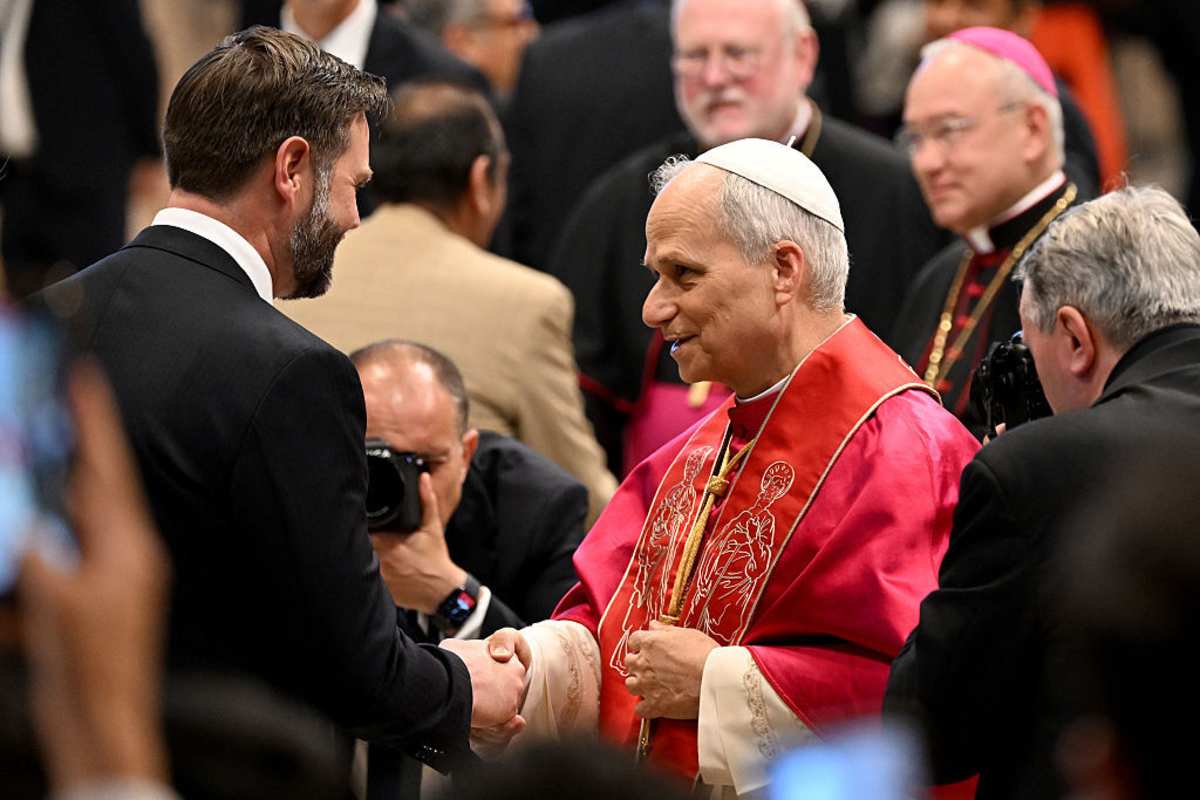
The pontiff cautioned against reliance on military force and threats as a means of securing stability. “Stability and peace are not built through mutual threats or through weapons,” he said, adding that such actions “sow destruction, pain and death.”
Instead, he stressed that peace can emerge “only through reasonable, genuine, and responsible dialogue.”

Pope Leo also warned of what he described as the “possibility of a tragedy of enormous proportions” if escalation continues unchecked.
His comments did not single out any specific government but underscored concern over the widening scope of military action and retaliatory strikes reported in recent days.
The Vatican has traditionally positioned itself as an advocate for diplomatic solutions in times of armed conflict. In this instance, the pope’s appeal focused on the moral obligations of leaders and the potential humanitarian consequences of sustained hostilities.
Report outlines Trump’s decision to launch major campaign
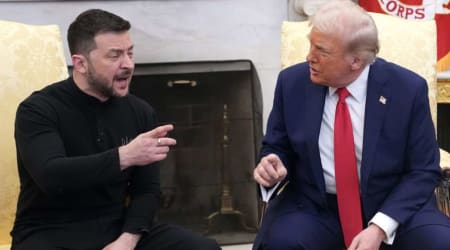
Trump ordered a sweeping military campaign against Iran early on Saturday, February 28, in coordination with Israel, marking a significant shift in US foreign policy.
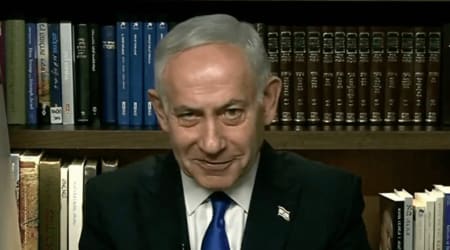
According to a report by The Washington Post, the decision followed weeks of lobbying by Mohammed bin Salman and Benjamin Netanyahu.
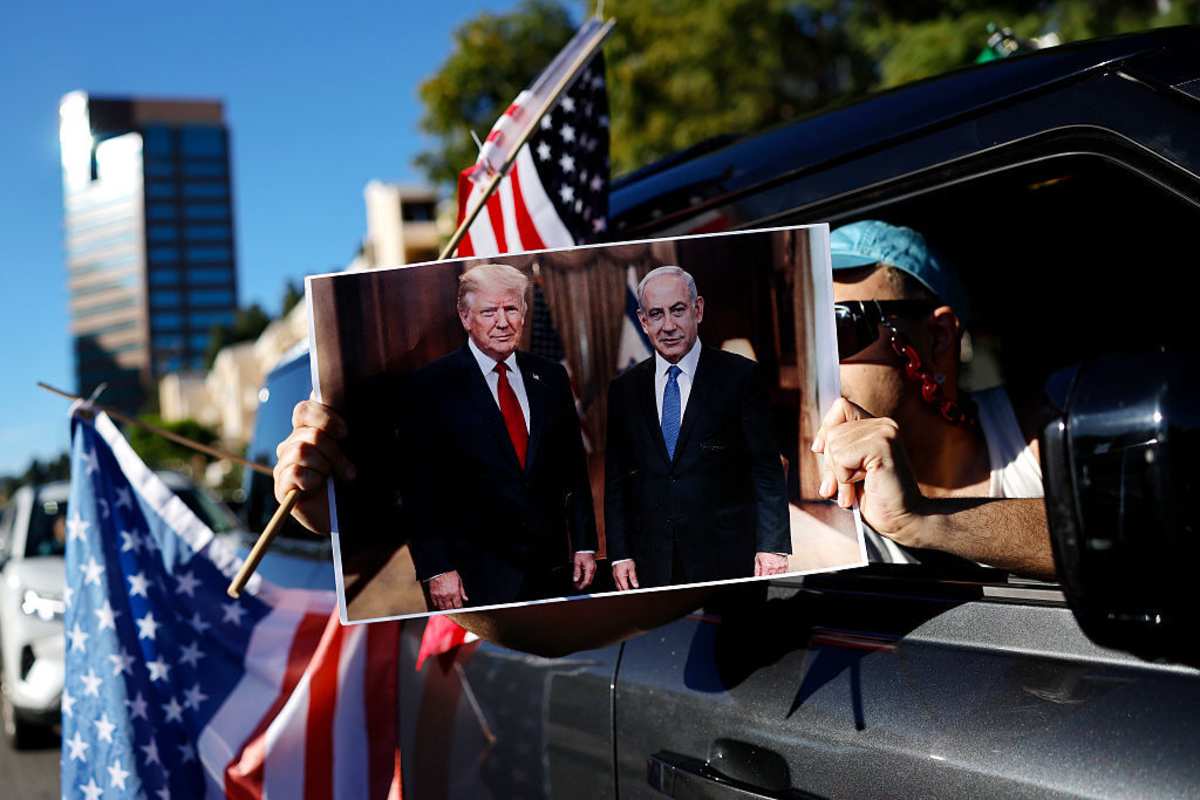
Citing four sources familiar with the matter, the newspaper reported that their efforts helped “lead Trump to order a massive aerial campaign against Iran’s leadership and military, which in its initial hour led to the death of Ayatollah Ali Khamenei and several other senior Iranian officials.”
According to the report, the attack proceeded despite US intelligence assessments indicating that Iran’s forces were unlikely to pose an immediate threat to the US mainland within the next decade.
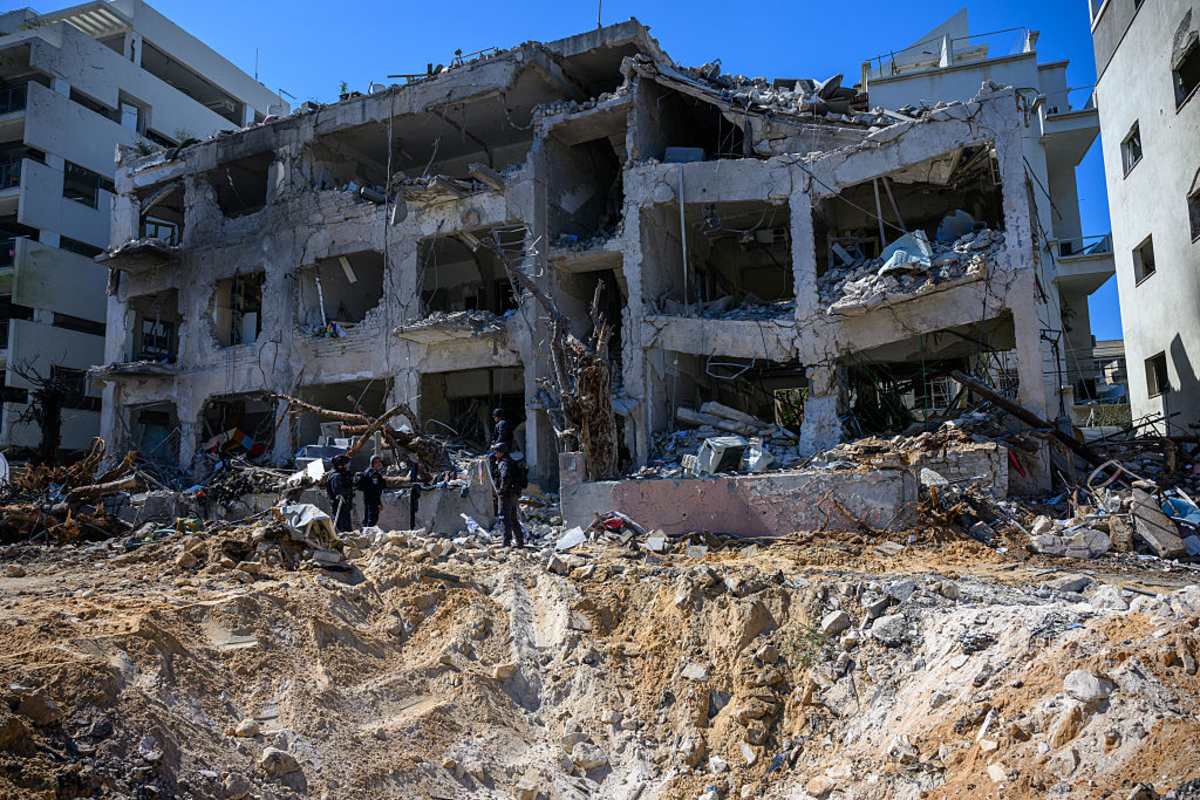 Security personnel help a resident remove clothes from his apartment at the site of a damaged building by last night's missile strike on March 01, 2026, in Tel Aviv, Israel. Iran fired waves of missiles at Israel after the United States and Israel launched a joint attack on Iran early on February 28th. Israel's Defense Minister Israel Katz declared a state of emergency, as Israelis braced for the retaliation (Photo by Alexi J. Rosenfeld/Getty Images)
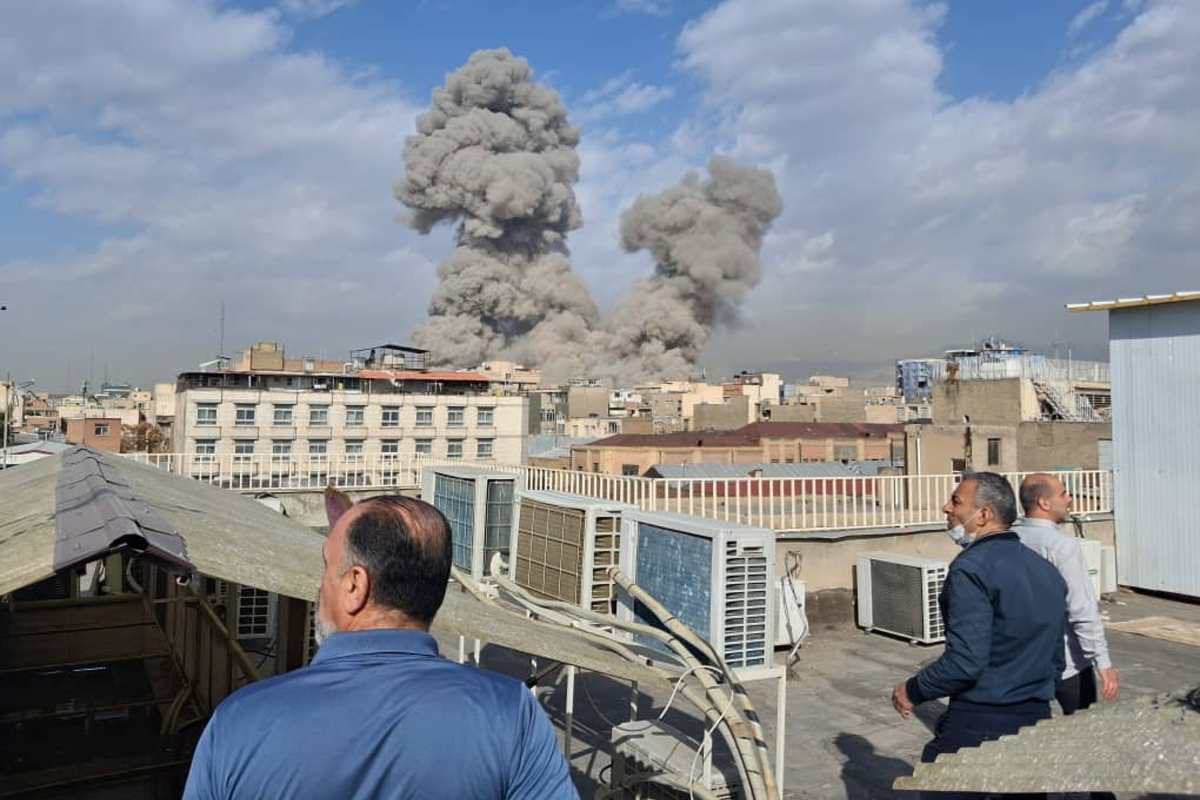
Hours after the initial strikes, Iran launched missile barrages targeting Israel and multiple US military bases across the Middle East. Regional governments, including those hosting American facilities, reported intercepting incoming missiles.
As military operations continue, international leaders, including Pope Leo XIV, have urged restraint and a return to diplomatic engagement to prevent further escalation.