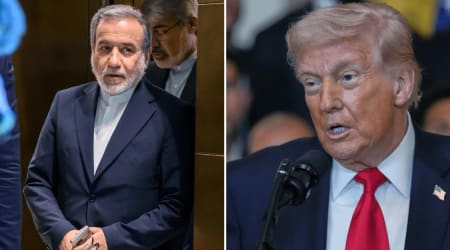
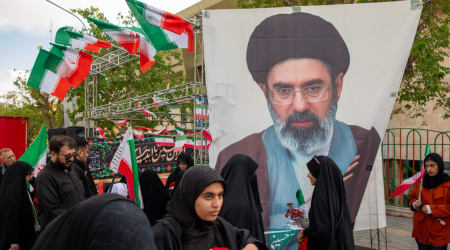
Iran rejects US 'self-defense' claim, warns of 'painful retaliation'
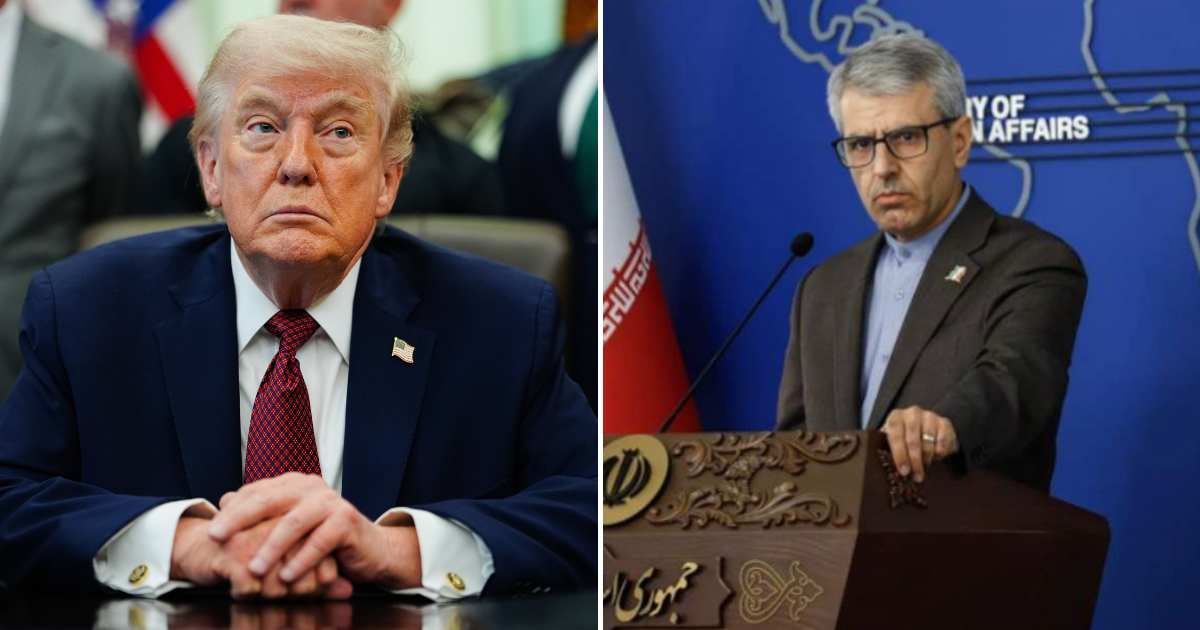
TEHRAN, IRAN: Iran on Friday, May 1, sharply rejected the Trump administration’s legal justification for the ongoing US-Israeli war, disputing Washington’s claim that military action against Tehran constitutes an act of self-defense.
Iranian officials said the legal argument lacked basis under international law and accused the United States of misrepresenting Iran’s nuclear program.
Iranian Foreign Ministry spokesman Esmail Baqaei directly challenged Washington’s legal position in a social media post, arguing there had been no armed attack by Iran to justify the war.
Iran disputes US case, rejects nuclear claims
At the center of the dispute is an April 21 statement by State Department legal adviser Reed Rubinstein, which argued that the United States “is engaged in this conflict at the request of and in the collective self-defense of its Israeli ally, as well as in the exercise of the United States’ own inherent right of self-defense.”
The statement cited concerns over Iran’s missile capabilities and Washington’s position that Tehran must never obtain nuclear weapons.
Responding, Baqaei questioned the legal reasoning behind the US position.
"Self-defense’ against what?” Baqaei wrote. “Was there any ‘armed attack’ by Iran to justify ‘self defense’? Definitely not! So this was absolutely NOT ‘self-defense,’ it was an act of AGGRESSION against the nation of Iran.”
'Self-defense' against what? Was there any 'armed attack' by Iran to justify 'self defense'?
— Esmaeil Baqaei (@IRIMFA_SPOX) May 1, 2026
Definitely not!
So this was absolutely NOT 'self-defense' — it was an act of AGGRESSION against the nation of Iran. pic.twitter.com/iPemdStD71
In a separate interview on Iranian state television, Baqaei also rejected longstanding Western allegations that Iran is pursuing nuclear weapons capability.
“They are constantly repeating ‘nuclear bomb’ and are misleading the entire world with this claim,” he said. “For 30 or 40 years, the other side has been claiming that Iran is seeking a nuclear bomb, but there is no such thing, and no one has found even the slightest evidence for it.”
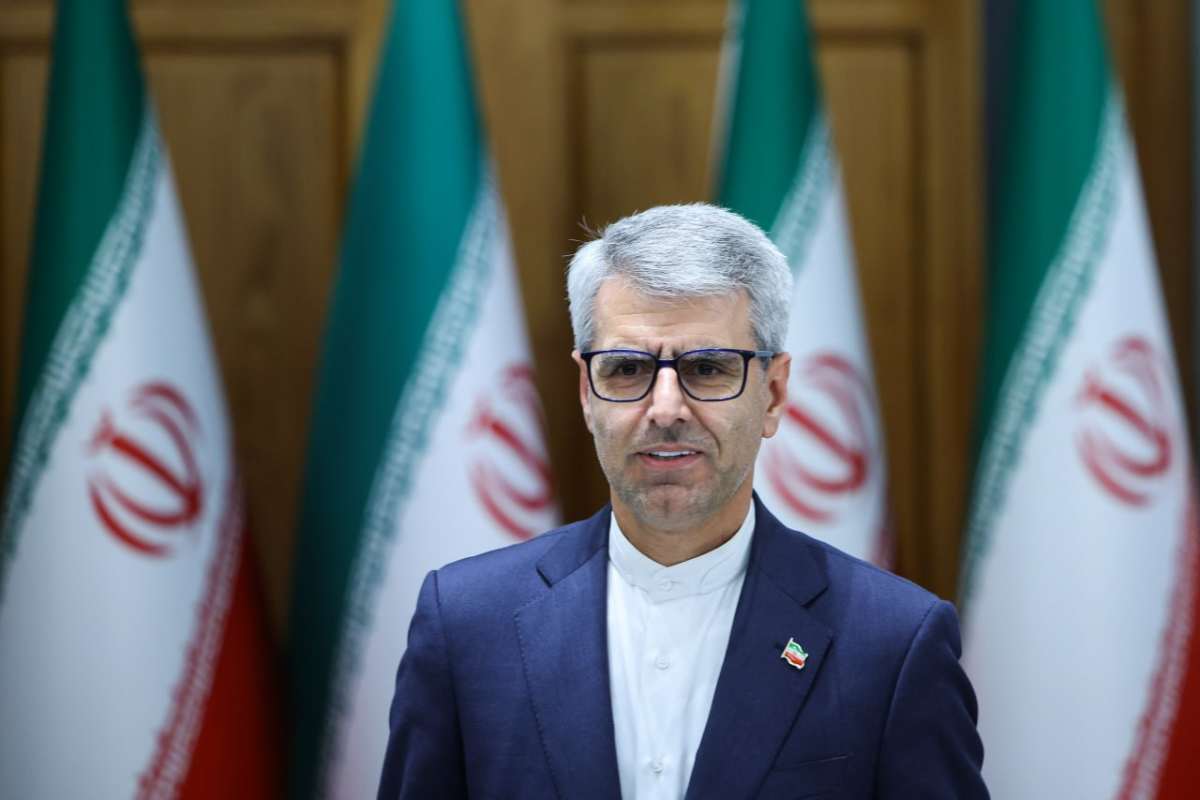
Iran has consistently denied seeking nuclear weapons, maintaining that its nuclear program is for civilian purposes.
Tehran expanded uranium enrichment after the United States withdrew from the 2015 nuclear agreement, though the International Atomic Energy Agency said shortly before the war began that it had found no evidence of an active weapons program.
Iran warns of ‘wide-ranging’ response, Trump reviews actions
The diplomatic dispute unfolded as a senior Iranian military commander warned that any renewed US military operation would trigger a broad retaliatory response.
Brigadier General Seyed Majid Moosavi, commander of the Islamic Revolutionary Guard Corps’ aerospace force, said Iran’s forces were prepared to respond to any new military action.
“We will respond to any enemy operation, whether it is a short, sudden strike or otherwise, with sustained, wide-ranging, and painful retaliation,” Moosavi said in a statement.
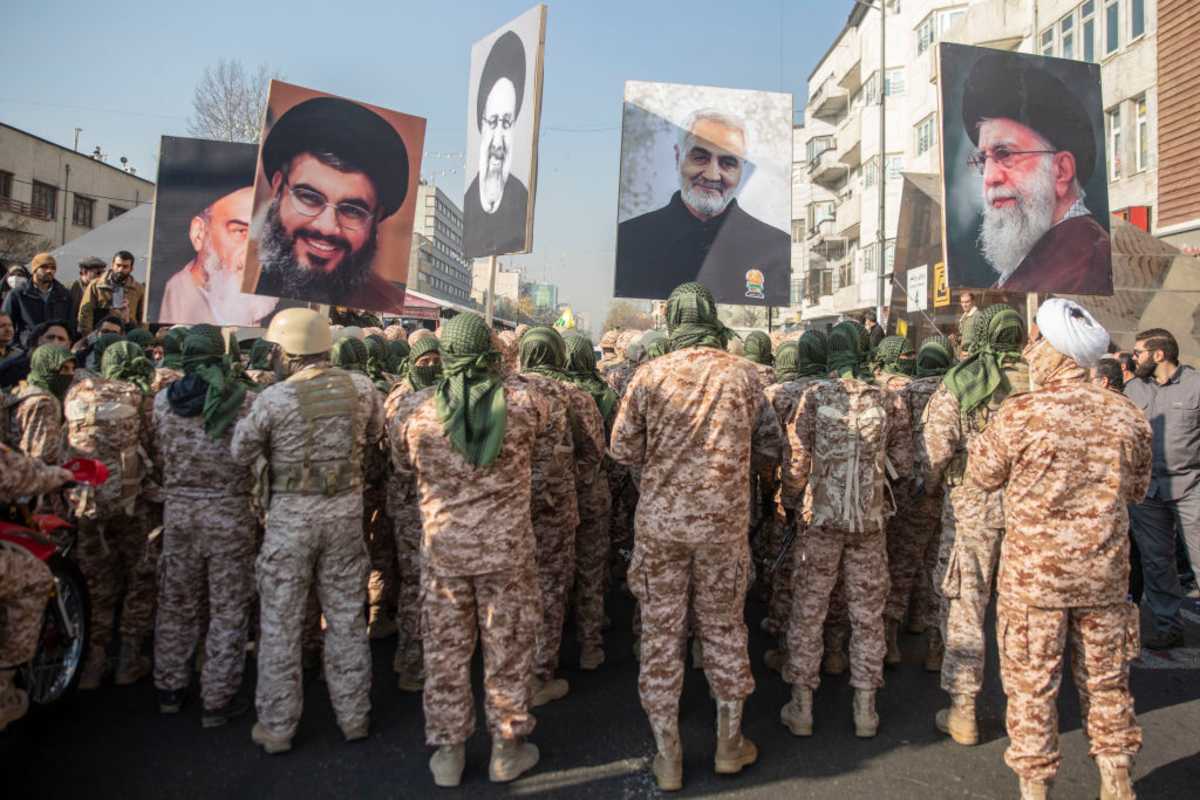
The warning followed reports that President Trump received a 45-minute briefing on Thursday, April 30, from senior military officials on possible new operational plans targeting Iran.
According to reports, the options under review include a new wave of “short and powerful” strikes, potentially aimed at infrastructure sites.
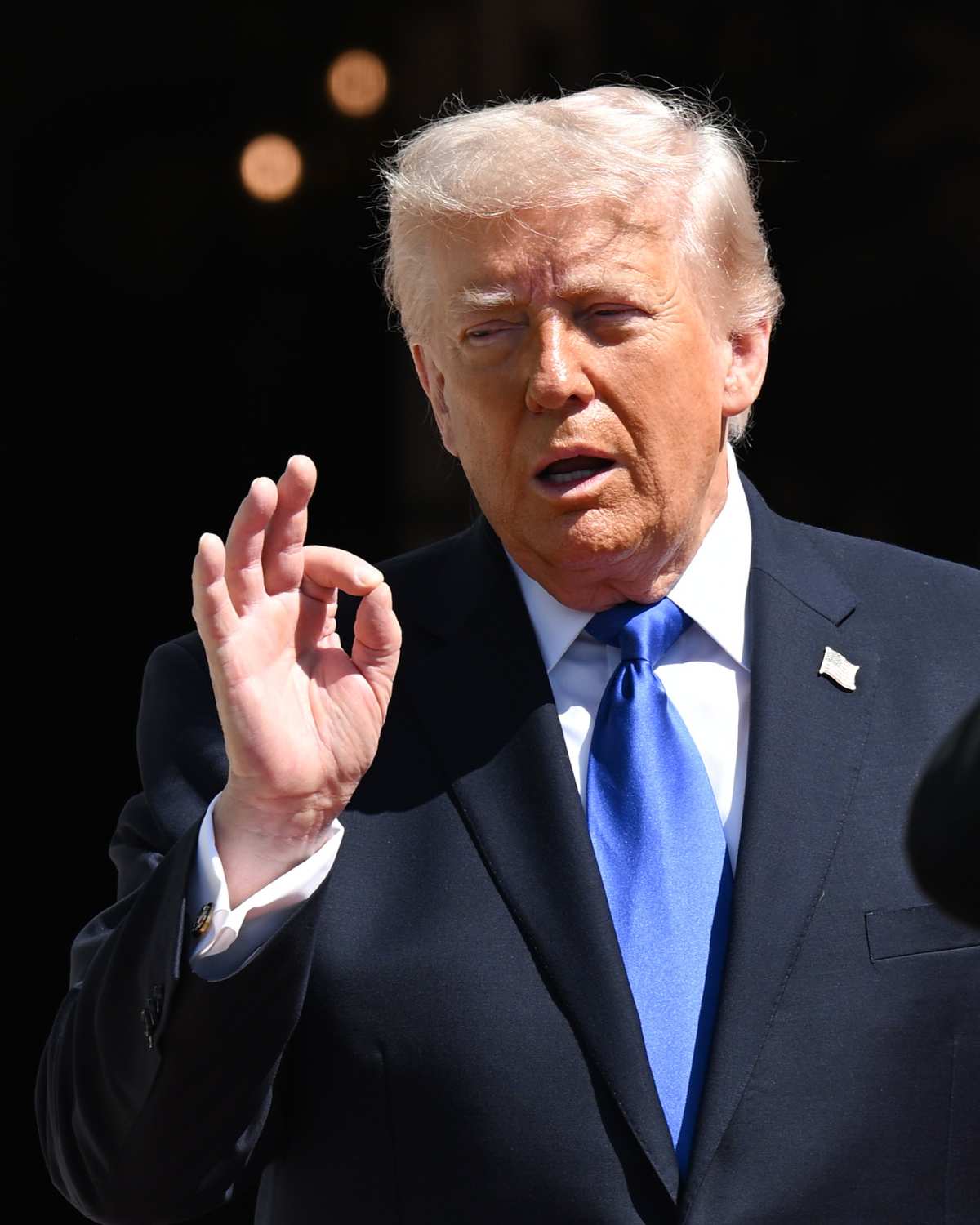
Trump, speaking Thursday, April 30, maintained that the United States had already achieved significant gains in the conflict but signaled that military pressure could continue. “We have already won,” Trump said, while adding, “I want to win by a bigger margin.”
He also reiterated the administration’s core demand: “We have to have guarantees they will never have a nuclear weapon.”