US pushes allies to join new Hormuz coalition while keeping Russia and China out
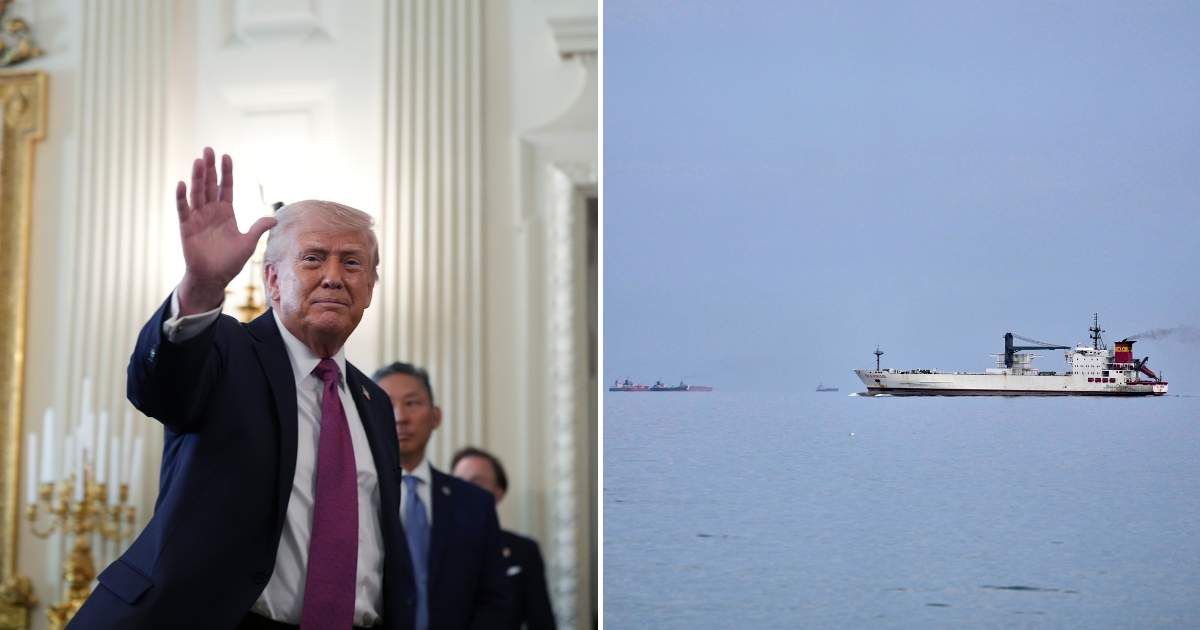
WASHINGTON, DC: The Donald Trump administration is stepping up diplomatic outreach to build a multinational effort aimed at securing one of the world’s most critical oil routes, as ongoing tensions with Iran continue to impact movement through the Strait of Hormuz.
The initiative comes at a time when disruptions in the region are already being felt in global energy markets.

A new coalition takes shape
At the center of the push is a proposed framework being referred to as the 'Maritime Freedom Construct', designed to bring together partner nations in ensuring that commercial vessels can safely navigate the narrow but vital passage.
The effort goes beyond military coordination. Officials envision a structure that combines diplomatic alignment, intelligence-sharing and economic pressure tools such as sanctions to maintain open sea lanes.
A recent directive circulated by the United States Department of State has instructed American diplomats worldwide to actively seek participation from partner countries within a tight timeline.
The communication urges embassies to present the initiative as a cooperative security measure that benefits not just regional stability but the global economy, which depends heavily on uninterrupted oil shipments through the strait.
At the same time, diplomats via a cable accessed by The Wall Street Journal have been told to avoid discussing the proposal with countries considered strategic rivals, including Russia and China.
The allies have been asked to respond by Friday, May 1.
Flexible coalition allows varied roles among participating countries
The coalition is being structured with flexibility in mind. Countries are not expected to contribute in identical ways, and participation could range from sharing intelligence and coordinating policy to enforcing sanctions or, in some cases, providing naval support.
Officials have emphasized that even limited involvement would be valuable, suggesting the goal is larger alignment rather than a narrowly defined military alliance.
Operational leadership for the initiative is expected to involve both the State Department and the Pentagon, with support from United States Central Command.
The proposal also intersects with existing European-led initiatives.
United Kingdom and France have been working on their own plans to bolster maritime security in the region, including potential deployment options if conditions allow.
US officials describe the new framework as complementary rather than competitive, suggesting it could eventually integrate with or reinforce those parallel efforts.
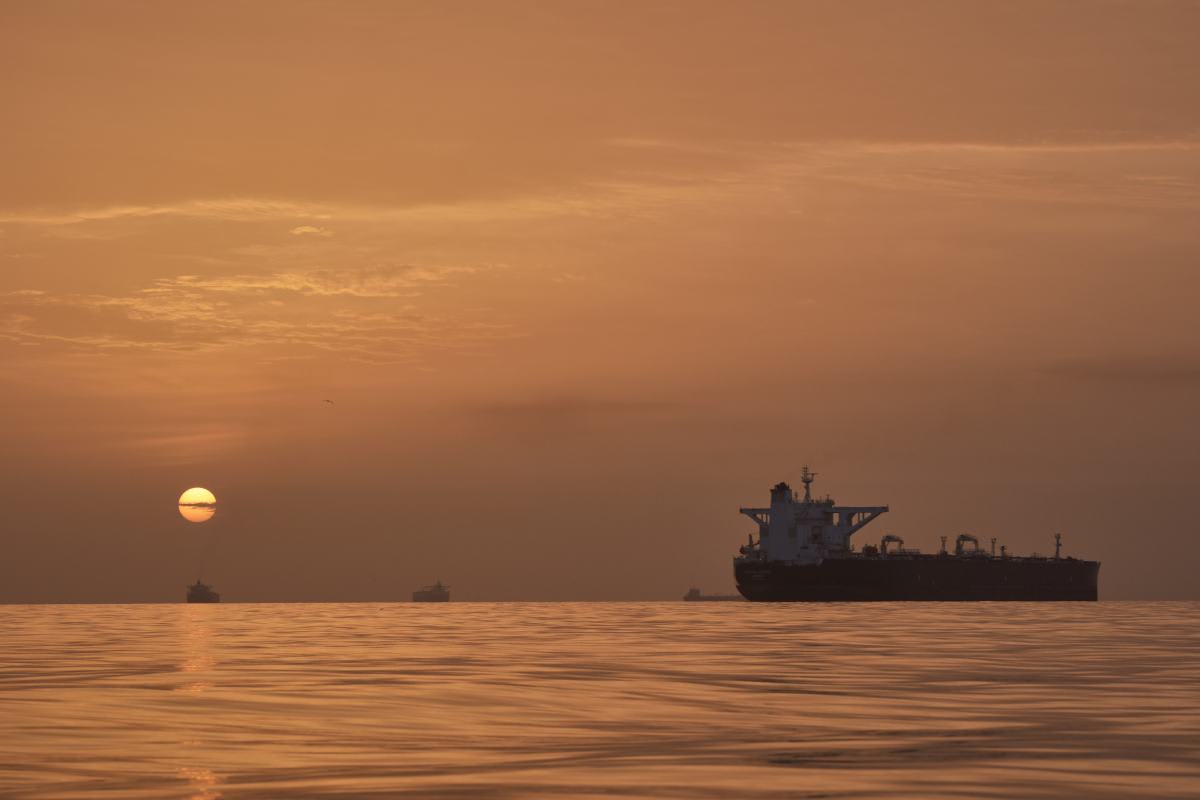
The Strait of Hormuz handles a significant share of the world’s oil shipments, making any disruption there a global concern.
With tensions between Washington and Tehran still unresolved, the waterway has become both a strategic chokepoint and a bargaining lever in negotiations.