White House says Trump ‘will not negotiate through the press’ after Iran Strait proposal
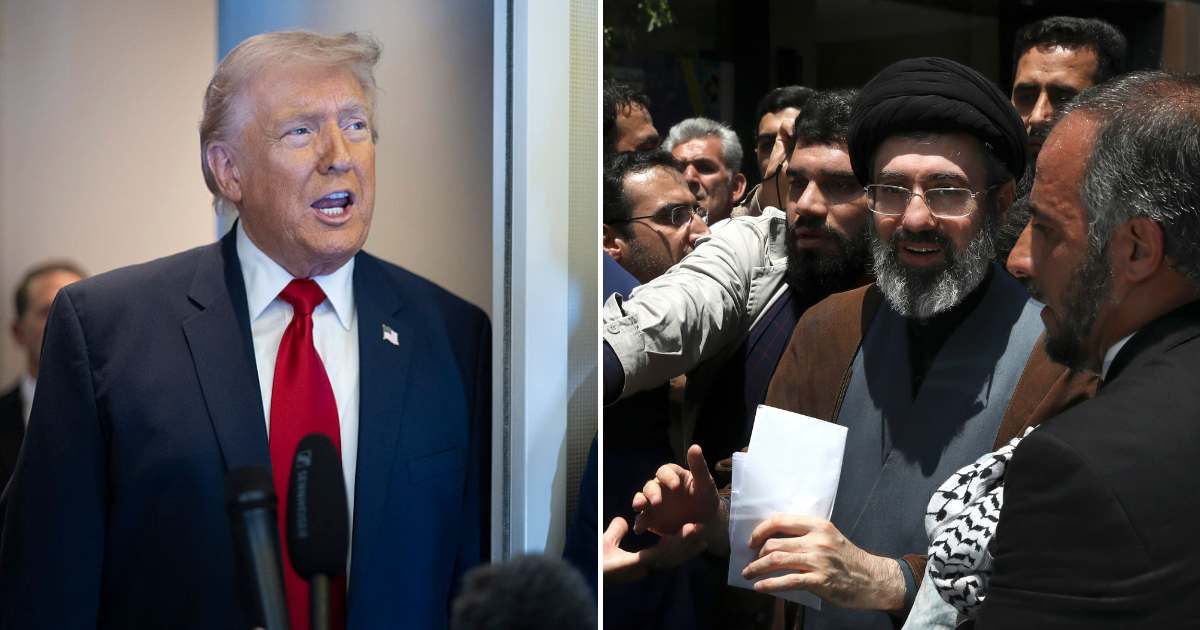
WASHINGTON, DC: The White House said on Monday, April 27, that President Donald Trump’s administration will not conduct sensitive diplomacy “through the press” after reports emerged that Iran had proposed reopening the Strait of Hormuz in exchange for the United States lifting its naval blockade.
The reported proposal, relayed through Pakistani intermediaries, does not include any concessions on Iran’s nuclear program, according to US officials.
The development comes as energy markets react to prolonged disruptions in one of the world’s most critical oil transit routes and as Trump continues to insist that Washington holds leverage in any future talks.
White House maintains stance on Iran nuclear program
Responding to reports of Tehran’s proposal, Assistant White House Press Secretary Olivia Wales said the administration would not publicly negotiate over the terms of any potential agreement.
“These are sensitive diplomatic discussions and the US will not negotiate through the press,” Wales said in a statement.
She added, “as the President has said, the United States holds the cards and will only make a deal that puts the American people first, never allowing Iran to have a nuclear weapon.”
According to sources familiar with the discussions, Iran’s offer focused on restoring shipping access through the Strait of Hormuz if Washington ends its naval blockade, but deliberately left the issue of nuclear enrichment for future negotiations.
President Trump and senior administration officials have repeatedly said any peace agreement must include a full halt to Iran’s uranium enrichment activities and the surrender of its enriched uranium stockpile.
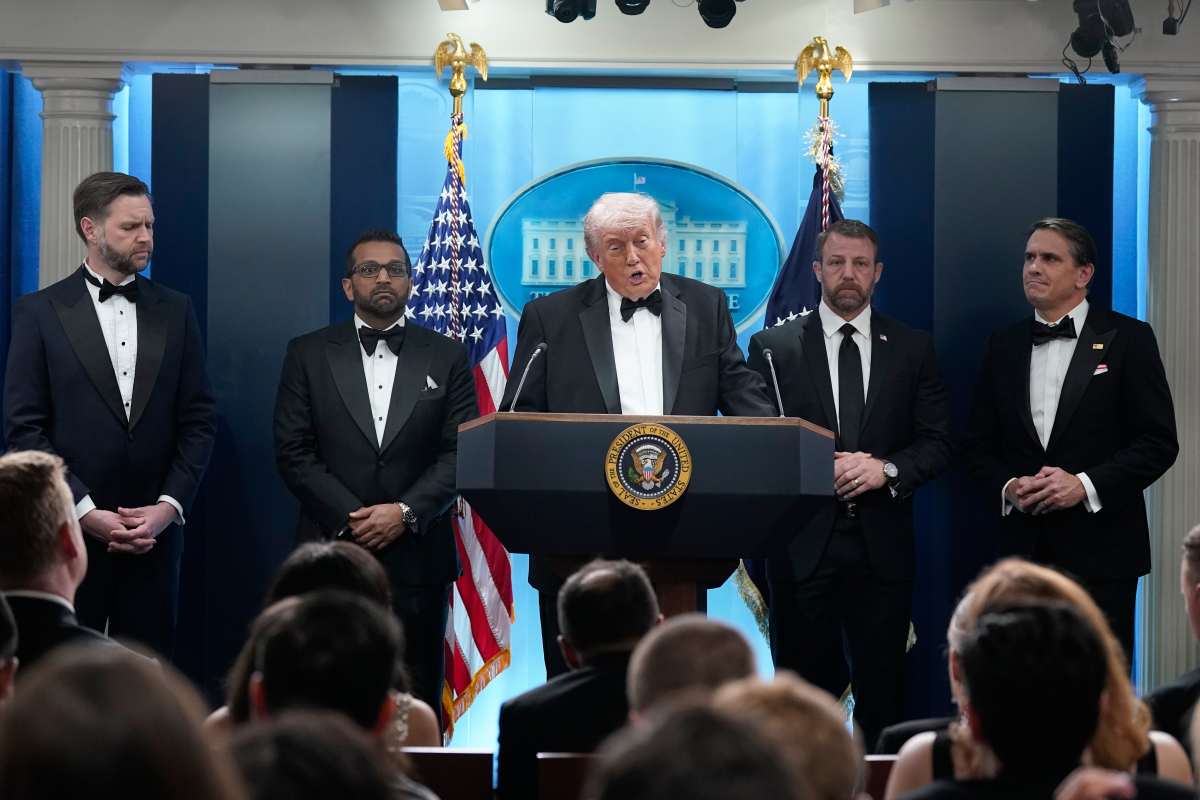
Trump reiterated that position over the weekend after canceling a planned diplomatic trip by special envoy Steve Witkoff and adviser Jared Kushner to Pakistan, where talks were expected to continue.
“We have all the cards,” Trump said in an interview with Fox News. “If they want to talk, they can come to us, or they can call us.”
Oil prices rise amid uncertainty over talks, shipping routes
The diplomatic standoff has continued to affect global energy markets, with oil prices climbing sharply on Monday as expectations for a near-term breakthrough faded.
Brent crude rose nearly 3% to more than $108 per barrel in early trading, while US West Texas Intermediate gained more than 2.5%, reflecting concerns over supply disruptions tied to the Strait of Hormuz.
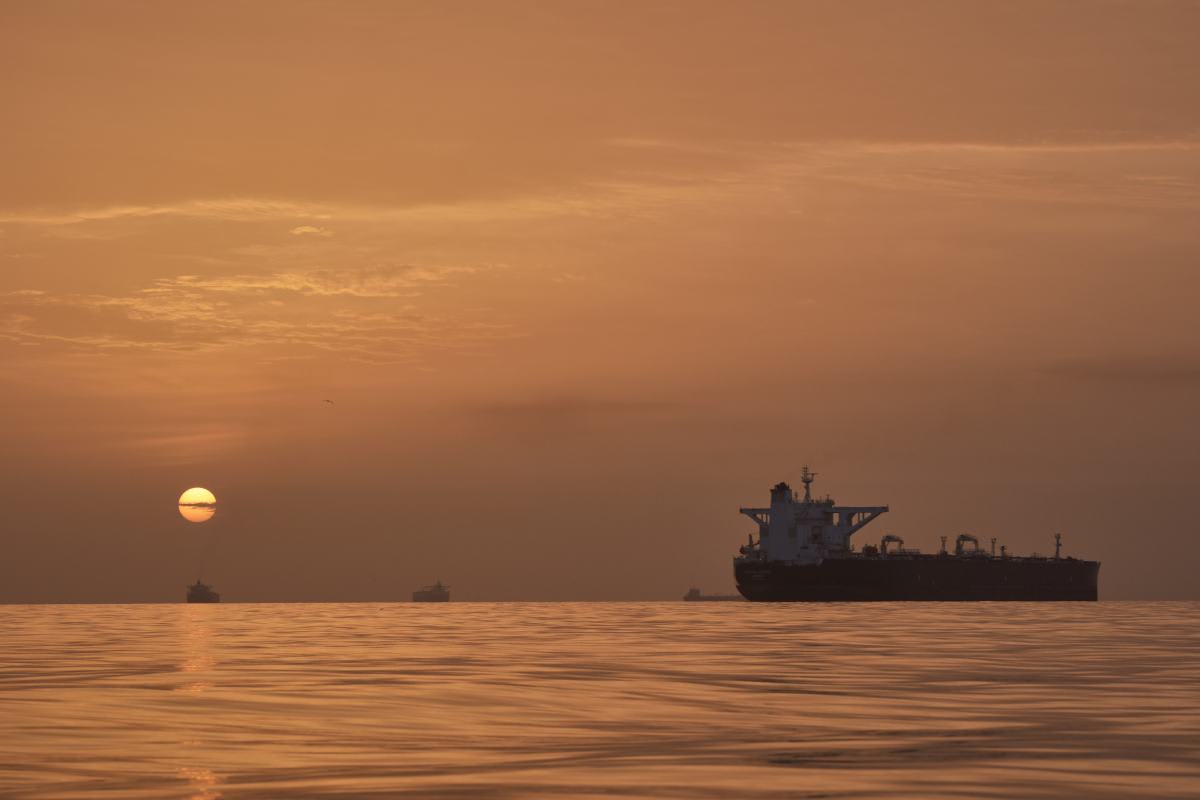
The strait remains one of the world’s most strategically important shipping lanes, handling a significant share of global oil exports.
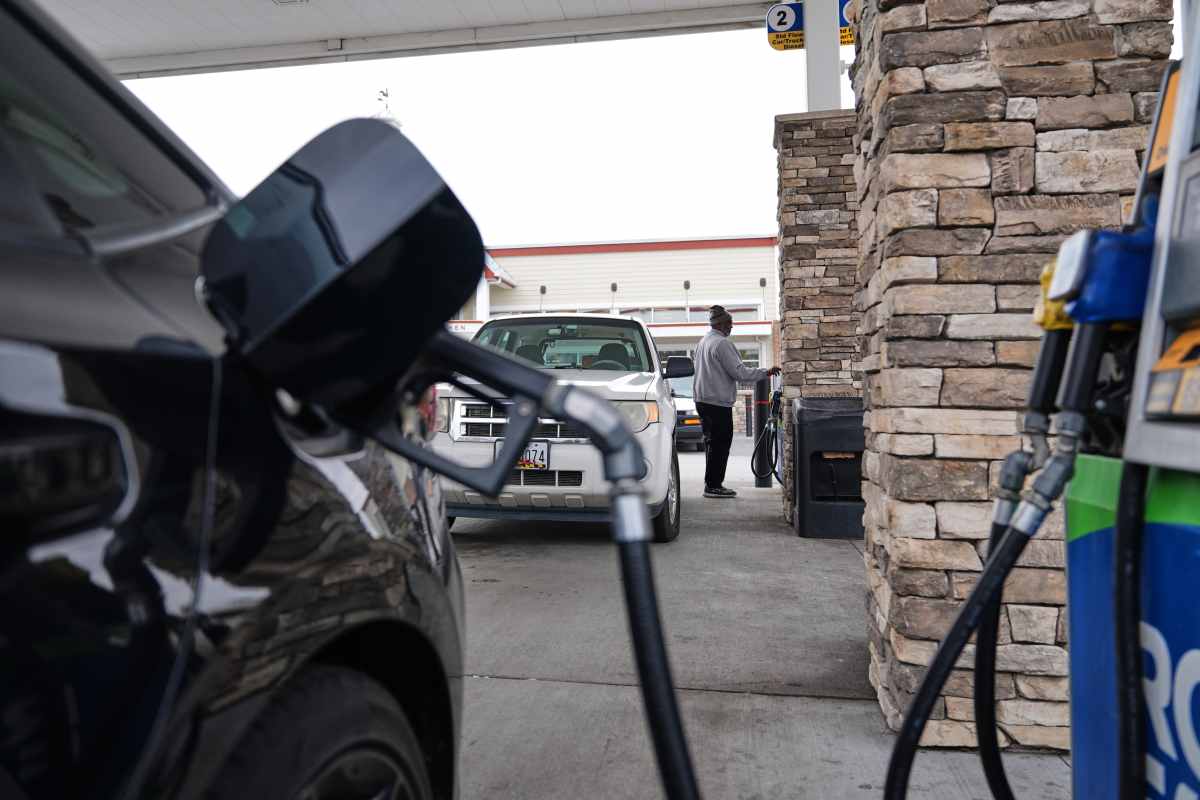
Although US's direct dependence on the route is limited, market disruptions have contributed to higher fuel prices domestically. According to AAA, average US gasoline prices rose to $4.11 per gallon on Monday, April 27, marking the fifth straight day of increases.
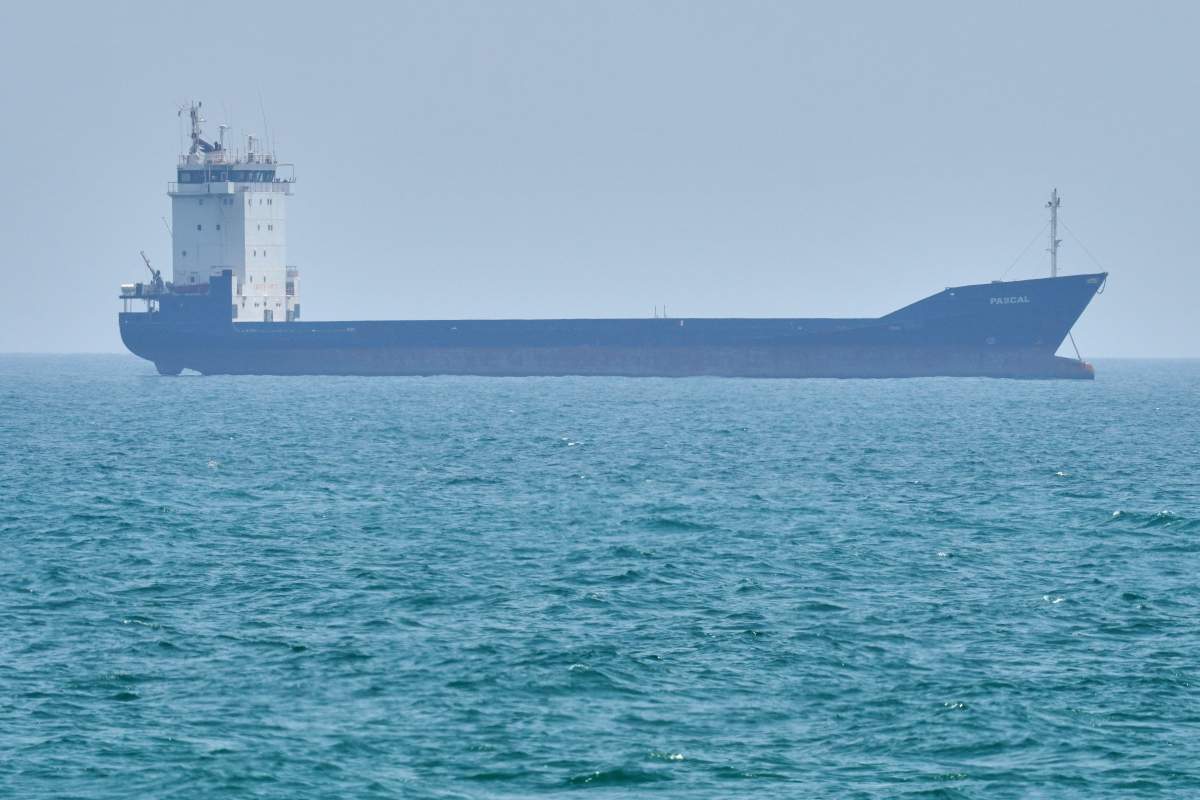
Iranian officials have maintained that reopening the strait remains conditional on the end of US military and naval pressure.
Tehran’s foreign minister is currently in Russia for consultations on the conflict, signaling continued diplomatic outreach as tensions remain unresolved.