'Maximum leverage over regime': Trump eyes Iran blockade extension as oil storage clock runs down
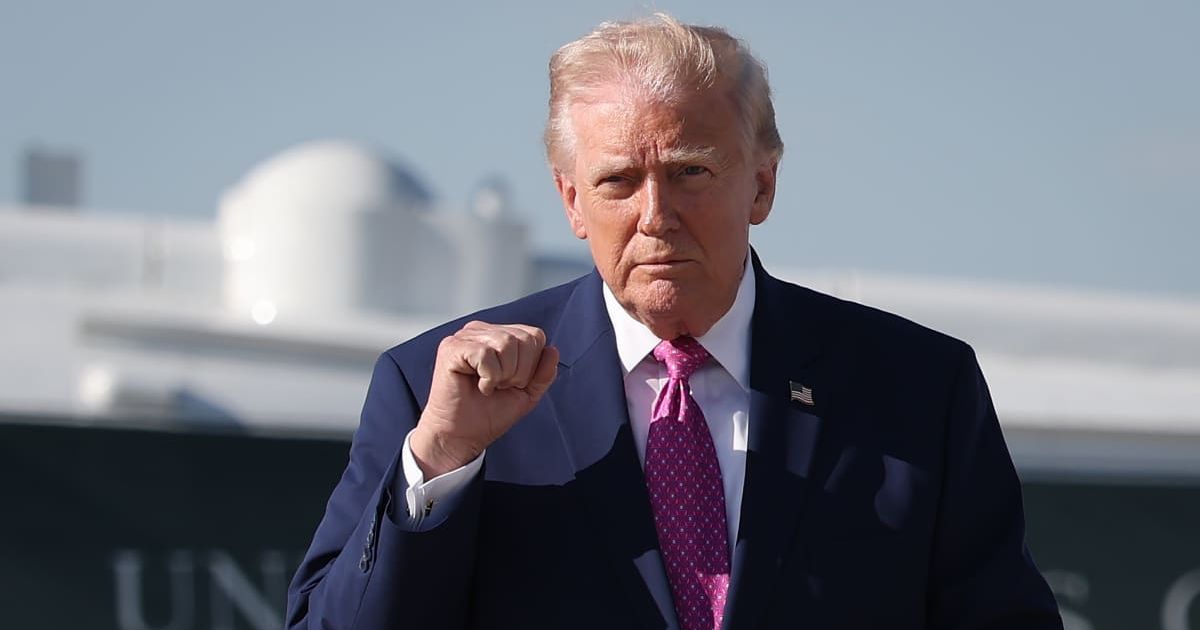
WASHINGTON, DC: The White House said on Wednesday, April 29, that the US naval blockade of Iranian ports has given President Donald Trump “maximum leverage” over Tehran as the administration weighs extending the operation for months.
The comments came amid questions over whether the US plans to maintain pressure despite the economic effects on global energy markets and rising consumer costs.
Administration officials indicated that Trump is considering a prolonged blockade as part of an effort to force Iran back into negotiations over its nuclear program.
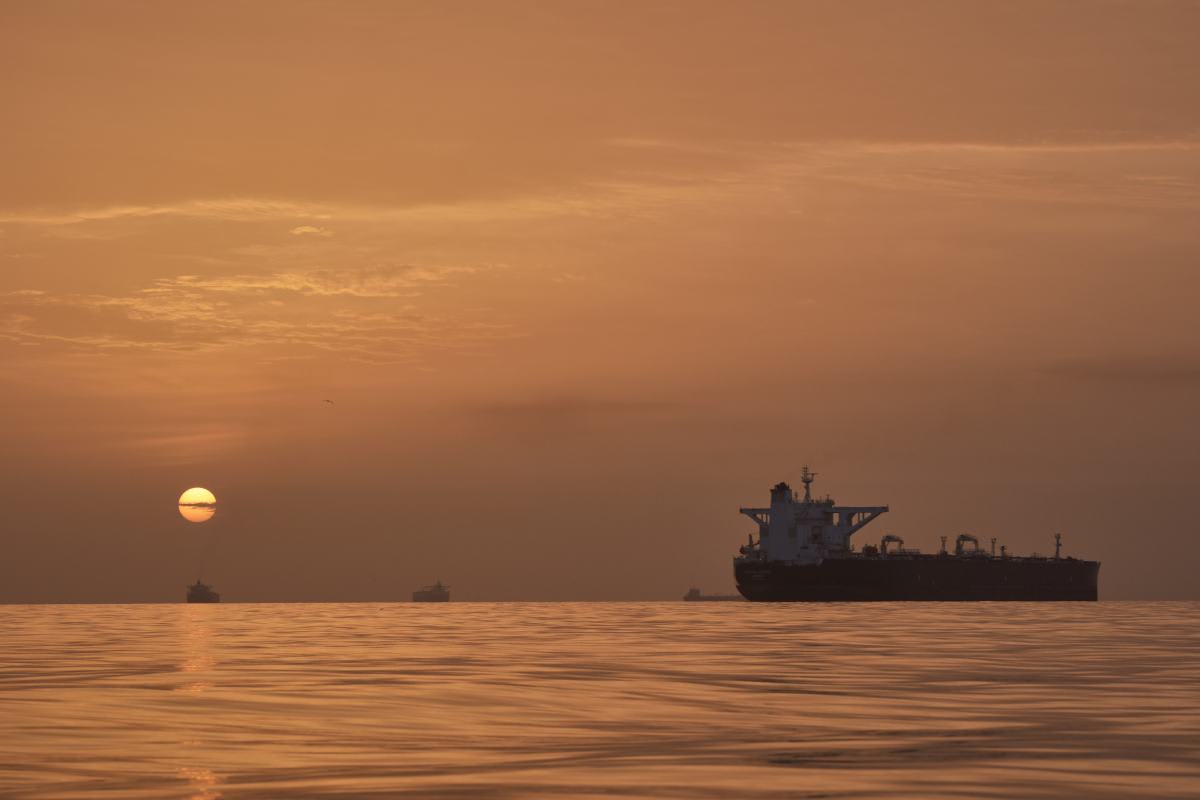
The blockade, which has sharply reduced Iranian oil exports and disrupted shipping through the Strait of Hormuz, remains central to the administration’s strategy as a fragile ceasefire holds and diplomatic talks remain stalled.
White House defends blockade as Trump weighs extending pressure
Deputy White House Press Secretary Anna Kelly defended the administration’s strategy and did not rule out the possibility of extending the blockade for several more months.
“Thanks to the successful blockade of Iranian ports, the United States has maximum leverage over the regime, and the president will only accept a deal that protects the national security of our country,” Kelly said in a statement.
A White House official said Trump discussed contingency plans during meetings with energy executives this week, including how to sustain the blockade if negotiations with Tehran remain deadlocked.
The discussions also focused on mitigating the impact on US consumers, particularly fuel prices, as oil markets react to the disruption.
The administration’s current approach follows Iran’s recent proposal to reopen the Strait of Hormuz in exchange for postponing talks over its nuclear program, an offer Trump rejected.
Officials familiar with the discussions said Trump viewed the proposal as an attempt by Tehran to delay meaningful negotiations while preserving its enriched uranium stockpile. Trump has repeatedly insisted that any agreement must require Iran to abandon nuclear enrichment entirely.

Meanwhile, Iran has refused to enter direct peace talks while the US blockade remains active.
The US military says it has forced at least 39 ships to turn back after attempting to enter or leave Iranian ports in violation of the blockade, while Iran has seized two vessels it accused of violating restrictions in the strategic waterway.
Economic pressure mounts on Iran
Officials say the administration sees economic pressure as its most effective tool, with estimates suggesting Iran may have only weeks of oil storage capacity left under the blockade.
Energy research firm Kpler estimates Iran has between 12 and 22 days of available oil storage remaining before it may be forced to reduce production. Analysts warn that prolonged shutdowns of oil wells can cause long-term operational damage.
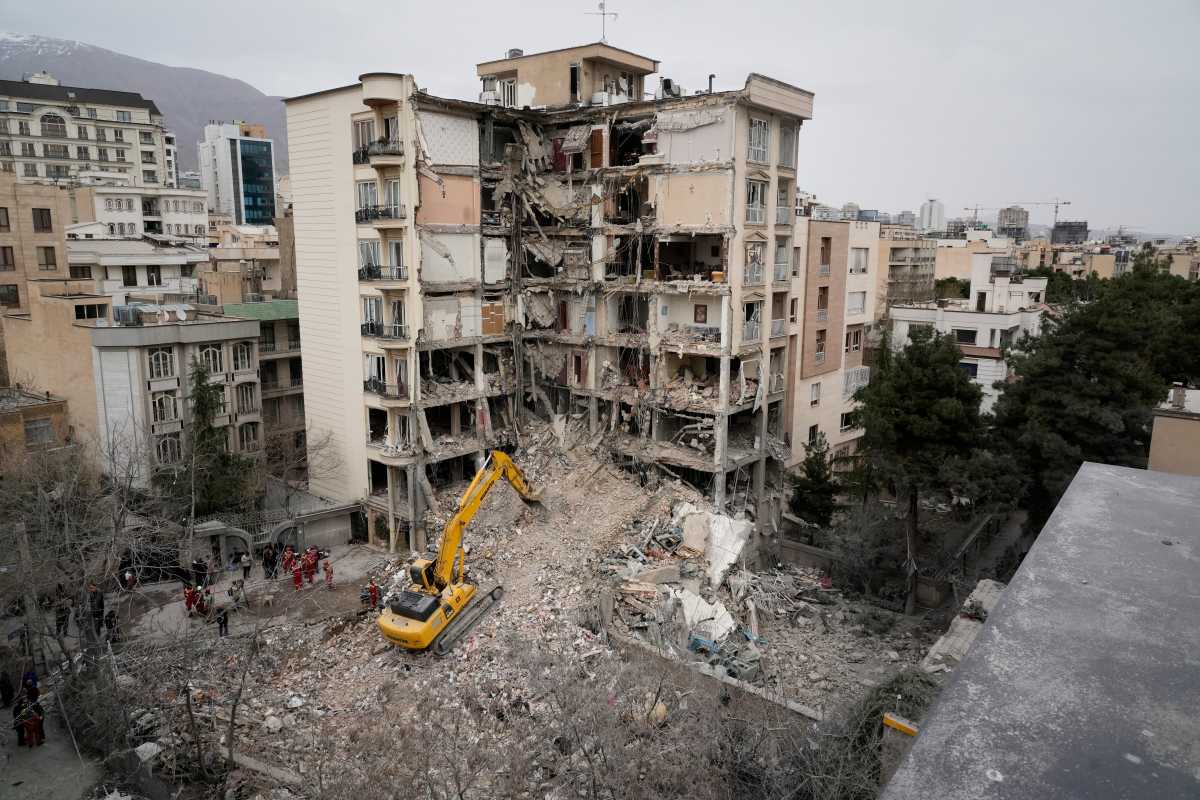
The broader economic toll inside Iran is also mounting. Early estimates cited by Iranian labor officials suggest at least one million people have lost their jobs since the war began, while inflation has surged to 67% year-over-year.
“Living is not affordable anymore,” economist Mahdi Ghodsi said, describing the economic strain facing Iranian households.
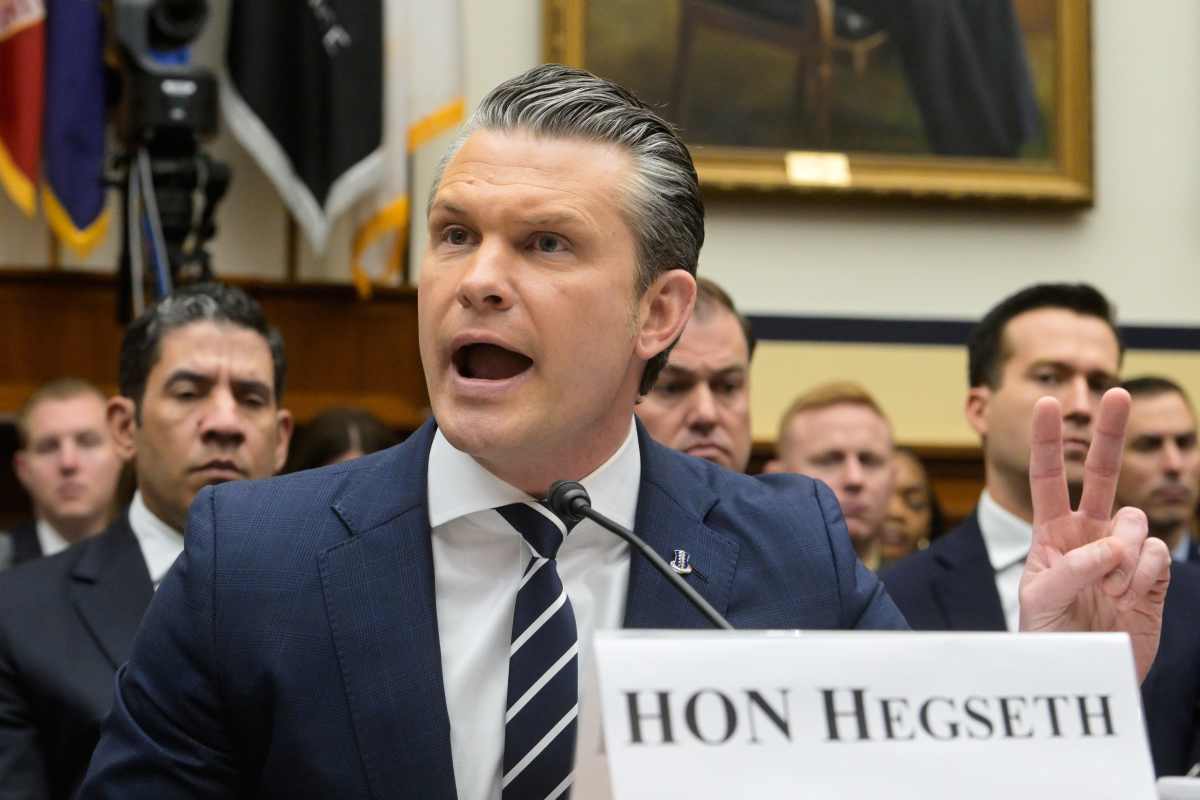
The Pentagon’s top budget official, Jules “Jay” Hurst, told lawmakers that US military operations in Iran have cost an estimated $25 billion so far, marking the first public accounting of the conflict’s financial toll.