Trump holds 'all the cards' as Iran scrambles to reopen Hormuz without giving up its uranium
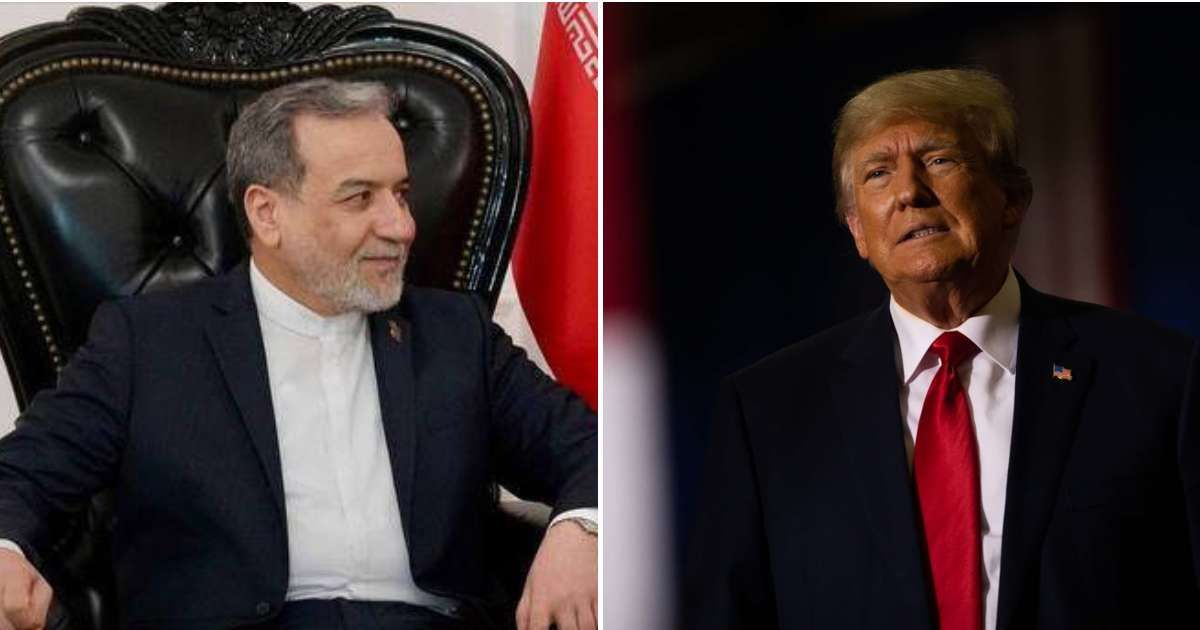
WASHINGTON, DC: The 57-day war has reached a high-stakes phase as Tehran has reportedly submitted a fresh proposal to reopen the Strait of Hormuz in exchange for an extended ceasefire.
According to sources familiar with the matter, Iranian mediators are seeking an end to the US naval blockade that has disrupted their economy, but the proposal does not address the Trump administration’s stated demand for a permanent end to Iran’s nuclear program.
White House Spokeswoman Olivia Wales responded by reiterating the administration’s position, stating the United States will not negotiate through media reports.
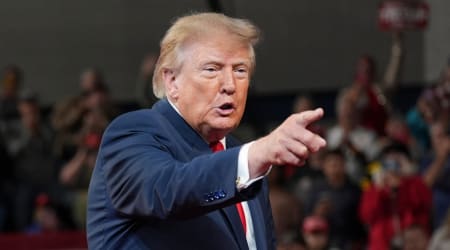
Trump: "I'll deal with whoever runs the show... there's no reason to wait 2 days, have people traveling for 16, 17 hours. When they want, they can call me, we have all the cards."
— Open Source Intel (@Osint613) April 25, 2026
"That whole deal is not complicated: Iran cannot have a nuclear weapon." pic.twitter.com/g0QVg0dfah
“As the president has said, the United States holds the cards and will only make a deal that puts the American people first, never allowing Iran to have a nuclear weapon,” Wales said.
The standoff continues as global energy markets remain affected by Operation Epic Fury, which has significantly reduced oil transit through the Strait.
Hormuz traffic remains sharply below normal levels

Despite claims from Iranian officials that the waterway had reopened earlier this month, shipping data indicates continued disruption.
Between April 24 and April 26, only 21 ships exited the Strait of Hormuz, while just two vessels entered during the same period, according to Kpler tracking data. One of those vessels was identified as a sanctioned crude tanker.
The reduced traffic highlights the ongoing impact of the US naval blockade on Iran’s export capacity.
The Strait, a 21-mile-wide corridor that typically handles roughly one-quarter of global seaborne oil, remains significantly below normal operating levels, contributing to volatility in global energy markets.
Trump predicts imminent infrastructure collapse
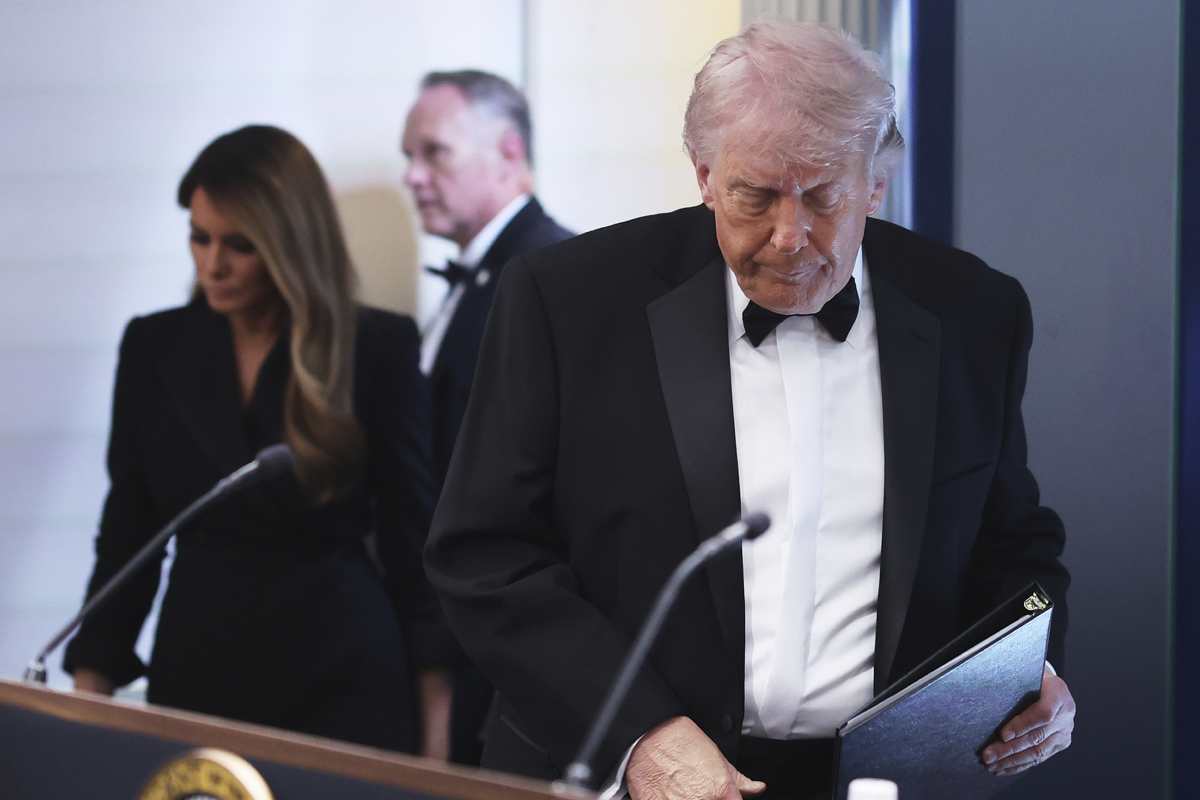
In an interview with 'The Sunday Briefing', President Donald J Trump said Iran’s oil infrastructure could face internal strain due to halted exports.
He argued that continued production without sufficient export capacity could create pressure within pipelines and storage systems.
“When you have vast amounts of oil pouring through your system... if that line is closed, that line explodes from within, both mechanically and in the earth,” Trump said.
Trump: "What happens is that line explodes from within. Both mechanically and in the earth, something happens where it just explodes and they say they only have about 3 days left before that happens. And when it explodes, you can never rebuild it the way it is. It's a very… pic.twitter.com/1ceZbjOjTQ
— Aaron Rupar (@atrupar) April 26, 2026
He added that Iran may have “about three days left” before facing serious operational challenges tied to storage and transport constraints.
The president indicated that limited storage capacity and restricted shipping access are central factors in the current pressure on Iran’s oil sector.
Nuclear stockpile remains the primary roadblock

Negotiations remain focused on Iran’s nuclear program. The June 2025 'Operation Midnight Hammer' targeted three nuclear facilities, but Israeli officials have said parts of Iran’s enriched uranium stockpile remain intact.
US officials have expressed concern that enrichment activities could continue amid the ongoing conflict.
Iran has sought to delay direct negotiations on its nuclear program, a position the White House has rejected. Iranian Foreign Minister Abbas Araghchi has held discussions in multiple countries, including Pakistan and Russia, as part of ongoing diplomatic outreach.
Abbas Araghchi seeks Russian support in St Petersburg
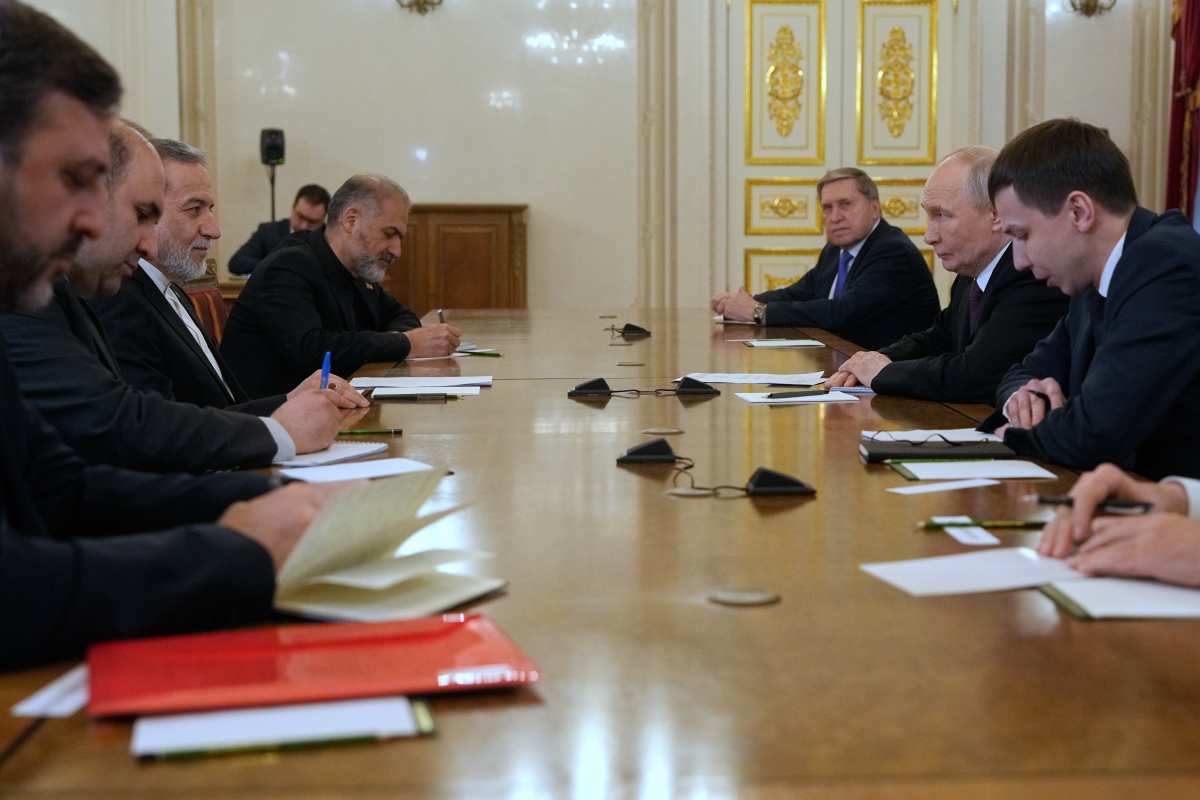
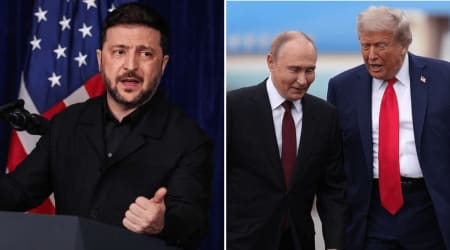
Following recent talks in Pakistan, Araghchi traveled to St Petersburg to meet Russian President Vladimir Putin. Reports indicate Iran is seeking terms that would allow the Strait to reopen without fully relinquishing its uranium stockpile.
The US position remains unchanged, with officials stating that any agreement must ensure Iran does not obtain a nuclear weapon.
As the situation develops, maritime activity in the Strait of Hormuz remains limited, with both sides maintaining their current positions amid continued diplomatic and military pressure.