Iran unable to reopen Strait of Hormuz after losing track of where it placed mines: US officials
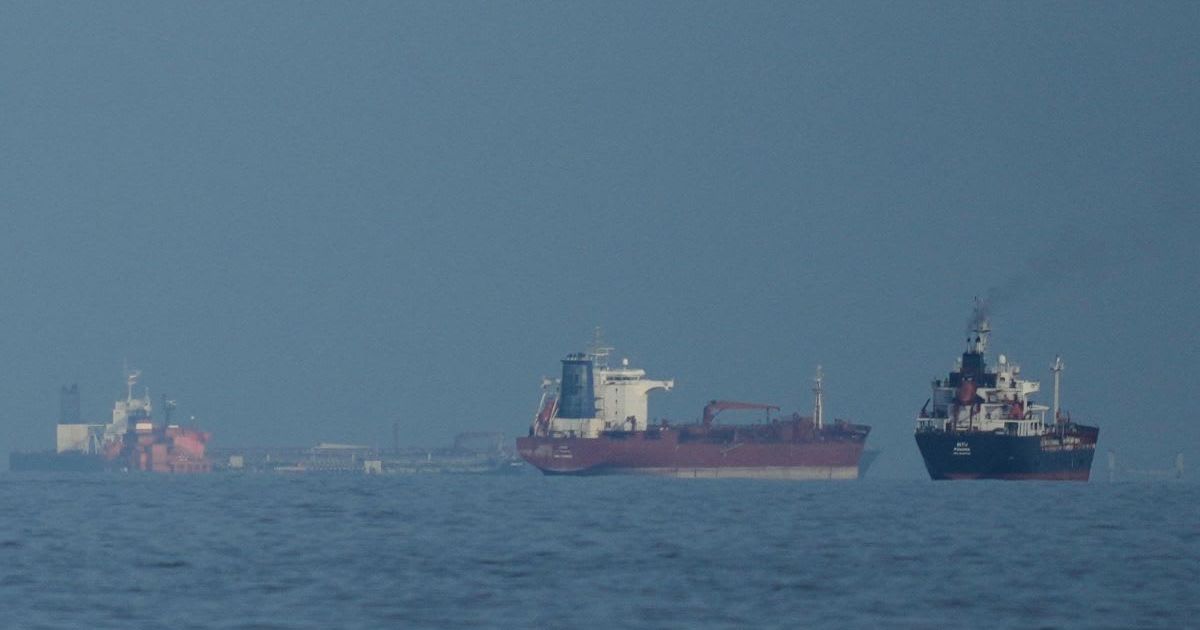
WASHINGTON, DC: Iran’s promise to reopen the crucial oil artery of the Strait of Hormuz has hit a snag because it may not actually know where it parked all its mines.
According to US officials speaking to The New York Times, Tehran has yet to fully restore shipping traffic because it “forgot where it allegedly placed some of the mines it laid in the vital waterway.”
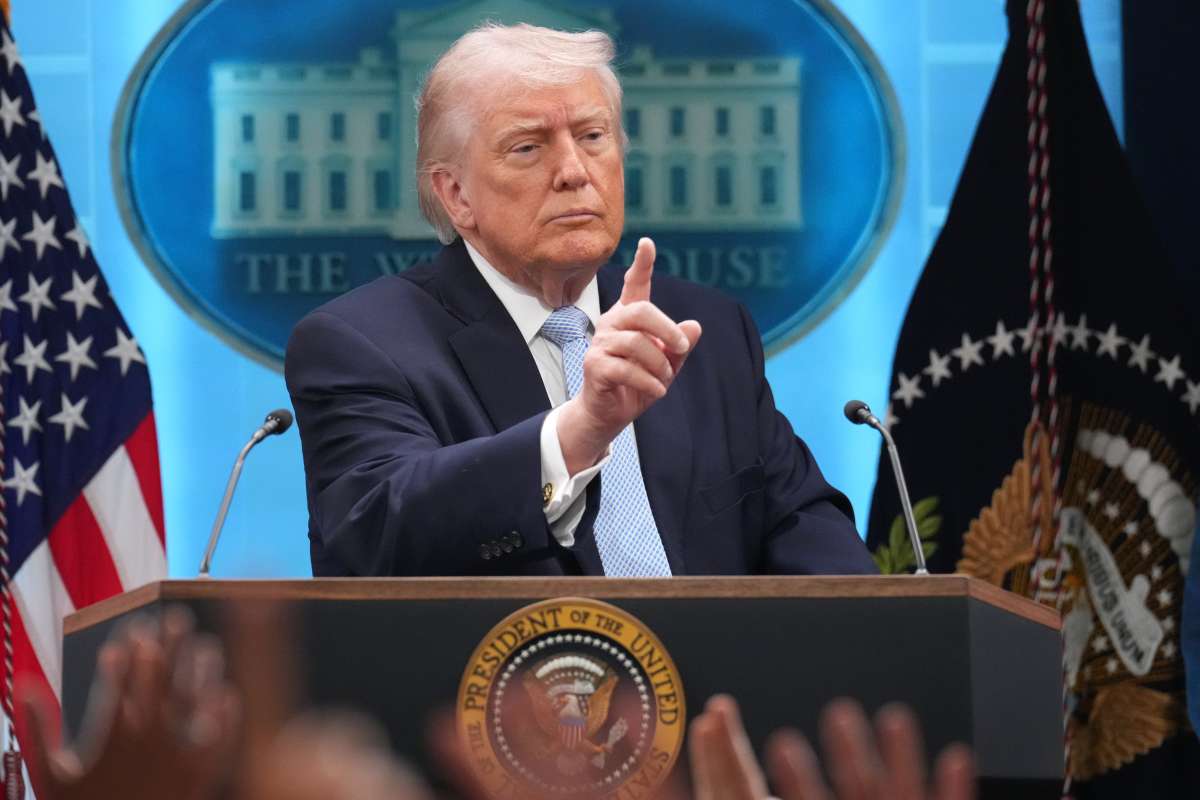
On Tuesday, President Donald Trump announced that Washington and Tehran had agreed to a two-week ceasefire in the war that began on February 28. As part of the arrangement, Trump said Iran would reopen the Strait of Hormuz, a passage responsible for roughly 20% of the world’s oil supply.
But the strait remains largely restricted, with Iran insisting the ceasefire also covered Israel’s ongoing invasion of Lebanon.
Shehbaz Sharif, who helped broker the talks, agreed that a halt in Lebanon was part of the understanding. Trump was reportedly told that Lebanon was included in the agreement, but reversed course after a call with Benjamin Netanyahu.
Iran's unaccounted-for sea mines
Behind the diplomatic confusion lies a more terrifying problem of missing explosives.
US officials, speaking on condition of anonymity, told the Times that unaccounted-for sea mines are the main reason the strait is still only partially open. Iran isn’t exactly denying the complication.
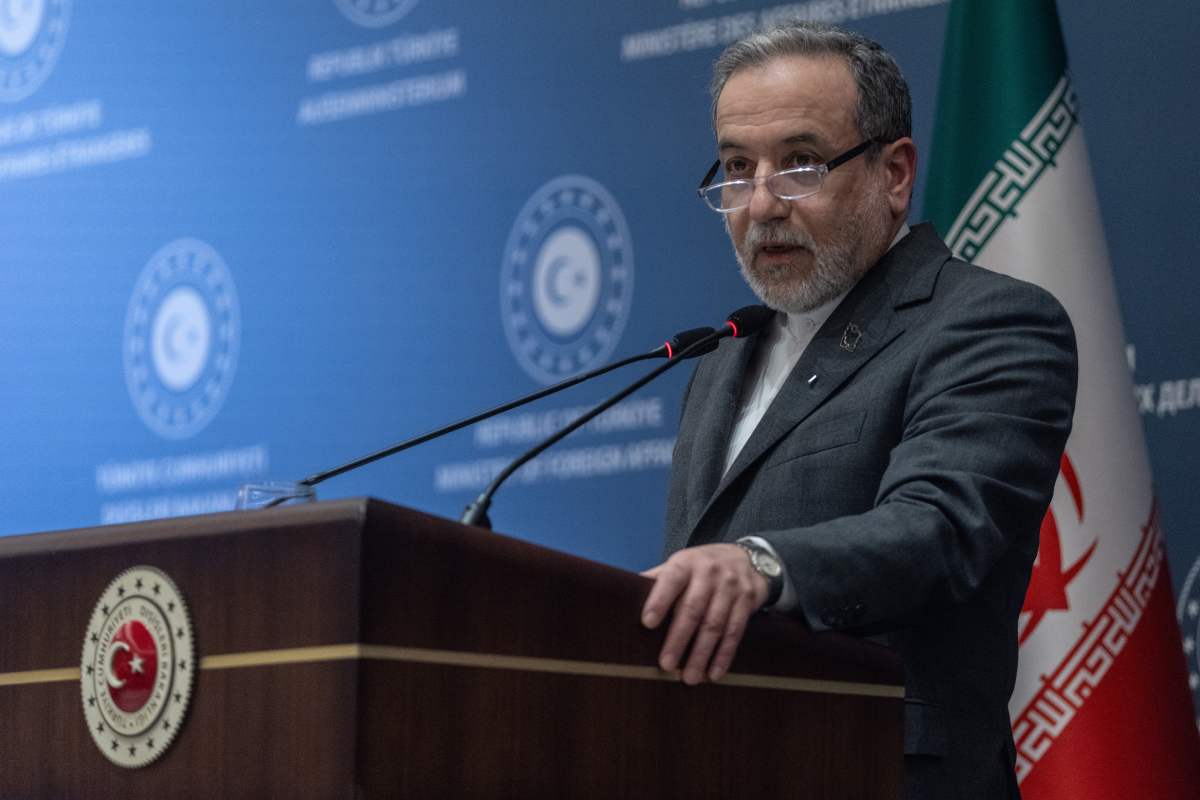
On Wednesday, Iranian Foreign Minister Abbas Araghchi said the strait would reopen "with due consideration of technical limitations.” American officials interpret that phrase as a polite way of saying Iran can’t quickly locate or remove all the mines it deployed.
That has slowed Tehran’s ability to comply with US demands to let more ships through. It’s adding friction just as Iranian negotiators prepare to meet a US delegation led by Vice President JD Vance in Pakistan this weekend for fresh peace talks.
Waterway turned minefield
The mess traces back to last month, when Iran used small boats to scatter mines across the strait shortly after the US and Israel launched military operations against it. Combined with threats of drone and missile attacks, it choked maritime traffic to a near standstill and sent global energy prices climbing.
Iran then said ships willing to pay a toll could pass through a designated corridor. But even that route came with warnings, with Iran’s Revolutionary Guard cautioning that vessels could collide with mines. Meanwhile, semiofficial outlets have circulated charts marking “safe” paths.
Still, those paths may not be as safe or as precise as advertised.
“Those routes are limited in large part because Iran mined the strait haphazardly, US officials said,” the Times reported. “It is not clear that Iran recorded where it put every mine. And even when the location was recorded, some mines were placed in a way that allowed them to drift or move, according to the officials."
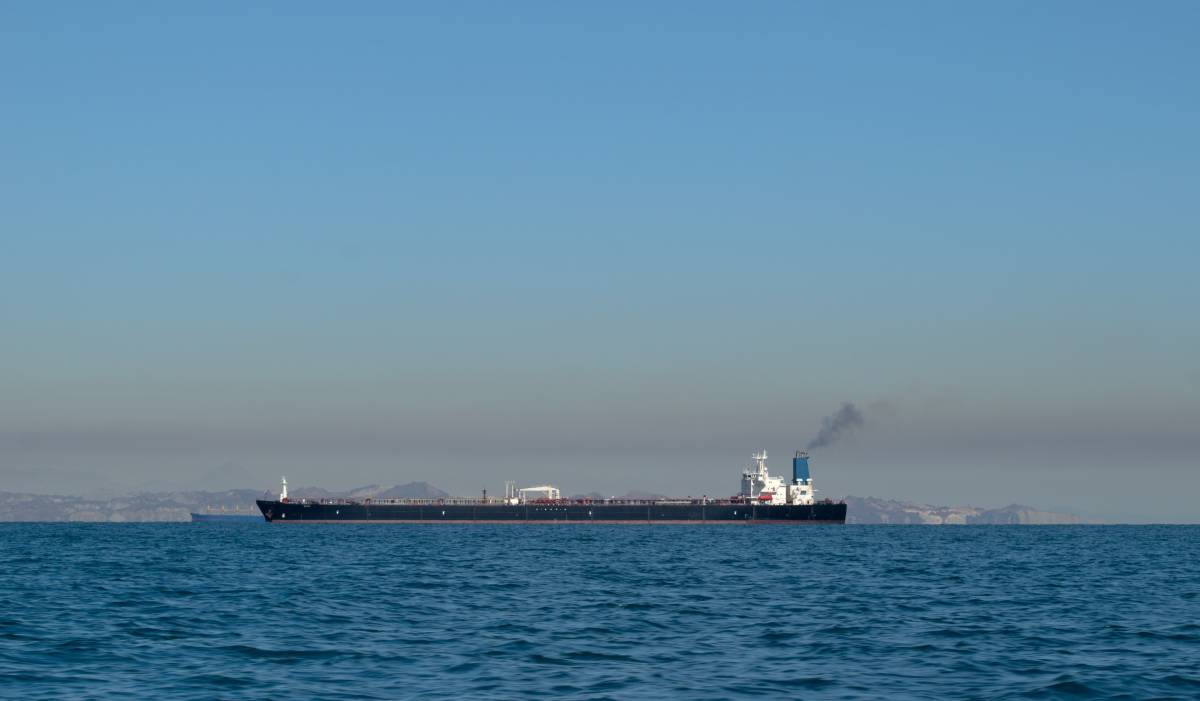
Clearing them isn’t easy either. Like land mines, naval mines are far simpler to deploy than to remove. The US military has limited mine-clearing capacity, relying largely on specialized littoral combat ships, while Iran itself lacks the tools to quickly clean up even its own handiwork.
The uncertainty over the mines isn’t new. The Times had previously cited anonymous US officials saying Iran had seeded the strait, though Trump himself hedged back in March. “If Iran has put out any mines in the Hormuz Strait, and we have no reports of them doing so, we want them removed, IMMEDIATELY!” the president said at the time.