NATO Chief Rutte delivers Trump's Hormuz ultimatum: Alliance must commit or face losing US
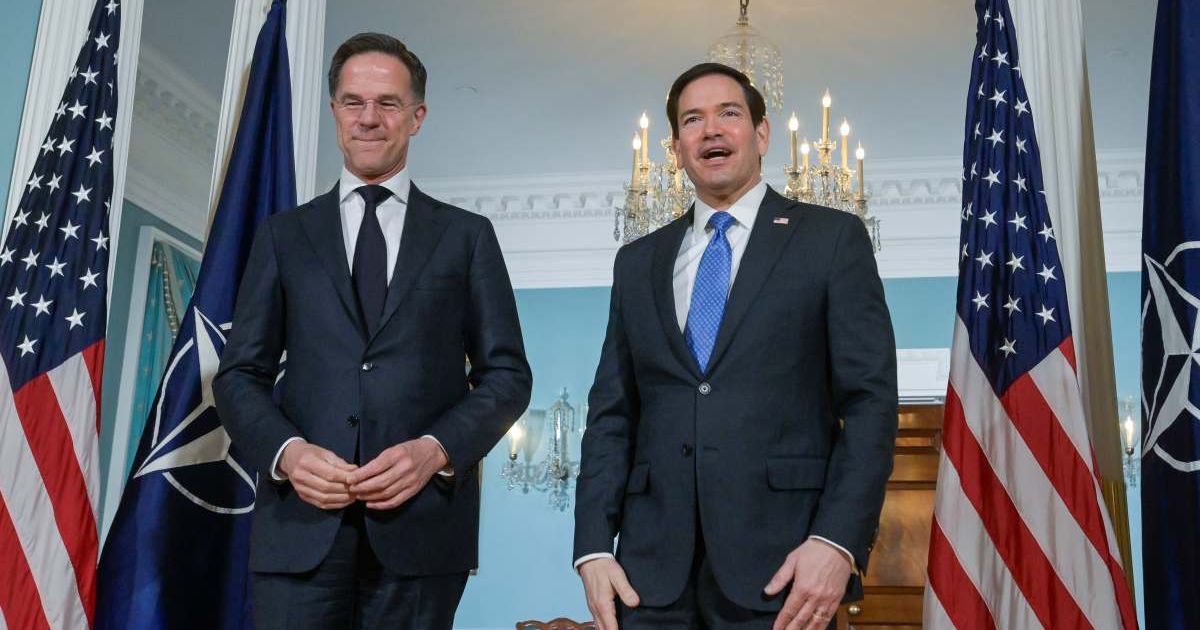
CNN’s Jake Tapper: “How was the meeting? Did [President Trump] say he’s withdrawing?”
— RedWave Press (@RedWavePress) April 8, 2026
NATO Secretary General Mark Rutte: “He’s clearly disappointed with NATO allies, and I can see his point.”
“There is also widespread support for the fact that degrading the nuclear and… pic.twitter.com/EBSOyLdFbb
WASHINGTON, DC: Donald Trump is pushing NATO allies to present concrete plans within days to help secure the Strait of Hormuz, according to diplomats.
After a White House meeting on Thursday, April 9, NATO Chief Mark Rutte relayed the president’s demand, underscoring growing pressure on allies to back the US position in the ongoing conflict involving Iran.
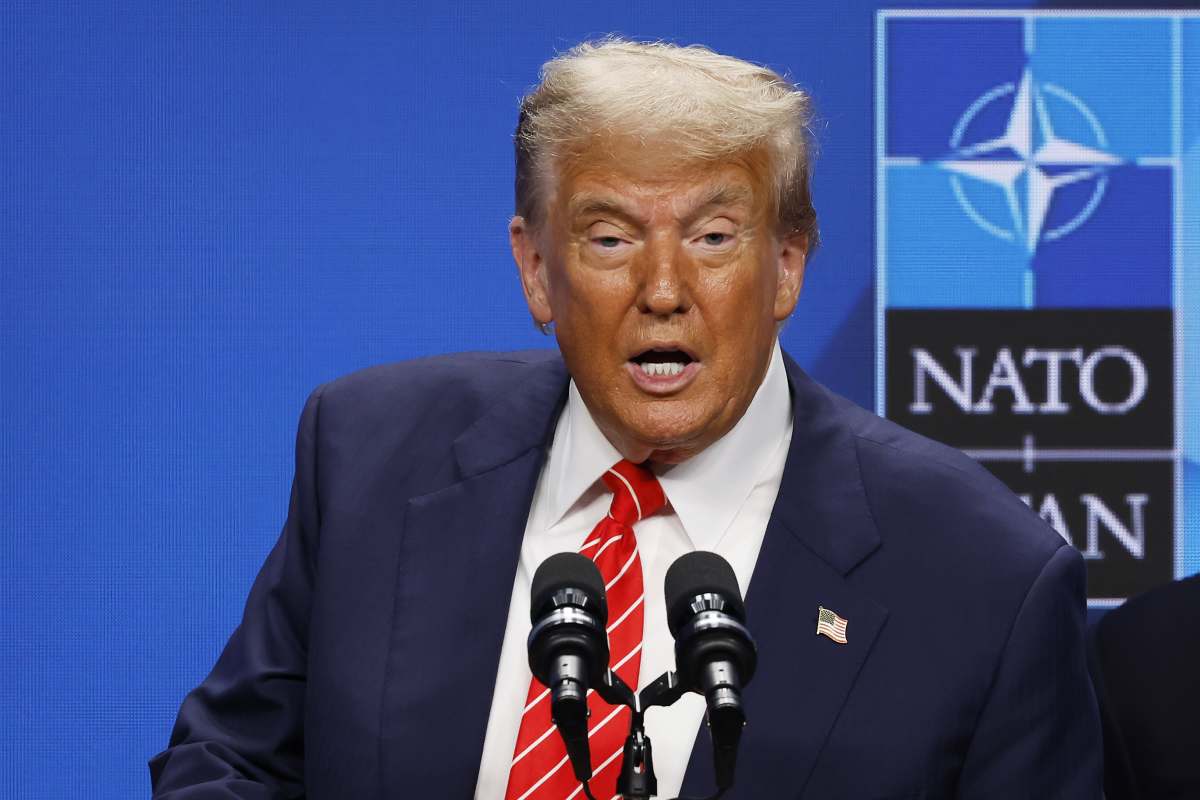
NATO chief signals Trump’s frustration
Speaking after the meeting, Rutte said Trump was “clearly disappointed” with several NATO members for declining to join the US-Israeli military campaign.
Trump has repeatedly criticized the alliance, calling it a “paper tiger” and accusing allies of failing to support Washington when needed.
Trump:
— Clash Report (@clashreport) April 9, 2026
NATO WASN’T THERE WHEN WE NEEDED THEM, AND THEY WON’T BE THERE IF WE NEED THEM AGAIN.
REMEMBER GREENLAND, THAT BIG, POORLY RUN, PIECE OF ICE!!! pic.twitter.com/lBkCh74nLQ
In a post on Truth Social, he wrote that NATO “wasn’t there when we needed them.”
The president has also suggested he could consider withdrawing from NATO, raising fresh concerns about the future of the transatlantic alliance founded more than seven decades ago.
His remarks mark a sharp escalation in rhetoric as tensions over burden-sharing and military commitments intensify.
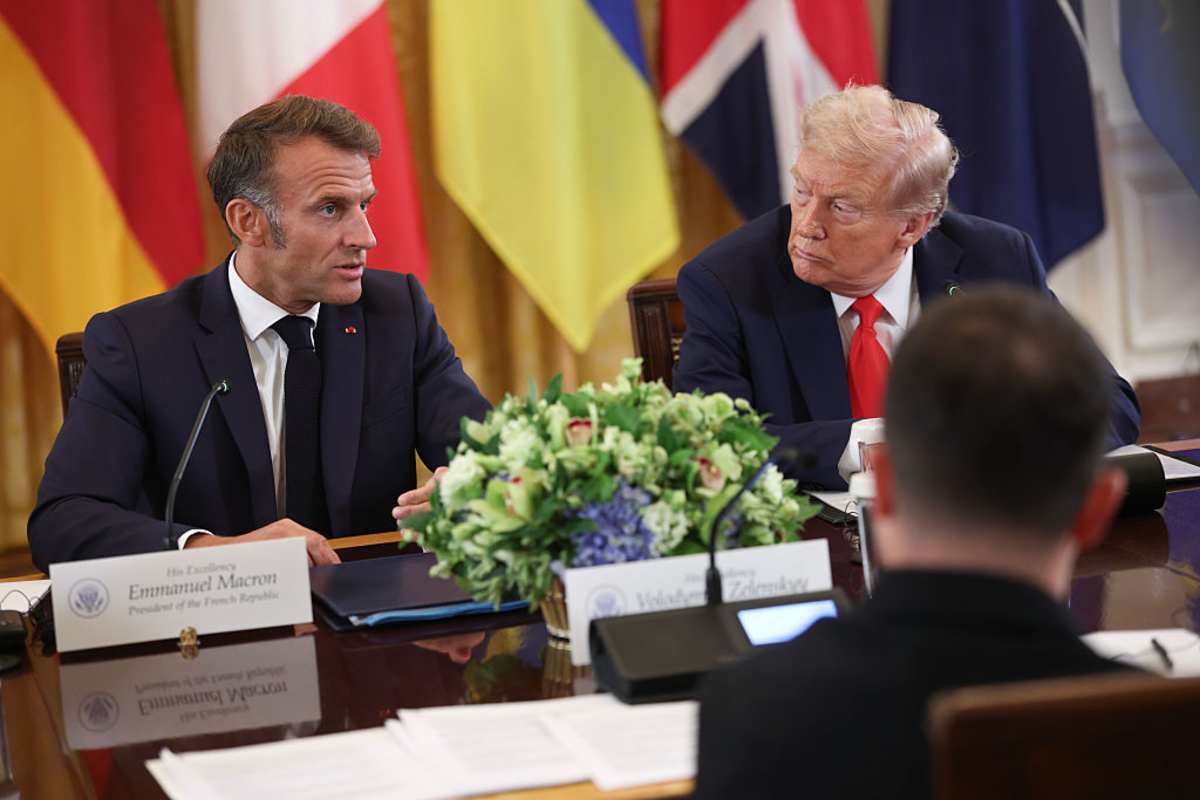
Allies call for clarity on mission
European leaders signaled openness to discussions but stressed the need for a formal request and clear objectives.
Minister of Foreign Affairs of the Republic of Estonia Margus Tsahkna said allies are ready to consider support but require details on the mission and its goals. “We need to plan together,” he noted, highlighting the importance of coordination.
Diplomatic unease has been compounded by the lack of prior consultation. Trump did not seek NATO backing before launching the joint military campaign with Israel, instead urging allies to join after operations had already begun.
The move has deepened divisions within the alliance, as members weigh strategic risks and political implications of further involvement.