European leaders press for 'swift end to war' as two-week Iran ceasefire clock starts
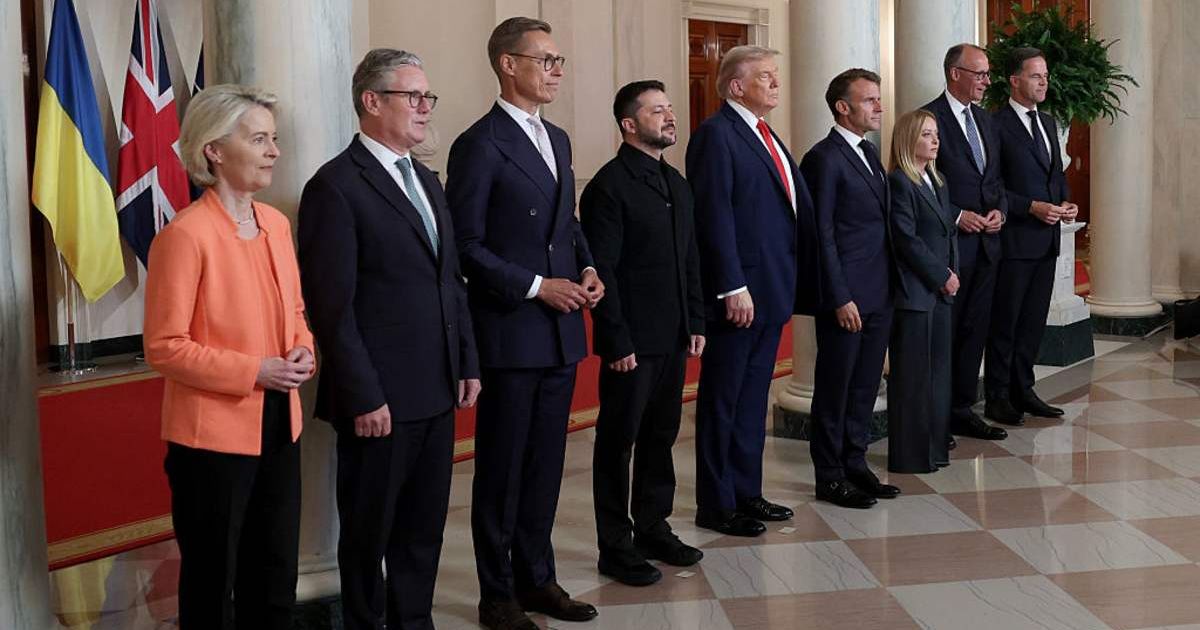
PARIS, FRANCE: Leaders from across Europe on Wednesday, April 8, welcomed the ceasefire between the United States and Iran, urging immediate progress toward a comprehensive and lasting agreement to end the conflict.
In a joint statement, figures including French President Emmanuel Macron, Italian Prime Minister Giorgia Meloni and German Chancellor Friedrich Merz stressed that diplomacy must now take center stage.
“The goal must now be to negotiate a swift and lasting end to the war within the coming days,” the leaders said, calling for “quick progress toward a substantive negotiated settlement.”
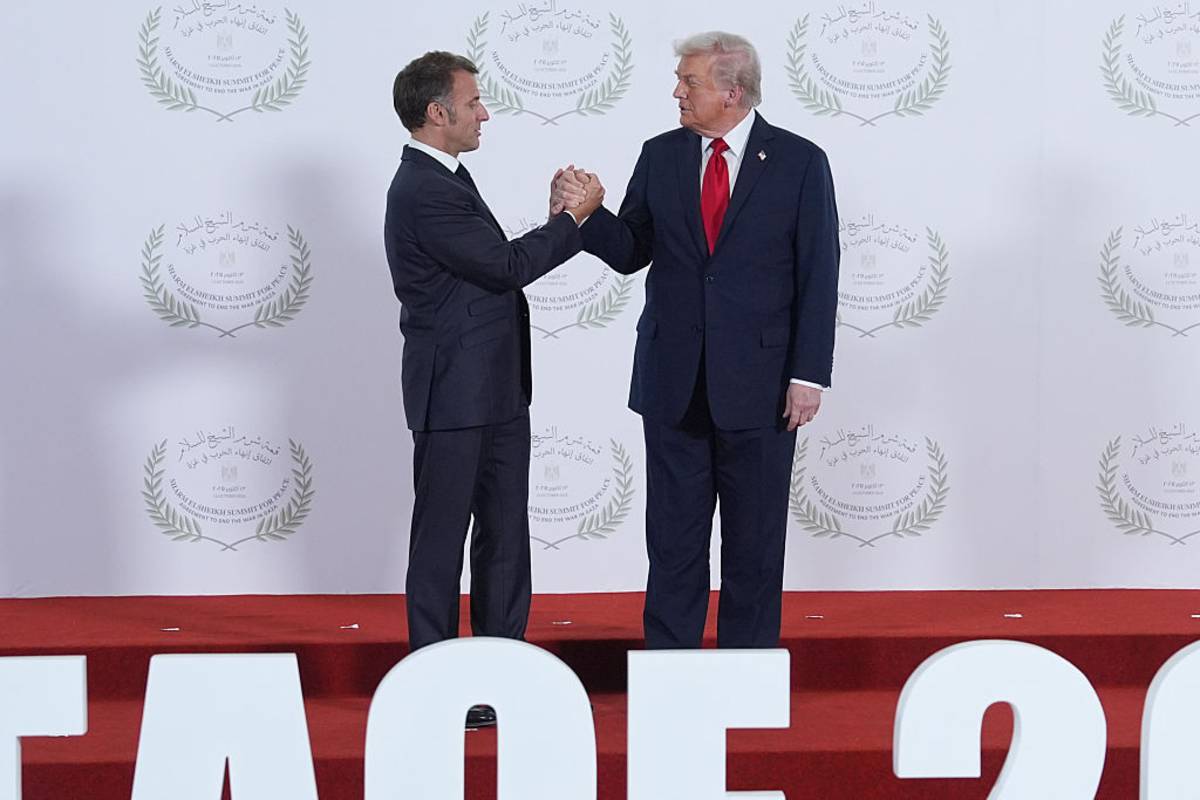
Broad coalition backs peace efforts
The statement brought together a wide coalition of Western leaders, including UK Prime Minister Keir Starmer, Canadian Prime Minister Mark Carney, Denmark’s Mette Frederiksen, Dutch Prime Minister Rob Jetten and Spain’s Pedro Sánchez.
They were joined by top EU officials, including Ursula von der Leyen and António Costa, reflecting a unified European position.
Leaders said they remain in close coordination with Washington and other international partners to ensure the ceasefire holds and transitions into a durable peace framework.

The leaders emphasized that all parties must fully implement the ceasefire, extending it beyond immediate flashpoints to include areas like Lebanon.
They also underscored the importance of safeguarding global trade routes, pledging support for maintaining freedom of navigation through the Strait of Hormuz, a key artery for global energy supplies.
Global reactions highlight fragility of truce
Individual leaders echoed cautious optimism while warning that the ceasefire remains delicate.
Costa praised mediation efforts by Pakistan and others, stating that the European Union stands ready to assist further negotiations.
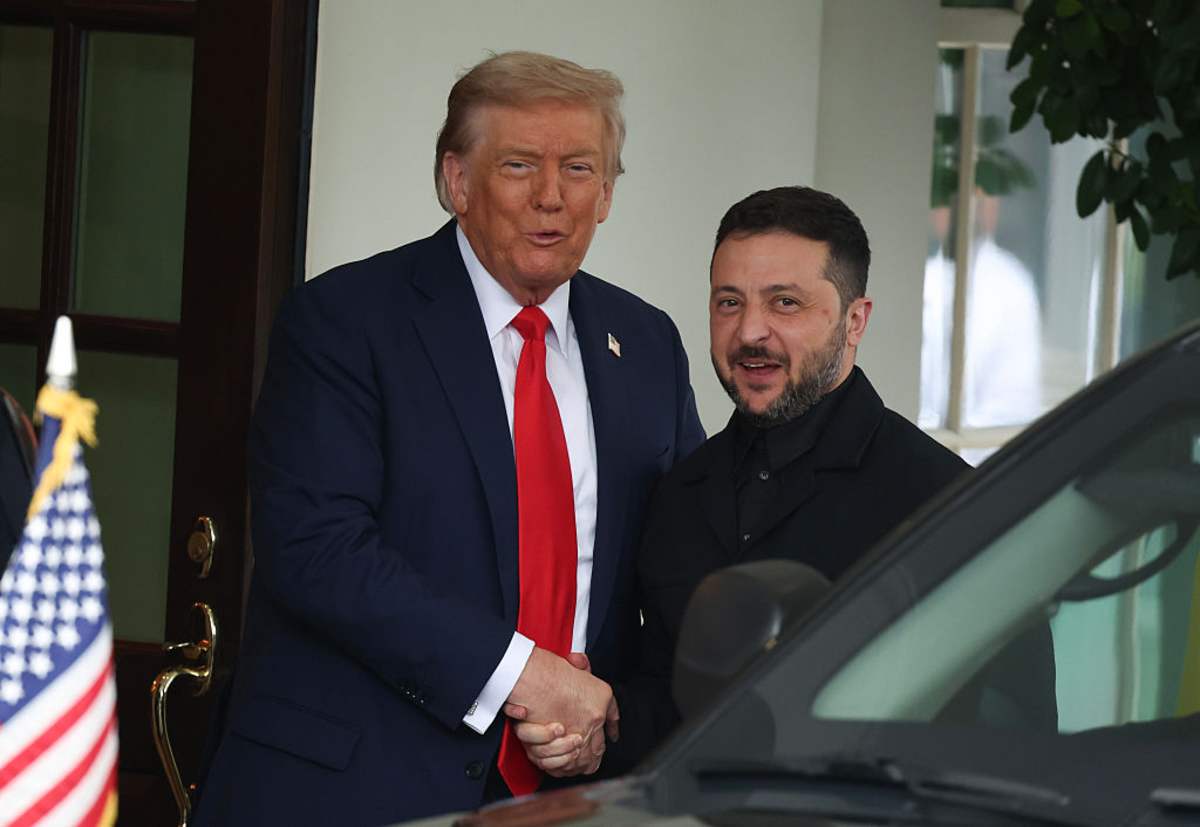
Meanwhile, Ukrainian President Volodymyr Zelenskyy called the ceasefire “the right decision,” linking it to broader calls for ending conflicts globally.
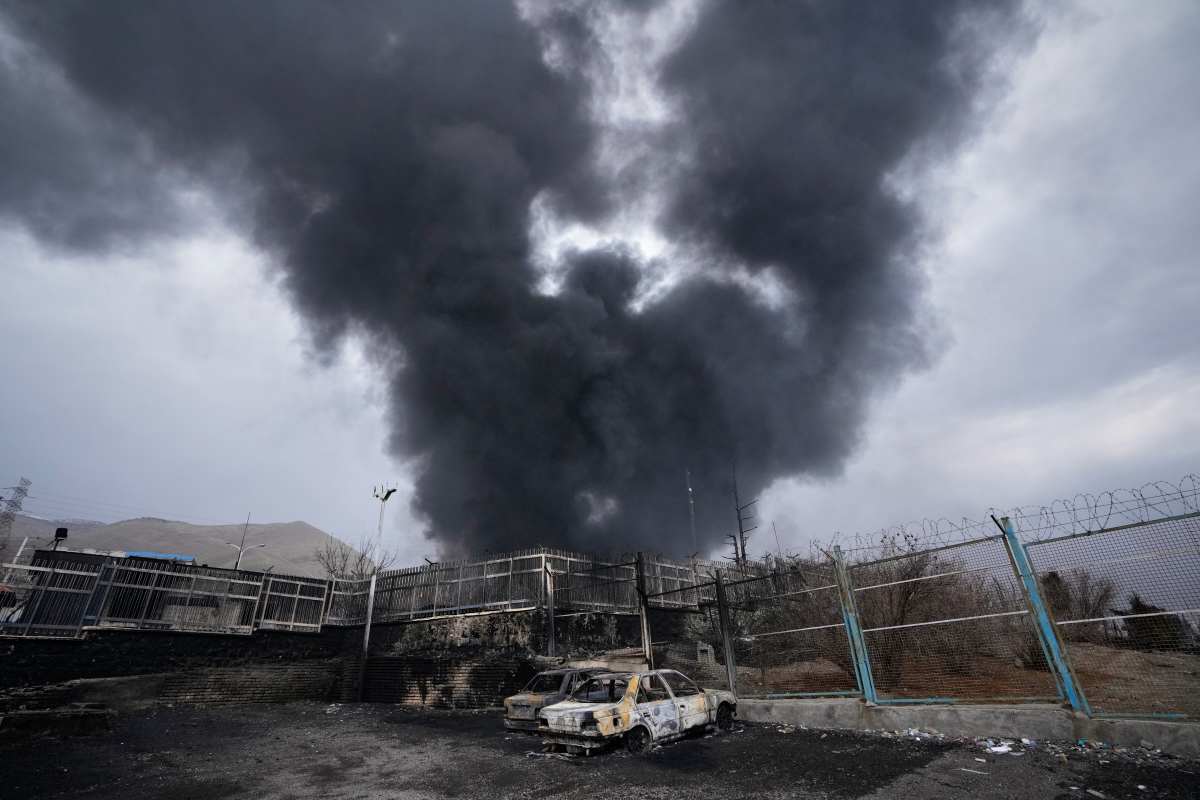
Spain’s Sánchez welcomed the truce but warned against complacency, noting that the devastation caused by the war should not be overlooked.
Ireland’s Foreign Minister Helen McEntee described the ceasefire as a crucial step following a dangerous escalation, urging it to be expanded comprehensively.
Calls for de-escalation and nuclear restraint
Macron described the ceasefire as “a very good thing,” reiterating France’s commitment to de-escalation and protecting its interests in the region.
Italy’s Foreign Minister Antonio Tajani emphasized that preventing Iran from acquiring nuclear weapons remains a key priority, while also welcoming the halt to strikes on civilian areas.
Starmer said the truce offers “a moment of relief” but stressed the need to convert it into a lasting agreement, including reopening the Strait of Hormuz.
With the ceasefire set for just two weeks, European leaders warned that the coming days would be decisive.

Dutch Foreign Minister Tom Berendsen said it is “vital” that all sides uphold the truce and use the limited window to secure a sustainable resolution.