Vance says Iran ceasefire 'fragile' as US pushes for breakthrough in looming talks
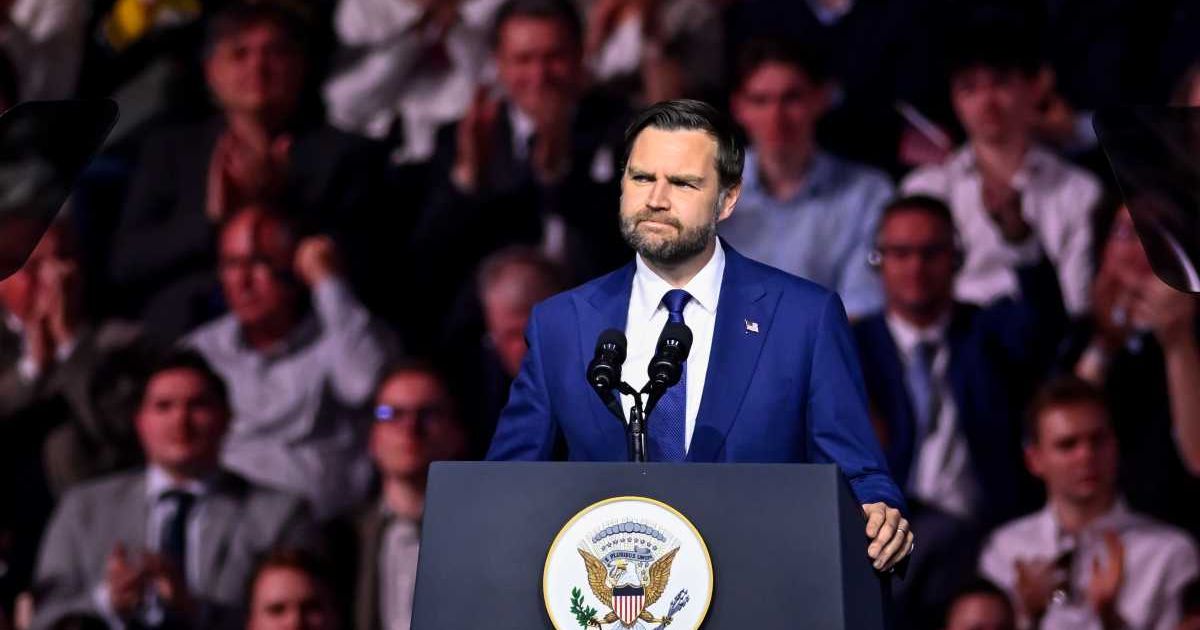
BUDAPEST, HUNGARY: US Vice President JD Vance on Wednesday, April 8, described the ongoing two-week ceasefire between Washington and Tehran as a “fragile truce,” cautioning that its success hinges on Iran’s willingness to negotiate in good faith.
Speaking during a visit to Hungary, Vance said the United States remains open to a diplomatic resolution but warned that any attempt by Iran to undermine the agreement would draw a firm response.
“If the Iranians are willing in good faith to work with us, I think we can make an agreement,” he said, adding that any deception or obstruction could jeopardize the already delicate pause in hostilities.
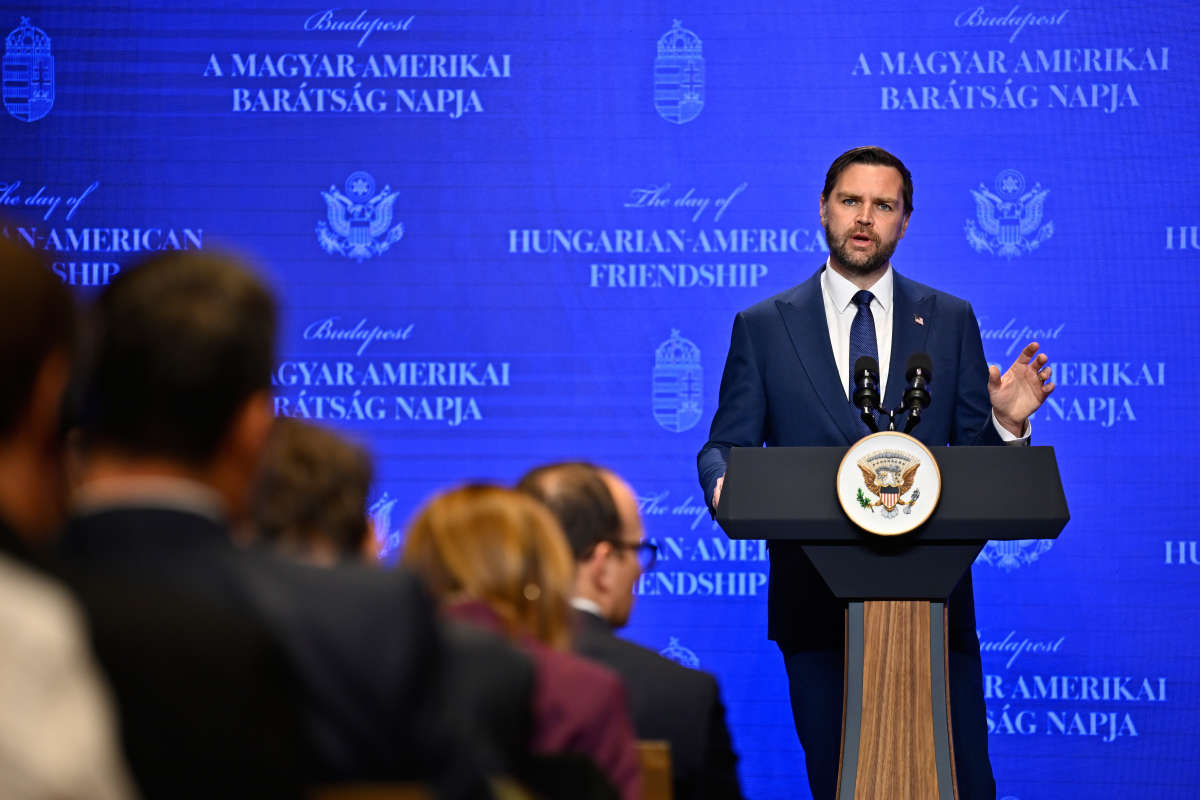
Vance warns of consequences, if ceasefire is breached
Vance stressed that while diplomacy remains the preferred path, the US retains significant leverage across multiple fronts. He pointed to military strength, diplomatic channels, and economic pressure as tools still at Washington’s disposal.
“The president has told us not to use those tools… but if the Iranians don’t do the exact same thing, they’re going to find out that the president of the United States is not one to mess around,” he said, referring to President Donald Trump.
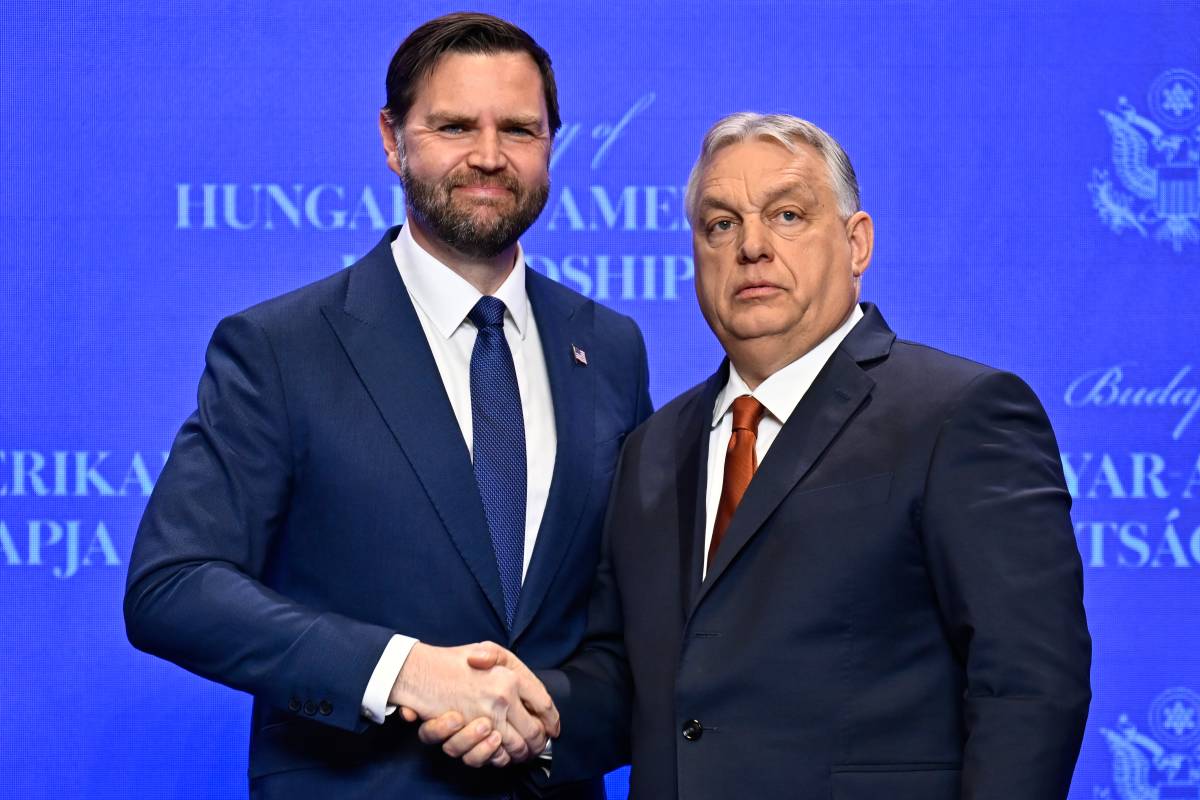
Ceasefire terms include pause in US military strikes for two weeks
The temporary truce, announced by Trump late Tuesday, includes a pause in US military strikes for two weeks, contingent on Iran reopening the Strait of Hormuz.
The critical shipping route, which had been effectively closed for weeks, is vital for global energy supplies and remains a central point of leverage in the conflict.
Trump said a 10-point proposal from Tehran offers a “workable basis” for negotiations, suggesting that several contentious issues may be nearing resolution.
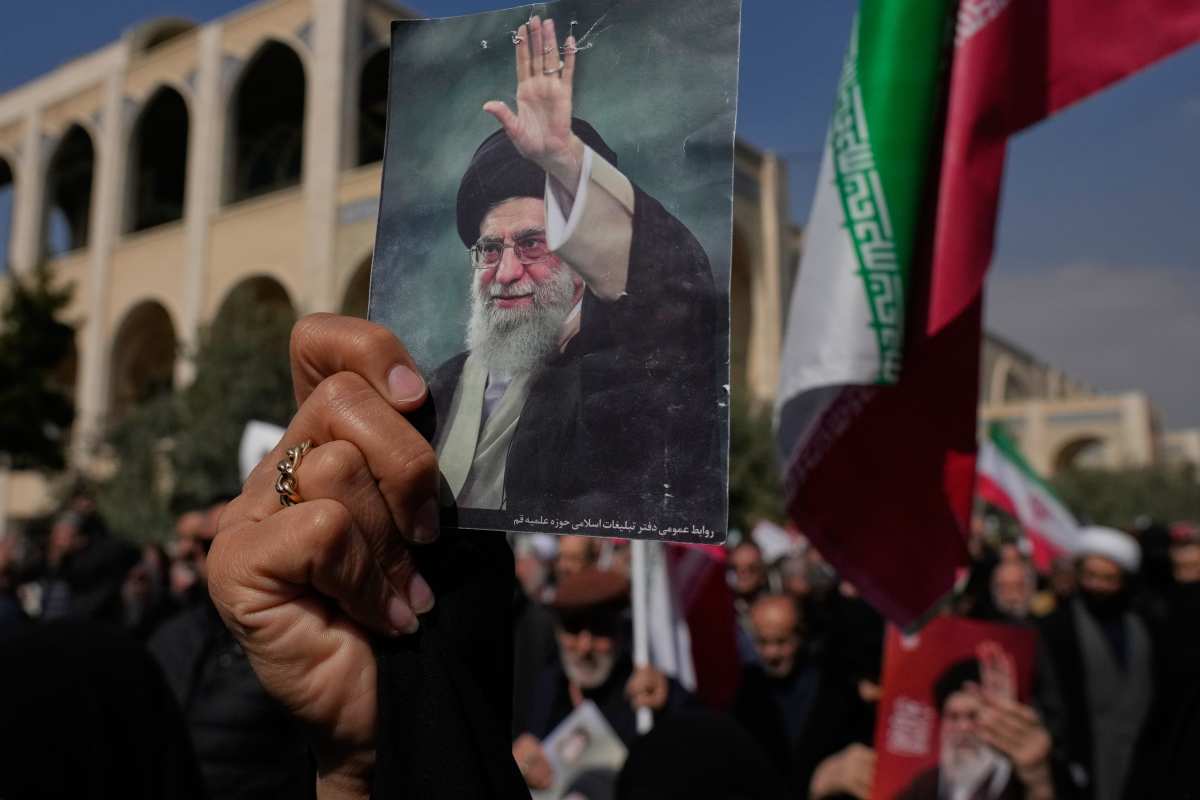
Iran’s proposal and key demands
According to reports, Iran’s proposal includes maintaining control over the Strait of Hormuz, a withdrawal of US military presence from the Middle East, and the lifting of both primary and secondary sanctions.
These demands underscore the wide gap that still exists between the two sides, particularly on security guarantees and economic relief.
Diplomatic efforts are set to intensify, with talks expected to take place in Islamabad on Friday. Pakistan has emerged as a key intermediary in facilitating communication between the US and Iran.
White House press secretary Karoline Leavitt said discussions about in-person meetings are ongoing, though no final arrangements have been confirmed.
The ceasefire follows a period of heightened rhetoric and brinkmanship. Earlier in the day, Trump warned of catastrophic consequences if a breakthrough was not achieved, saying “a whole civilization” could be at risk without a deal.
While the immediate threat of escalation has eased with the truce, officials on both sides acknowledge that the situation remains volatile.
With just a two-week window to secure a broader agreement, the coming days are expected to be decisive in determining whether the fragile pause can evolve into a lasting peace or collapse into renewed conflict.