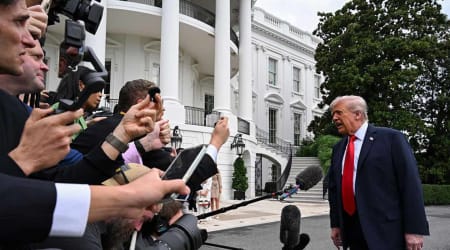
Trump moves to track bank customers' citizenship in broad immigration crackdown
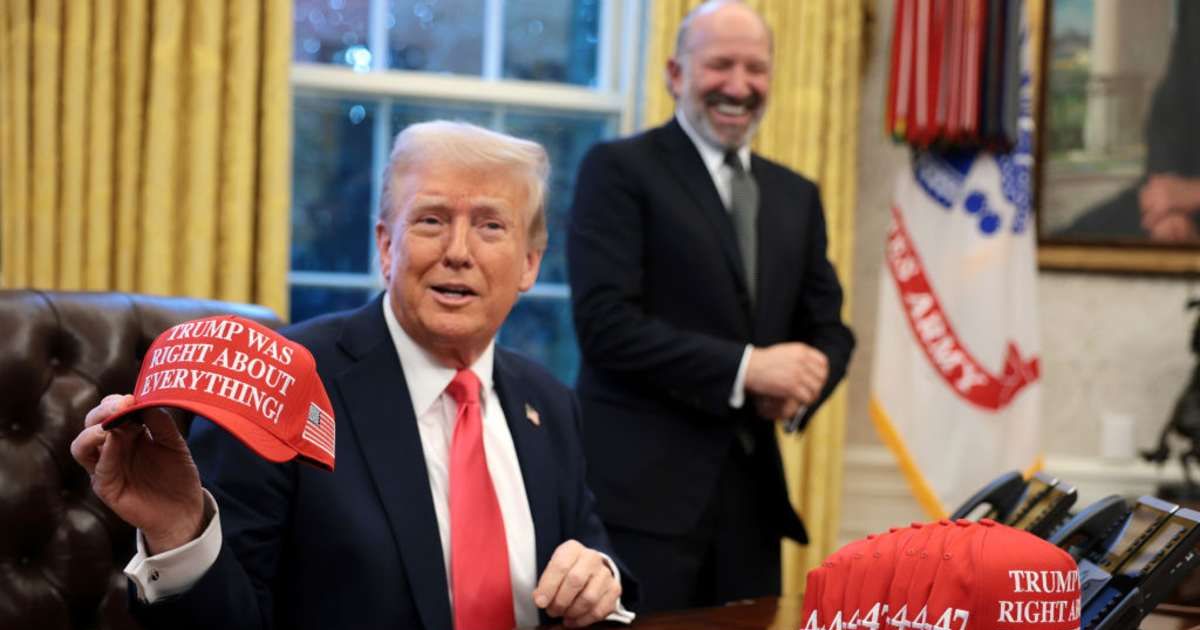
WASHINGTON, DC: A sweeping new move by President Donald Trump is set to push immigration enforcement deeper into America’s financial system, with the president ordering banks to pay closer attention to the citizenship status and financial activity of customers.
The executive order, signed Tuesday, May 19, signals a dramatic escalation in the administration’s crackdown on undocumented immigration and cross-border financial activity, while also raising fresh fears among banking groups about privacy concerns, compliance burdens and millions potentially being pushed outside the traditional banking system.
🚨 JUST IN: President Trump has just signed an executive order to CRACK DOWN on ILLEGAL ALIEN fraudsters and other criminals in the banking system
— Eric Daugherty (@EricLDaugh) May 19, 2026
🔥🔥
Treasury Sec. Scott Bessent has just been directed to ensure banks can collect IMMIGRATION STATUS and WORK AUTHORIZATION info… pic.twitter.com/7Sc8VIPQNi
Trump administration targets 'red flags'
Under the new order, the Treasury Department will issue updated guidance instructing banks and financial institutions to watch for specific warning signs tied to immigration-related financial activity.
Among the indicators highlighted by the administration are alleged payroll tax evasion schemes, efforts to conceal identity, suspicious use of third-party payment platforms, labor trafficking concerns, and the use of Individual Taxpayer Identification Numbers to open accounts or obtain credit.
In the executive order, Trump framed the crackdown as both a national security and public safety measure.
“My Administration will not tolerate national security and public safety risks caused by illicit cross-border financial activity,” the order states, adding that the White House also wants to address risks created by extending financial services to “inadmissible and removable” immigrants.
The order doesn’t force banks to collect citizenship data from every customer, but it still marks one of the strongest pushes to link immigration enforcement with banking.
The administration also warned that IDs issued by foreign embassies and consulates could threaten the integrity of the US banking system.
The latest order also calls for regulators to revisit portions of the Bank Secrecy Act and strengthen customer due diligence requirements across financial institutions.
Order triggers alarm inside system
Banks, meanwhile, reportedly caution that the crackdown could drive millions out of the formal financial system.
The policy is already triggering alarm bells inside banking and financial circles.
Industry executives and lobbying groups reportedly warned administration officials that tighter scrutiny requirements could become expensive, operationally disruptive, and potentially drive large numbers of immigrants away from regulated banks entirely.
Trump's political adversaries have also spoken out against the unintended consequences of the order.
Illegal aliens take out loans that they never intend to repay.
— Senator Jim Banks (@SenatorBanks) May 20, 2026
Americans are left with the bill.
Now, President Trump is instructing the CFPB to look into tightening restrictions on lending to illegal aliens.
This is a great way to protect American consumers! https://t.co/uHQpM9SvpM
Some analysts cautioned that forcing vulnerable populations out of mainstream banking could unintentionally create bigger problems for regulators and law enforcement.
The changes are expected to particularly affect recipients of programs like Deferred Action for Childhood Arrivals and Temporary Protected Status holders, many of whom rely on ITINs and alternative documentation to access financial services legally.
Treasury Secretary Scott Bessent had previously hinted that stronger banking verification rules were under consideration, arguing the government needed greater visibility into who participates in the US financial system.
The move now sets up a new collision between immigration enforcement, banking access, and civil liberties, one likely to intensify as the 2026 election cycle accelerates.