Judge declined to halt Trump's $1.776B 'Anti-Weaponization Fund', warns DOJ : 'Don't play possum'
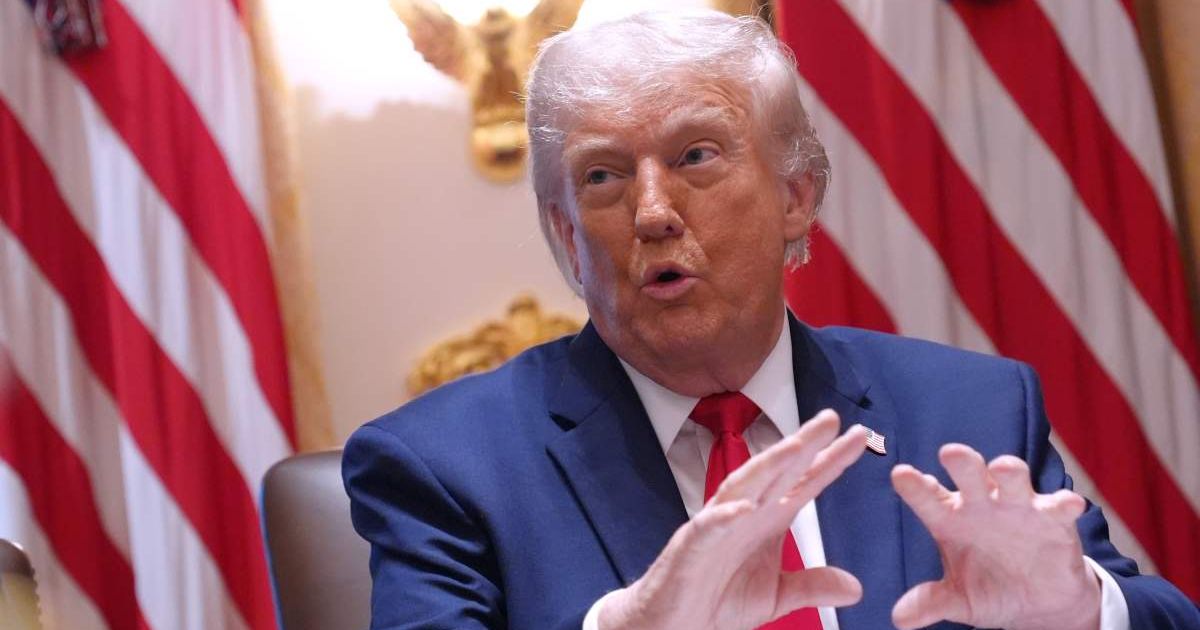
WASHINGTON, DC: A federal judge has declined to block the Trump administration's $1.776 billion "Anti-Weaponization Fund" after accepting the Justice Department's assurance that the initiative will not proceed.
While denying the request for a temporary restraining order, District Judge Richard Leon sternly cautioned the government against deceptive legal maneuvers, warning them, "Don't play possum with this court."

Judge weighs government arguments against Watchdog suit
The court’s decision stems from the government’s position that the legal challenge filed by the watchdog group Citizens for Responsibility and Ethics in Washington is now moot because Acting Attorney General Todd Blanche has publicly declared that the Justice Department is "not moving forward with the fund."
During the hearing, Judge Leon said that "not persuaded a live controversy remains," as the government has maintained that no board members have been appointed, no administrative processes have been established, and no funds have been disbursed.
This ruling marks a significant initial victory for the Justice Department, though the judge noted that he will handle the organization's request for a preliminary injunction in a separate decision.
Acting Attorney General Todd Blanche on anti-weaponization fund: "We're not moving forward with the fund. Period."@RepGraceMeng: "Not moving forward ever?"
— CSPAN (@cspan) June 2, 2026
Blanche: "Correct." pic.twitter.com/WhKctKMDd3
Legal arguments persist over fund’s active status
Despite the judge’s ruling, the litigation highlighted significant tensions regarding the formal status of the fund.
Nikhel Sus, representing the watchdog group, argued that the fund's charter remains active because its status has not been modified in writing by all involved parties.
Sus emphasized that the acting Attorney General’s verbal commitment does not constitute a legally binding rescission of the policy, pointing out that President Trump himself has not publicly rejected the fund.
When questioned by the judge as to why the government has not formally rescinded the order, the Justice Department’s attorney, Andrew Block, only reiterated the acting attorney general’s verbal stance.
.@DailyCaller’s @ReaganReese_: “Can you explain why you decided to drop the anti-weaponization fund?”
— Curtis Houck (@CurtisHouck) June 3, 2026
President Trump: “So, I love it. I think it’s so important. People were — this is a victim right here. But not only a victim. He was also a student of it. What happened to great… pic.twitter.com/Zu8flEiYkx
The court acknowledges the political context
Throughout the proceedings, the court acknowledged the broader political landscape surrounding the controversy.
Judge Leon remarked that the president "may be doing what he's doing for political benefit" regarding the fund, which was created to resolve a lawsuit filed by Donald Trump against the IRS regarding the disclosure of his tax returns.
The fund has faced intense bipartisan criticism, with Democratic lawmakers specifically labeling the initiative a "slush fund" intended for the president's political allies.
As the legal battle continues, Judge Leon signaled his awareness of the peculiar nature of the proceedings, stating, "This whole case is unusual, to say the least."