Trump’s anti-weaponization fund to be scrapped after backlash
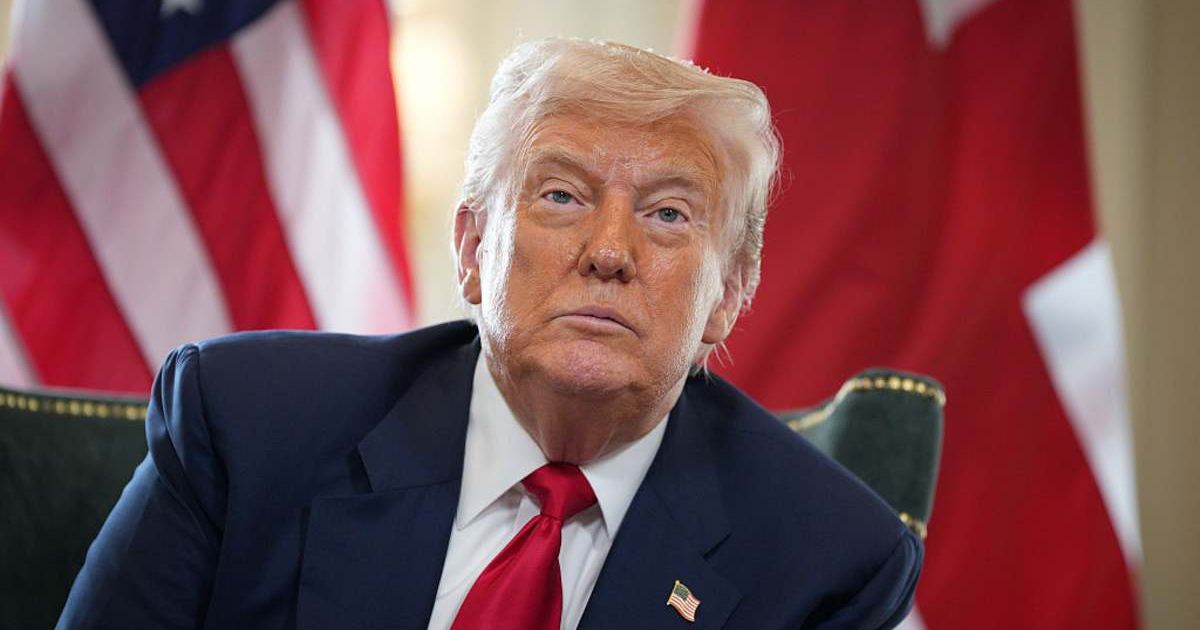
WASHINGTON, DC: After weeks of backlash against the controversial $1.8 billion anti-weaponization fund, which was proposed to be created in exchange for Trump’s lawsuit settlement with the Internal Revenue Service, the fund has reportedly hit a dead end.
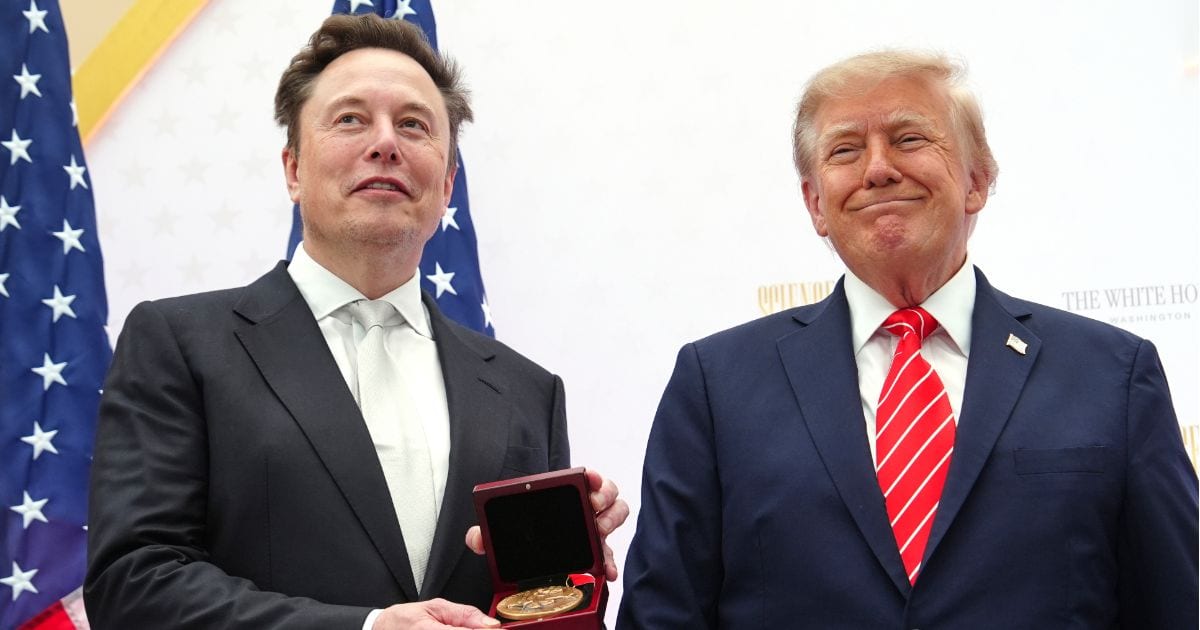
The report came after President Donald Trump and Speaker Mike Johnson met at the White House earlier on Monday, June 1, to discuss the controversial fund and continued bipartisan backlash from lawmakers.
According to Axios’s Marc Caputo, the Trump admin is likely to announce the scrapping of the court-challenged fund, as an administration source was quoted as saying, “It’s dead for now.”
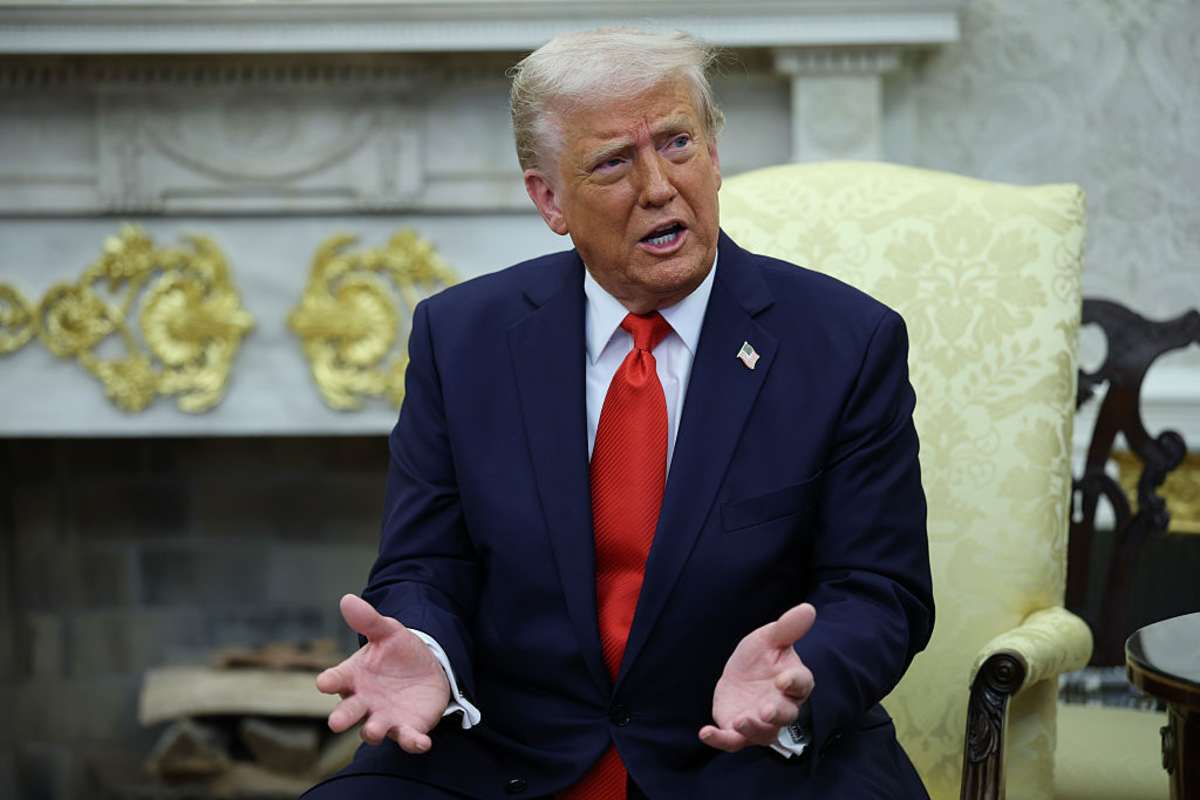
The fund dropped after backlash
According to the press briefing released by the Department of Justice last month, the fund, dubbed a slush fund, was created “to provide a systematic process to hear and redress claims of others who suffered weaponization and lawfare,” and “will have the power to issue formal apologies and monetary relief owed to claimants.”
Earlier, former Vice President Mike Pence condemned the fund and urged the president to scrap it.
“Let’s get rid of this fund,” Pence said. “I mean, it’s deeply offensive to me that you could have a fund that could even possibly compensate people who assaulted police officers or vandalized the Capitol on January 6th. And I think that’s broadly held by most Republicans and most Americans.”
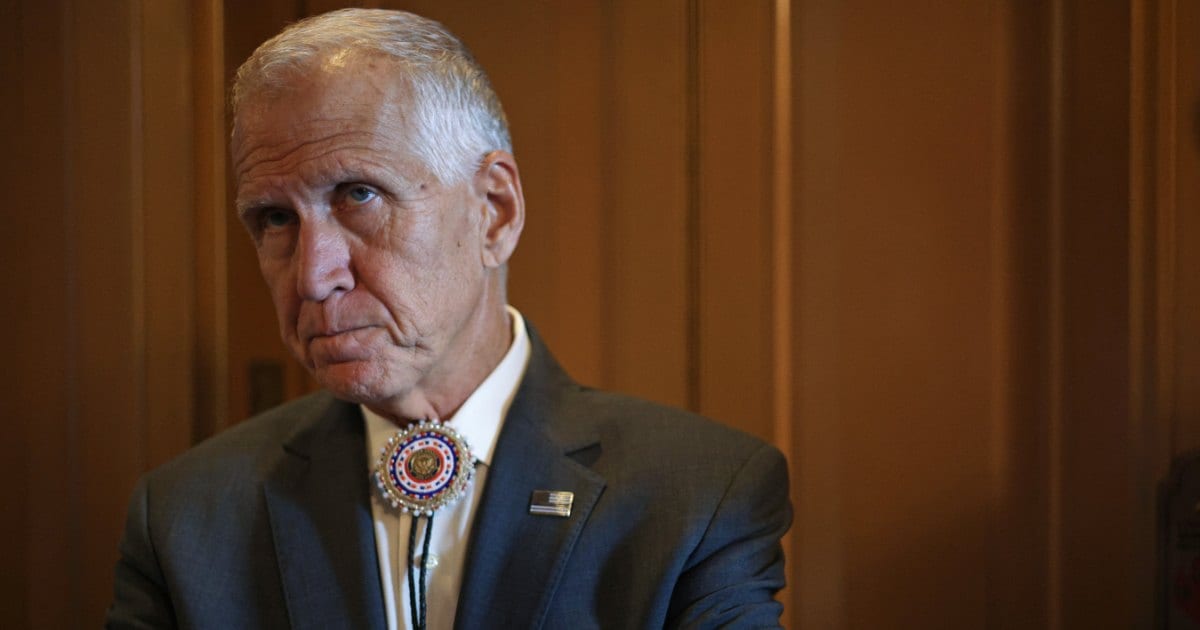
The controversial fund was criticized by both Democrats and several Republican lawmakers, marking a few points where Republicans questioned Trump.
Several Republican lawmakers had raised concerns that individuals convicted in connection with the January 6 Capitol riot could potentially qualify for taxpayer-funded payouts under the proposal.

The dispute also forced Senate Republicans to postpone votes on a major immigration enforcement package before the Memorial Day recess, likely missing Trump’s June 1 target for passage.
Federal court blocks the fund
The federal court on Friday, May 29, temporarily suspended the fund's formation amid legal challenges.
Federal Judge Leonie Brinkema issued a temporary order blocking officials from distributing funds or continuing development of the proposed compensation system while the legal challenge proceeds.
The lawsuit was brought by the advocacy organization Democracy Forward, which accused the administration of attempting to build what it described as a politically driven compensation mechanism funded by taxpayers.