Republicans defeat amendment targeting Trump's anti-weaponization fund
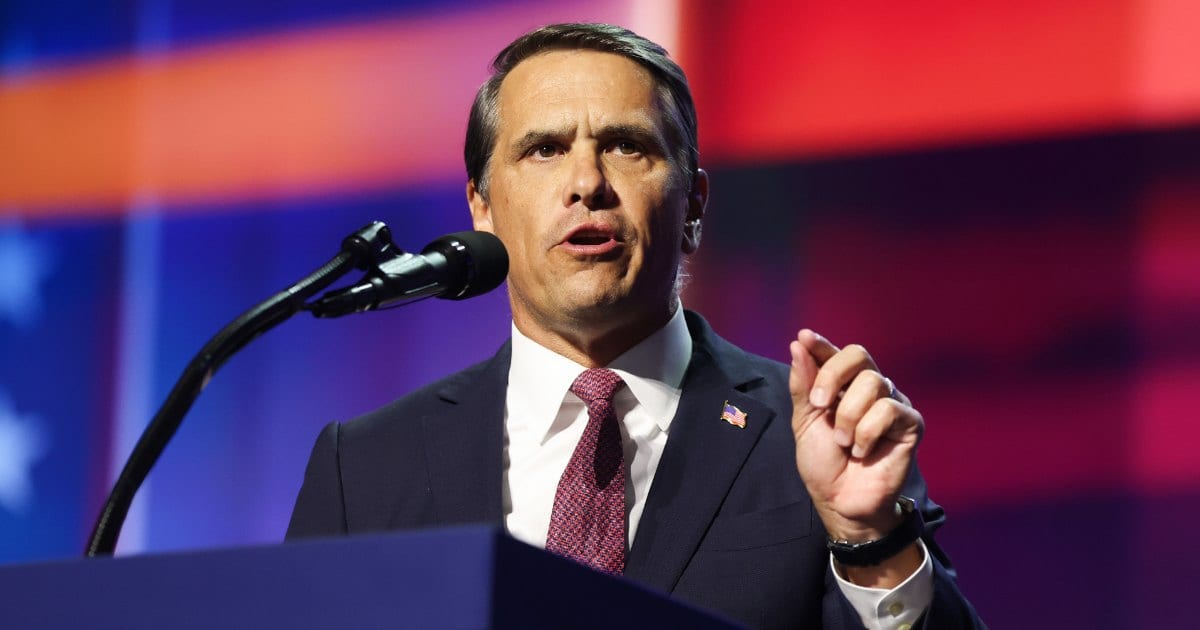
Acting AG Todd Blanche said the administration would scrap the fund for those allegedly targeted through legal system weaponization
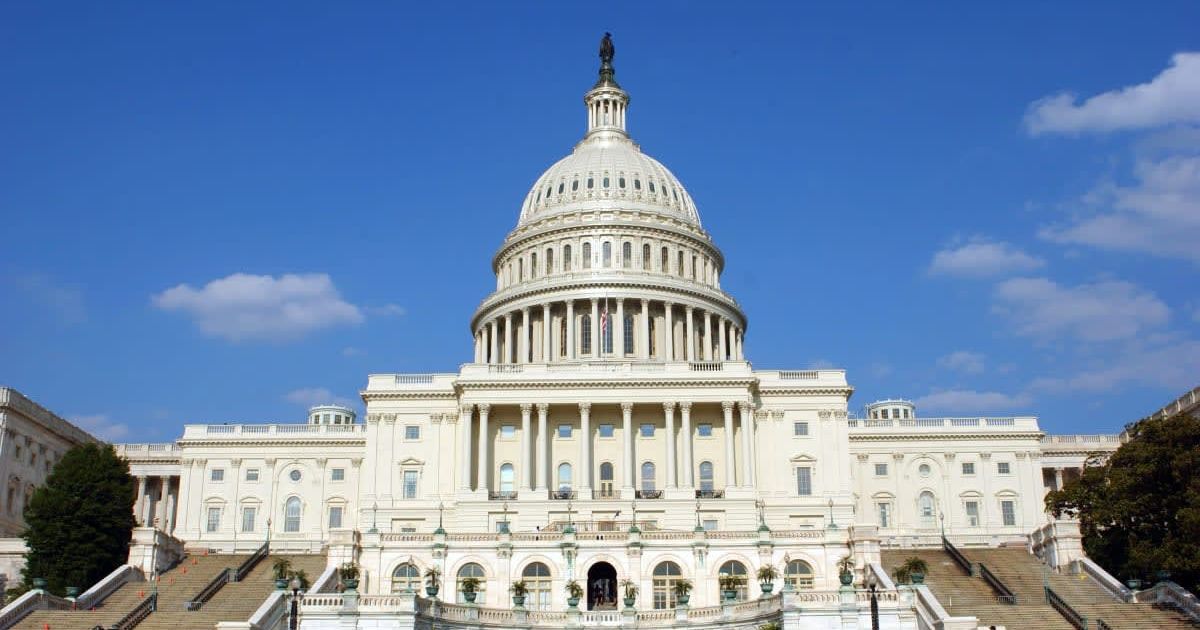
The proposal to amend a $70 billion budget reconciliation package for immigration enforcement failed by a narrow 49-50 vote (Stefan Zaklin/Getty Images)

WASHINGTON, DC: Senate Republicans on Thursday, June 4, defeated Senate Minority Leader Chuck Schumer's sponsored amendment, which was brought to prohibit the Justice Department from establishing a $1.776 billion “anti-weaponization” fund.

Notably, acting Attorney General Todd Blanche told lawmakers earlier this week that the administration would abandon the controversial fund, meant to compensate those who were wrongly targeted by the Biden administration, by weaponizing the legal system.

Proposal to prohibit weaponization fund defeated

The proposal, which sought to amend a $70 billion budget reconciliation package funding immigration enforcement, failed in a narrow 49-50 vote.

Every Democrat voted in favor of the amendment.
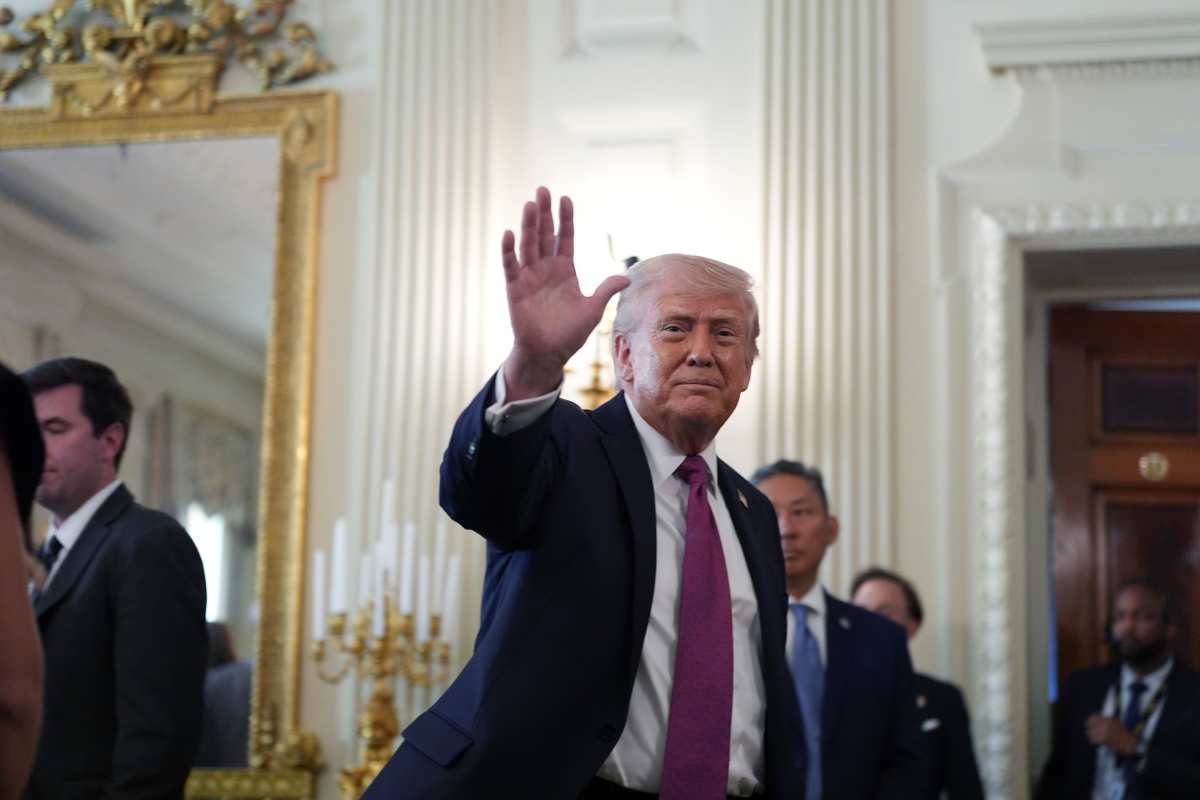
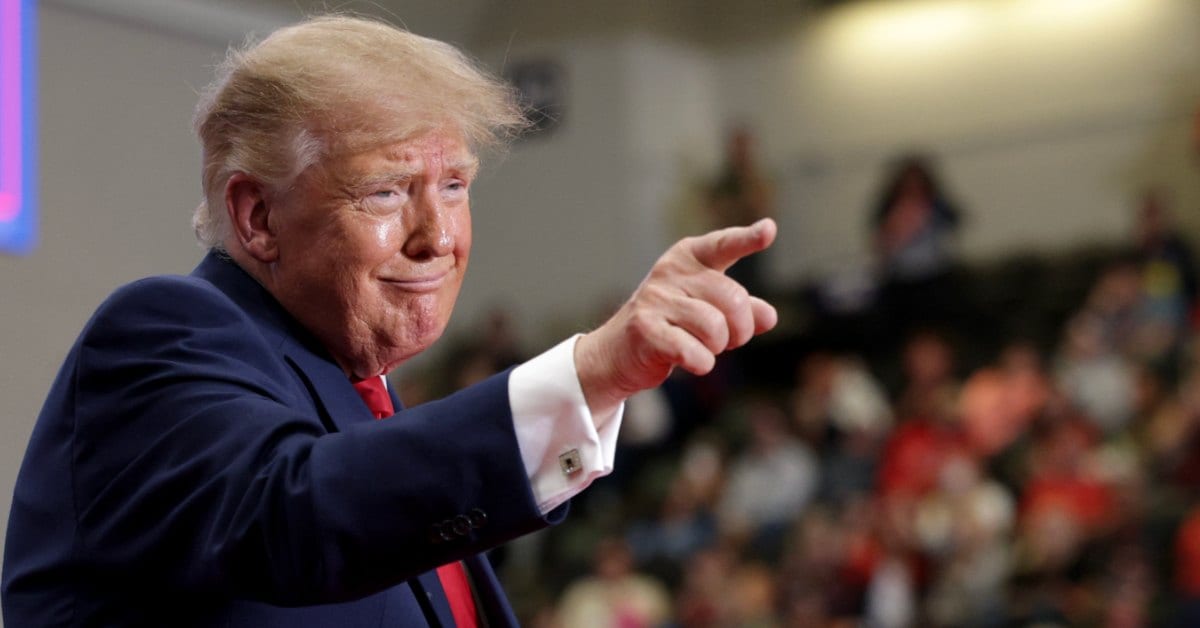
President Donald Trump departs an event for NCAA national champions in the State Dining Room of the White House, Tuesday, April 21, 2026, in Washington. (AP Photo/Alex Brandon)
President Donald Trump departs an event for NCAA national champions in the State Dining Room of the White House, Tuesday, April 21, 2026, in Washington (AP Photo/Alex Brandon)

Sen Michael Bennet (D-Colo) missed the vote, though his absence ultimately did not affect the outcome. Democrats would still have needed one additional Republican vote to secure passage.

The vote remained open for nearly three hours as Republican senators huddled behind closed doors to discuss potential changes to the reconciliation package, including measures that would have barred the Trump administration from establishing the anti-weaponization fund.

Notably, Sens Susan Collins (R-Maine), Dan Sullivan (R-Alaska), and Jon Husted (R-Ohio) broke with their party and backed Schumer’s amendment.
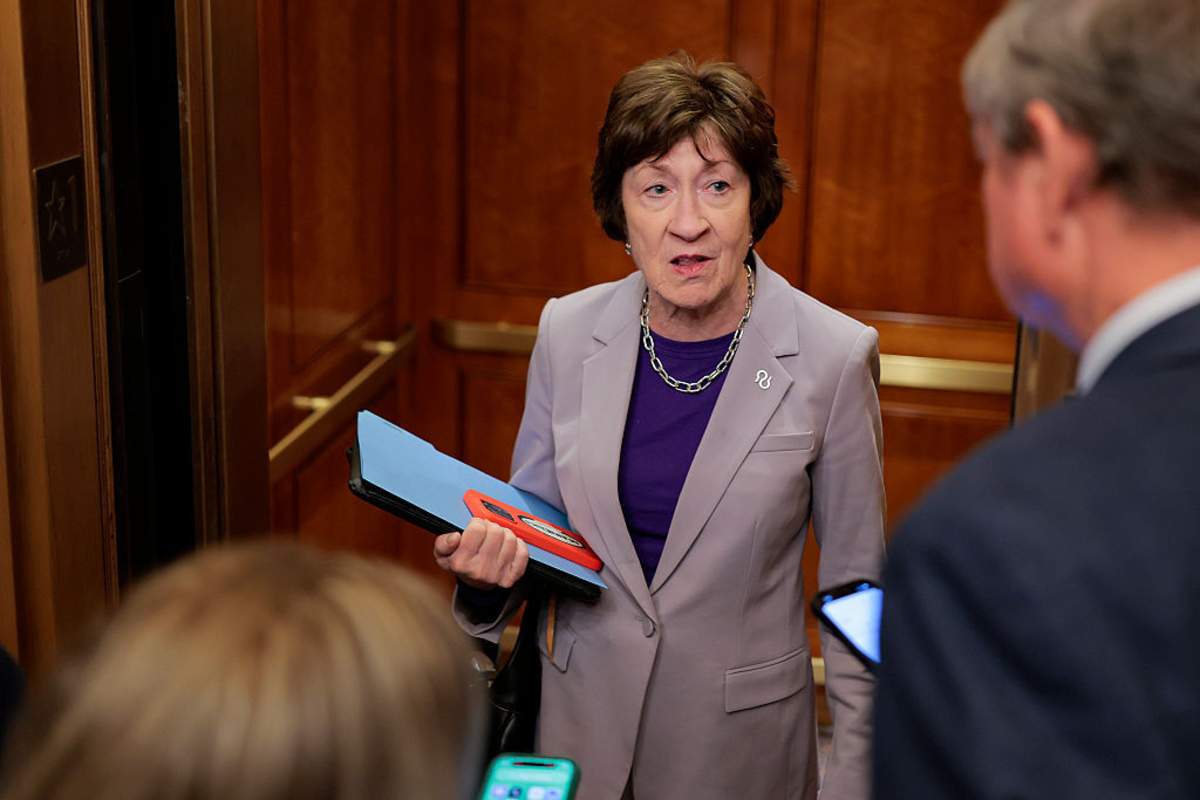
U.S. Sen. Susan Collins (R-ME) enters the U.S. Capitol on January 27, 2026 in Washington, DC. The Senate is discussing DHS funding as tensions remain high in Minneapolis after the shooting death of Alex Pretti by federal agents. (Heather Diehl/Getty Images)
Sen Susan Collins (R-ME) enters the US Capitol on January 27, 2026, in Washington, DC (Heather Diehl/Getty Images)

GOP critics opposed Chuck Schumer's fund block

Notably, Bill Cassidy had also planned to vote for the amendment, but he was assured by the Senate Majority Leader John Thune (R-SD) that he would be able to amend the bill to bar the anti-weaponization fund from being established.

Even Republican critics of the proposed anti-weaponization fund, including Sens Thom Tillis (NC) and Lisa Murkowski (Alaska), voted against Schumer’s amendment.
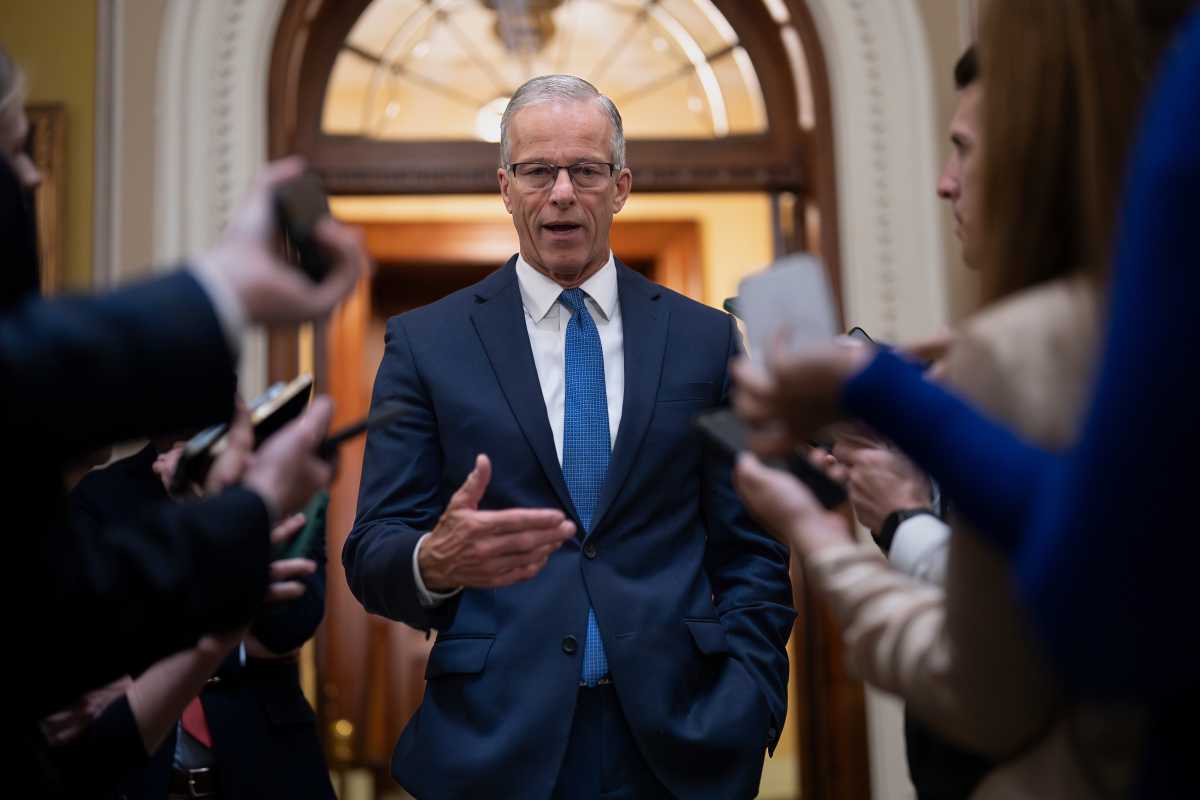
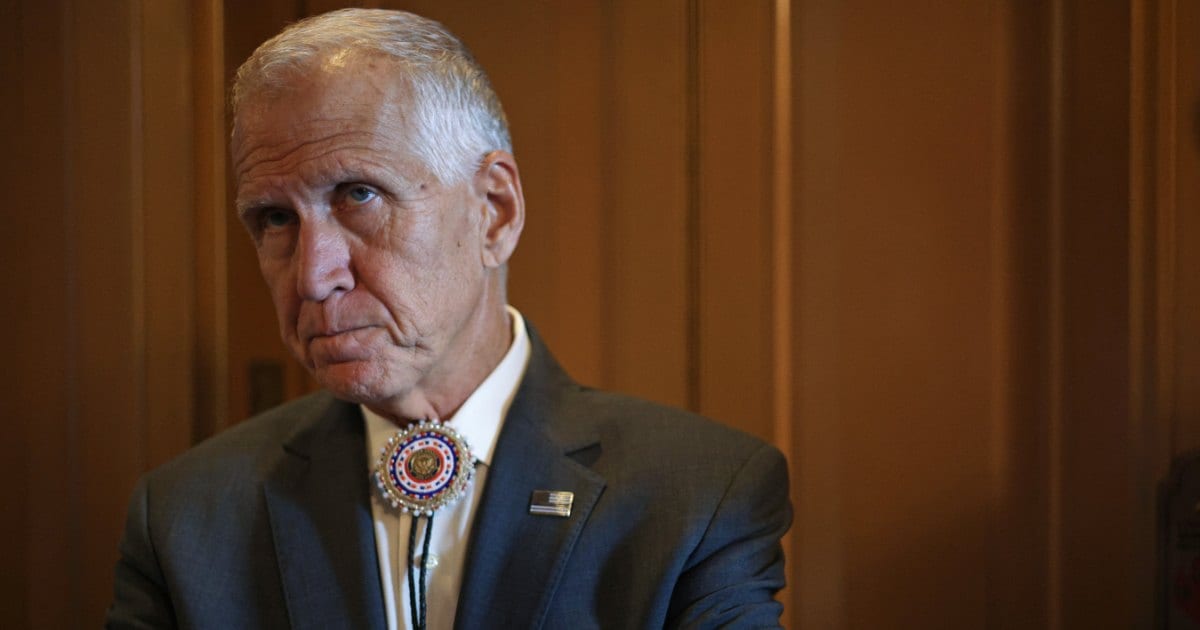
Senate Majority Leader John Thune, R-S.D., speaks to reporters outside the chamber after passing a measure by unanimous consent that would fund most of the Department of Homeland Security, if the House agrees, at the Capitol in Washington, Thursday, April 2, 2026. (AP Photo/J. Scott Applewhite)
Senate Majority Leader John Thune speaks to reporters outside the chamber after passing a measure by unanimous consent that would fund most of the Department of Homeland Security, if the House agrees, at the Capitol in Washington, Thursday, April 2, 2026 (AP Photo/J Scott Applewhite)

Schumer’s amendment sought to permanently block the Trump administration from creating the nearly $1.8 billion anti-weaponization fund, a proposal that critics on both sides of the aisle have derided as a “slush fund.”

The measure required only a simple majority to pass.

Had it been approved, the amendment would have sent the budget reconciliation package back to the Senate Judiciary Committee with instructions to return it within three days with revisions aimed at “safeguard[ing] the Department of Justice from partisan political influence and corruption.”
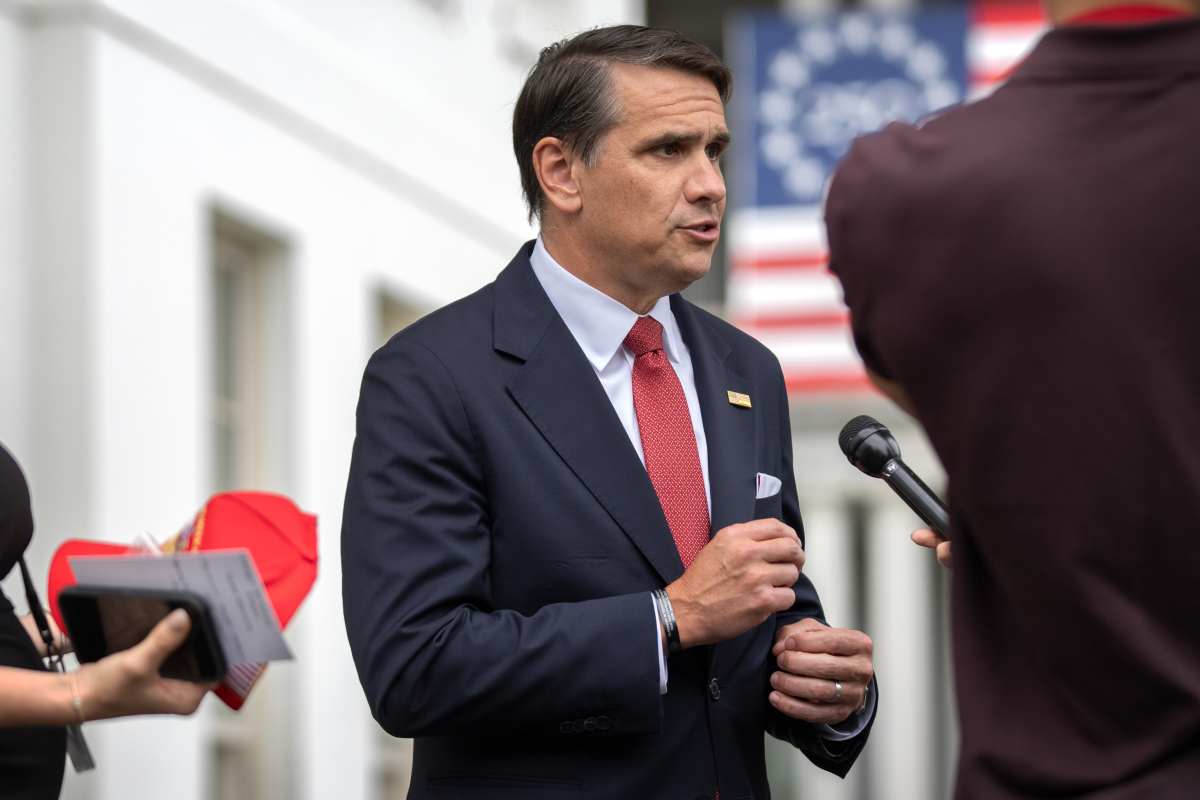
Acting Attorney General Todd Blanche speaks to a reporter outside the White House, Wednesday, May 27, 2026, in Washington. (AP Photo/Mark Schiefelbein)
Acting Attorney General Todd Blanche speaks to a reporter outside the White House, Wednesday, May 27, 2026, in Washington (AP Photo/Mark Schiefelbein)

“We are not moving forward with the fund. Period,” Todd Blanche, earlier this week, assured a House appropriations subcommittee and would not attempt to revive it in the future.
GET BREAKING U.S. NEWS & POLITICAL UPDATES
STRAIGHT TO YOUR INBOX.

MORE STORIES

Marjorie Taylor Greene criticized the administration for not fully releasing the Epstein files, calling it one of the unresolved demands of the public
2 hours ago
Karoline Leavitt and Pentagon spokesman Sean Parnell dismissed the report as 'fake news,' insisting Trump maintains full confidence in Pete Hegseth
3 hours ago
JD Vance defended the Trump administration's Iran strategy, saying negotiations with Tehran have faced setbacks but remain focused on a deal
4 hours ago
Ted Cruz claimed the Muslim Brotherhood still operates in the US, citing groups linked to the former Holy Land Foundation investigation
5 hours ago
Donald Trump questioned Abdul El-Sayed's views on Israel and Jewish safety while reviving election fraud claims in Detroit
7 hours ago
The response came days after Greene declared that she, Carlson and two other former Trump allies had launched a new 'America First' movement
11 hours ago
The Qatari-gifted jet, nicknamed the 'flying palace' for its lavish interior, will serve as a bridge plane until new Boeing 747s arrive in 2028
12 hours ago
'I'm not necessarily holding my breath, but we would want to work with Democrats in Washington to codify the anti-fraud actions', Vance said
13 hours ago
Abdul El-Sayed accused Mike Rogers of using public office for personal gain, claiming he left Congress and 'cashed out' after taking corporate money
15 hours ago
Analysts say rebuilding America's most heavily used missile interceptors could take at least three years
16 hours ago