Explained: US burned through 80% of its THAAD missiles because they worked too well
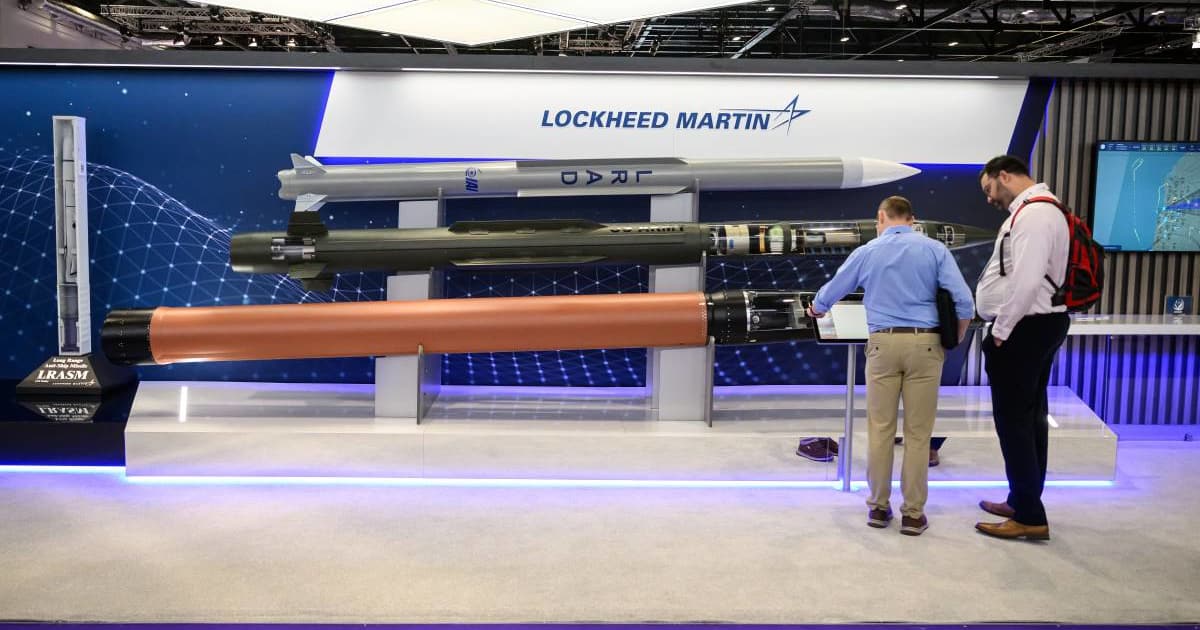
WASHINGTON, DC: The US military has burned through nearly 80% of its THAAD interceptors during the Iran conflict, but not because the system failed.
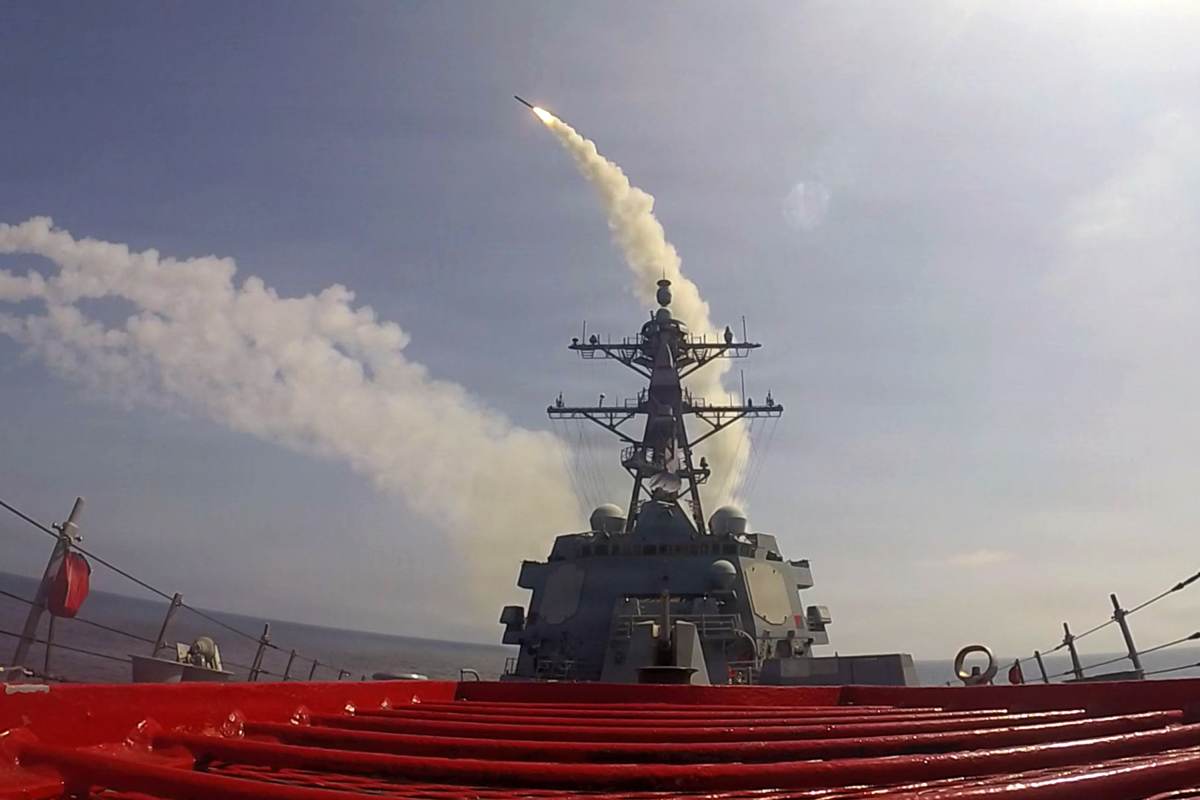
According to a report by CNN, the missiles did exactly what they were built to do, repeatedly shooting down incoming ballistic missiles until America's stockpile fell to what senior military commanders reportedly warned were "dangerously low" levels.
While the White House insists the military still has enough weapons, analysts say rebuilding the most heavily used interceptors could take years.
What THAAD does and why it matters
THAAD is America's most effective system for stopping ballistic missiles and currently has no direct replacement. It has never failed an interception in production testing, according to Center for Strategic & International Studies (CSIS).
That is why using so many of these interceptors during the Iran conflict has become such a concern.
What the US burned through so far
Before the Iran conflict, the US had about 452 THAAD interceptors and roughly 2,200 Patriot interceptors, according to CSIS.
The outlet reported nearly four-fifths of THAAD missiles and about half the Patriot inventory have since been used.
Each Patriot interceptor costs about $4 million, while the latest Tomahawk missiles cost roughly $2.6 million each.
Pentagon delivery schedules show the military is currently receiving only about 20 Patriot missiles and 15 Tomahawks a month.
Why success became the problem
The shortage was not caused by missiles missing their targets. It happened because they kept hitting them.
Every successful interception required another THAAD or Patriot interceptor, steadily draining a stockpile that takes years to rebuild.
One source familiar with the stockpile concerns told the outlet, "The lack of interceptors means that conventional attacks can backfire if the suicide drones start making it through in-masse. Tit-for-tat will never end this."
The outlet reported Iran launched sustained waves of ballistic missiles that forced repeated interceptions, meaning every successful defense also consumed another interceptor from a limited US stockpile.
The growing shortage reportedly became one factor discussed before President Trump decided against planned strikes on Iran last weekend.

Along with intelligence assessments and concerns raised by Middle East allies, military officials again warned about dwindling supplies of key munitions.
What this means for US troops right now
Analysts told the outlet the concern is not that the US homeland has suddenly become exposed.
Instead, the issue is whether enough advanced interceptors would be available if another major crisis erupted while inventories remain depleted.
Instead, American troops and allies overseas could have fewer of their preferred missile defenses available if another crisis erupts before stockpiles recover.
Mark Cancian, a retired Marine Corps colonel and senior adviser at CSIS, described the situation as a "window of vulnerability" in which the US "is not going to have the depth of the preferred munitions it needs" during another conflict.

He warned that this could leave American forces facing China's large missile arsenal with fewer of their preferred defensive weapons.
White House spokesperson Anna Kelly told the outlet that the US military “has more than enough munitions, ammo, and stockpiles to serve all of President Trump’s strategic goals and beyond.”
“Operation Epic Fury has exposed what happens when you mess with the United States.
Even still, the President has urged our defense contractors to constantly produce more made-in-America weapons, which are the best in the world,” Kelly added.
Even so, analysts cited by the outlet estimate it will take at least three years to restore THAAD inventories to their pre-Iran war levels, highlighting that production is still struggling to match the pace at which successful interceptions consumed the missiles.
How long before US fixes its missile shortage problem?
Analysts estimate restoring THAAD inventories to pre-war levels will take at least three years.
Current Pentagon delivery schedules show only about 15 Tomahawks and 20 Patriot missiles arriving each month, illustrating why rebuilding the stockpile will take years, according to the outlet.
While other missile inventories could recover by mid-to-late 2027, THAAD replenishment will take longer.

The Pentagon has signed agreements with Northrop Grumman and Lockheed Martin to increase Patriot and THAAD production, but analysts say rebuilding cannot happen overnight.
Even with production increasing, analysts say rebuilding will take years because the Iran conflict consumed interceptors much faster than factories were built to replace them.
The Iran conflict consumed interceptors much faster than American factories could replace them, leaving production struggling to catch up.