Marco Rubio says US strikes in Iran aim to ‘eliminate’ its short-range ballistic missiles
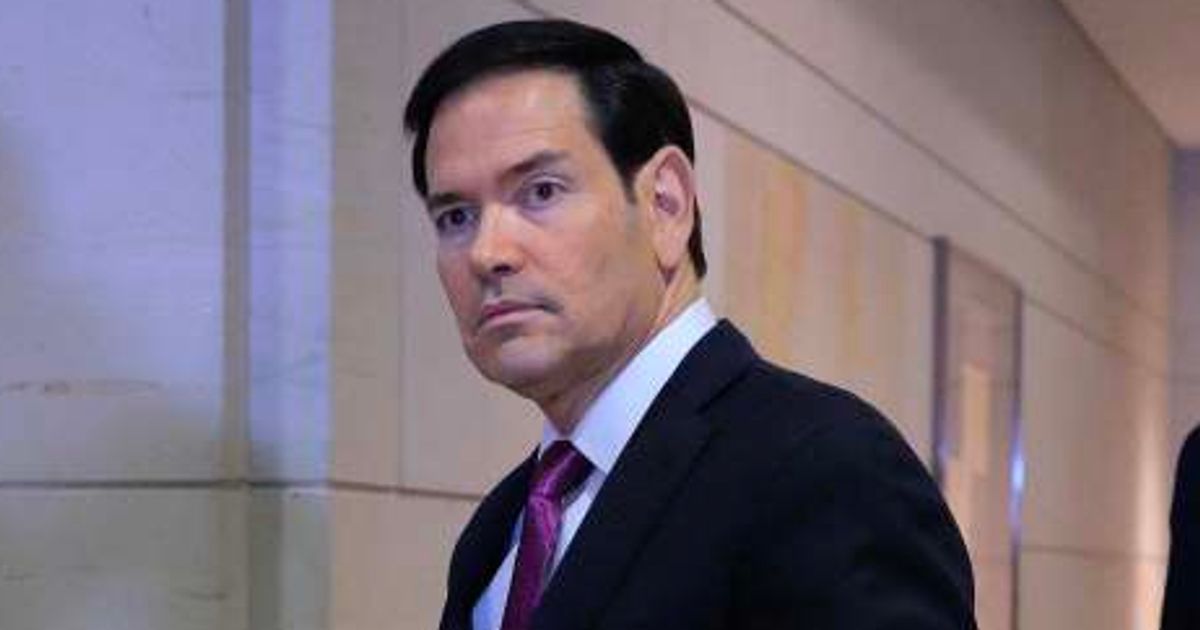
Rubio: There was absolutely an imminent threat and it was that we knew that if Iran was attacked and we believe that they would be attacked, that they would immediately come after us and we were not going to sit there and absorb a blow pic.twitter.com/jFDc38ttKR
— Acyn (@Acyn) March 2, 2026
WASHINGTON, DC: Secretary of State Marco Rubio on Monday, March 2, provided details on the reasoning behind the Trump administration’s military campaign on Iran, under Operation Epic Fury.
On February 28, Israel and the United States launched a series of strikes against Iran targeting the country’s leadership, security forces, and ballistic missile sites. The operation, which was also intended to induce regime change and address concerns over Iran’s nuclear ambitions, has reportedly resulted in both military and civilian casualties.
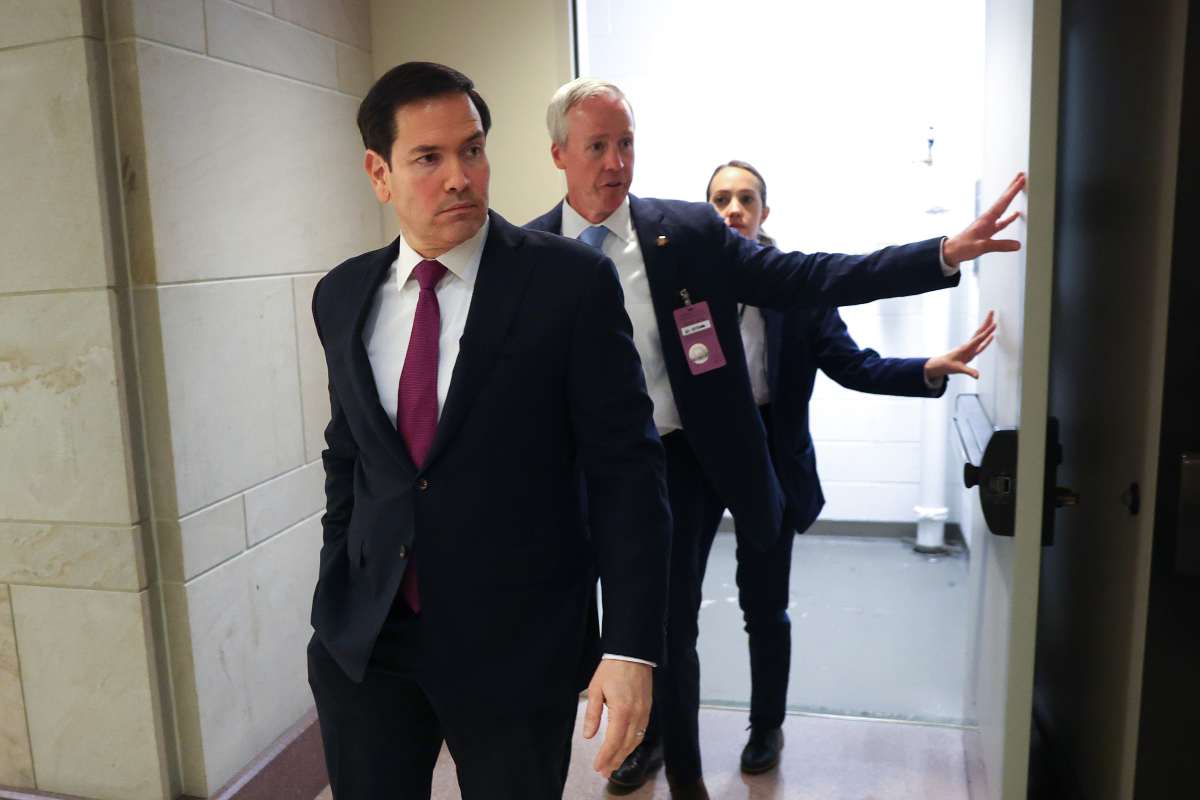
Marco Rubio explains Operation Epic Fury and strikes on Iran
Rubio said the US military operation against Iran is meant “to eliminate the threat of Iran’s short range ballistic missiles and the threat posed by their Navy, particularly to naval assets.” “That is the clear objective of this mission,” Rubio said, despite statements from President Donald Trump indicating that the operation was also tied to regime change in Iran.
Rubio acknowledged that Iran was expected to respond if it “came under attack,” but maintained that the threat was “imminent.”
“The imminent threat was that we knew that if Iran was attacked, and we believed they would be attacked, that they would immediately come after us, and we were not going to sit, sit there and absorb a blow before we responded,” he told press on Capitol Hill before the briefing.
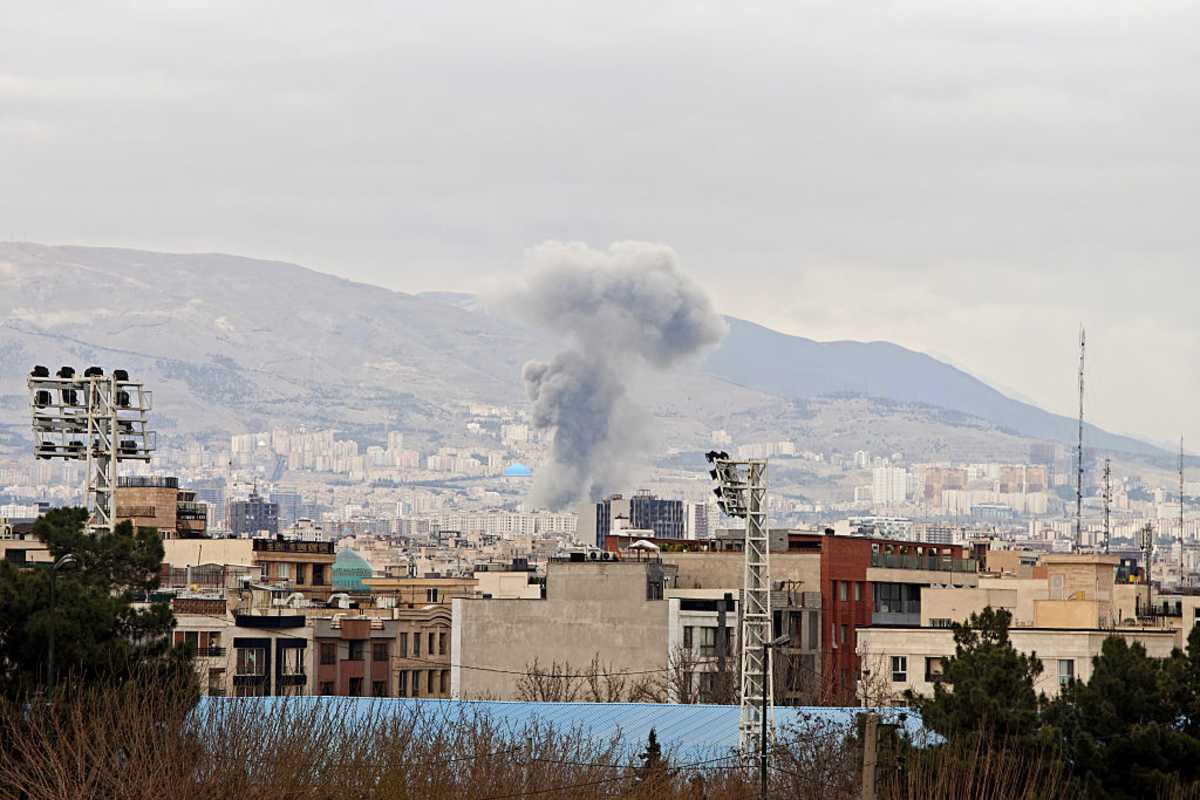
“We knew that there was going to be an Israeli action. We knew that that would precipitate an attack against American forces, and we knew that if we didn’t preemptively go after them before they launched those attacks, we would suffer higher casualties,” he said.
“The assessment that was made that if we stood and waited for that attack to come first before we hit them, we would suffer much higher casualties,” Rubio added.
He further described allowing Iran to continue developing short-range ballistic missiles as “an unacceptable risk” and said it was important to undertake the operation while Tehran was at its “weakest point.”
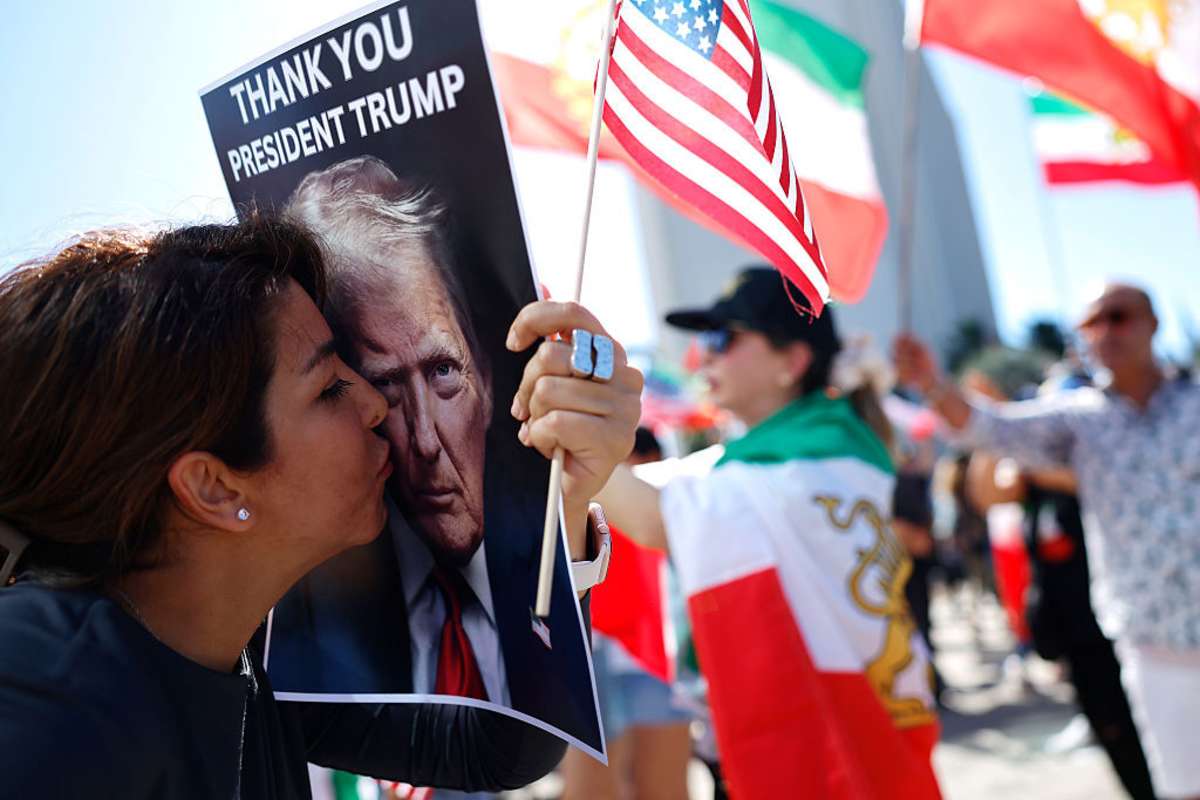
JD Vance on regime mindset and regional fallout
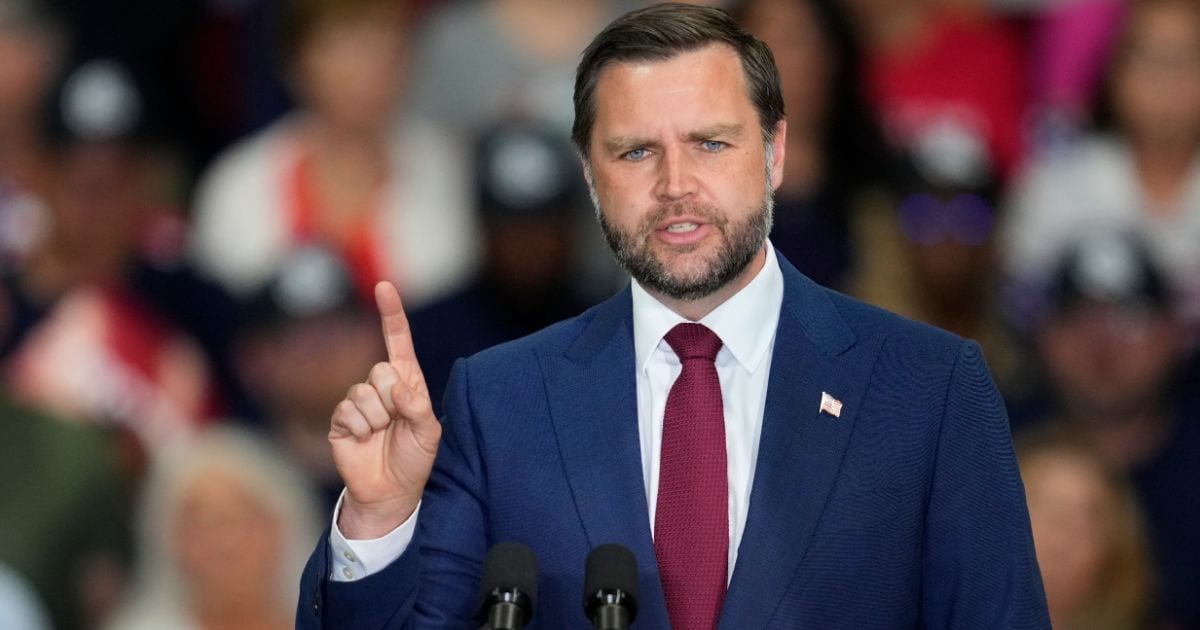
Vice President JD Vance said Trump ordered military strikes on Iran because he concluded the only way to ensure Tehran never obtains a nuclear weapon was to drive a fundamental shift in the Iranian regime’s “mindset.”
In an interview with Fox News, Vance said Trump did not want to simply keep the United States “safe from an Iranian nuclear weapon for the first three, four years of his second term,” referencing US strikes last June that the president said “obliterated” Iran’s nuclear program.
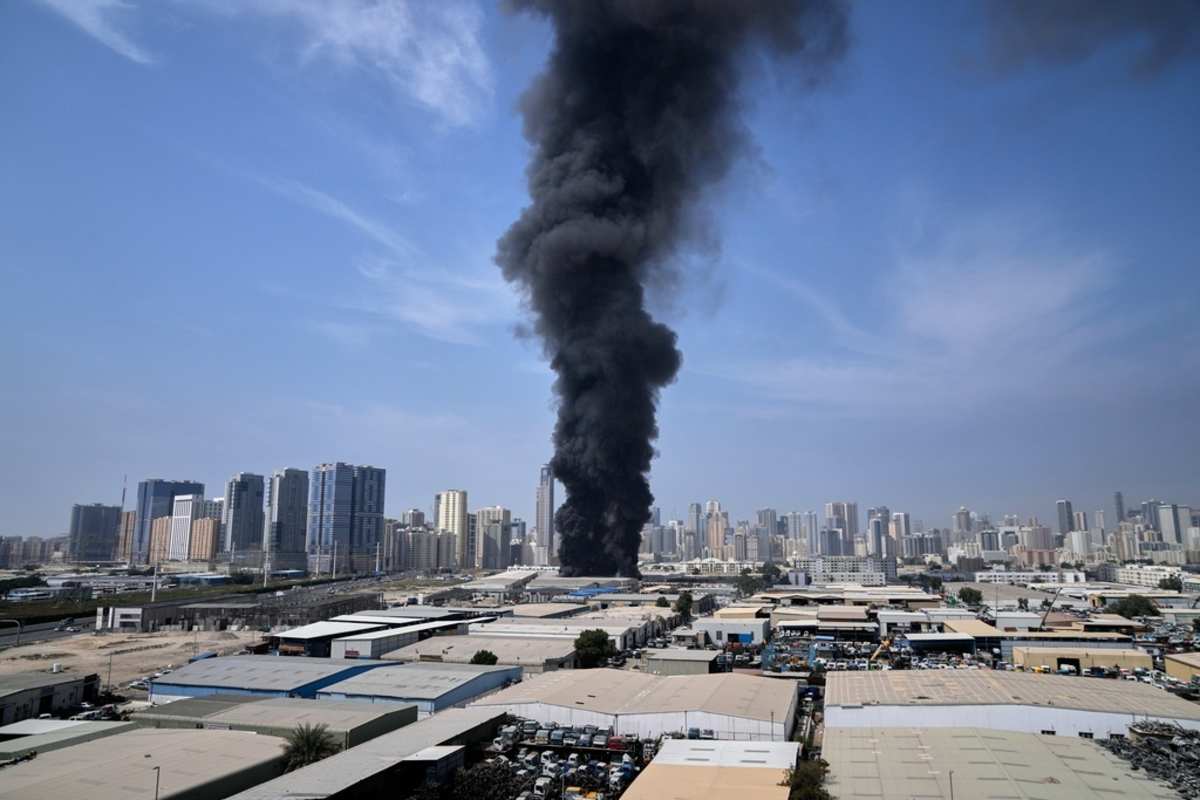
In response, Iran launched counter-strikes against Israel, US military bases in the region, and military and civilian locations in Arab states hosting US forces. UK bases in Bahrain, Qatar and Cyprus were also attacked, and the Royal Air Force was deployed in a defensive capacity.
According to state media, citing the country’s ministry of defense, Kuwait intercepted 178 ballistic missiles and 384 drones since the conflict began. 27 Kuwaiti soldiers were wounded and are in stable condition. Earlier, 6 US service members died in an Iranian attack on American troops in Kuwait.