'He's not the disease': Abdul El-Sayed's blunt message on Trump
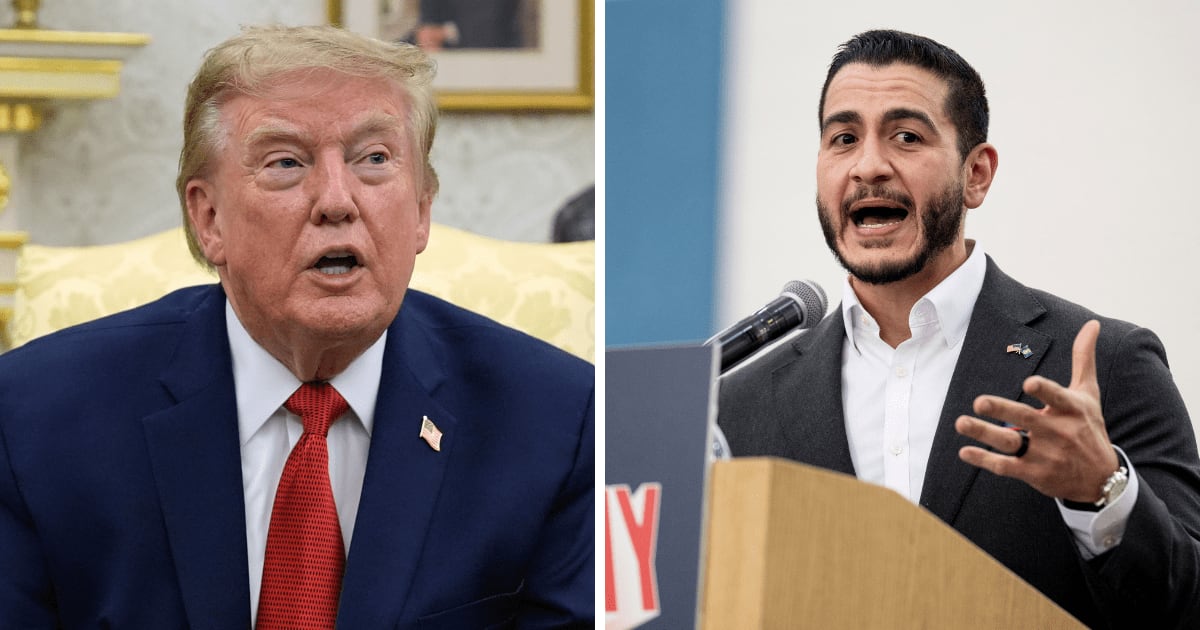
WASHINGTON, DC: Michigan Senate candidate Abdul El-Sayed is recasting his fight with President Donald Trump, arguing that the president is “not himself the disease” but a symptom of a political system failing Americans.
El-Sayed said that system lets corporations, billionaires, and special interests influence politicians while working families struggle with costs.
He made the case on Monday, September 7, while speaking to supporters on Labor Day in a clip shared by C-SPAN on X.
U.S. Senate candidate @AbdulElSayed (D-MI) says Donald Trump is not the "disease" but just the "worst symptom." pic.twitter.com/RFNcxyt8kH
— CSPAN (@cspan) September 7, 2026
Abdul El-Sayed targets the political system
“I know that Donald Trump is not himself the disease. He’s just the worst symptom of the disease of our politics,” El-Sayed said.
He defined that “disease” as a system that allows “big corporations and billionaires and special interests to buy and sell politicians,” which he said leaves Americans paying more and receiving less for their work.
The Democratic nominee said his campaign is focused on changing how government money is used, contrasting domestic needs with spending on foreign conflicts.
“It shouldn’t be this hard to pay your taxes and know that that money’s going to be spent on you and your kids instead of dropping bombs on somebody else and their kids,” he said.
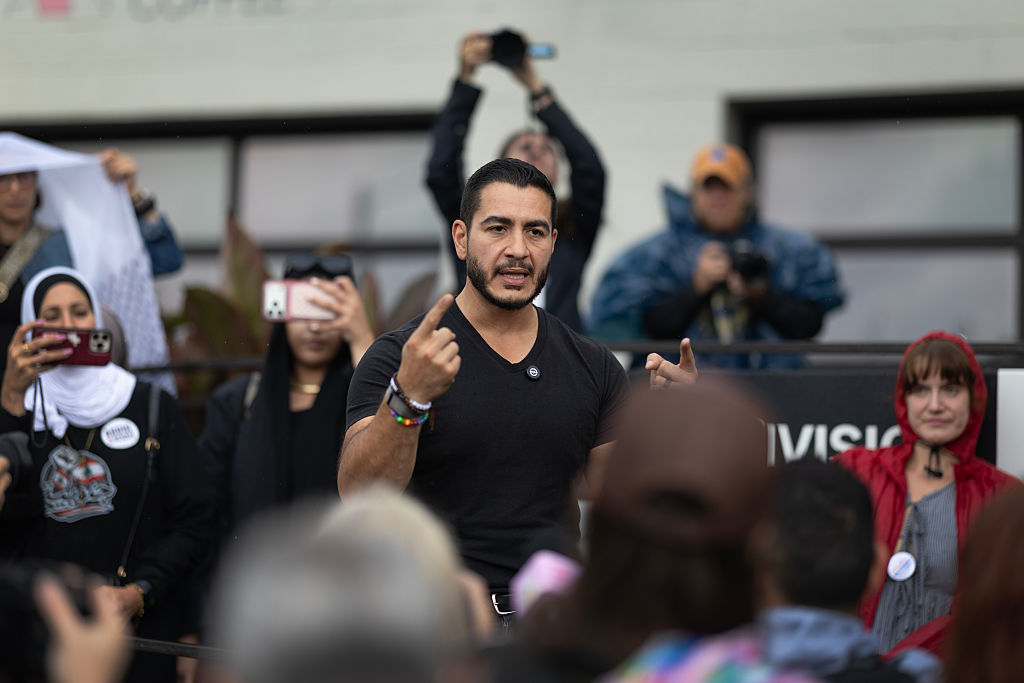
El-Sayed, a doctor who led Wayne County’s Department of Health, cited work that included putting glasses on children, taking on corporate polluters, eliminating medical debt, and addressing lead exposure in schools.
He also argued that health care and affordability should not be treated as radical demands.
“It’s not radical to believe that people should be able to afford their groceries,” he told NBC’s ‘Meet the Press’. “It’s not radical to believe that you should have healthcare in this country.”
El-Sayed: "Notice how they chose to use my full name, in echoes to exactly what they did against President Obama. At the end of the day, it's not radical to believe people should be able to afford their groceries, they should have healthcare, that the president should not be able… pic.twitter.com/Phng7RA19g
— Aaron Rupar (@atrupar) August 9, 2026
Trump's attacks have made Abdul El-Sayed a midterm target
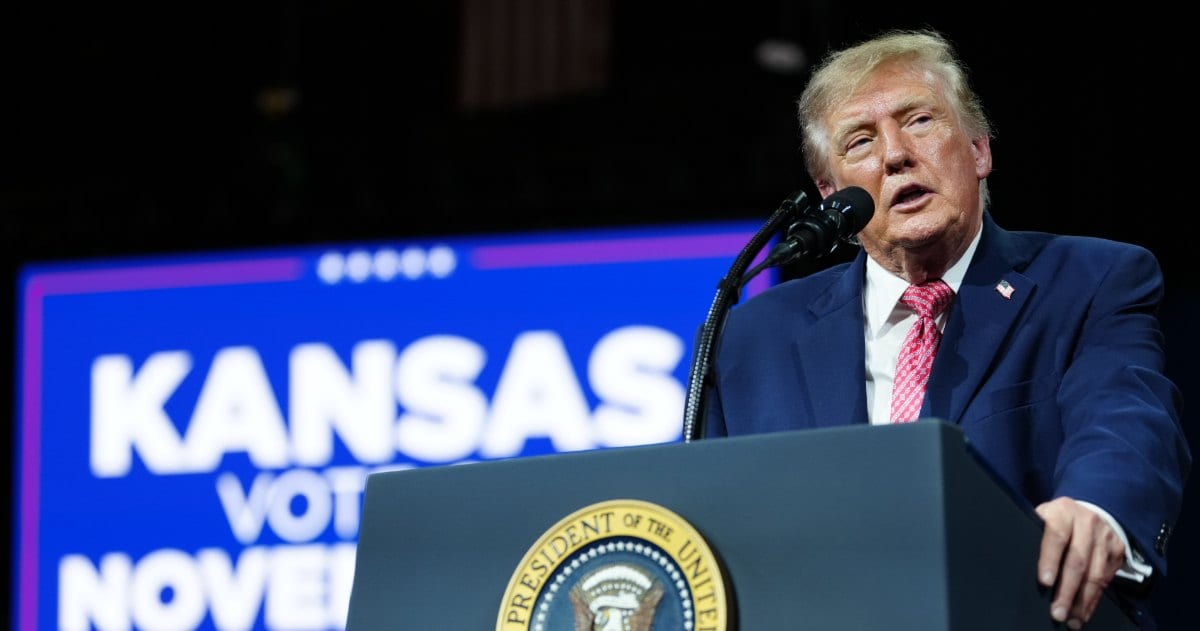
El-Sayed’s argument comes after Trump repeatedly attacked him following his primary victory over Rep Haley Stevens in Michigan.
Trump has called El-Sayed a “man of hate,” “crazy,” and a “dumocrat,” while Vice President JD Vance called him “evil.”
Asked about Trump previously calling him “full of s**t,” El-Sayed told Sky News: “At least I don’t let mine go in the middle of the Oval Office.”
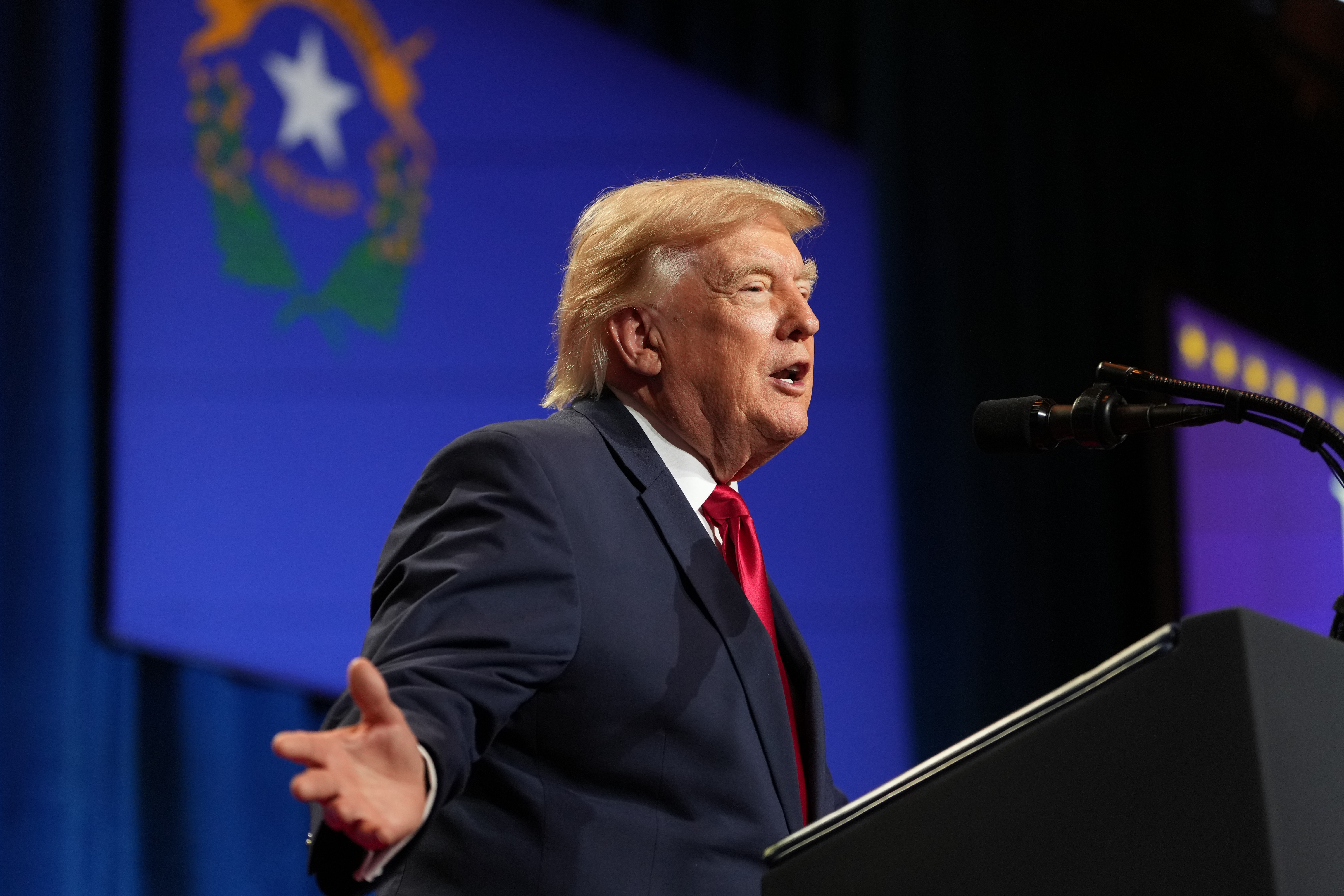
The Senate candidate previously said Trump’s attention could give him a “gigantic platform” during the midterms.
“Trump is messing around and making me the… front page or the main character of the midterms,” El-Sayed said on September 1, adding that the attention could allow him to move the political conversation.
El-Sayed embraced Trump’s framing of their political differences after Trump posted an image contrasting himself and Melania Trump with El-Sayed and his wife, Sarah Jukaku.
“Yeah, he’s right,” El-Sayed told CNN when asked about Trump’s claim that they represented “VERY DIFFERENT” Americas.
Abdul El-Sayed ties campaign to unions
On Labor Day, El-Sayed connected his economic argument to organized labor, saying unions helped build the middle class and could do so again.
“One of the first things I want to do when I get to DC is make sure that we step up, fight for our unions, and pass that PRO Act,” he said.
Democratic Michigan Senate nominee Abdul El-Sayed responds to President Trump posting a picture of his wife. pic.twitter.com/j8lGGwPET8
— State of the Union (@CNNSOTU) August 9, 2026
He said unions “built the 40-hour work week” and “built the weekend,” and argued they should be part of organizing across American industries.
El-Sayed is running against former Rep Mike Rogers in November.
An EPIC-MIRA poll conducted in late August found 47% backed or leaned toward El-Sayed and 43% supported or leaned toward Rogers, with a 4-point margin of error.