Rubio spearheads Israel mission while Vance leads Oman talks as Iran tensions rise
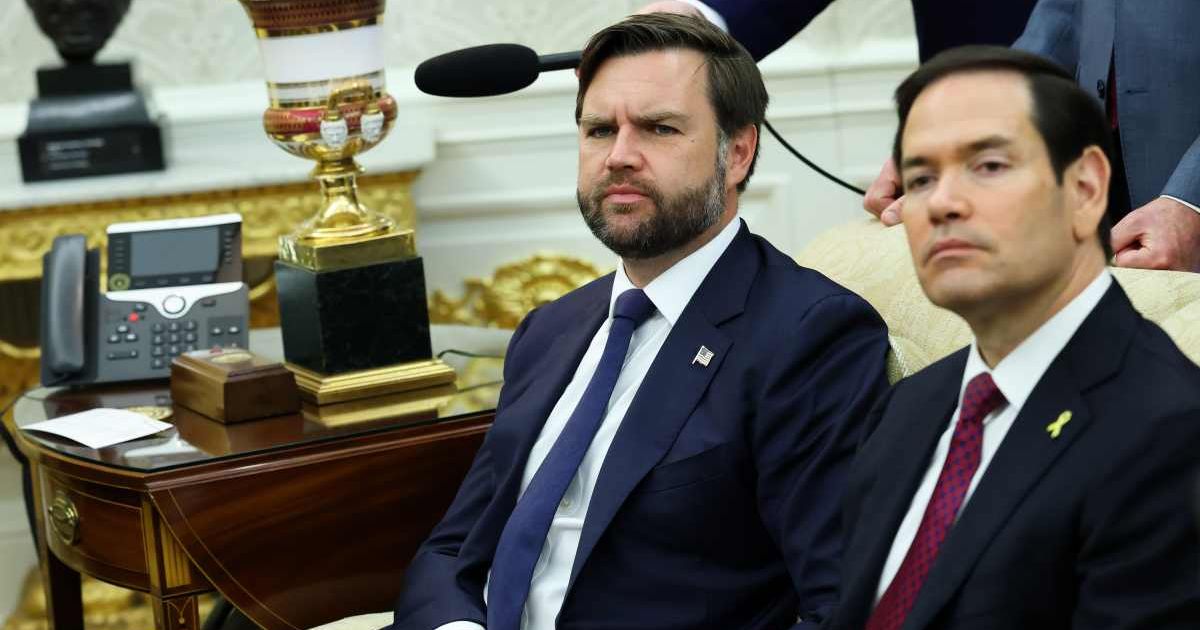
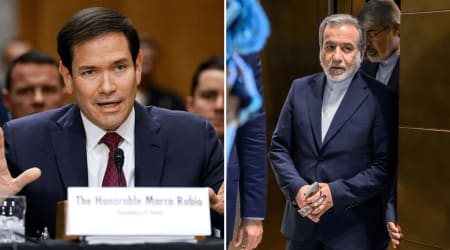
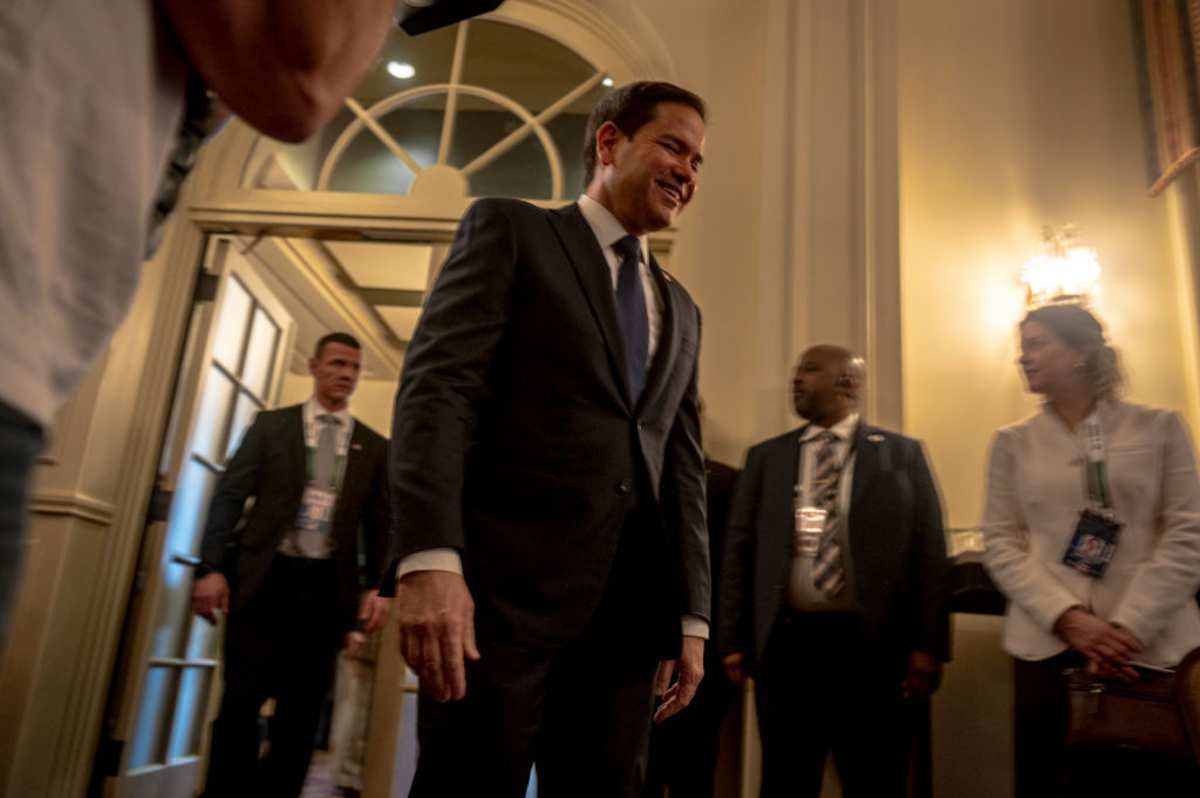
WASHINGTON, DC: Secretary of State Marco Rubio will travel to Israel this Sunday and stay through Monday, the State Department announced on Friday, February 27, as the administration grapples with escalating regional friction.
The trip announcement comes during a period of heightened alert, occurring just hours after the US embassy in Israel ordered the departure of nonessential employees and their family members.
Rubio’s visit is expected to focus heavily on the rising tensions with Iran.
Meanwhile, on Thursday, Vice President JD Vance sought to calm fears of a sustained military entanglement, telling The Washington Post aboard Air Force Two that there was "no chance" of a drawn-out war resulting from potential strikes currently under consideration by the White House.
JD Vance rejects the prospect of long-term war
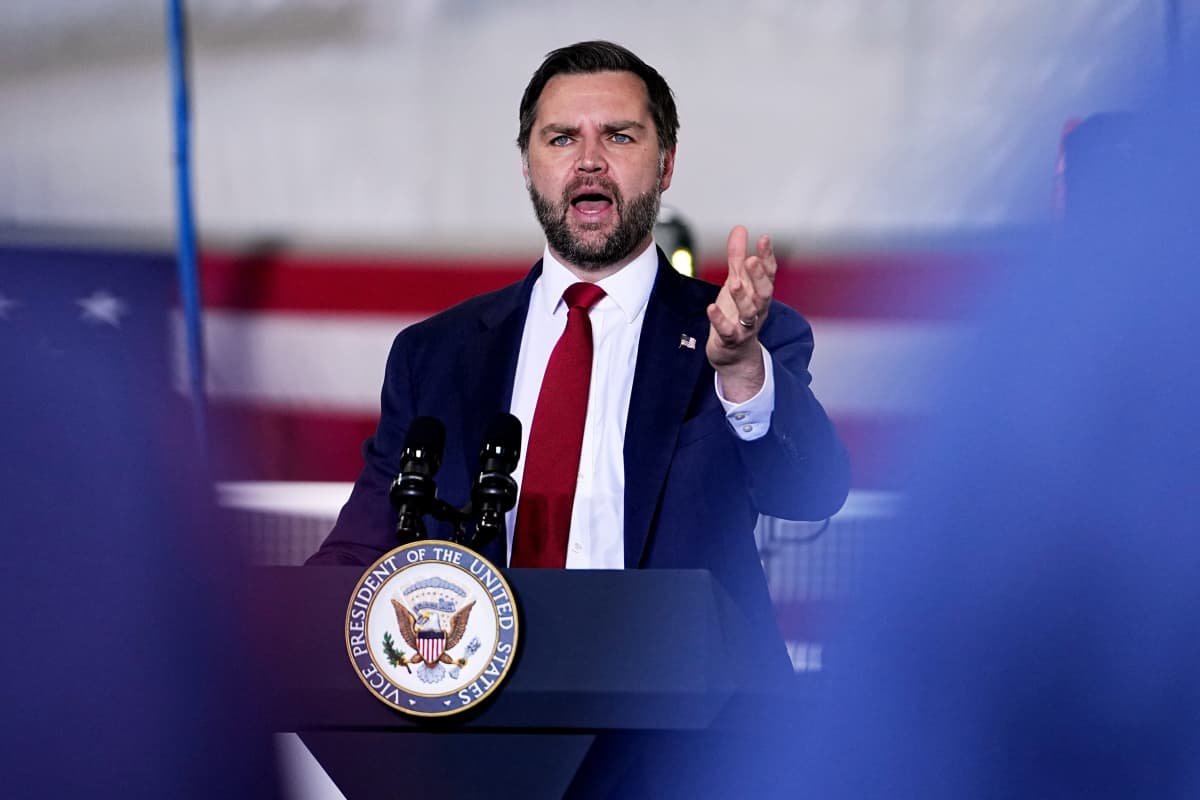
Addressing concerns about a repeat of historical conflicts, Vice President Vance stated that the administration had no intention of being trapped in a Middle Eastern war for years with no end in sight.
He dismissed the idea that strikes against Iran would lead to a perpetual military engagement, insisting "there is no chance that will happen."
Vance described the president’s current options as ranging from targeted strikes intended to "ensure Iran isn’t going to get a nuclear weapon" to actions that could pave the way for a diplomatic resolution.
He emphasized that while he and President Trump remain skeptical of foreign military interventions, the administration's final path depends on Iranian actions and communications.
Avoiding the mistakes of the past
During the interview, Vance addressed his past criticisms of US involvement in Iraq, suggesting that while the administration must avoid repeating previous errors, it must also avoid "overlearning the lessons of the past."
He argued that a prior failure in military conflict did not preclude future engagement if the circumstances were right and handled carefully.
Vance defended the "America First" approach of the administration, asserting that President Trump pursued policies that specifically work for the American people.
He maintained that the president was being "careful" in his current deliberations regarding regime change and military pressure.
Diplomatic efforts continue in Geneva

The comments followed a set of indirect nuclear talks between the United States and Iran in Geneva, Switzerland, which concluded on Thursday without a resolution.
Special Envoy Steve Witkoff and Jared Kushner participated in a gathering with Omani Foreign Minister Badr Al Busaidi to facilitate communication between the two nations.
Despite the lack of an immediate breakthrough, Vance reiterated that the administration still preferred the diplomatic option.
Omani mediation remains a key pillar
In a continuation of these diplomatic threads, Vice President Vance is scheduled to meet with Omani Foreign Minister Badr Al Busaidi and other US officials this Friday in Washington.
Oman has historically served as a mediator, a role that was highlighted during the recent Geneva meetings involving Jared Kushner.
The administration remains on high alert as it balances these diplomatic outreach programs with the weighing of potential military strikes.