US‑Iran nuclear talks wrap in Geneva with ‘significant progress’ amid military tensions
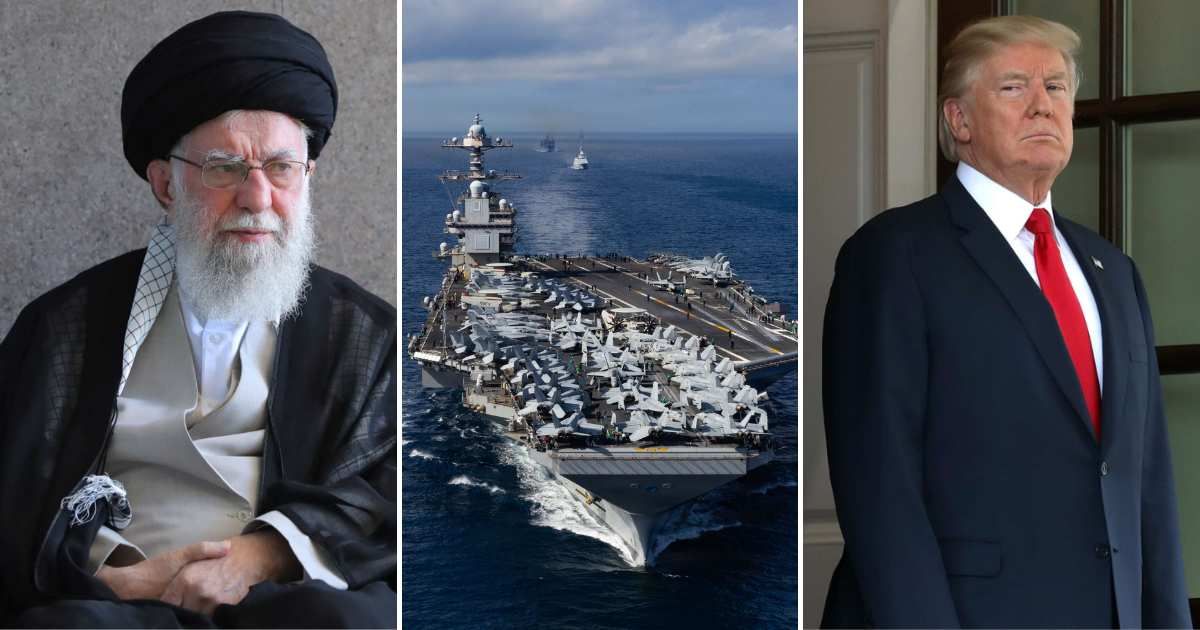
GENEVA, SWITZERLAND: The United States and Iran held high-stakes nuclear talks in Geneva on Thursday, February 26, marking a third round of indirect negotiations as President Donald Trump intensified pressure on Tehran with the threat of possible military action.
Iranian state television reported that the discussions had concluded later in the day. The talks were mediated by Oman, a key regional intermediary in the US-Iran diplomacy.
We have finished the day after significant progress in the negotiation between the United States and Iran. We will resume soon after consultation in the respective capitals. Discussions on a technical level will take place next week in Vienna. I am grateful to all concerned for…
— Badr Albusaidi - بدر البوسعيدي (@badralbusaidi) February 26, 2026
Mediator cites ‘significant progress’ in talks
Omani Foreign Minister Badr al-Busaidi said in a post on X that the talks had ended with “significant progress in the negotiation.”
He added that discussions would resume after consultations in the respective capitals, with technical talks expected to begin next week in Vienna. Al-Busaidi said both sides showed “openness to new and creative ideas.”
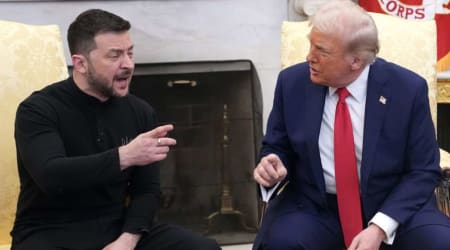
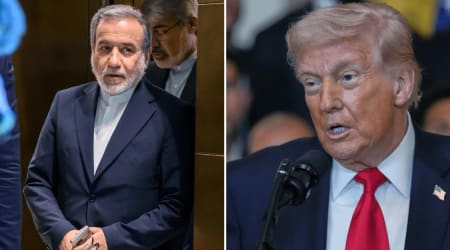
The Geneva talks followed President Trump’s most explicit warnings yet of potential military action against Iran, delivered during his State of the Union address.
Trump claimed Tehran was attempting to restart a nuclear program that he said had been badly damaged by US and Israeli strikes last year, and was developing missiles that could “soon” reach the United States.
Trump said on Tuesday that while the US strikes last June had “obliterated” Iran’s nuclear capabilities, the country was now “starting all over,” a claim Iranian officials have strongly denied.
US officials stress red line and state Washington’s position
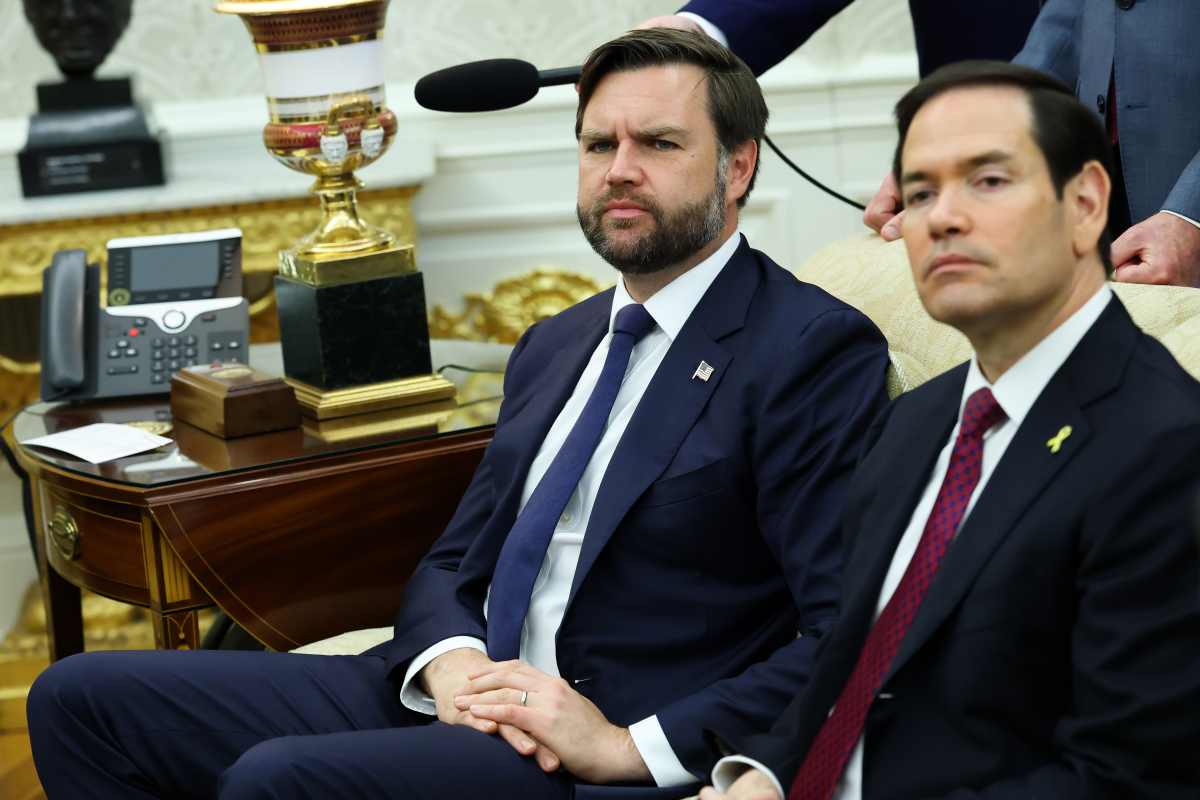
Vice President JD Vance reiterated Washington’s position on Wednesday, saying, “The principle is very simple. Iran cannot have a nuclear weapon.”
“If they try to rebuild a nuclear weapon, that causes problems for us,” Vance said, adding that the US had seen evidence Iran was attempting to do so.
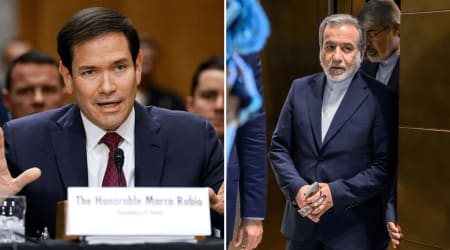
Secretary of State Marco Rubio echoed those concerns, telling reporters that Iran was “always trying to rebuild elements” of its nuclear program. While Tehran is not currently enriching uranium, Rubio said, it is “trying to get to the point where they ultimately can.”
Iran pushes back and warns of retaliation
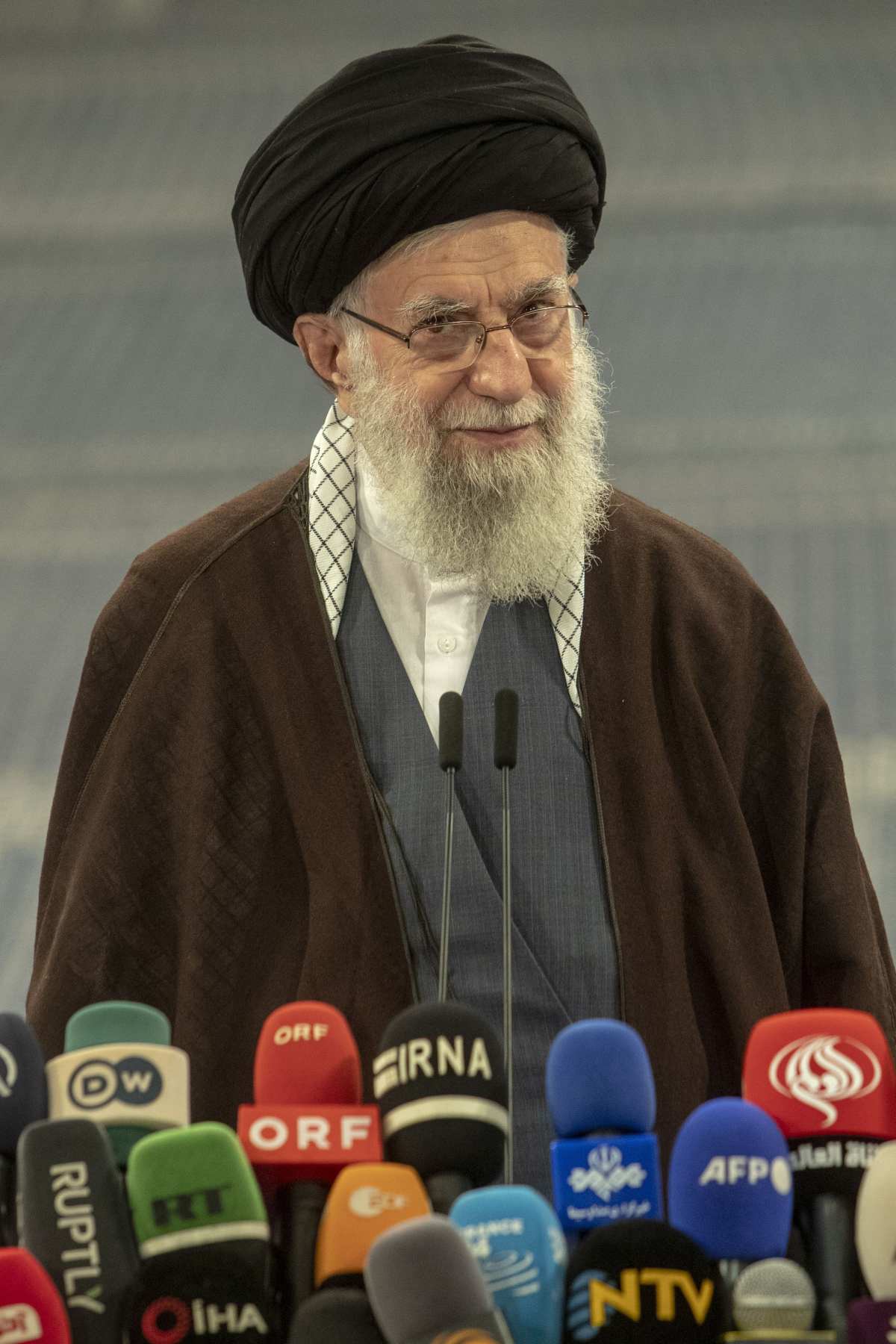
Iran has consistently denied seeking a nuclear weapon and dismissed Trump’s claims of “sinister nuclear ambitions” as part of a series of “big lies.” Tehran has warned that even a limited US or Israeli attack would prompt a severe response.
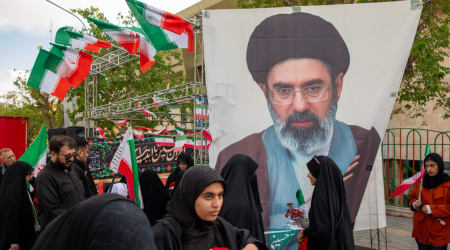
President Masoud Pezeshkian said Iran’s Supreme Leader had made clear the country would not pursue nuclear arms. “The leader of a society, a religious leader of a community, cannot lie,” Pezeshkian said.
Foreign Ministry spokesman Esmail Baghaei said Iran entered the talks with “full preparedness and seriousness.”

Sanctions and sticking points remain
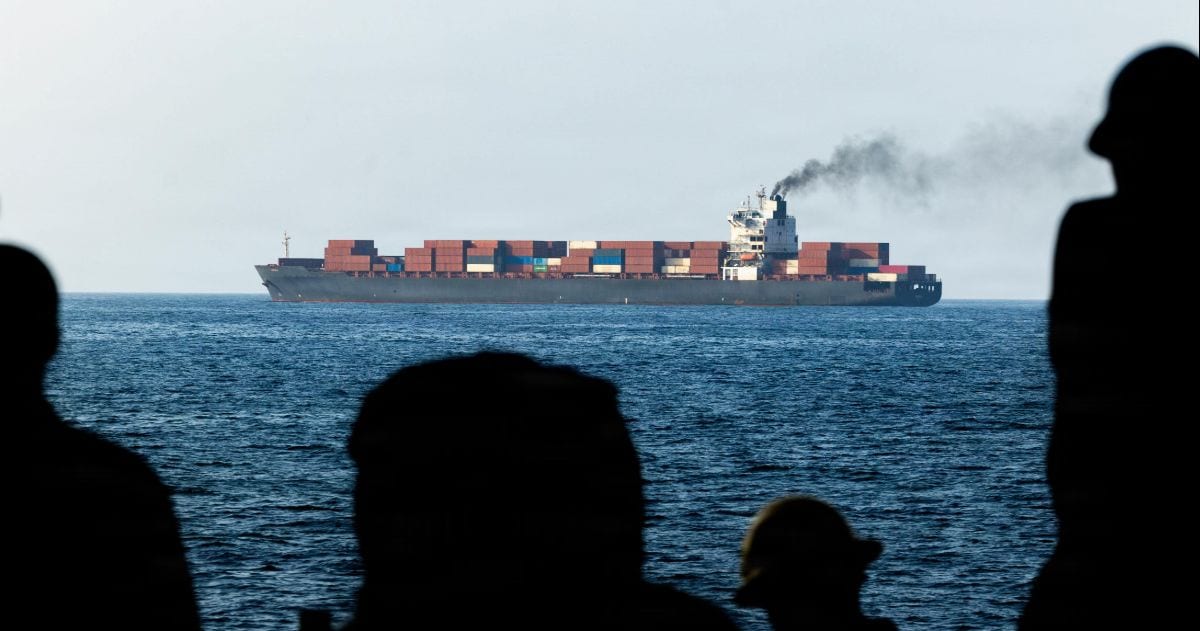
The negotiations come amid the largest US military buildup in the Middle East in decades, even as Washington sends mixed signals about whether its focus is on unrest inside Iran or Tehran’s nuclear ambitions.
Beyond uranium enrichment limits, the US is pressing Iran to curb its ballistic missile program and support for radical groups across the region, demands Iran has rejected, insisting talks remain confined to nuclear issues.
On the eve of the Geneva meeting, the Trump administration imposed new sanctions targeting Iran’s oil exports and ballistic missile production. Iranian officials have stressed that any concessions on their nuclear program must be met with significant sanctions relief.