Beijing furious as Trump upends One China policy days after historic Xi summit
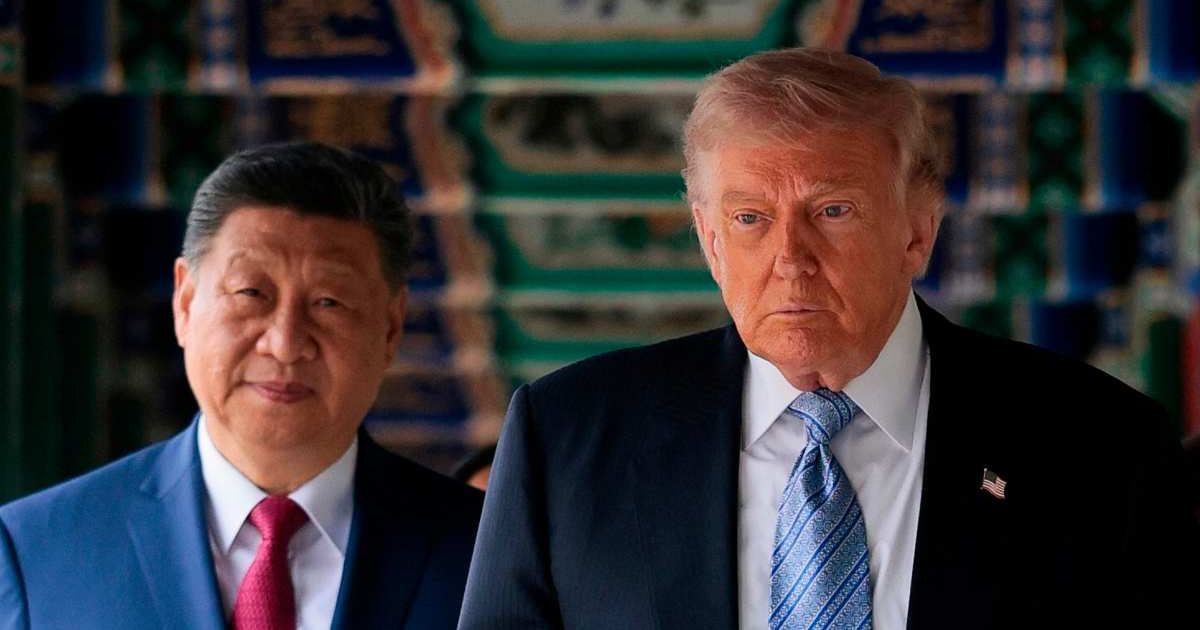
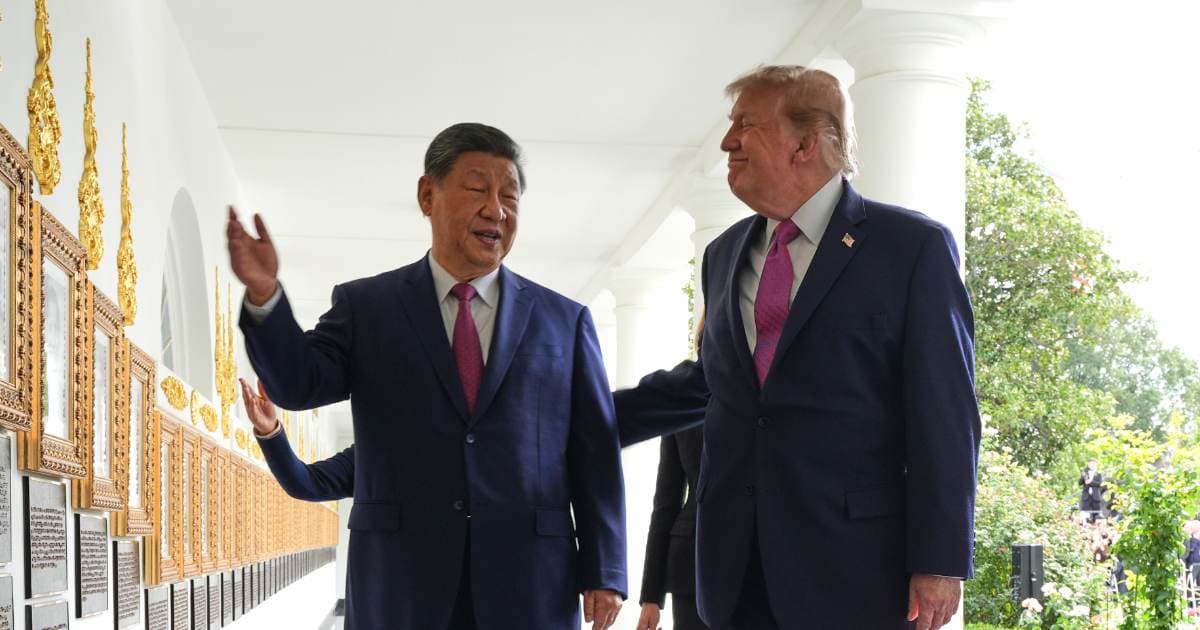
WASHINGTON, DC: Just days after concluding a historic two-day summit in Beijing, President Donald J Trump has ignited a massive diplomatic confrontation with the People's Republic of China.
The geopolitical friction erupted after the president publicly floated the possibility of speaking directly with Taiwanese President Lai Ching-te, upending decades of delicate cross-strait diplomatic protocol and drawing immediate, sharp retaliation from Chinese authorities.
The sudden shift in tone arrived on Wednesday, May 20, when Trump indicated to reporters that he was actively weighing whether to move forward with a pending $14 billion arms package to the self-governing island.
In a characteristically transactional move, the president described the massive weapons transfer as a powerful tool to extract concessions from Beijing, while simultaneously signaling an open line of communication to Taipei.
"Do you have any plans to call President Lai of Taiwan before you make a decision on the weapons package?"@POTUS: "I'll speak to him. I speak to everybody. We have that situation very well in hand. We had a great meeting with President Xi... we'll work on that, the Taiwan… pic.twitter.com/nTUcNUyg1T
— Rapid Response 47 (@RapidResponse47) May 20, 2026
"I’ll speak to [Lai]. I speak to everybody. We have that situation very well in hand," Trump declared when pressed on the pending arms sales. "We’ll work on that, the Taiwan problem."
China demands adherence to protocol agreements
The Chinese Foreign Ministry reacted with swift and firm condemnation on Thursday, warning the White House that any official engagement with the island democracy violates longstanding sovereignty frameworks.
Beijing has long maintained an unyielding claim over Taiwan, which continues to operate with its own independent currency, federal military, and democratic institutions.
China firmly opposes official exchanges between the US and China's Taiwan region, and firmly opposes US arms sales to Taiwan region.
— China Military Bugle (@ChinaMilBugle) May 21, 2026
This position is consistent, clear and firm, said Chinese Foreign Ministry spokesperson Guo Jiakun on Thursday in response to a media inquiry… pic.twitter.com/T6GrggF9rX
Chinese leader Xi Jinping has repeatedly vowed to bring the territory under mainland control, by force if necessary.
"China’s opposition to official US exchanges with China’s Taiwan region and US arms to Taiwan remains consistent, clear and firm," stated Chinese foreign ministry spokesman Guo Jiakun during a briefing in Beijing.
Guo urged Washington to "handle the Taiwan question with actual prudence." Under the historic US 'One China' policy, successive American administrations have acknowledged Beijing’s sovereign claims while taking no official position on them, typically avoiding direct communication with Taiwanese heads of state to prevent fracturing relations with the People's Republic of China.
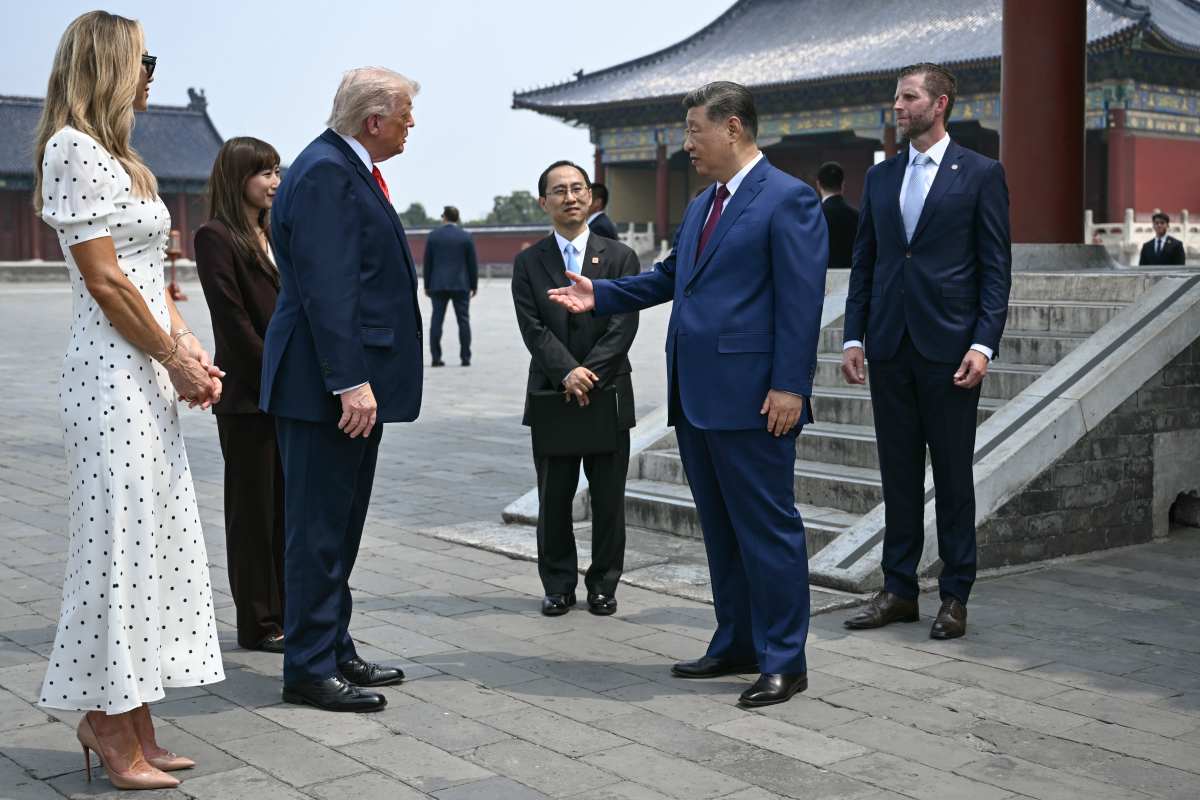
President breaks diplomatic boundaries once again
Trump's willingness to engage directly with Taipei represents a familiar disruption to Washington's traditional foreign policy playbook.
The president previously broke established protocol in December 2016 when he accepted a congratulatory phone call from then-Taiwanese President Tsai Ing-wen, a rogue diplomatic maneuver that infuriated Chinese leadership at the time.
The President of Taiwan CALLED ME today to wish me congratulations on winning the Presidency. Thank you!
— Donald J. Trump (@realDonaldTrump) December 3, 2016
The timing of the statements has injected immense volatility into Asian security corridors, arriving immediately after Trump became the first sitting American president to set foot on Chinese soil since 2017.
While Trump frequently boasts about his "great relationship" with Xi following their extensive meetings last week, his willingness to utilize the $14 billion defensive framework as a flexible bargaining counter has triggered deep anxiety within the region's security establishment.
Lawmakers slam aggressive semiconductor industry critiques
Compounding the international friction, Trump also launched a blistering rhetorical attack against Taiwan's dominant technological footprint, alleging that the island democracy "stole our chip industry."
The aggressive remarks immediately drew sharp condemnation from lawmakers on Capitol Hill, particularly from opposition Democrats who argue that undermining Taipei's economic legitimacy actively damages global supply chain stability.

The domestic political backlash underscores the high stakes facing President Lai Ching-te, who was elected in January 2024 and has since been spearheading one of the island’s most aggressive efforts to build up its sovereign defense infrastructure in years.
By framing essential military sales as a "great negotiating chip" rather than a binding security guarantee, Trump's latest remarks leave both allies in Taipei and counterparts in Beijing guessing as to how the administration will ultimately navigate the volatile cross-strait standoff.