Secret US-Iran memorandum leaks, revealing Middle East troop withdrawal roadmap
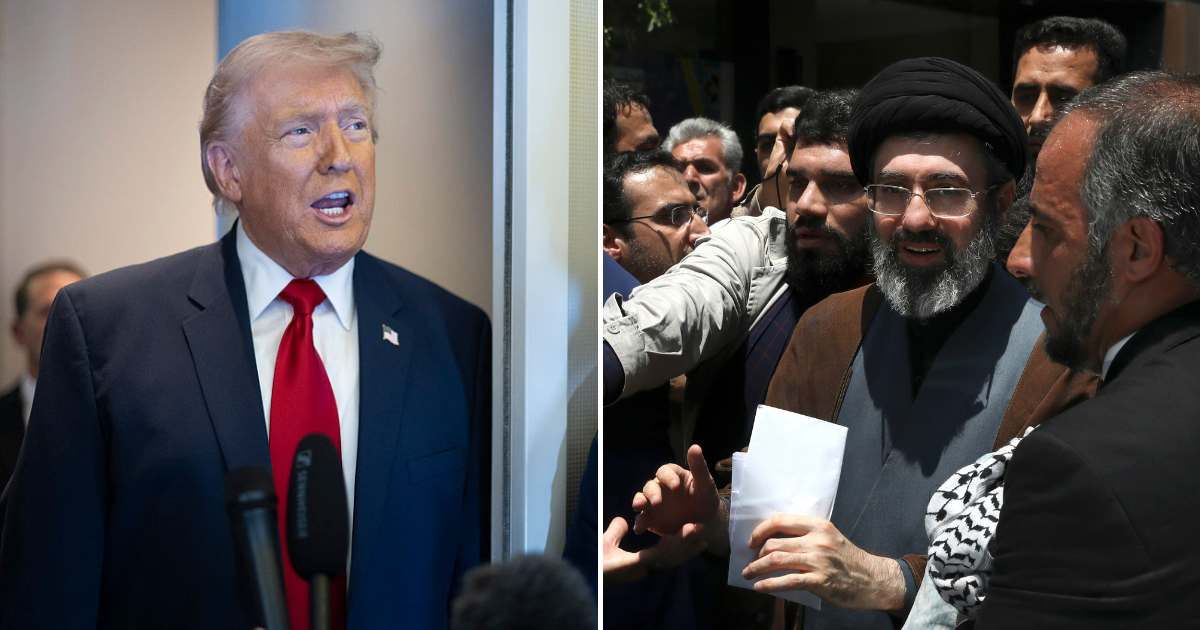
WASHINGTON, DC: The highly confidential substance underpinning President Donald J Trump's unreleased pact with the Islamic Republic of Iran has leaked to international media, shifting the global conversation from sheer speculation to the concrete, high-stakes concessions being made by both Washington and Tehran.
First published by Axios reporter Barak Ravid via Israel’s Channel 12, the explosive 12-point memorandum of understanding uncovers the most comprehensive structural blueprint of the accord yet, laying bare a definitive roadmap for reducing the American military footprint in the Middle East.
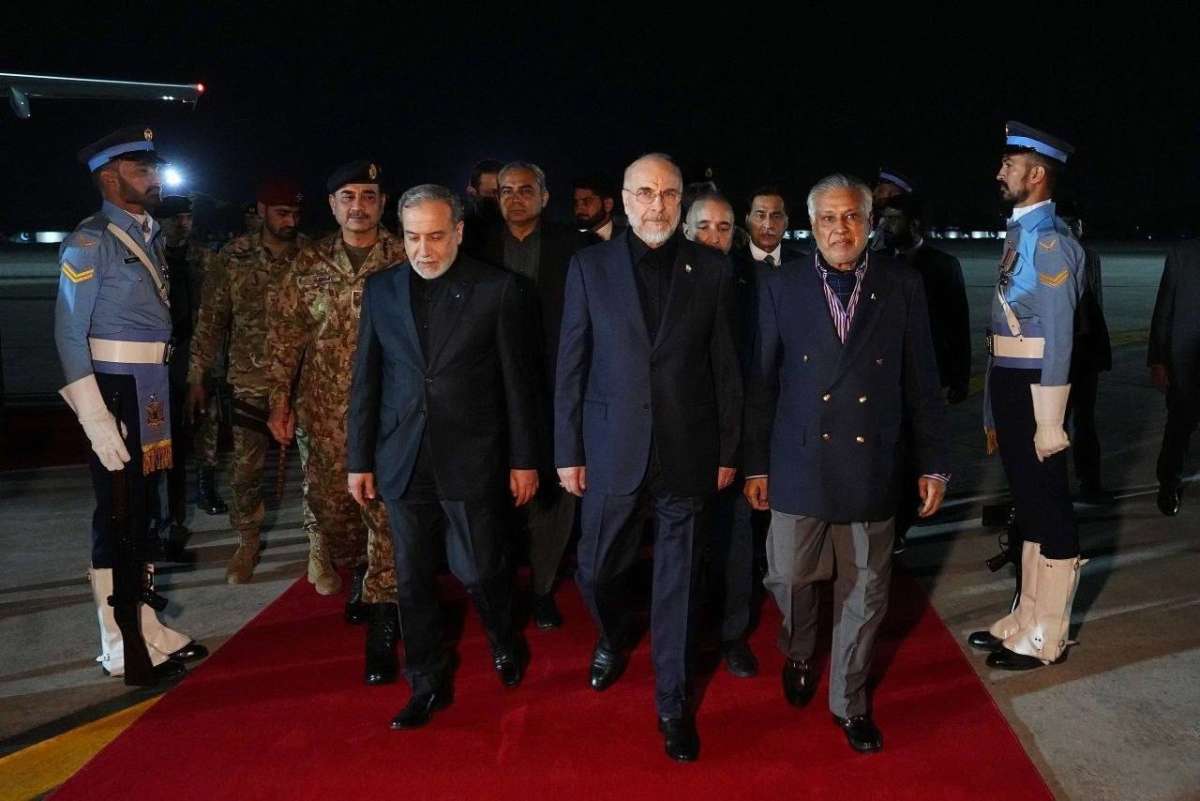
The sudden disclosure of the secret framework reveals a far-reaching, controversial compromise designed to completely reset regional security.
Beyond temporarily waiving severe oil penalties and granting Tehran access to frozen sovereign accounts, the document outlines unprecedented maritime security trade-offs and a comprehensive regional truce.
By linking immediate economic lifelines to long-term military repositioning, the text injects massive volatility into active energy corridors while redefining America's historic role across the Levant.
Bilateral accord mandates regional truce
According to the leaked document, the United States, Iran, and their respective localized allies must immediately cease all active hostilities across the entire theater, explicitly extending the fragile ceasefire line into Lebanon.
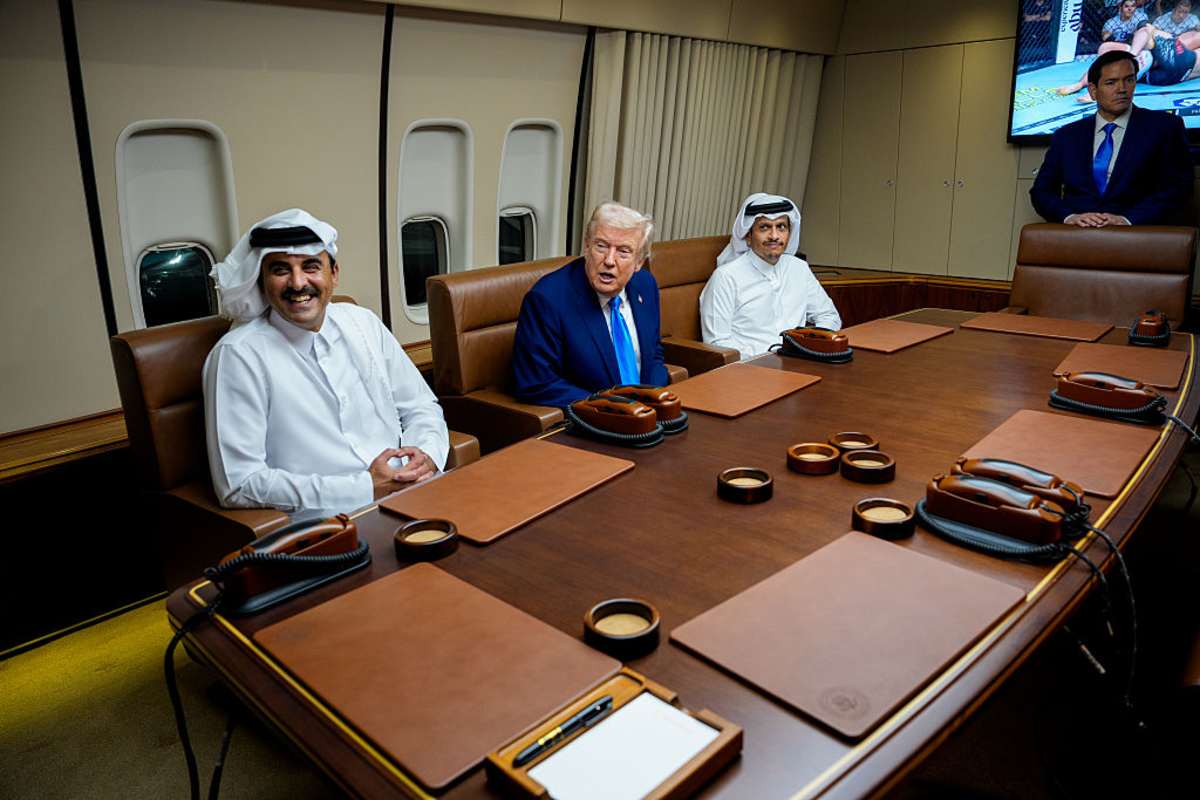
While the Pentagon commits to holding off on new sanctions and freezing additional troop deployments, Tehran must formally reaffirm its pledge never to assemble atomic weapons.
Furthermore, Iran is required to maintain the current status quo of its nuclear program while technical negotiations dictate the ultimate disposal of its enriched material.
In return, Washington will completely dismantle its maritime blockade, allowing the immediate restoration of commercial shipping.
Tehran secures maritime rights
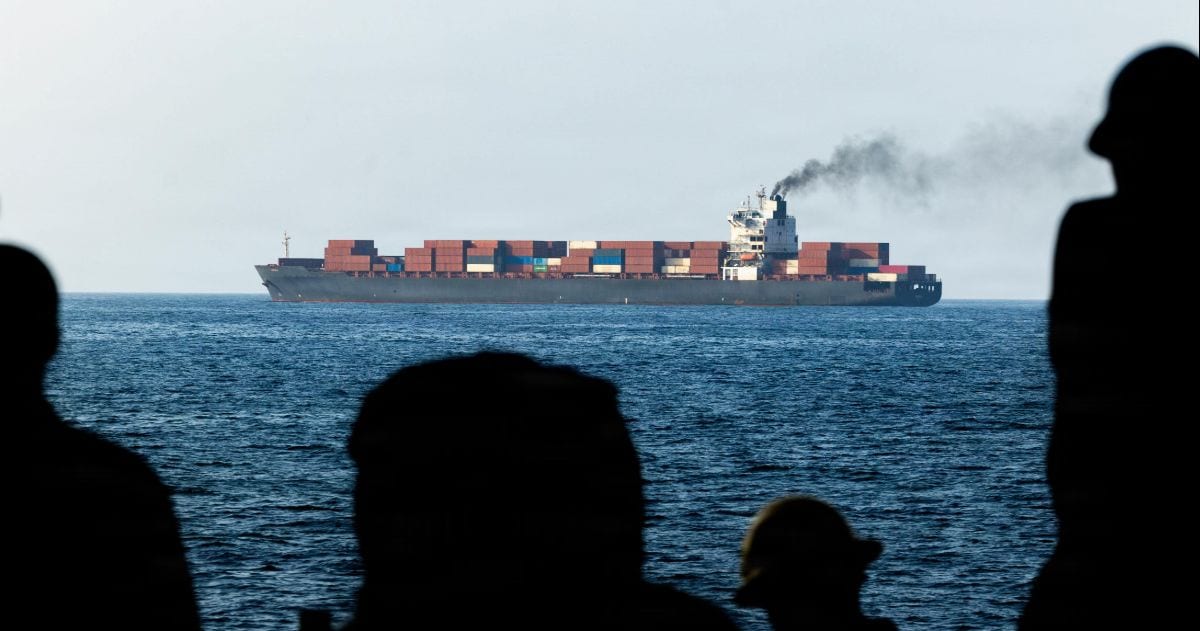
The most striking provision of the leaked framework permits Iran to actively manage the Strait of Hormuz during the upcoming 60-day negotiation window.
Tehran has guaranteed safe, toll-free passage for global commercial vessels through the critical chokepoint, which handles 20% of global petroleum traffic.
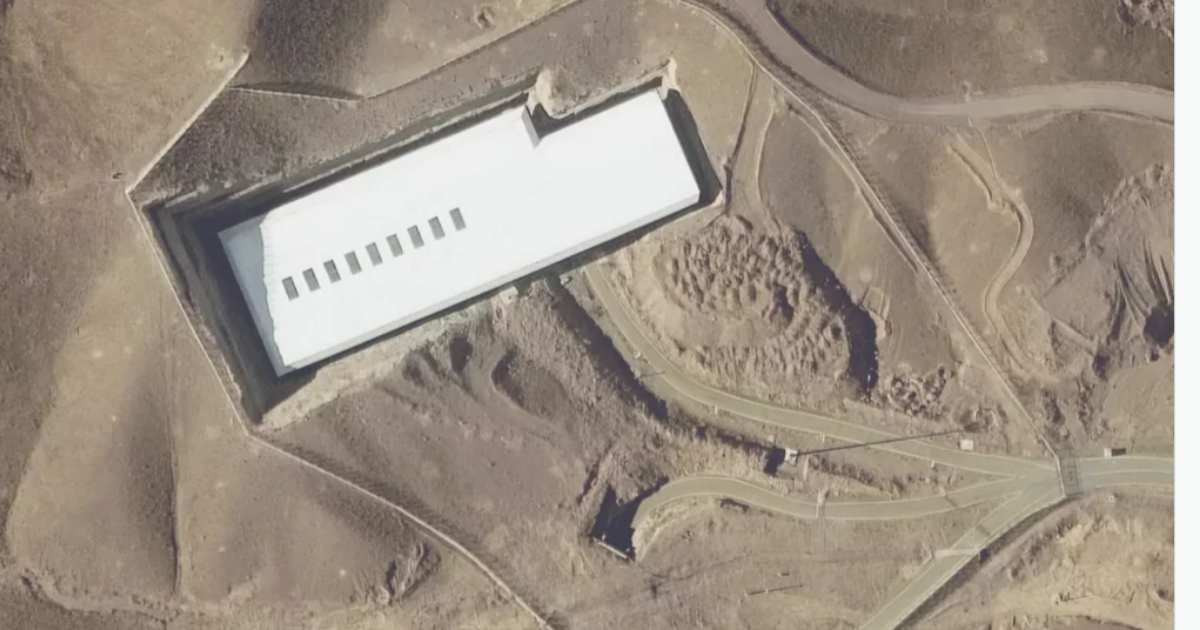
However, regional intelligence sources confirm that Iran and Oman have already initiated separate bilateral talks aimed at charging specialized fees for maritime services.
This localized oversight mechanism, paired with Washington's pledge to release an undisclosed sum of restricted state assets once the memorandum takes effect, hands the Iranian state apparatus immense geopolitical leverage as both nations race toward a finalized treaty.