Trump blasts Netanyahu’s ‘no f***ing judgment’ as Israel strike delays Iran deal
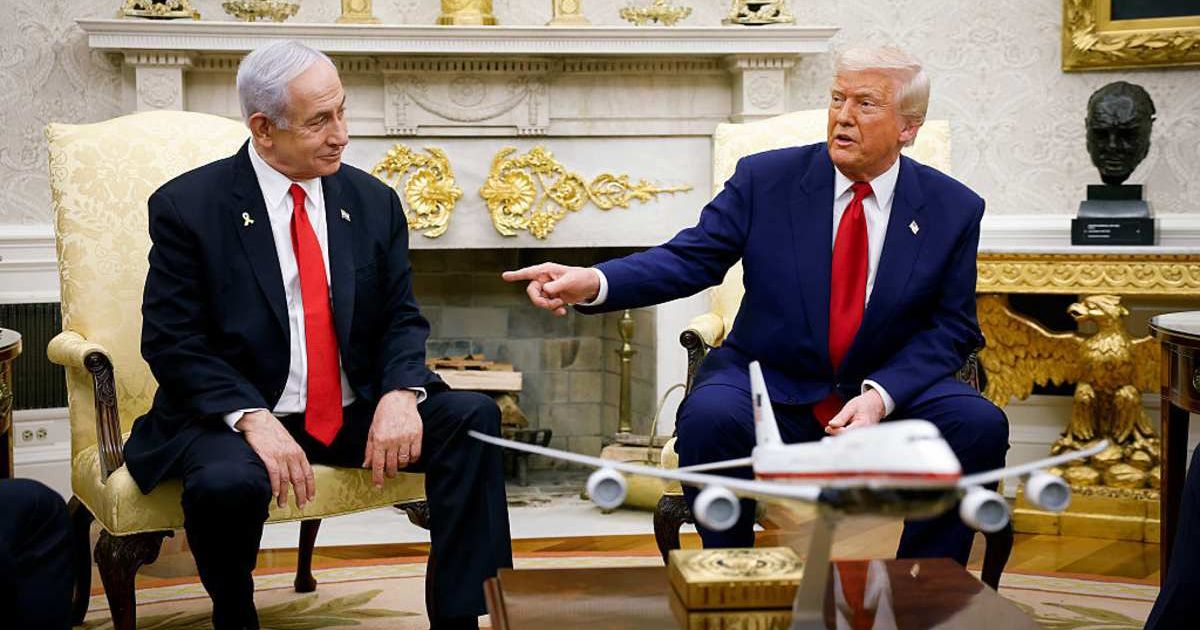
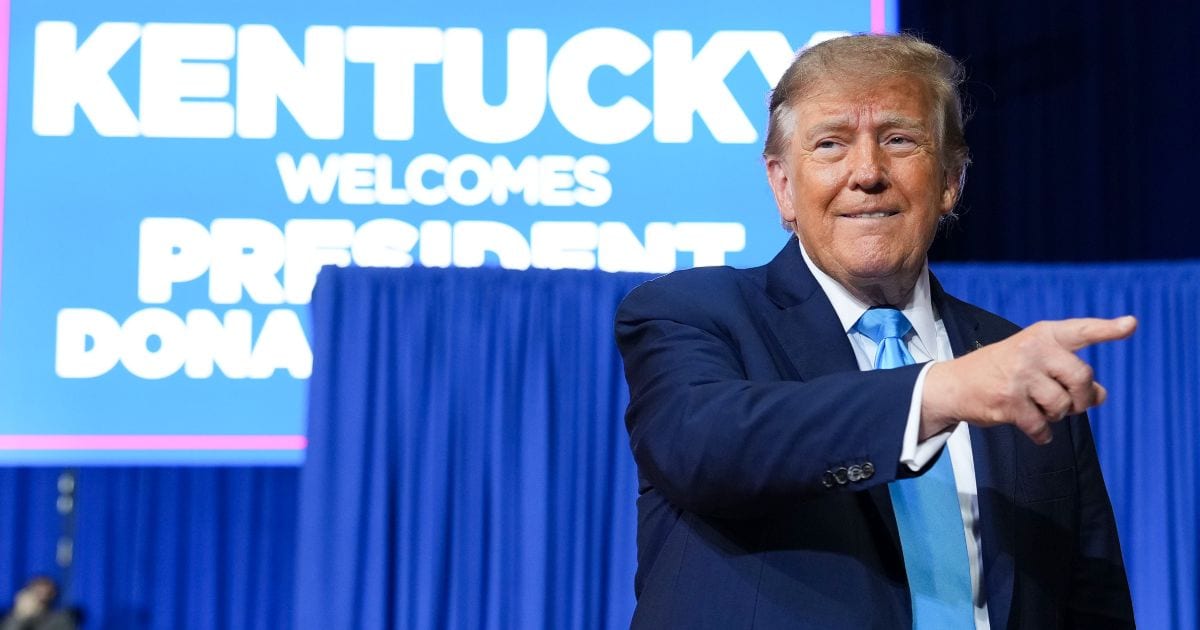
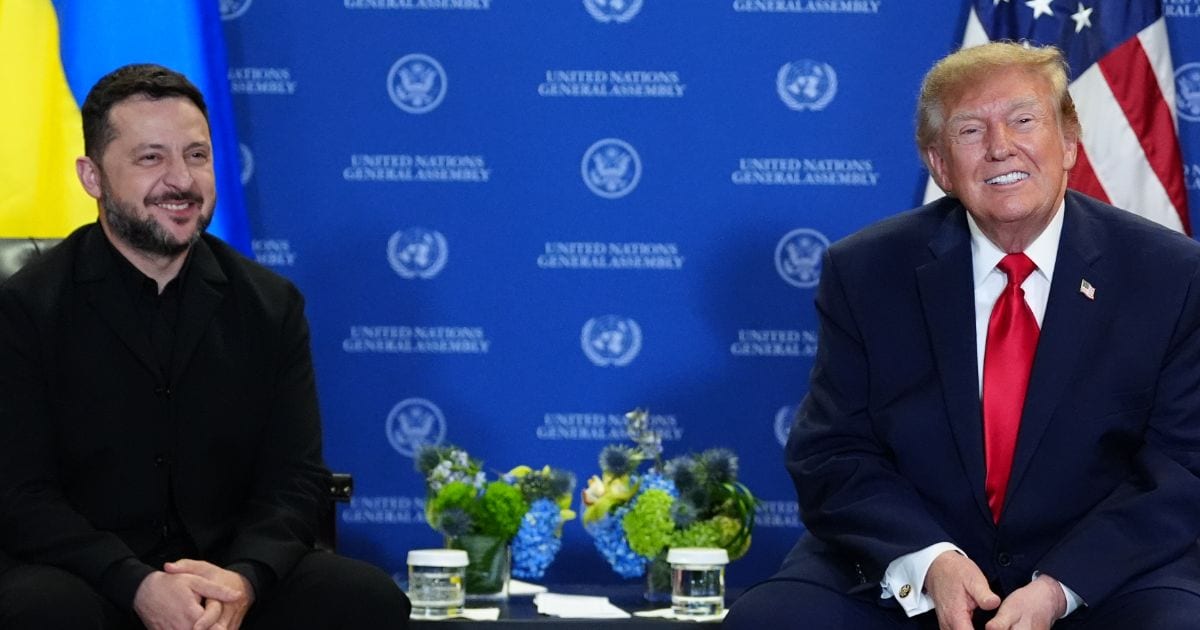
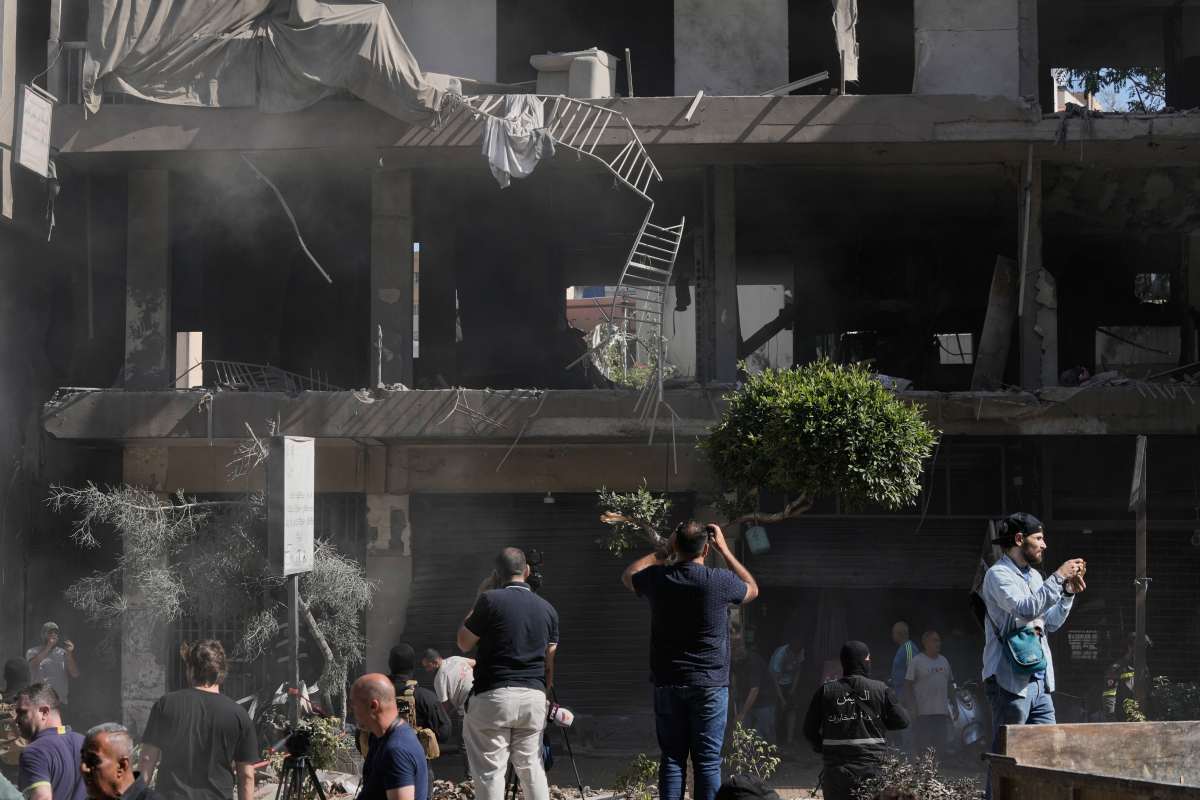
WASHINGTON, DC: President Donald Trump has revealed that a historic bilateral agreement to end the 100-day war with Iran was scheduled to be signed on Sunday afternoon, but a sudden, uncoordinated Israeli military strike in Beirut blindsided the White House and forced an immediate delay.
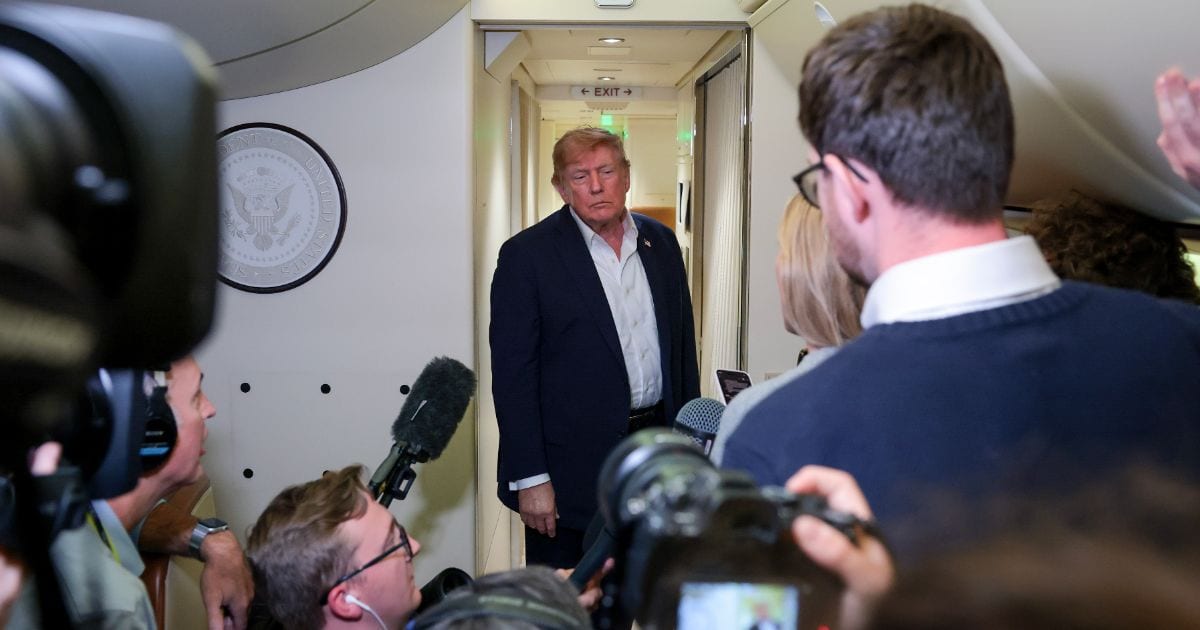
Speaking in an explosive telephone interview with Axios, Trump expressed immense fury at Israeli Prime Minister Benjamin Netanyahu, warning that the unauthorized escalation severely compromised months of backchannel diplomacy at the absolute zero hour of the negotiations.
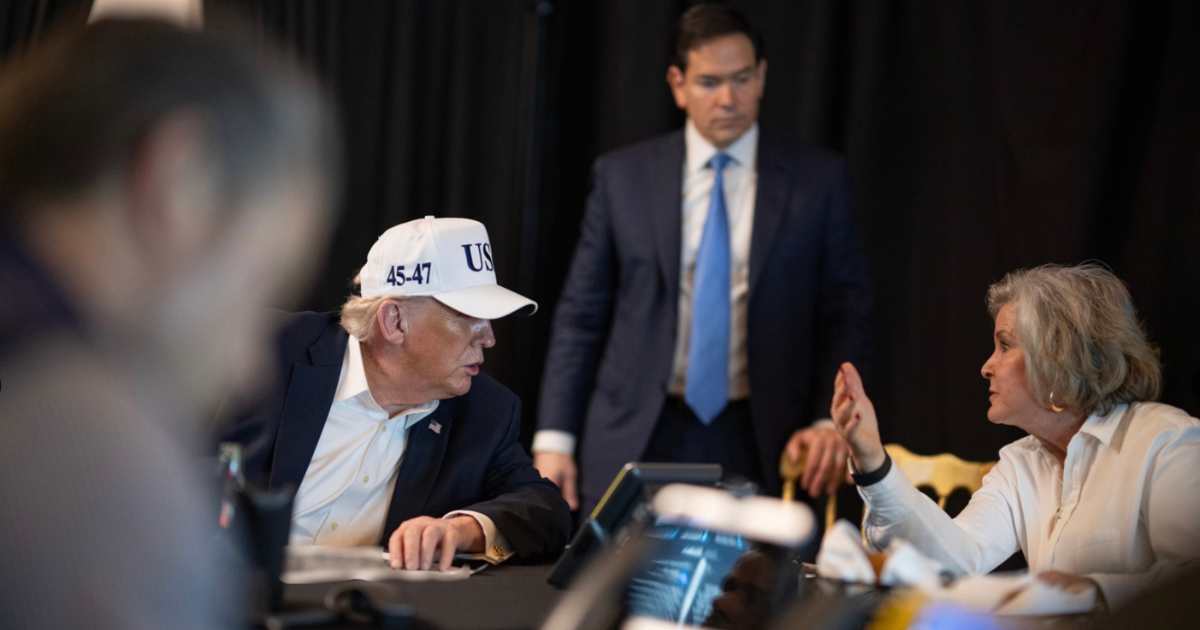
The remarkable public rift between the two traditional wartime allies exposes a high-stakes geopolitical showdown as the administration races to salvage its premier foreign policy objective.
Trump stated that he was shocked when intelligence advisors briefed him on the localized aerial bombardment of Lebanon, which occurred just sixty minutes before the electronic signing ceremony was set to commence.
While the president acknowledged that Hezbollah had initiated low-level border friction earlier in the morning, he stressed that the initial cross-border actions had caused no infrastructure damage or personnel casualties, rendering Israel's massive retaliatory response completely unnecessary.
Executive blasts allied cross-border attacks
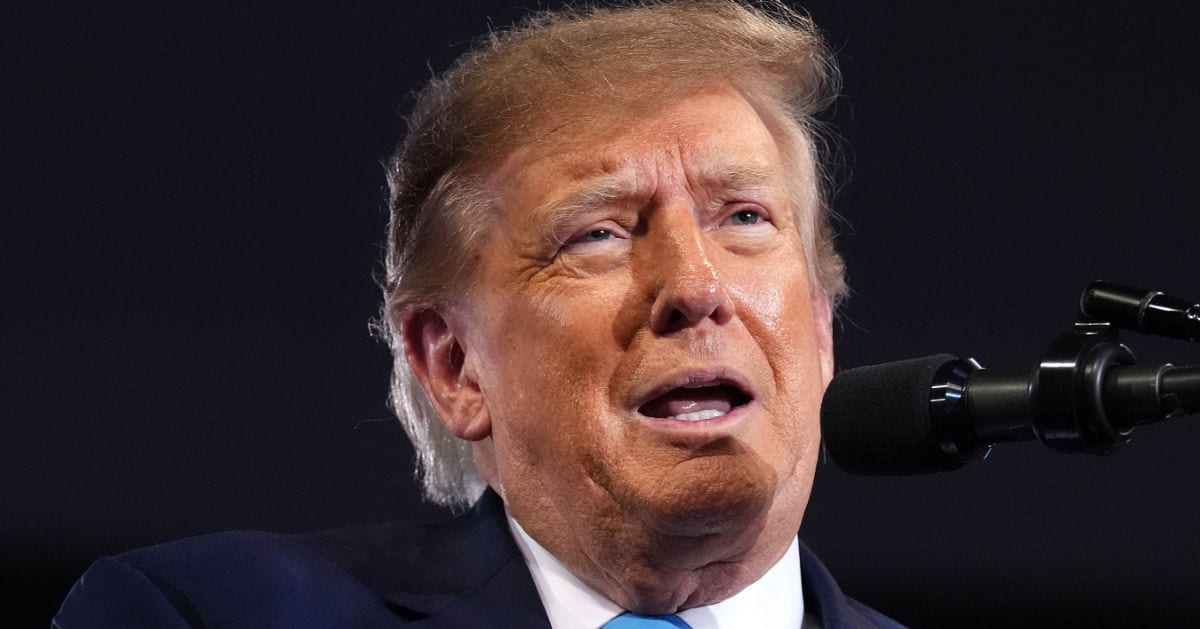
"Bibi has no judgment. It is so bad—I couldn't believe it," Trump fumed, revealing that he issued an immediate, direct reprimand to the Israeli prime minister following the attack.
The executive intervention highlights a deep strategic divergence between Washington and Jerusalem over the ultimate endgame of the conflict.
The administration maintains that the pending agreement is inherently beneficial to long-term Israeli security because the framework mandates the comprehensive, verified forfeiture of Tehran’s entire enriched atomic stockpile.
Under the negotiated terms, international non-proliferation teams will secure immediate on-site destruction rights alongside permanent snap inspections of all active nuclear facilities, an outcome the White House argues is far more effective than prolonged regional warfare.
Negotiators turn to backchannel diplomacy
Despite the severe operational disruption, Trump insisted that the prospective memorandum remains on track to be finalized digitally by Sunday evening.
The sudden escalation had initially triggered a fierce response from Tehran, where Ebrahim Azizi, chairman of the Iranian parliament’s national security committee, publicly warned that harsh military retaliation against Israel was actively looming.
To prevent a total collapse of the framework, mediators from Qatar and Pakistan spent the afternoon engaging in emergency backchannel communications.
Their goal was to reassure Iranian officials that the United States remains fully committed to the economic provisions of the deal, including the immediate lifting of the naval blockade on the Strait of Hormuz.
While it remains unclear if the White House has secured ironclad signatures from the supreme leader's inner circle following the Beirut strike, administration teams are maintaining an uncompromising push to execute the treaty before midnight.