‘We didn’t sign up for this’: Reporters challenge Trump White House over flight secrecy
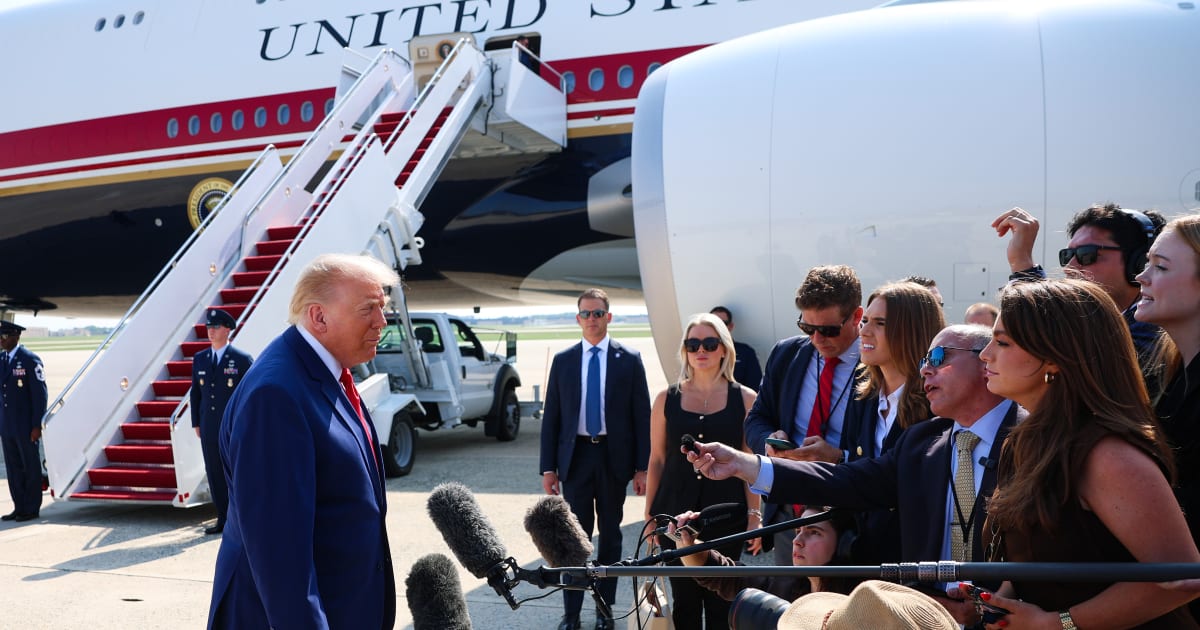
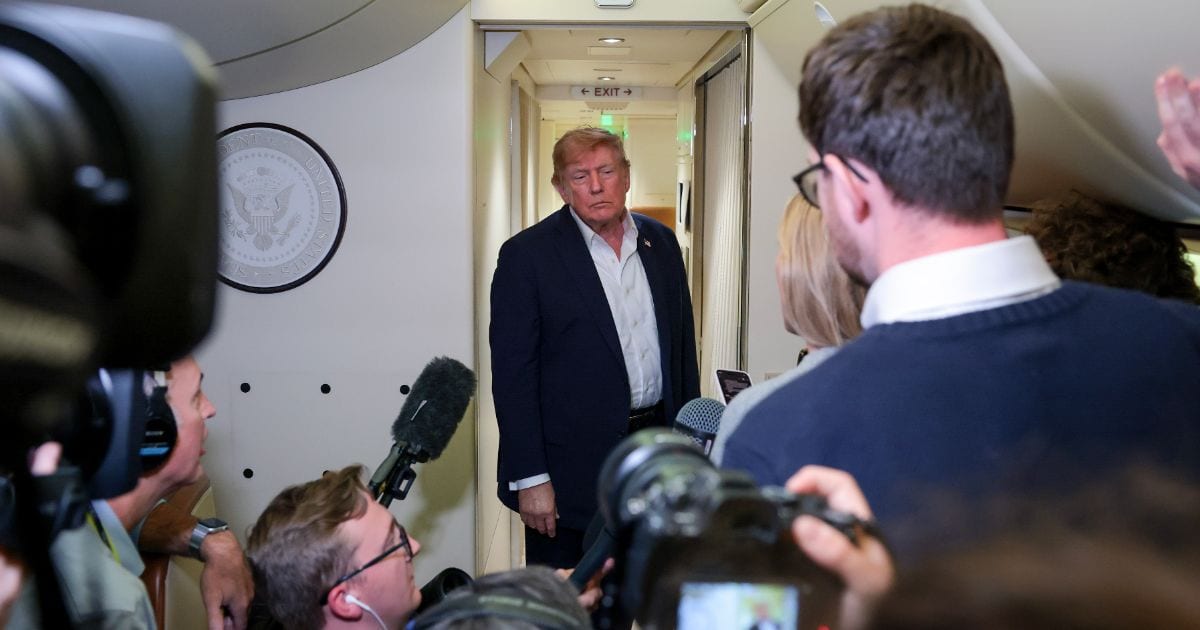
WASHINGTON, DC: Journalists who remained aboard Air Force One during a secret flight operation from Turkey to United Kingdom last month over a perceived Iranian threat say the Trump White House should have warned them about the operation.
The journalists said they accept risks covering the president Donald Trump but felt deceived after learning Trump had been moved to another plane.
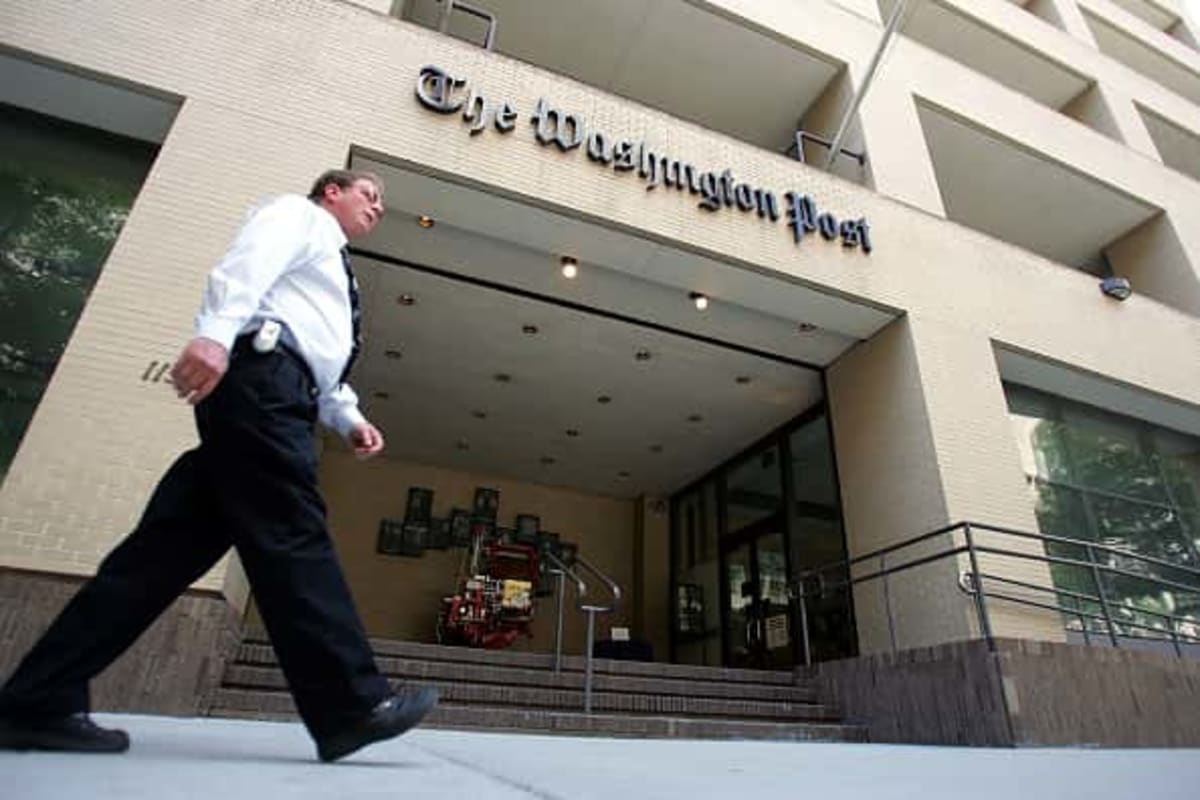
The Washington Post reported Saturday, August 15, after four journalists described what they noticed during the flight.
Reporters say they deserved a warning
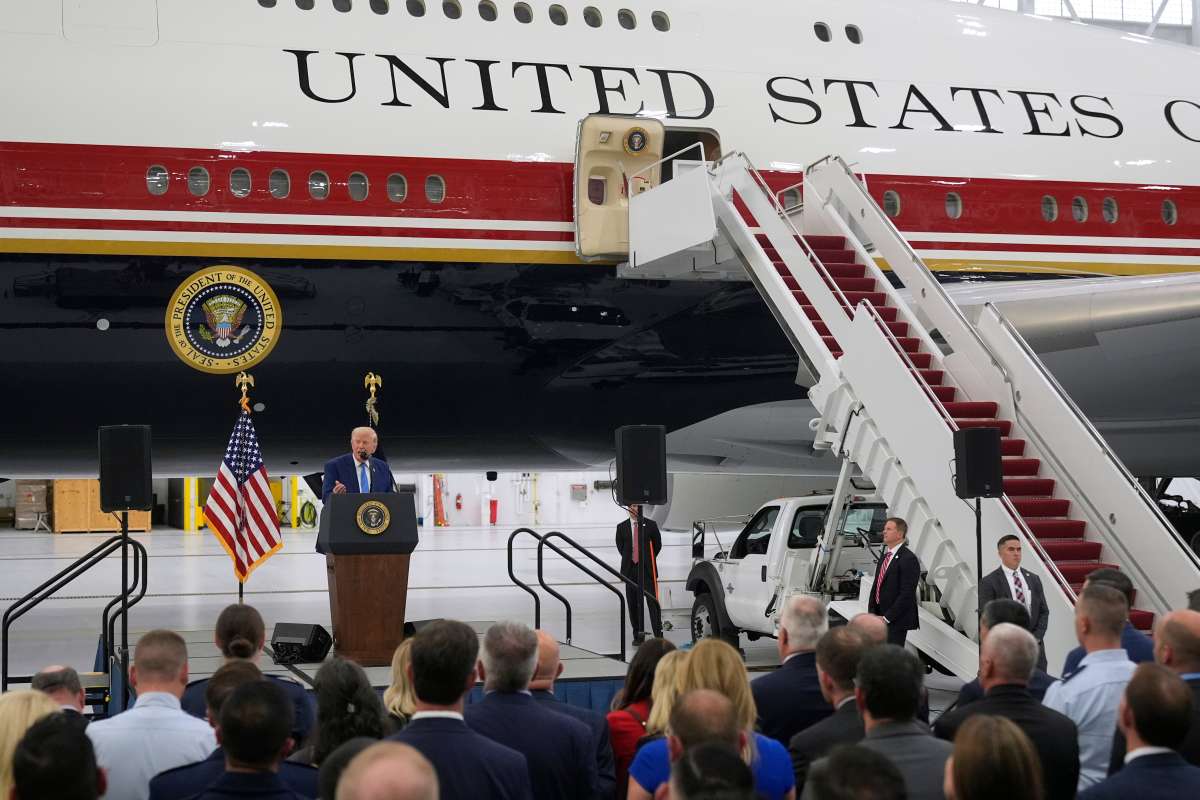
“We never were provided any opportunity to consent to being used like this,” one journalist told the Post. “We aren’t Air Force or Secret Service — we didn’t sign up for this job to put ourselves on the line to protect the president.”
The journalists said they would have respected security-related restrictions if they had been told what was happening.
Instead, they learned only afterward that Trump had secretly left the plane because of a perceived threat from Iran.
The newspaper reported that the CIA had “low confidence” in a threat from Iran, and it remains unclear whether journalists or government staff aboard Air Force One faced any direct threat.
The Boeing 747 carrying them has defensive flares and other security measures.
Two US officials said F-16s were deployed as armed escorts during the flight to Britain.
One official said some fighters flew just off the wingtips of the plane carrying Trump for at least part of the journey.
White House faces press safety concerns
Richard W Stevenson, Washington bureau chief for the New York Times, said the secrecy damaged trust between the administration and journalists traveling with the president.
“Transparency was thrown entirely out the window, replaced by outright deception,” Stevenson said. “That’s a terrible precedent.”
AFP, which had a photographer aboard, also raised concerns about the operation.
“It is always a matter of concern when a media outlet discovers it has been misled and the record not corrected right away,” said Marc Lavine, AFP’s regional director for North America.
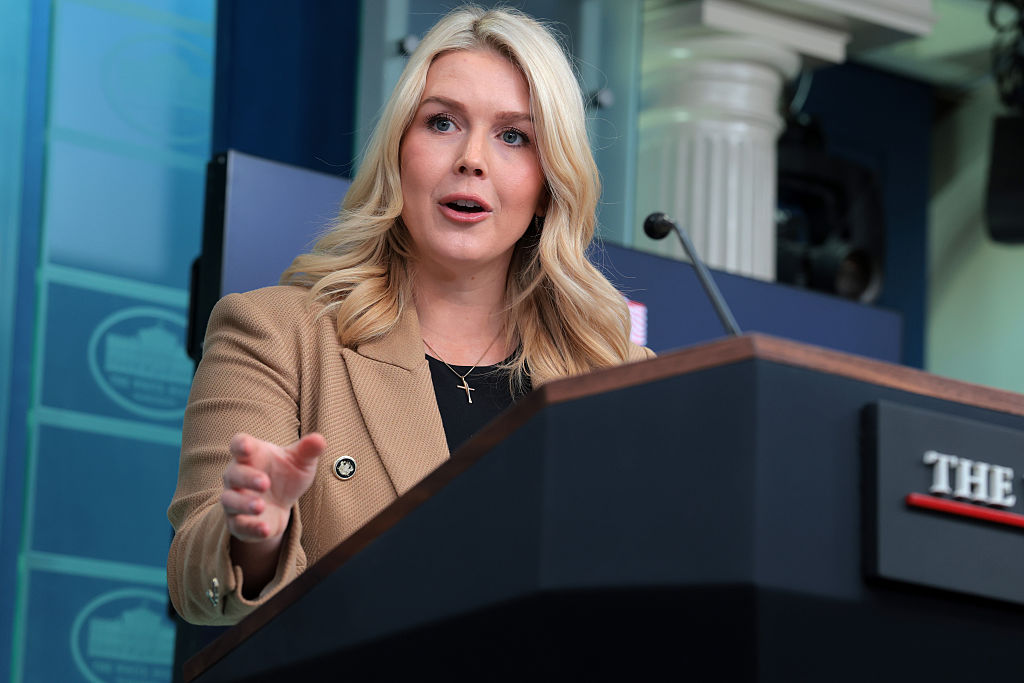
National Press Club President Mark Schoeff Jr said the situation raised safety questions. “If reporters were unknowingly left aboard an aircraft as part of a security deception involving a credible threat, that is deeply troubling,” he said.
Press groups seek answers
José Zamora of the Committee to Protect Journalists said the administration has a responsibility to keep journalists covering the president out of danger.
“Transparency should be the norm for any administration, particularly when safety is at stake,” he said.
White House Correspondents’ Association President Jacqui Heinrich told members she would meet with White House officials to relay their concerns.
Her email said reporters need a way to correct the record after security concerns pass if they were unknowingly transmitting inaccurate or misleading information.
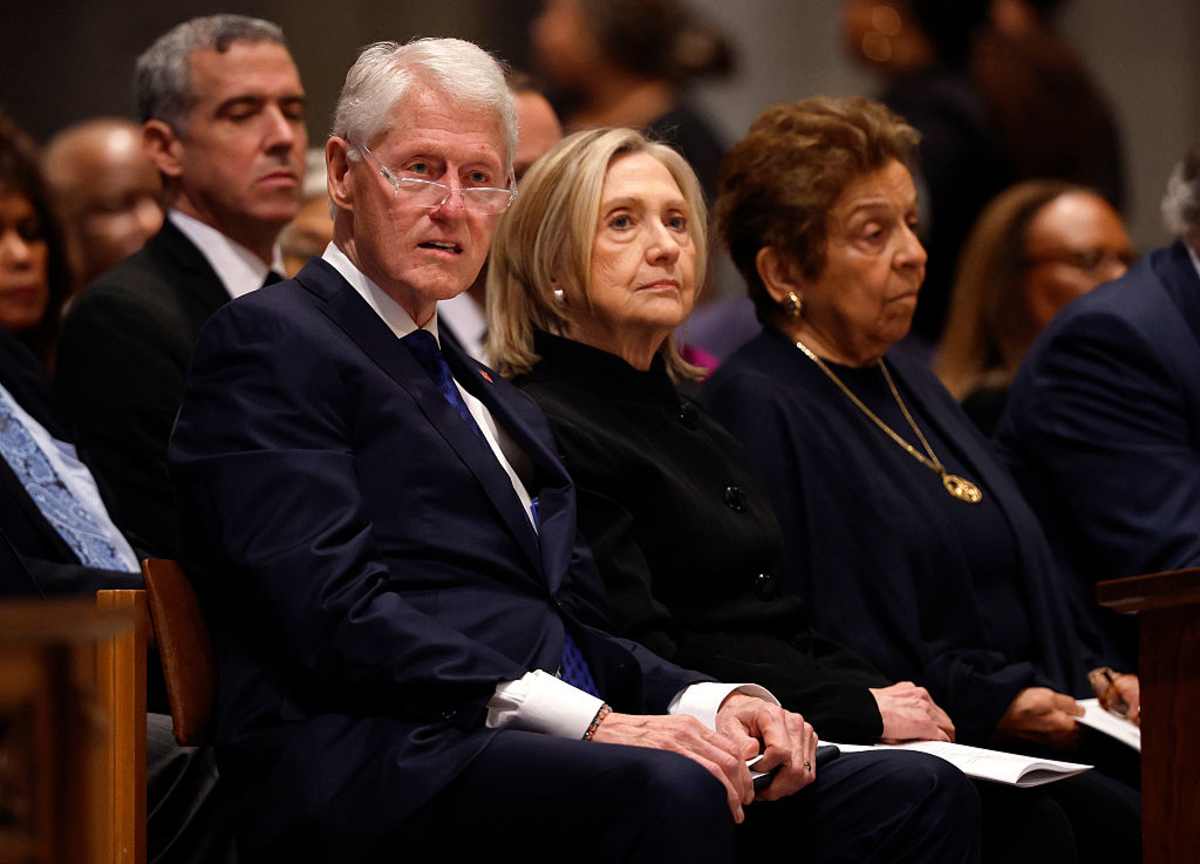
A similar maneuver occurred during a 2000 flight involving former President Bill Clinton leaving Pakistan, but White House officials briefed then-White House Correspondents’ Association president Susan Page off the record about what would happen.
One journalist summarized the concern this way: “I think you can ask people to take those risks. But you should be honest about it.”