Trump's deportation machine finds a new shortcut: Miss court, get deported

WASHINGTON, DC: Immigration courts across the US are handling unusually large groups of cases in single sessions, with some hearings scheduled on short notice and immigrants receiving deportation orders after failing to appear, according to reporting by The Guardian reporting based on courtroom observations and immigration court data.
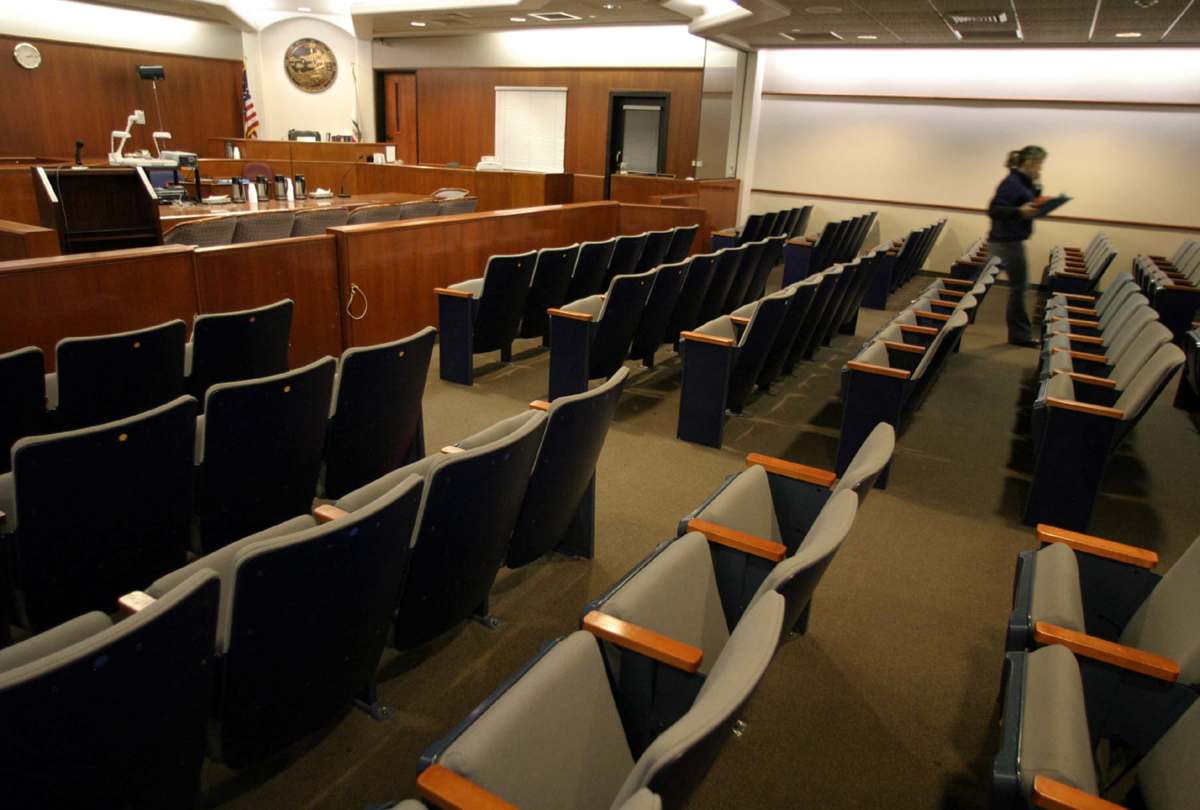
The hearings, known as “mega master” calendar hearings, can involve 100 to 200 cases in a single session.
Researchers found that 53,808 removal orders were issued in absentia in June, meaning the people involved were ordered removed without being present in court. More than 13,000 of those orders came from master calendar hearings with at least 100 people scheduled.
The changes have emerged as the Trump administration has pushed immigration courts to complete cases more quickly, while attorneys and former immigration judges have raised concerns about notice, legal representation, and opportunities for immigrants to present their cases.
Mass hearings reshape immigration courtrooms
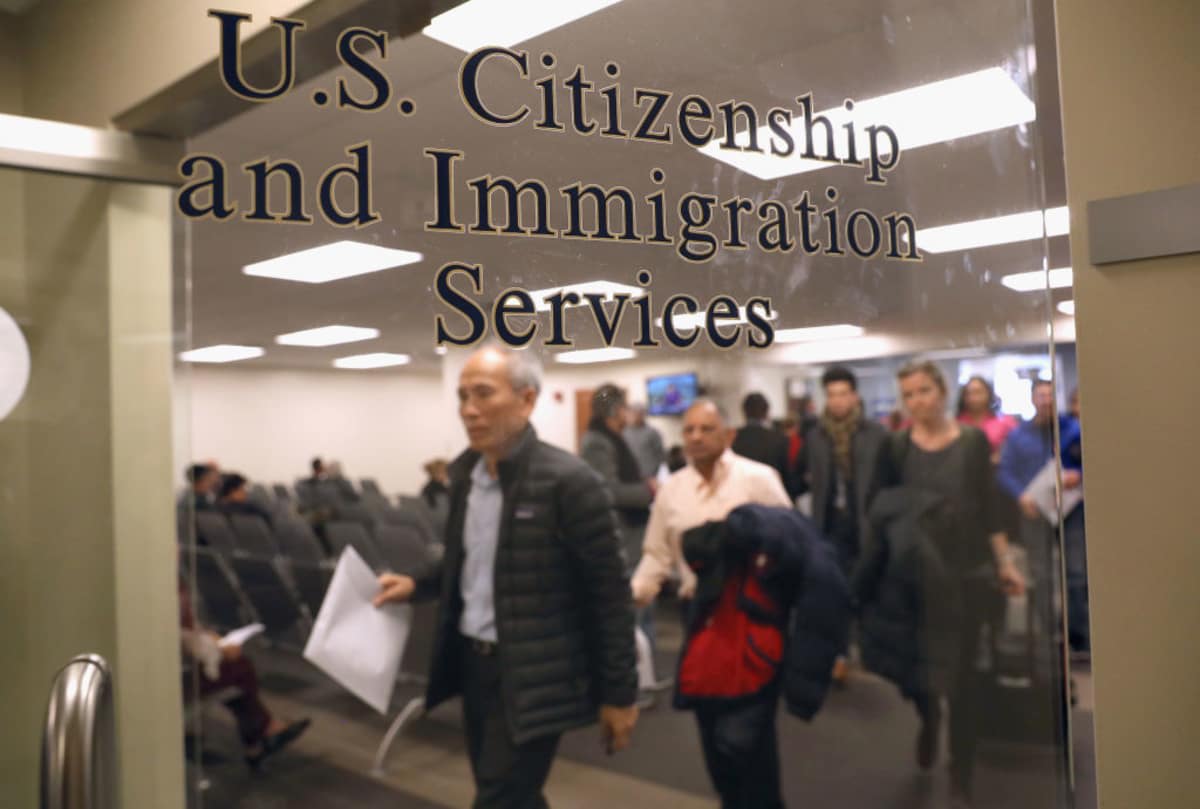
Master calendar hearings have traditionally handled early procedural stages of immigration cases. Judges generally explain respondents’ rights, review immigration charges, address legal representation, and determine the next steps in a case.
Researchers tracking immigration court records found that these hearings have increasingly involved much larger numbers of people. Federal officials have used a threshold of 100 to 200 scheduled cases and 150 people per session for what they call "mega masters."
The shorter scheduling windows have also made it harder for some immigrants to secure attorneys. The median potential notice period for non-detained immigrants before master calendar hearings fell to 42 days in June, according to researchers.
In one San Antonio hearing, Judge Brittany A Rodriguez reviewed a list of people who had failed to appear and issued removal orders in absentia.
On the same day, another judge, Rifian Newaz, reviewed cases involving people who did not appear and ultimately issued 26 removal orders in absentia.
Short notice linked to missed hearings

Researchers found a significant difference between hearings where people had more time to prepare and those scheduled with little notice.
In Kansas City, Judge Jayme Salinardi considered two dockets in June. One involved 93 people, with a median lead time of no more than 15 days after their hearing dates were changed. That session resulted in 56 in absentia removal orders.
A second docket involving 96 people had a median lead time of 196 days and resulted in nine such orders.
In New York, Judge Christopher Cusmano handled a May hearing involving 73 people, with a median lead time of 169 days. Seven received in absentia removal orders.
On June 25, more than three-quarters of the 95 people on another docket received such orders after the median lead time fell to 24 days.
In absentia orders reach record levels

Researchers at bklg.org found that the number of non-detained respondents appearing for master hearings in June was 28.6% higher than in June 2024, while in absentia removal orders increased 183.6% over the same period.
Legal advocates said people can miss hearings for several reasons, including inadequate notice, address errors and fear of immigration enforcement at courthouses.
ICE arrests at immigration courts under the second Trump administration have also contributed to concerns among immigrants about attending proceedings.
Once an in absentia removal order is issued, immigrants can seek to reopen their cases, but such motions generally require evidence, legal arguments and a $1,065 filing fee.
The Executive Office for Immigration Review said it is focused on completing cases in a timely and lawful manner, arguing that unnecessary delays can harm both immigrants with valid claims and the public seeking enforcement of immigration laws.