Mamdani’s $500M ‘tax the rich’ plan hits major roadblock as judge orders him to start over
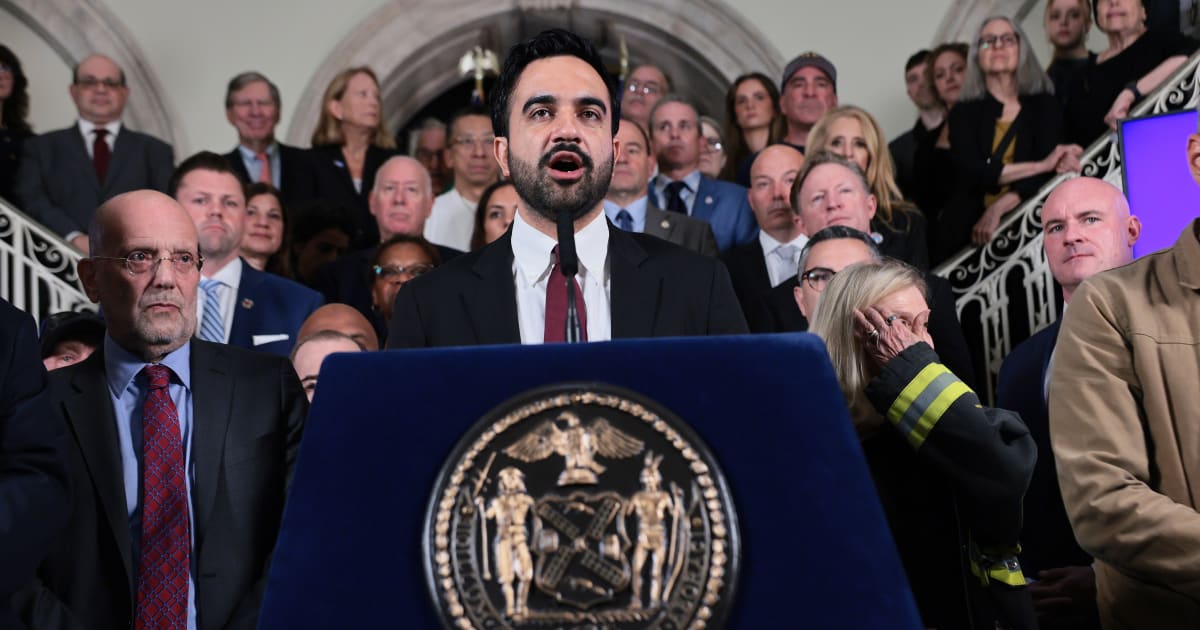
WASHINGTON, DC: New York City Mayor Zohran Mamdani’s signature pied-à-terre tax, a plan to raise an estimated $500 million a year from high-value second homes has hit a major legal setback after a Staten Island judge ordered the city to redo how it identified and notified potential taxpayers.
The September 29 ruling does not invalidate the surcharge itself, but cancels roughly 17,000 notices already sent and requires the Department of Finance to make individualized determinations before issuing new ones.

The decision comes months after New York enacted the surcharge, which took effect July 1, and as separate lawsuits challenge the tax itself.
The city has appealed Ozzi’s ruling, putting the immediate restart on hold.
Judge rejects city’s notice process
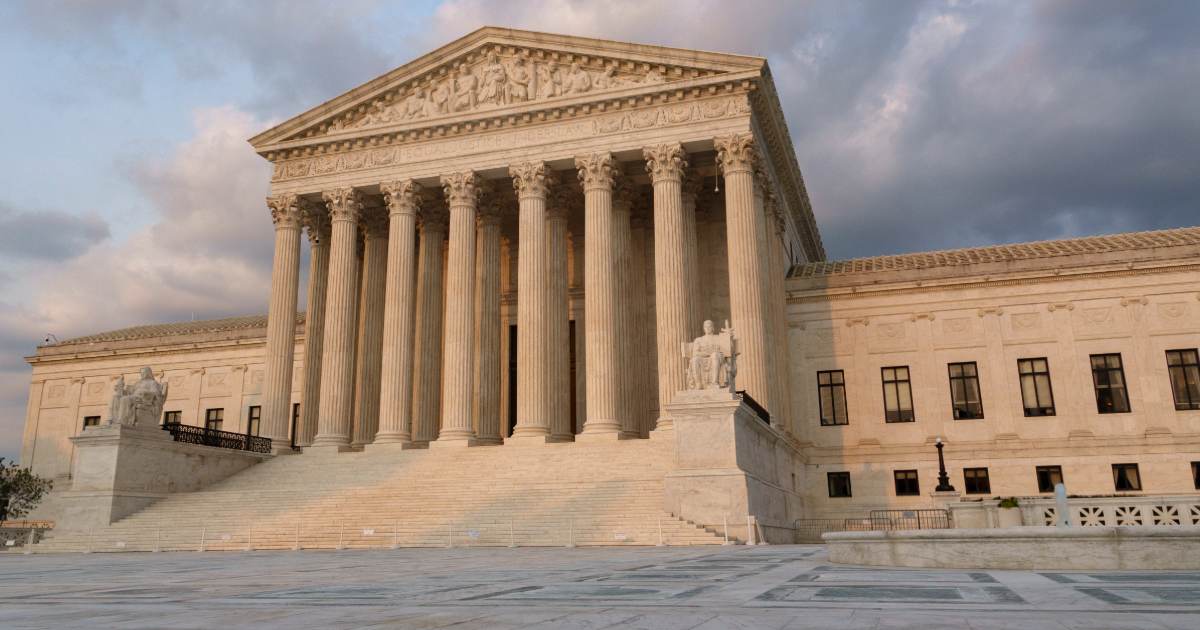
State Supreme Court Justice Wayne Ozzi found that the city improperly placed the burden on homeowners to establish that their properties were primary residences rather than requiring officials to make that determination first.
He ordered the existing notices canceled and directed the city to use available tax and other records before sending replacements.

The court also ordered the Department of Finance to remove its supplemental property roll containing more than 900,000 properties and replace it with a narrower list.
The ruling requires future notices to explain the information used to identify a property and provide supporting records.
The dispute began after homeowners challenged the rollout, arguing that the city had not adequately narrowed the pool of properties before contacting owners.
The city had told recipients they could seek an exemption if their property was actually their primary residence.
$500M revenue plan faces new hurdles
The surcharge was enacted in May and applies to certain non-primary residences, including condos and co-ops valued above $1 million and one- to three-family homes valued above $5 million.
City officials estimate it could generate about $500 million annually.

Mamdani and Gov. Kathy Hochul have presented the measure as a way to generate revenue from wealthy owners of expensive second homes.
When the policy was announced in April, the mayor’s office said the measure was intended to help close the city’s budget gap while protecting funding for public services.
The latest ruling does not decide whether the surcharge itself is constitutional.
That question is now being tested separately in court, including a lawsuit filed by casino executive Steve Wynn and former Commerce Secretary Wilbur Ross, who argue that the measure unfairly targets property owners who live outside New York.
City appeal puts rollout on hold
Mamdani’s administration moved quickly to appeal Ozzi’s decision, triggering a stay that temporarily pauses the practical effect of the order.
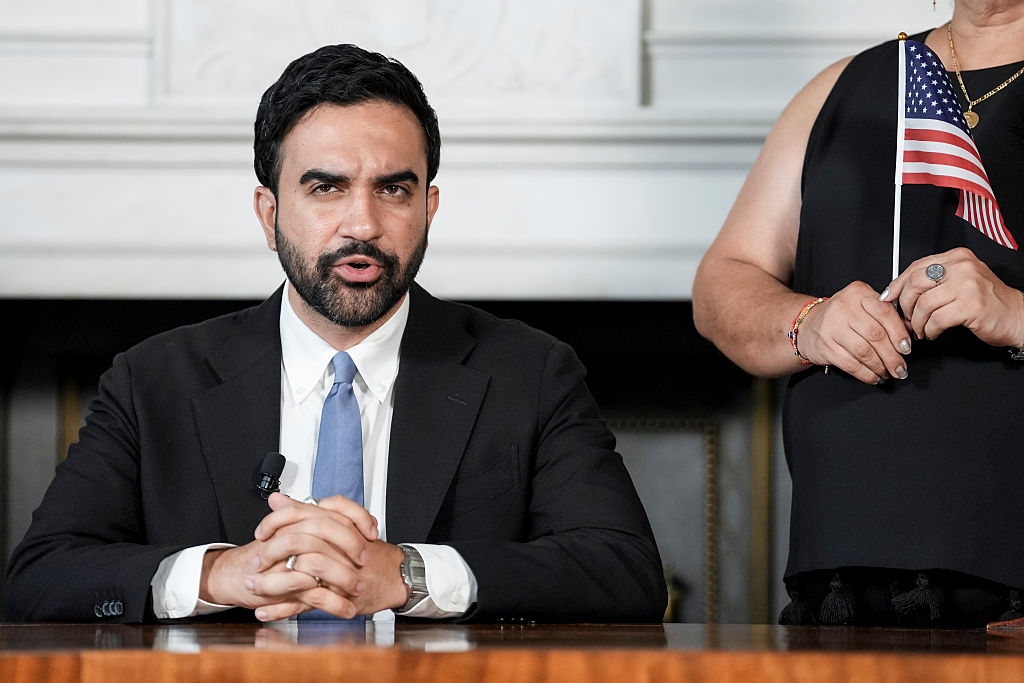
City officials have defended the surcharge and said they intend to continue implementing it.
The outcome could affect the timing of payments, the city’s budget expectations and thousands of property owners who received notices under the original rollout.