‘We have no choice but to act’: Todd Blanche takes unusual step against Minnesota judges
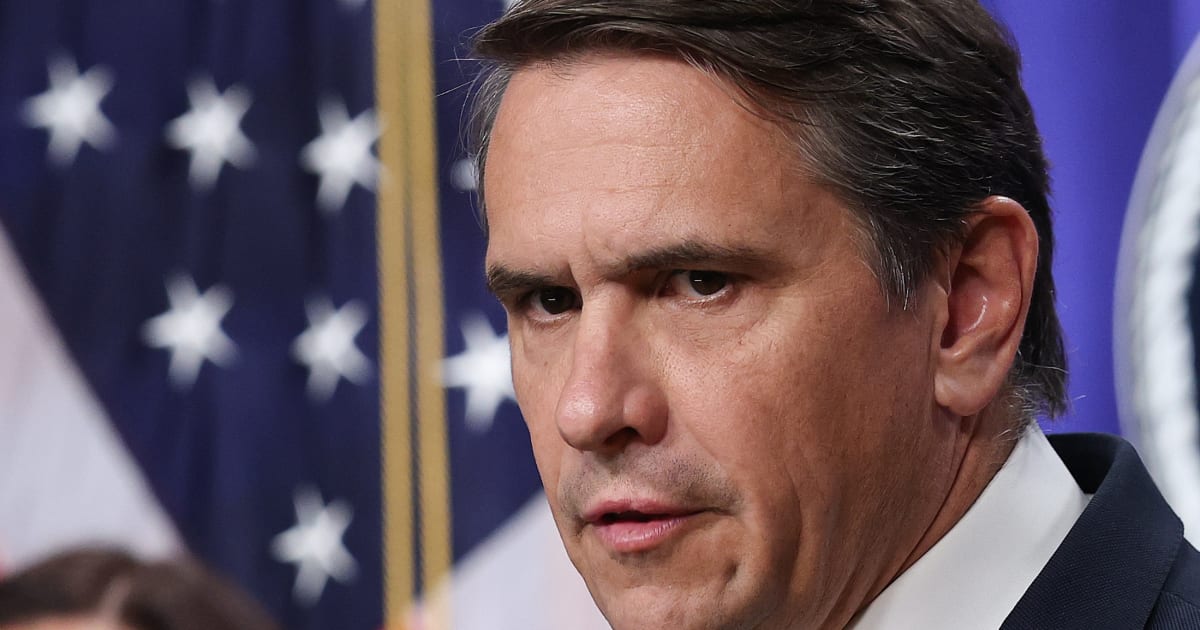
WASHINGTON, DC: Attorney General Todd Blanche said the Justice Department had “no choice” but to act after filing a misconduct complaint against all but one Minnesota federal district judge over their comments about the Trump administration’s immigration crackdown.
The complaint targets judges who spoke with the New York Times about Operation Metro Surge, including cases that remained pending or were on appeal.
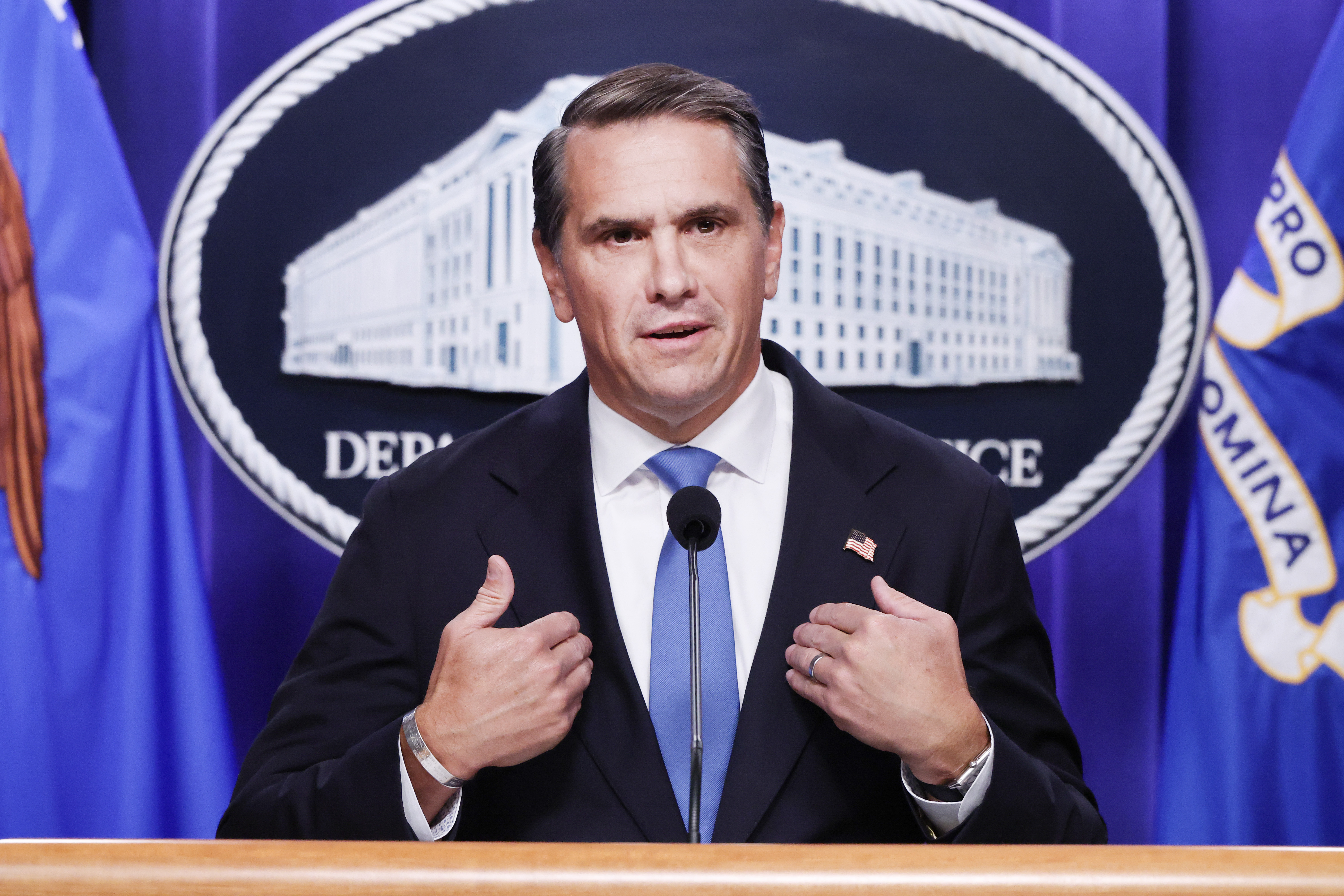
Blanche announced the filing Wednesday, September 30, at a Justice Department press conference focused on election integrity and Minnesota cases.
Blanche: "Today, we're also announcing that just a few minutes ago the DOJ filed a judicial misconduct complaint with the 8th Circuit Court of Appeals against all but one district court judge in the District of Minnesota for violating various judicial canons." pic.twitter.com/zHKWtgv8iG
— Aaron Rupar (@atrupar) September 30, 2026
Blanche explains the DOJ's complaint against Minnesota judges
“We have a right, just like every litigant in court, to have a judge that will be fair and impartial,” Blanche said. “We have no choice but to act.”
The complaint was filed with the 8th Circuit Court of Appeals and names Judge Patrick Schiltz, Judge John Tunheim and unidentified Minnesota district judges who spoke with the NYT.
The Justice Department said Schiltz’s comments were “overly political” and concerned matters pending before him or an appeals court.
Officials also accused Tunheim of violating judicial ethics after he said federal authorities were not arresting people he considered “dangerous criminals on the street.”
Blanche said the NYT article involved six of the seven judges who held active status in Minnesota at the time.
He asked the 8th Circuit to investigate and sought recusal of the judges from cases involving the Department of Homeland Security.
Judges dispute DOJ's ethics claims
The complaint centers on a NYT article about Operation Metro Surge, which the administration launched in December 2025 as an immigration enforcement operation in Minnesota.
Schiltz, a George W Bush appointee who previously clerked for Supreme Court Justice Antonin Scalia, gave the newspaper a 90-minute interview.
The Justice Department said he discussed alleged violations of court orders and matters that remained in litigation.
Schiltz rejected the accusation. “As legal-ethics experts have confirmed, I was acting well within the ethical rules that apply to federal judges in speaking to the New York Times,” he said, as cited by CBS News.
A spokesperson for the federal district court also said “our judges acted within this capacity” under Judicial Conference guidance and were “well within” federal judicial ethics rules, as per the outlet.
The Judicial Conference said in a February advisory opinion that judges may discuss judicial independence and the rule of law.
It also said there can be circumstances allowing judges to defend judicial colleagues from criticism that threatens judicial independence.
Minnesota immigration cases fueled the dispute
The Justice Department’s complaint follows a period in which Minnesota judges received scores of petitions from migrants challenging their detention during the federal immigration operation.
In one order, Schiltz said he had identified 96 court orders in 74 cases that he said Immigration and Customs Enforcement (ICE) had violated.
“ICE is not a law unto itself,” he wrote January 28, as cited by the outlet.
In another order, he said the administration had sent thousands of agents to Minnesota without making provisions for the hundreds of habeas petitions and other lawsuits expected to follow.
The administration said the judges’ public comments showed bias against DHS and immigration authorities.

DOJ officials also argued that some comments addressed cases still before the courts or in the appellate process.
The complaint has been signed by Acting Deputy Attorney General Trent McCotter and Associate Attorney General Stanley Woodward.
They asked the 8th Circuit to investigate what they called the judges’ “improper conduct” and said Schiltz and Tunheim’s conduct was “particularly egregious.”