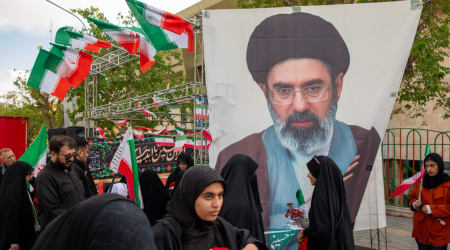
Trump’s Iran deal lets Tehran sell oil again, giving regime immediate economic lifeline
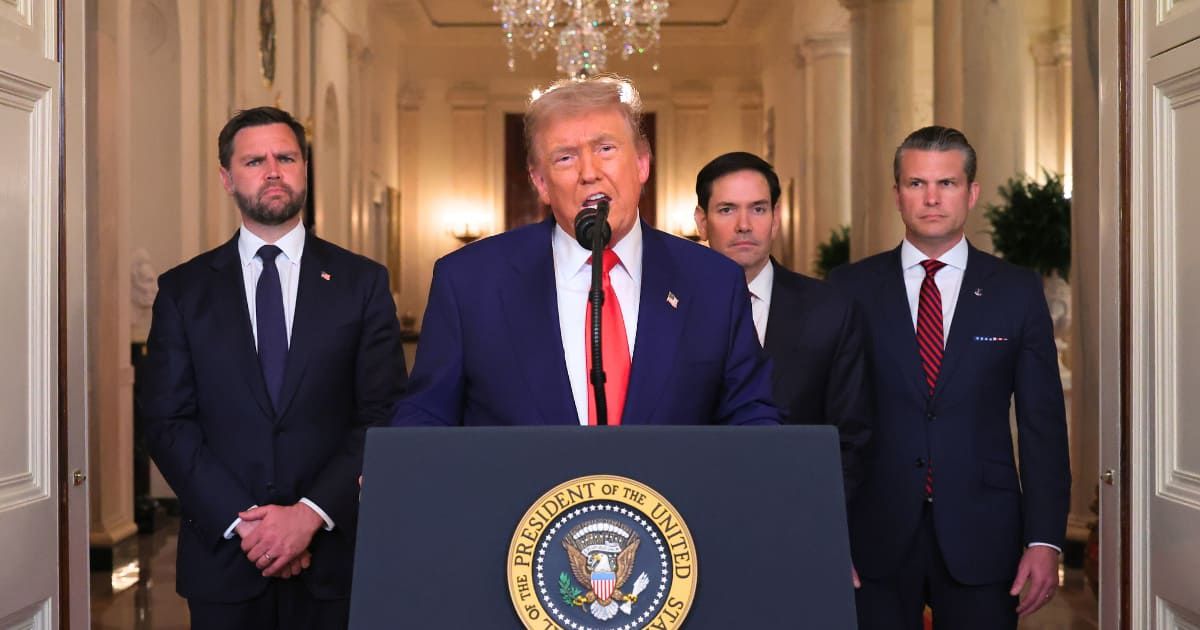
White House seeks to restore Tehran’s energy trade in 60 days amid defense hawk backlash
Under the proposed framework, economic relief is tied to continued negotiations, with both sides moving toward a formal signing in Switzerland to cement the deal (Photo by Carlos Barria - Pool/Getty Images)

WASHINGTON, DC: Dramatic new details emerging from the unreleased United States-Iran memorandum of understanding reveal that the Trump administration has agreed to allow Tehran to immediately restart its international oil business, handing the regime a massive economic reprieve.

Under the terms of the pending pact, Washington will issue sweeping sanctions waivers to permit oil exports during an upcoming 60-day negotiation phase, a development poised to inject billions into the Islamic Republic's decimated economy.
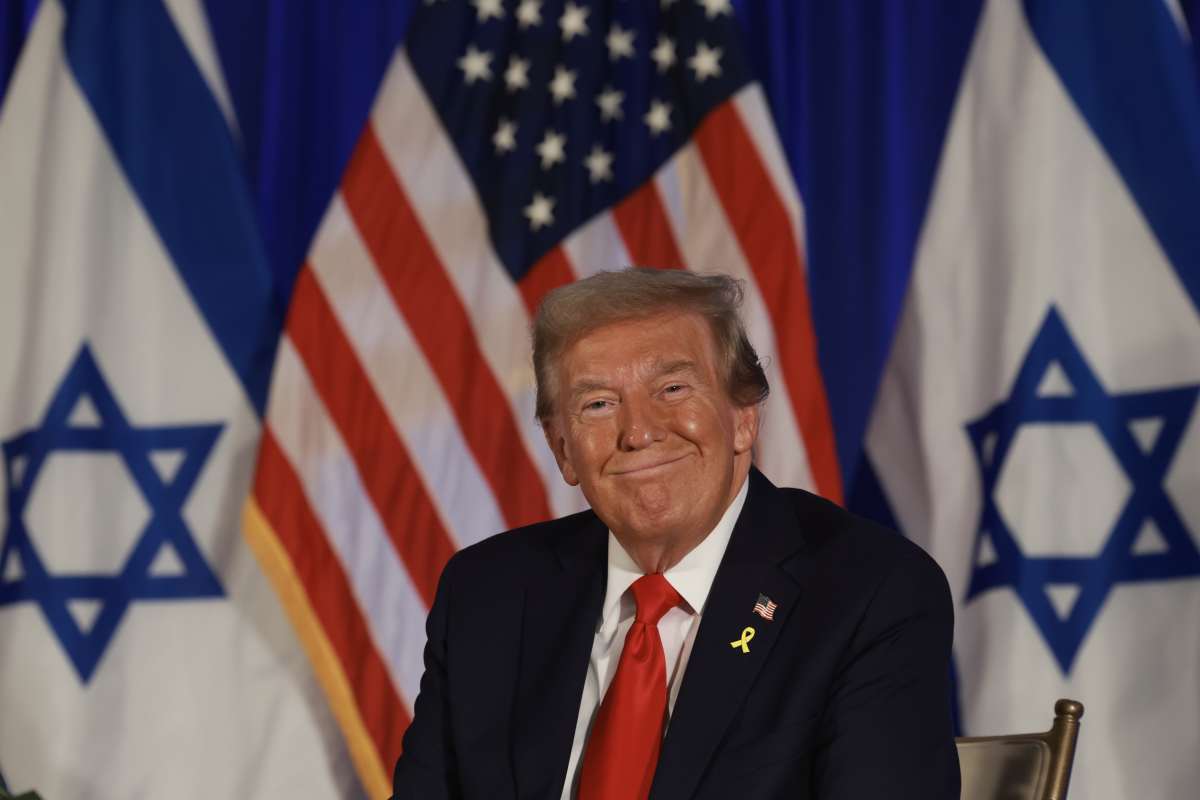
DORAL, FLORIDA - OCTOBER 07: Republican presidential nominee, former U.S. President Donald Trump, attends an Oct. 7th remembrance event at the Trump National Doral Golf Club on October 07, 2024 in Doral, Florida. The event was held to commemorate October 7th, 2023, when Hamas terrorists mounted a series of attacks and raids on Israeli towns near Gaza, killing 1,145 people and taking 251 hostages. (Photo by Joe Raedle/Getty Images)
Fresh details from the pending agreement have shifted attention from military tensions to the future of Iran’s energy sector (Photo by Joe Raedle/Getty Images)

The revelation introduces a profound political vulnerability for the White House.

Critics and defense hawks have quickly stepped up their scrutiny, arguing that the administration is offering massive upfront financial giveaways and access to global banking services before securing permanent, verified concessions on Tehran's nuclear infrastructure.

Waivers bypass statutory energy restrictions

While the State Department publicly maintains that core structural sanctions will technically remain in place, the utilization of executive waivers allows the administration to grant immediate relief without formally breaking its word to the American public.

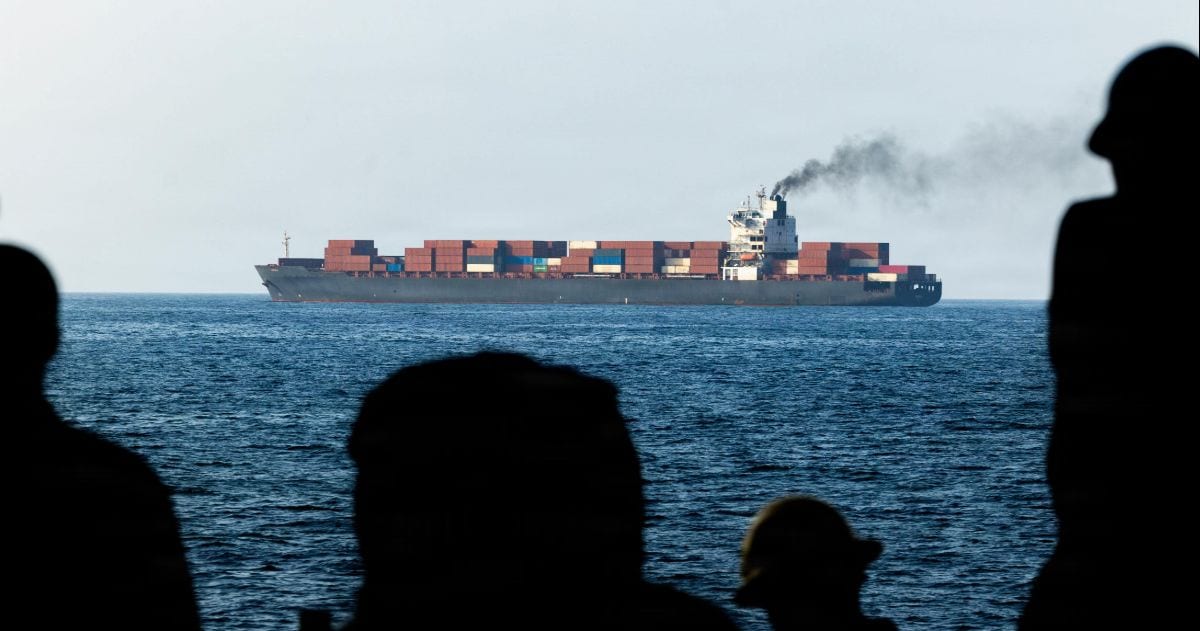
Paired with the president's direct order to dismantle the United States naval blockade, these waivers will effectively normalize maritime operations.
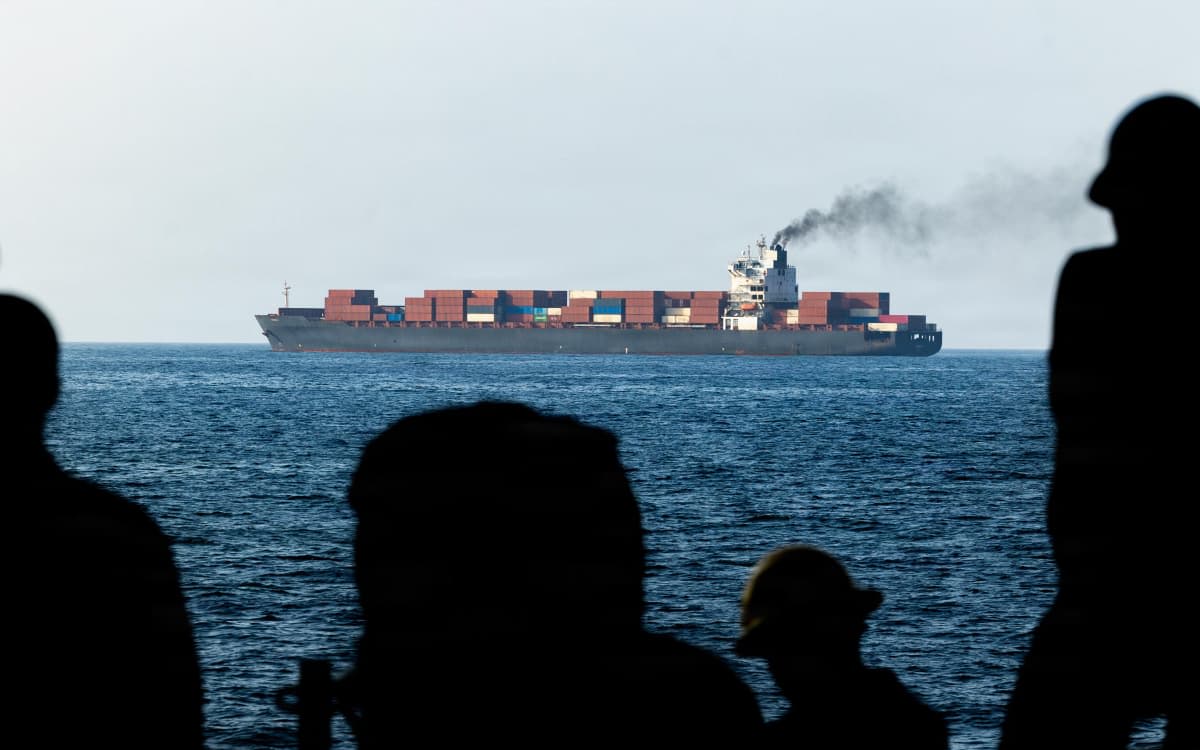
ARABIAN SEA - APRIL 20: (EDITOR'S NOTE: This Handout image was provided by a third-party organization and may not adhere to Getty Images' editorial policy.) In this handout photo provided by U.S. Central Command, U.S. forces patrol the Arabian Sea near M/V Touska on April 20, 2026, after firing upon the Iranian-flagged vessel that the U.S. accused of attempting to violate the U.S. naval blockade of Iranian ports near the Strait of Hormuz. (Handout Photo by the U.S. Navy via Getty Images)
The agreement could reopen critical export channels that have been heavily restricted during months of conflict (Handout Photo by the U.S. Navy via Getty Images)

The finalized provisions also encompass a broader normalization of trade logistics. 

The agreement will explicitly cover vital support sectors, including international banking networks, maritime transportation infrastructure, and insurance compliance, necessary to seamlessly facilitate bulk crude shipments.

Officials offer conflicting enforcement narratives

The controversial concessions have triggered noticeable friction within the administration's own policy ranks.

A senior United States official defended the layout on Tuesday, insisting that every single incentive embedded within the memorandum is strictly performance-based. 
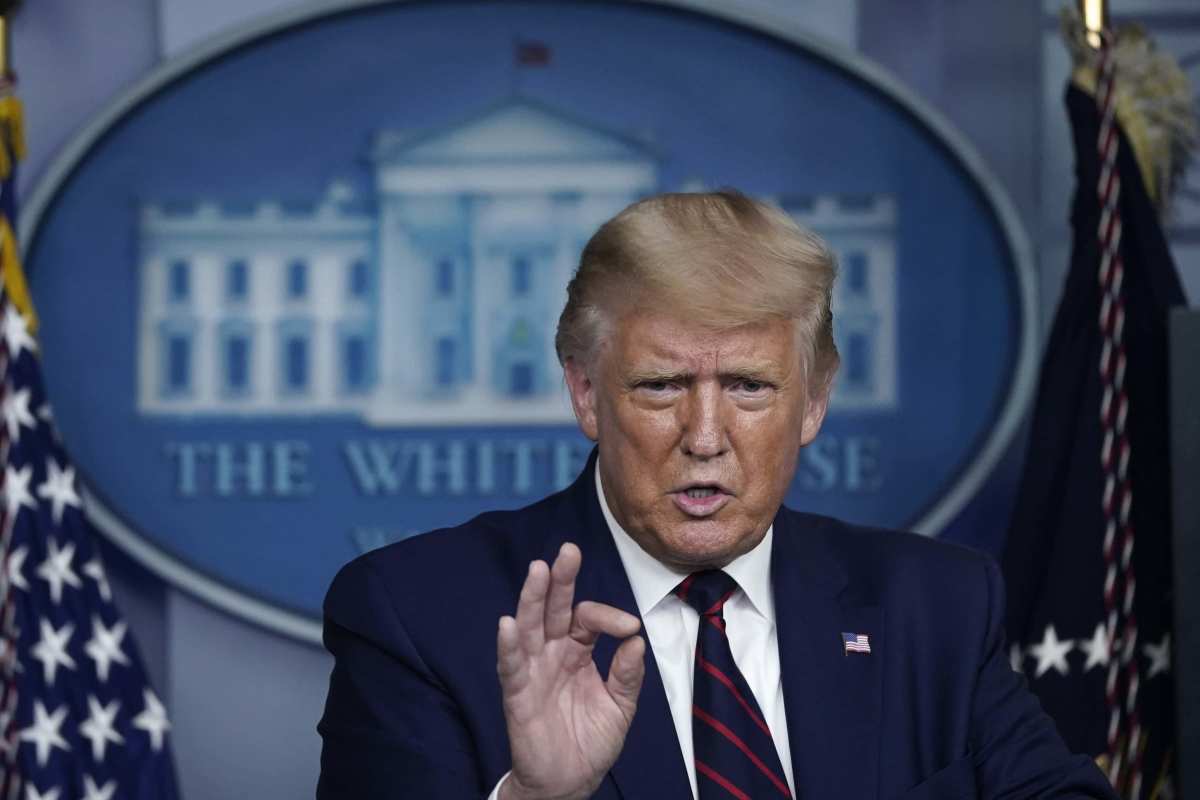
WASHINGTON, DC - SEPTEMBER 04: U.S. President Donald Trump speaks during a news conference the White
Different interpretations of the agreement’s enforcement mechanisms have fueled questions about implementation (Getty Images)

According to this framework, Tehran can only maintain its export access if monitoring teams verify complete compliance, including a total ban on atomic weapons development and unhindered navigation through the Strait of Hormuz.

However, a separate senior official on an agency press call offered a far less restrictive baseline, admitting that initial sanctions relief is tied generally to appropriate behavior rather than specific technical conduct, intended as a gesture to grease the wheels of diplomacy.

Hawks warn of proxy network financing

This lack of explicit conditionality has ignited intense pushback on Capitol Hill.

Congressional opponents are drawing sharp historical parallels to prior agreements, warning that the immediate cash influx will inevitably be diverted to fund regional proxy networks. 

WASHINGTON - JUNE 5: The U.S. Capitol is shown June 5, 2003 in Washington, DC. Both houses of the U.S. Congress, the U.S. Senate and the U.S. House of Representatives meet in the Capitol. (Photo by Stefan Zaklin/Getty Images)
Lawmakers are intensifying scrutiny as details of the proposed framework continue to emerge (Photo by Stefan Zaklin/Getty Images)

With the formal signing ceremony scheduled to take place this Friday in Switzerland, the administration faces a race to defend its strategy.

The White House must now convince skeptical lawmakers that front-loading tangible economic lifelines is a necessary trade-off to secure long-term nuclear disarmament.

RELATED TOPICS US STRIKES IRAN

GET BREAKING U.S. NEWS & POLITICAL UPDATES
STRAIGHT TO YOUR INBOX.

MORE STORIES

Trump rejected claims that November's midterm elections influenced his approach to the conflict, saying they had 'nothing to do' with his thinking
1 day ago
A Wall Street Journal report says Iran used the diplomatic window to strengthen the IRGC, rebuild weapons capacity and prepare for wider conflict
1 day ago
Donald Trump cited cost, diplomacy with Kim Jong Un and Seoul’s Iran stance as the Pentagon reduced US participation in annual military drills
1 day ago
Iranian Army chief Amir Hatami said the reward was created after a surge in requests from Iranians seeking to join the conflict
1 day ago
Kazem Gharibabadi said Tehran would decide when the strategic waterway opens or closes, rejecting Washington’s claim of control
3 days ago
Iran said the United States must pledge never to threaten Tehran again and permanently end its war with Iran and its regional allies
Aug 9, 2026
Kazem Gharibabadi said negotiations were essential as inflation hit 88.6% and Iran’s oil exports faced mounting disruption
Aug 9, 2026
Iran said the Strait of Hormuz would remain closed until the US ended military action, lifted sanctions, and withdrew its forces
Aug 8, 2026
Reza Valizadeh also revealed that Iranian authorities have prevented his family from visiting him for five months, which he believes is punishment
Aug 8, 2026
Ron Dermer served as Israel’s ambassador to the US from 2013 to 2021 and later worked as Benjamin Netanyahu’s strategic affairs minister
Aug 8, 2026