US and Iran near deal to reopen Strait of Hormuz, signing expected soon
US-Iran breakthrough raises hopes for lower oil prices and an end to regional war
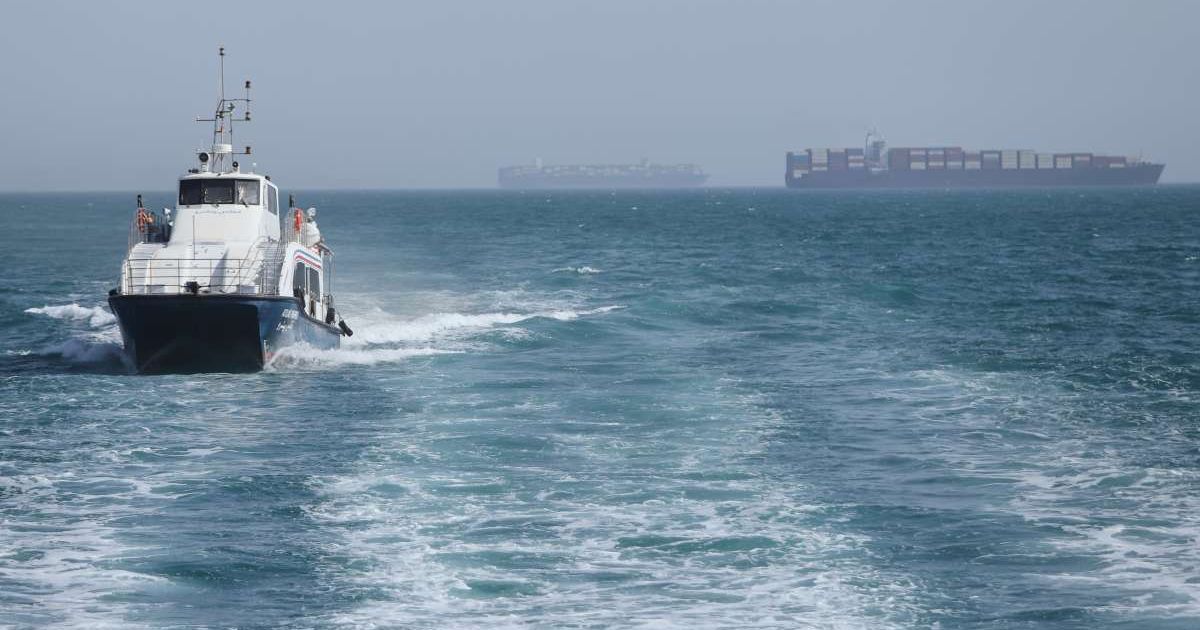
A patrol boat moves through the Strait of Hormuz as cargo ships remain anchored off Bandar Abbas, Iran, on May 2, 2026, along a vital corridor for global energy supplies (Amirhosein Khorgooi/ISNA via AP)

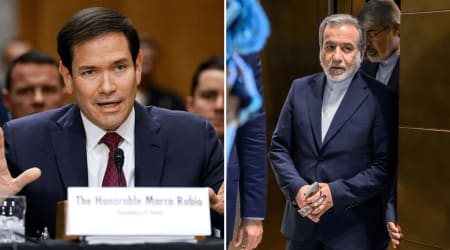
WASHINGTON, DC: A long-awaited agreement between the United States and Iran could be signed within days, reopening the Strait of Hormuz, according to statements from President Donald Trump, Iranian Foreign Minister Abbas Araghchi and Pakistani officials involved in mediation efforts.

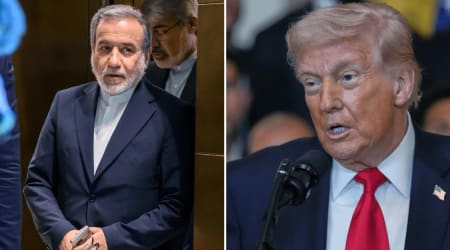
Araghchi said that a memorandum of understanding (MoU) could be reached “within the next one or two days, or within the next few days,” expressing optimism that negotiations were nearing completion.

Trump amplified the comments by reposting Araghchi’s remarks on Truth Social and later told Axios he believed a deal could be signed over the weekend or by Monday.

Pakistan, which has played a key mediating role, also projected confidence.

Prime Minister Shehbaz Sharif said on Saturday that a peace agreement was closer than ever and could be finalized within the next 24 hours, paving the way for technical-level talks next week.
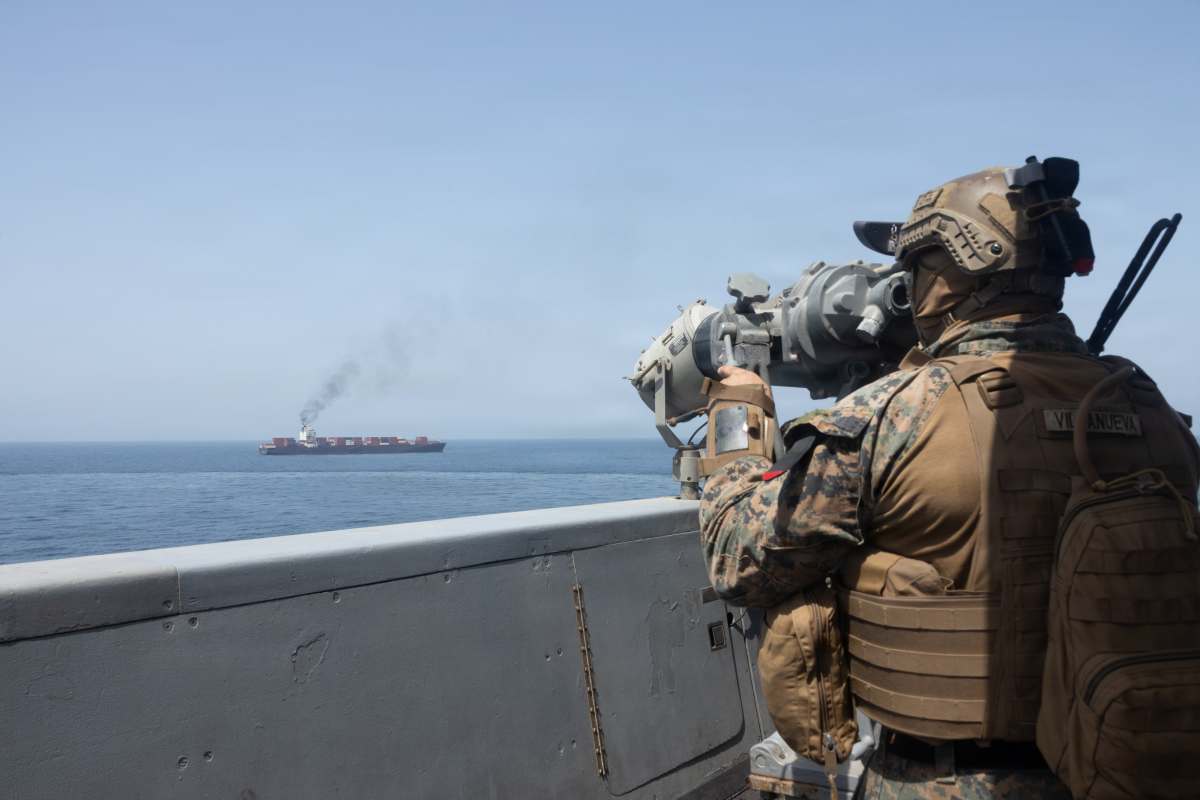
ARABIAN SEA - APRIL 20: (EDITOR'S NOTE: This Handout image was provided by a third-party organization and may not adhere to Getty Images' editorial policy.) In this handout photo provided by U.S. Central Command, U.S. forces patrol the Arabian Sea near M/V Touska on April 20, 2026, after firing upon the Iranian-flagged vessel that the U.S. accused of attempting to violate the U.S. naval blockade of Iranian ports near the Strait of Hormuz. (Handout Photo by the U.S. Navy via Getty Images)
US forces patrol the Arabian Sea near M/V Touska on April 20, 2026, after firing upon the Iranian-flagged vessel that the US accused of attempting to violate the US naval blockade of Iranian ports near the Strait of Hormuz (Handout Photo by the U.S. Navy via Getty Images)

Deal hinges on Strait of Hormuz reopening

The proposed agreement is expected to focus heavily on restoring normal operations in the Strait of Hormuz, one of the world's most critical energy corridors.

Iran imposed strict controls over the waterway after hostilities erupted earlier this year following US and Israeli military strikes.

Before the conflict, roughly 20 percent of global oil shipments passed through the strait, making disruptions a major concern for international markets.

According to sources familiar with the negotiations, the memorandum would immediately reopen the Strait of Hormuz, restore prewar shipping activity within about 30 days and remove restrictions affecting Iranian ports.
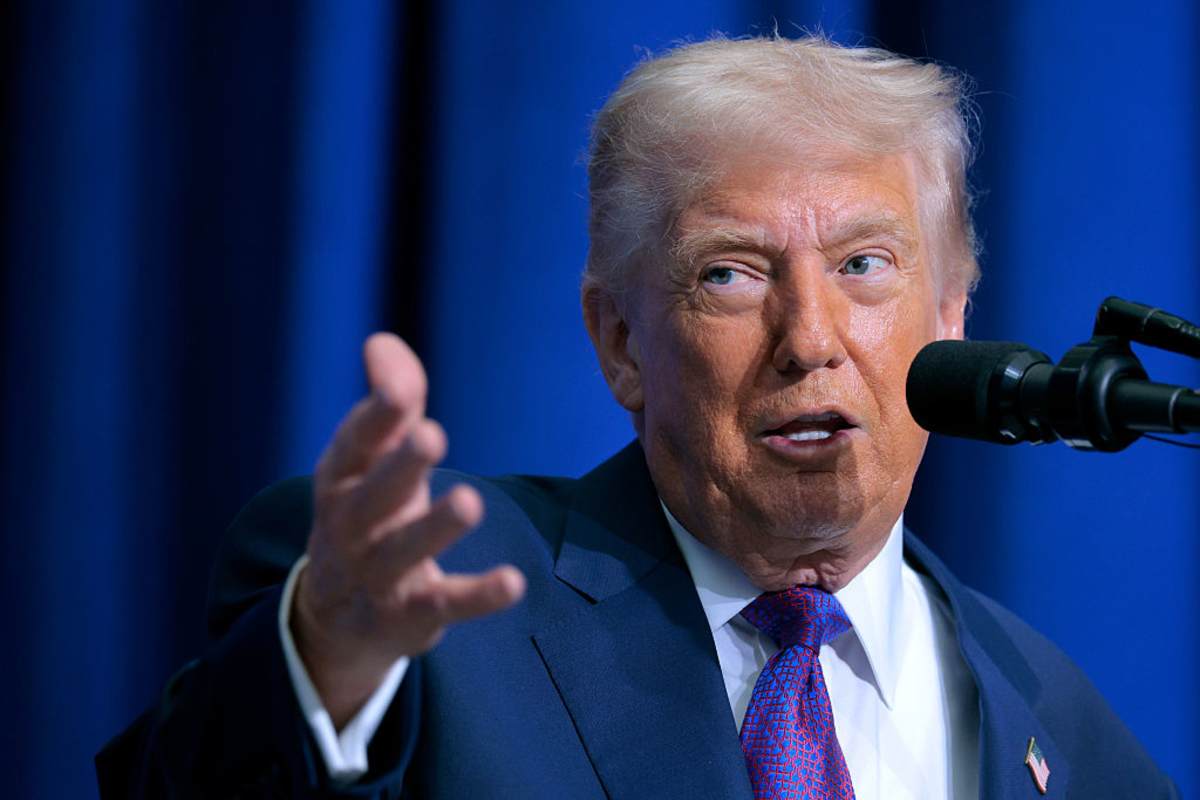
WASHINGTON, DC - FEBRUARY 19: U.S. President Donald Trump speaks during the inaugural meeting of the Board of Peace at the Donald J. Trump Institute of Peace on February 19, 2026 in Washington, DC. Assembled to raise money for the rebuilding and stabilization of Gaza, Trump's Board of Peace was formally established on the sidelines of World Economic Forum in January of 2026. (Photo by Chip Somodevilla/Getty Images)
Trump speaks during the inaugural meeting of the Board of Peace at the Donald J Trump Institute of Peace on February 19, 2026, in Washington, DC (Chip Somodevilla/Getty Images)

Conflicting signals over final terms

Despite signs of progress, questions remain over several key provisions.

Araghchi said Iran would continue exercising control over the Strait of Hormuz and could charge fees for services provided to vessels using the route. He also stressed that Iran would maintain a strong security posture in the region.

The Iranian foreign minister added that both countries are expected to commit to respecting each other's sovereignty and avoiding interference in internal affairs.

However, major issues, including Iran's nuclear program and the future of US sanctions, remain unresolved and will be addressed in subsequent negotiations.

Even as diplomacy advances, tensions remain high. US Central Command said Iranian drones targeted commercial shipping near the Strait of Hormuz on Friday, though all were intercepted by US forces.

RELATED TOPICS US STRIKES IRAN

GET BREAKING U.S. NEWS & POLITICAL UPDATES
STRAIGHT TO YOUR INBOX.

MORE STORIES

Leo later visited US Ambassador to the Holy See, Brian Burch, at his residence, a rare move for a pope
1 hour ago
Vladimir Putin addressed Trump warmly and backed stronger US-Russia ties, while Volodymyr Zelensky thanked the US and urged continued support
10 hours ago
King Charles said Britain and the US would continue defending shared values and their bond 'will only grow stronger with time'
11 hours ago
The pope praised America's founders for championing inherent rights but cautioned that those ideals are never guaranteed and require constant renewal
1 day ago
Iranian authorities are boosting security before the funeral, deploying extra forces and imposing airspace restrictions over Tehran and Mashhad
2 days ago
Paris recorded temperatures climbing above 104 degrees Fahrenheit during the past week
4 days ago
Trump has previously criticized Italy and other NATO allies for what he described as insufficient support for US military action against Tehran
4 days ago
Venezuela's earthquake death toll has reached 1,719, with over 5,000 injured and tens of thousands still missing
4 days ago
Fresh hostilities began after Iranian drones struck a commercial vessel in Hormuz, which US officials cited as triggering renewed fighting
6 days ago
Amid rising tensions despite a ceasefire, Trump warned that Iran could 'cease to exist' if the US were forced to intensify its military response
6 days ago