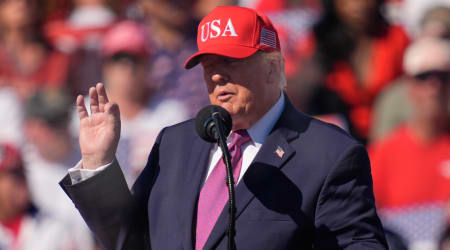
Judge blocks Trump's $1.776B anti-weaponization fund, halting payouts as legal battle escalates
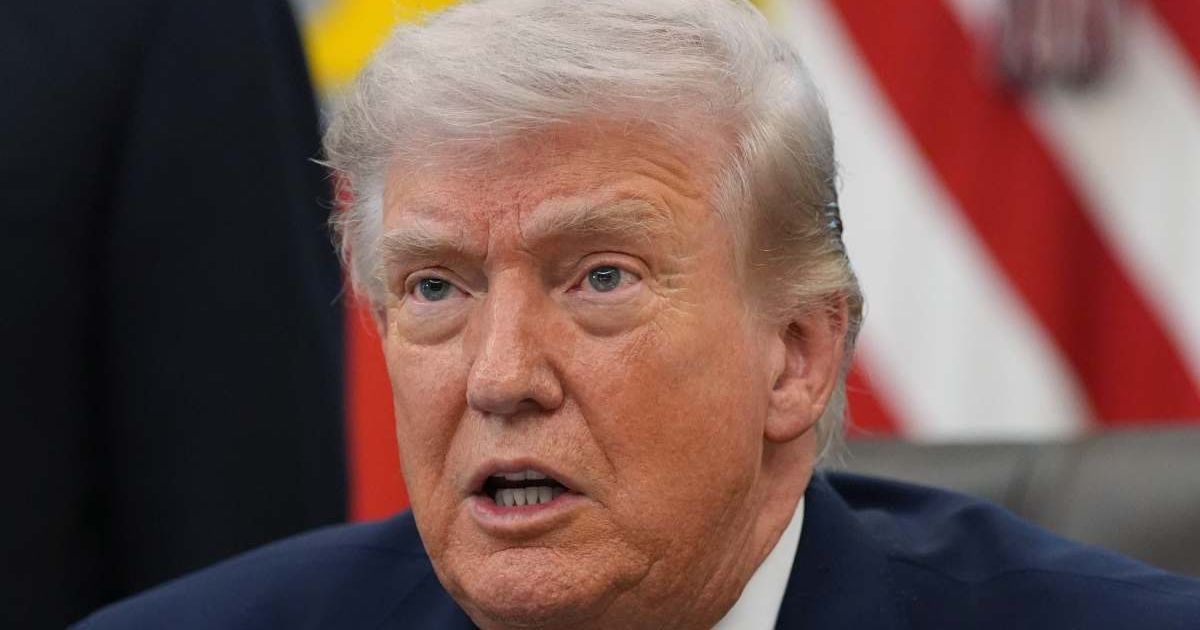
WASHINGTON, DC: President Donald Trump's effort to create a massive Justice Department fund intended to compensate alleged victims of government "weaponization" hit a significant roadblock on Friday, June 12, after a federal judge stepped in and effectively froze the program before a single dollar could be distributed.
The ruling throws fresh uncertainty over one of the administration's most politically charged initiatives and intensifies a growing battle over presidential authority, federal spending powers and whether the White House can move forward with high-profile programs without explicit congressional approval.
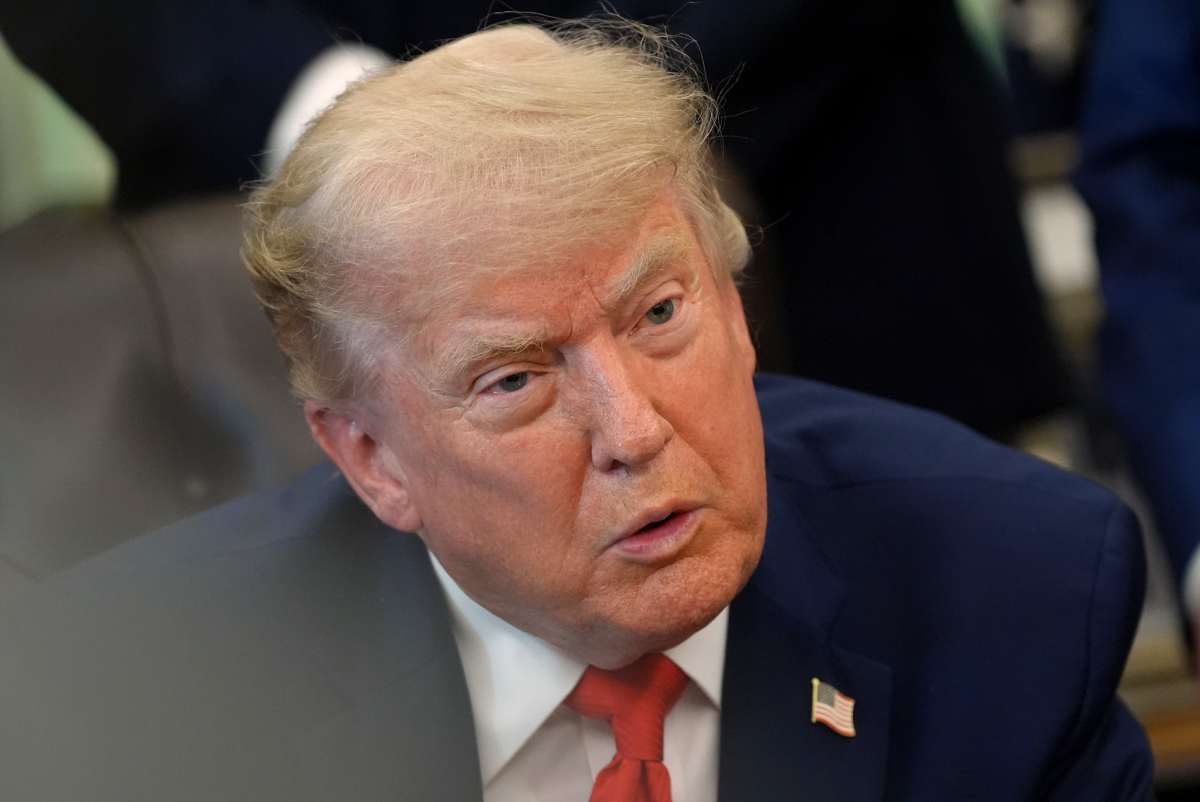
'Anti-weaponization' fund blocked
US District Judge Leonie Brinkema said that the Justice Department’s claims that the “anti-weaponization” fund would not proceed were not enough to avoid a legal ruling and issued a preliminary injunction blocking the Trump administration from creating the fund while the case continues.
The lawsuit was filed by individuals and organizations who said that they were politically targeted and would be excluded from compensation.
Brinkema also questioned the structure of the proposal, calling it “problematic” that taxpayer money could be directed toward a small, specific group, especially one many Americans believe engaged in conduct that should not be rewarded.

The dispute centers on a proposed $1.776 billion pool of money that quickly became a lightning rod in Washington.
Supporters argued the initiative was designed to address claims that Americans had been unfairly targeted by government institutions in recent years. Critics, however, saw something entirely different.
Opponents accused the administration of attempting to create a taxpayer-funded compensation system with little transparency while bypassing the normal safeguards that govern how federal money is allocated and spent.

Growing legal scrutiny
The proposal generated unease among some Republicans as well, creating an unusual political fault line inside Trump's broader coalition.
A key issue throughout the court fight has been whether the administration genuinely intends to abandon the fund.
Justice Department officials have publicly indicated that the program is not currently moving forward. But challengers argued that verbal assurances were not enough.
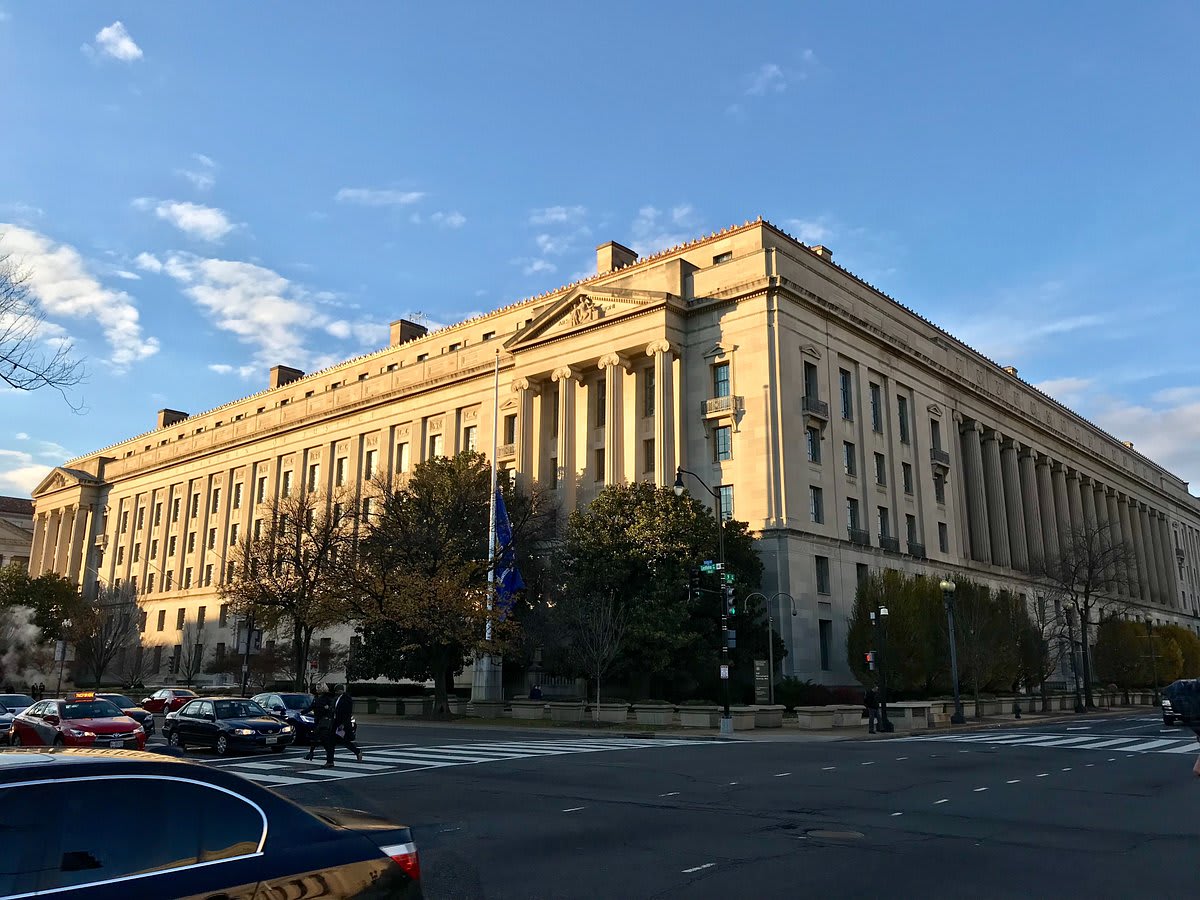
Their concern is simple: if the fund formally remains on the books, a future decision could revive it with little warning.
Friday's ruling suggests that the court was unwilling to rely solely on promises and instead opted to preserve the status quo until larger constitutional questions are resolved.