Israel refuses Lebanon pullout under US-Iran accord, says 'We’re not subordinate to the US'
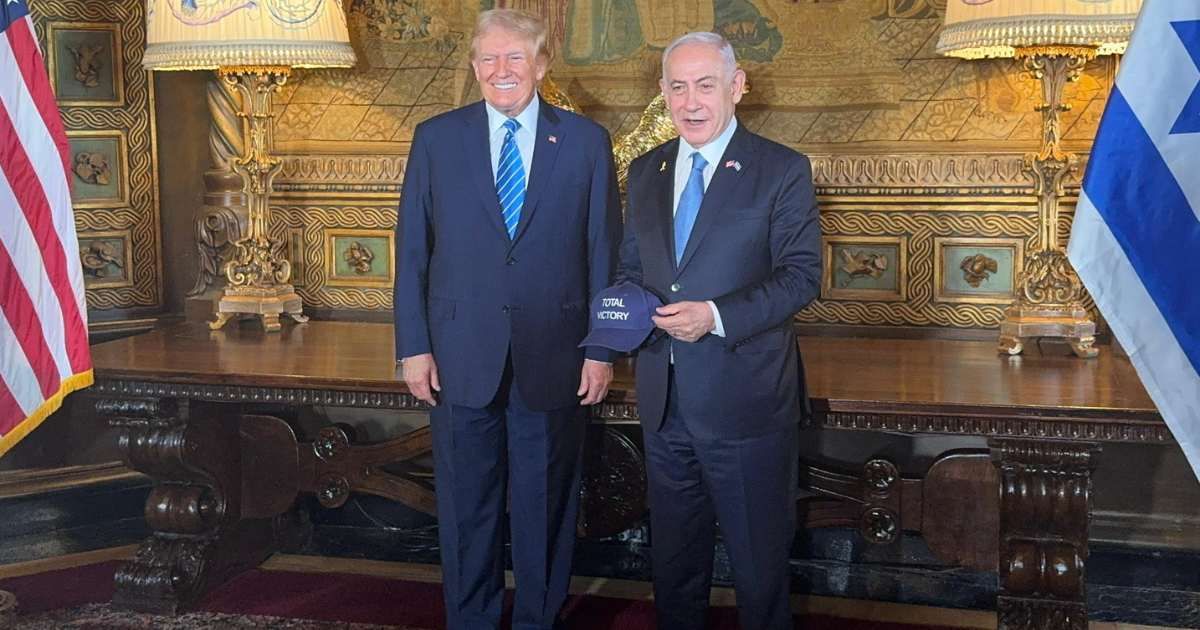
TEL AVIV, ISRAEL: After the US announced that it had signed a Memorandum of Understanding with Iran, its closest Middle Eastern ally, Israel doesn't appear to be in favour of the deal, as it has refused to withdraw troops from Lebanon, arguing that it is an independent state and not subordinate to the US.
The US and Iran digitally signed a tentative memorandum of understanding on Sunday, June 14, ending their nearly four-month-long war.
Tehran has confirmed that the MoU signing ceremony will be held on Friday, June 19.
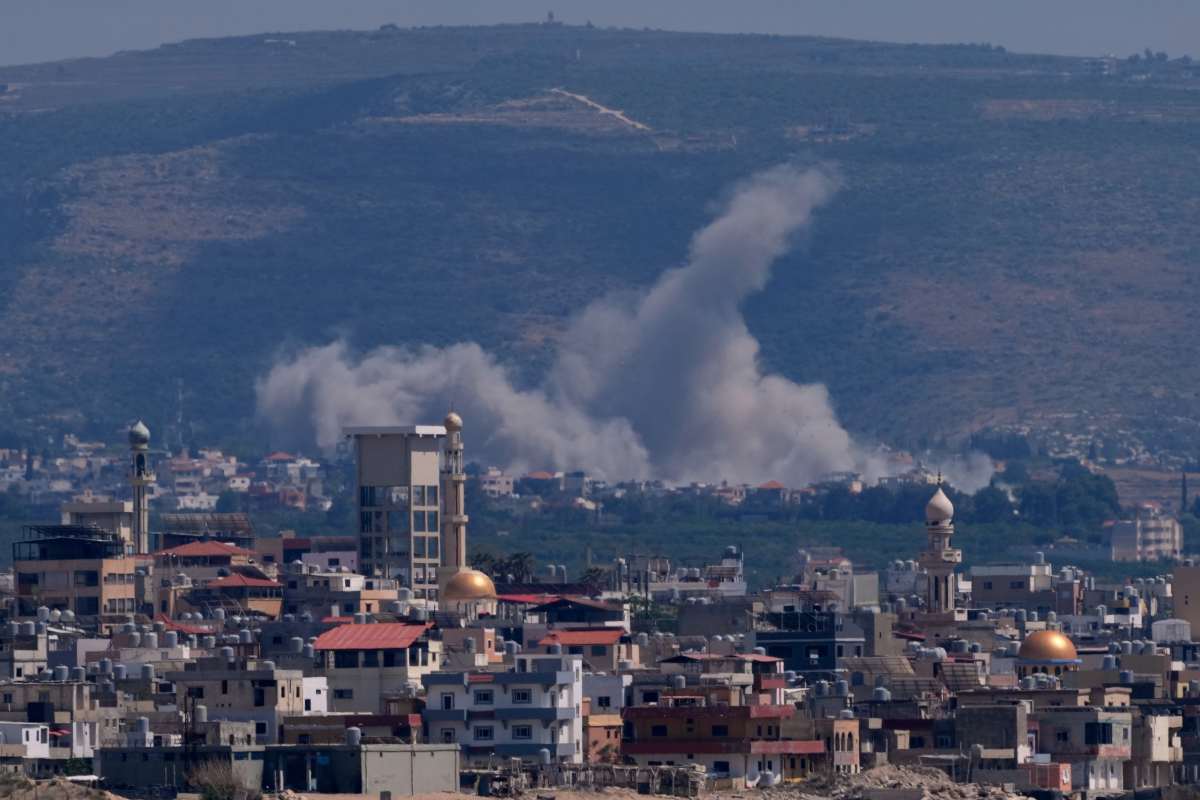
Israel says troops wouldn’t leave Lebanon
Following the breakthrough announcement of Sunday, Israel’s far-right National Security Minister Itamar Ben-Gvir and Defense Minister Israel Katz issued statements saying Israel will not withdraw from any territory it has seized.
Ben-Gvir indicated that Israel would not walk the path shown by the US, arguing that it is not subordinate to the US.
"Israel is not subordinate to the United States, and we are an independent and sovereign state," Ben-Gvir said
"We must not withdraw from any territory that our fighters have occupied and cleared of terrorist infrastructure," the Security Minister added.
The Defense Minister, Israel Katz, said that he and Prime Minister Benjamin Netanyahu have “a clear policy.”
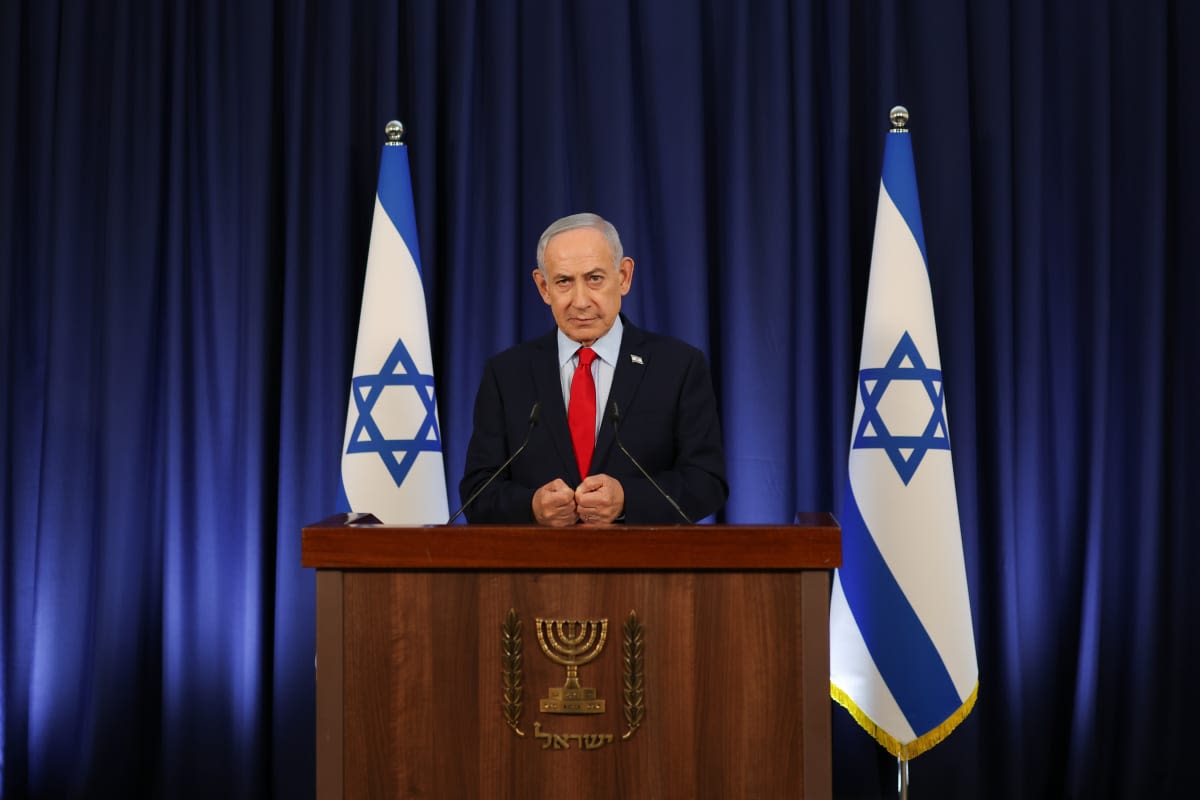
He further suggested that under that policy, the Israel Defense Forces "will remain in the security zones in Lebanon, Syria and Gaza indefinitely."
"The area will be cleared of local residents and all terrorist infrastructure, above and below ground -- including the houses in the contact villages that served as terrorist outposts -- will be destroyed," Katz said.
Iran ties asset release to nuclear talks
Iran on Sunday said that it will only enter the proposed 60-day nuclear weapon negotiation after Washington fulfills several commitments outlined in a memorandum of understanding expected to be signed later this week.
Iranian officials said the agreement would require steps including the release of frozen Iranian assets, the lifting of restrictions on maritime activity, and an end to military operations before formal negotiations begin.

Those commitments include “lifting and ending the naval blockade,” “ending the state of war and military operations,” and “releasing Iran’s frozen funds,” Deputy Foreign Minister Kazem Gharibabadi said, according to remarks carried by Iranian state media.
Iranian Deputy Foreign Minister Kazem Gharibabadi says the lifting of all sanctions on Iran, including primary and secondary sanctions as well as Security Council and Board of Governors resolutions, will be among the issues negotiated during the 60-day period. He added that all… pic.twitter.com/UIgAgekXyw
— Moshe Schwartz (@YWNReporter) June 14, 2026
“Entry into the 60-day negotiations is conditional on US implementation of its commitments,” he said.