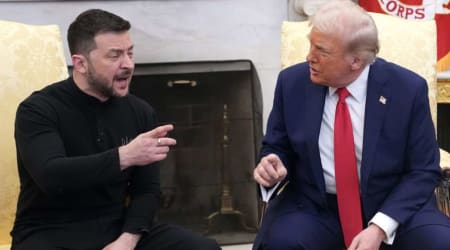
Israel fears Trump may strike ‘bad deal’ with Iran leaving key war issues unresolved: Sources
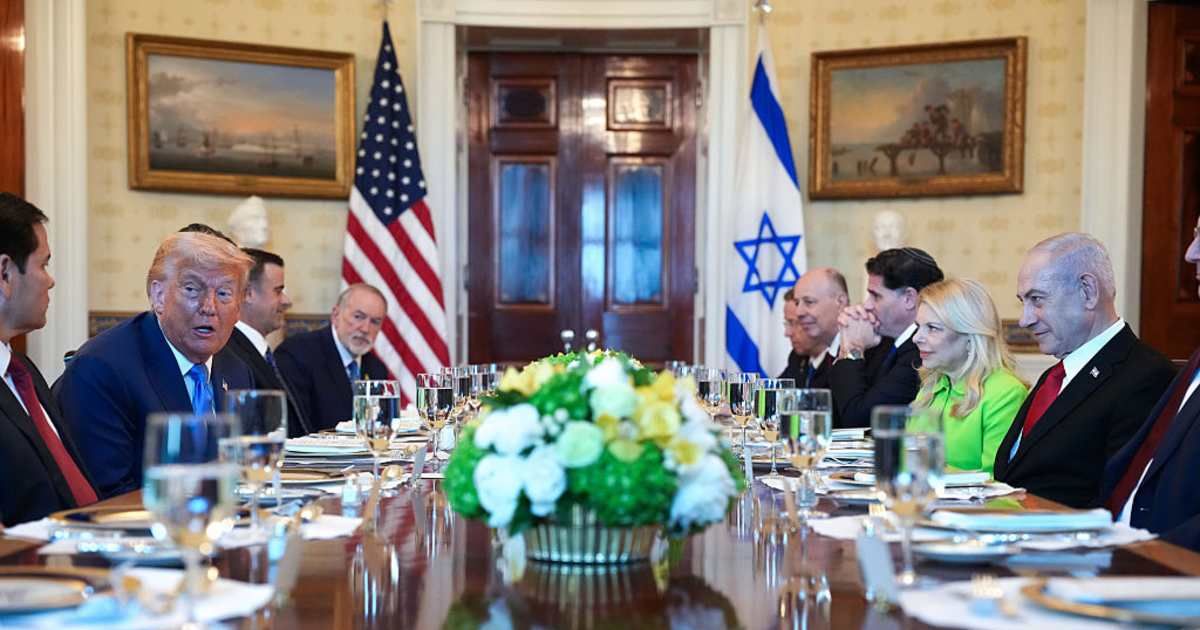
WASHINGTON, DC: Israeli officials are getting more anxious that President Donald Trump might rush into a deal with Iran. They think he wants to end the fighting quickly, but might not address the deeper military and nuclear threats. People familiar with these talks say the worry in Israel keeps growing.
Honestly, it shows a big difference in priorities. Trump seems focused on steering clear of another drawn-out war in the Middle East, while Israeli leaders worry that if talks wrap up too fast, Iran could walk away battered but still a real threat.
Israeli officials fear Donald Trump may accept a deal that leaves Iran partly intact
A deal that leaves Tehran’s nuclear program partially intact while bypassing issues such as ballistic missiles and support for regional proxies would lead to Israel viewing the war as incomplete, the sources said.

“The primary concern is that Trump will grow tired of talks and cut a deal – any deal – with last-minute concessions,” one Israeli source said.
While US officials have reassured Israel that the issue of Iran’s stockpile of highly enriched uranium will be addressed, the source said the apparent exclusion of ballistic missiles and Tehran’s proxy network from the talks “is a big deal.”
The officials warned that cutting a deal that leaves some of Iran’s main strengths untouched, while lifting economic sanctions, could actually help the regime survive and hand it a pile of money.
This shows a clear split: Trump doesn’t seem eager to restart the war, but Netanyahu worries the conflict will wrap up without hitting all the goals they set at the start.
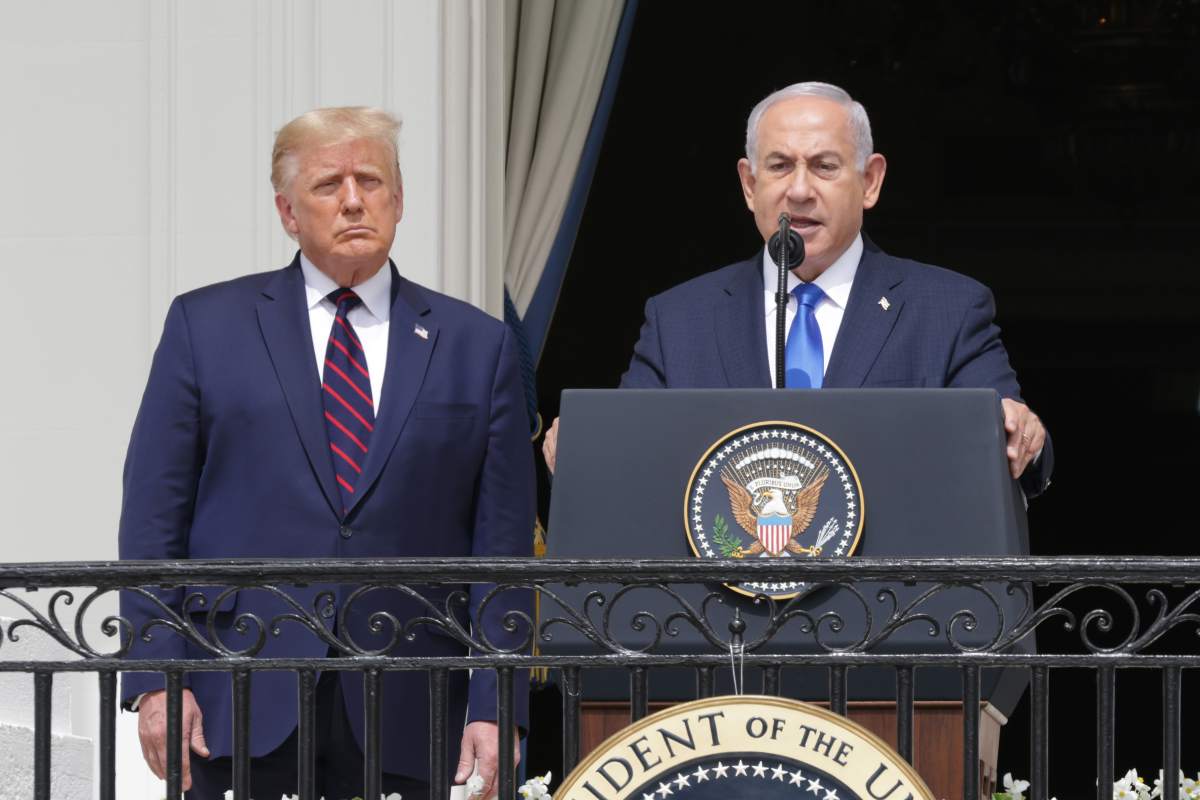
A White House spokeswoman said that Iran “knows full well their current reality is not sustainable,” insisting that Trump “holds all the cards” in negotiations.
“Their ballistic missiles are destroyed, their production facilities are dismantled, their navy is sunk, and their proxies are weakened,” Olivia Wales said in a statement to CNN.
Iran reportedly launched more than 1,000 ballistic missiles during the war, targeting Israel and Gulf states, making the missile issue a major concern for Israeli security officials.
Trump pushes diplomacy as Israel prepares for possible renewed strikes
Despite the tensions, the White House continues to publicly defend Trump’s negotiating strategy.
White House spokeswoman Olivia Wales said Iran’s current position was “not sustainable,” adding that Trump “holds all the cards” in negotiations.
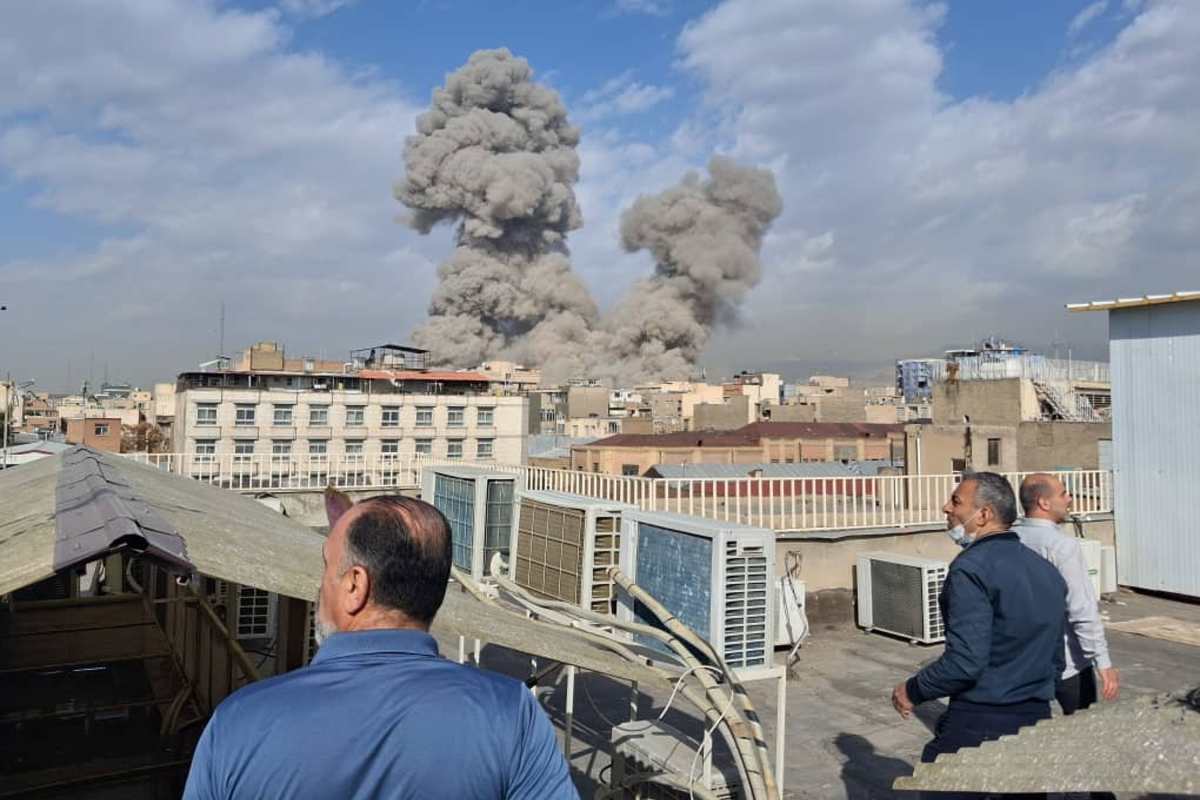
She pointed to the destruction of Iran’s missile capabilities, weakened proxies, and economic pressure from what the administration has called “Operation Economic Fury.”
Still, Israeli officials reportedly remain highly skeptical.
“There is real concern that Trump will reach a bad deal. Israel is trying to influence it as much as it can,” another Israeli official told CNN.
But Netanyahu is cautious of how much pressure to exert, wary of being perceived as leading Trump back to war.
Israeli officials fear that lifting economic pressure, even partially, could stabilize the Iranian regime at a moment of weakness.
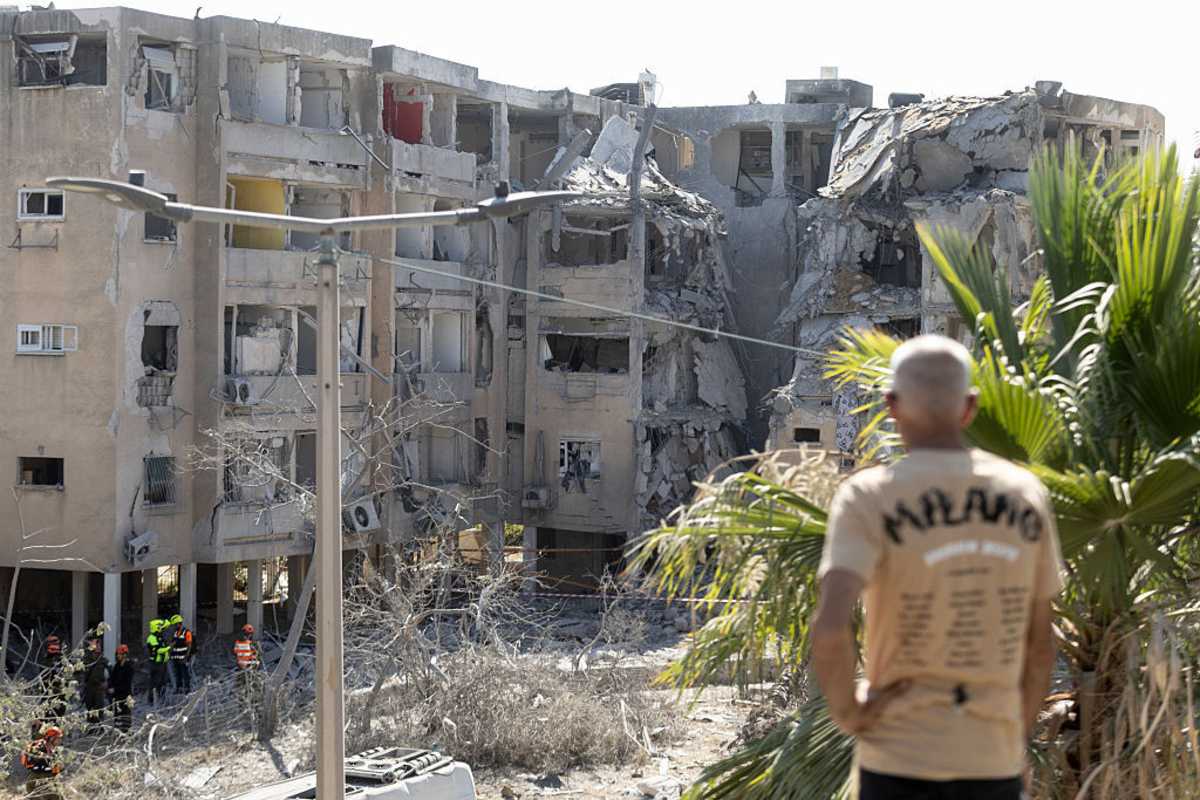
Netanyahu’s former national security adviser, Meir Ben Shabbat, wrote, “Perhaps we are better off with no deal at all” as a preferable outcome to an agreement that doesn’t meet Israel’s objectives.
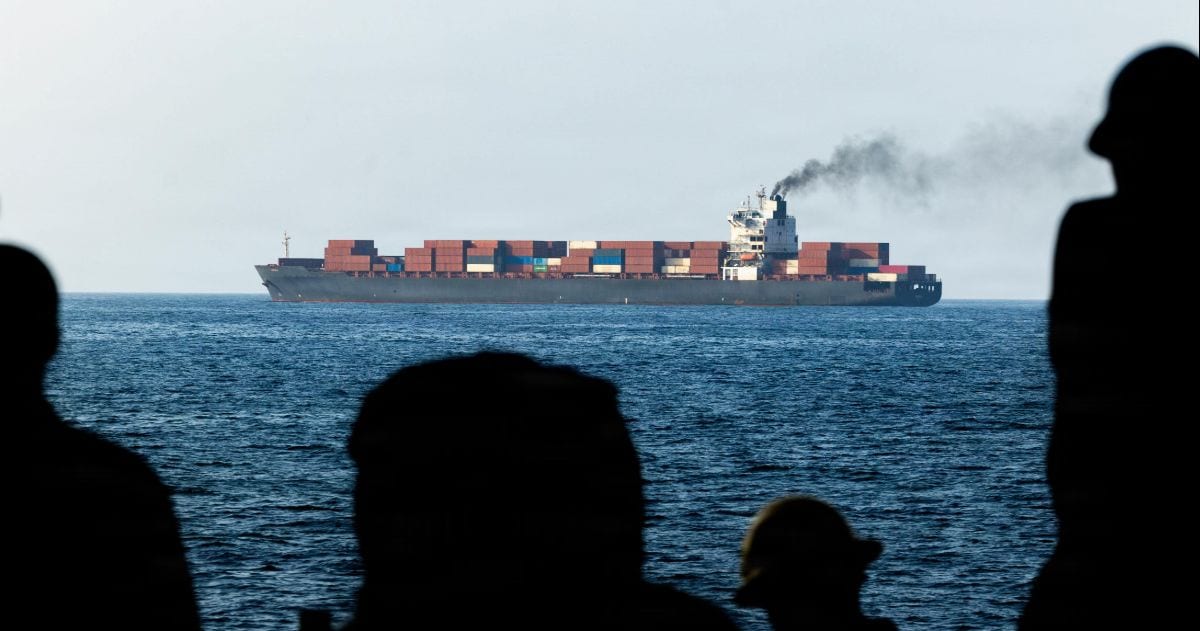
A senior Israeli official told CNN that Israel remains on high alert for a breakdown in talks. “Our hand is on the pulse. We will be happy if there will be no deal, we will be happy if the siege on Hormuz continues, and we will be happy if Iran gets a few more strikes,” he said, acknowledging the decision ultimately lies with Trump.
Escalation, he noted, is a realistic scenario “if the Iranians continue to play and drag negotiations.”
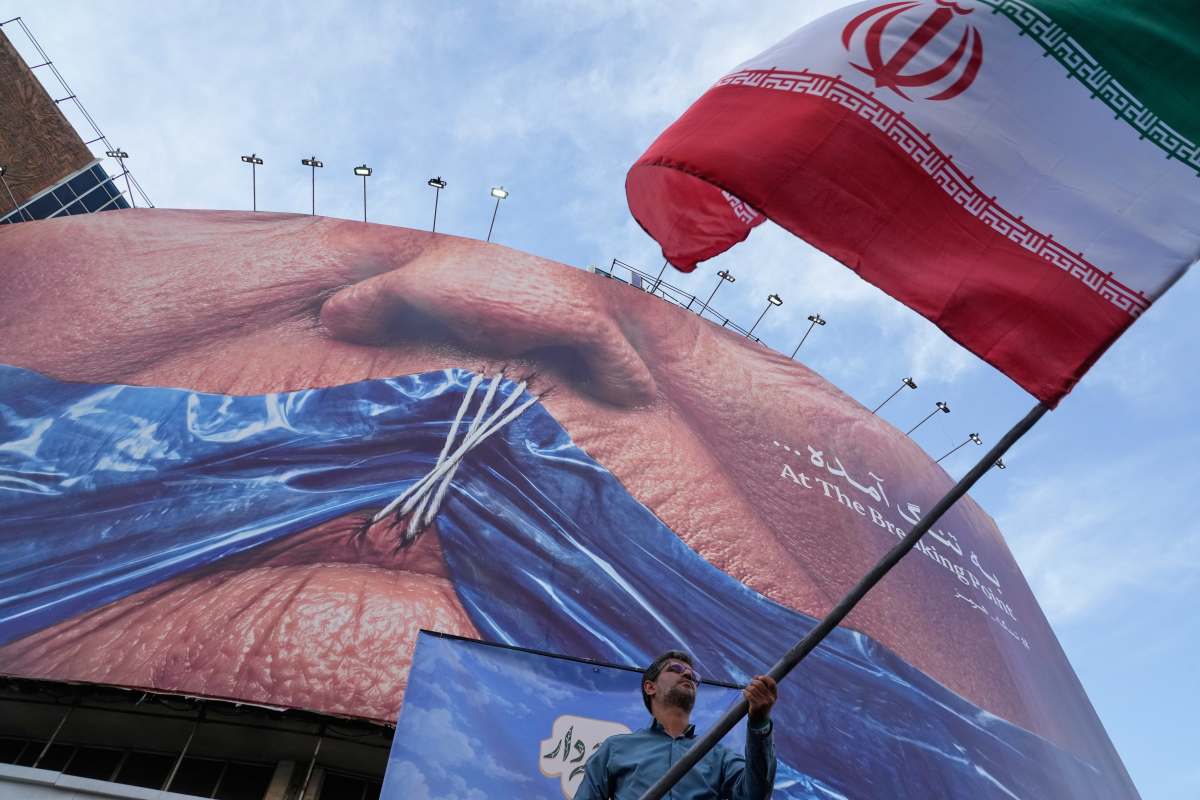
A senior Israeli military official told reporters last month that if the war ends without Iran’s enriched uranium being extracted, it will be considered a failure.