US and Iran exchange fresh strikes as ceasefire push with Tehran faces new threat
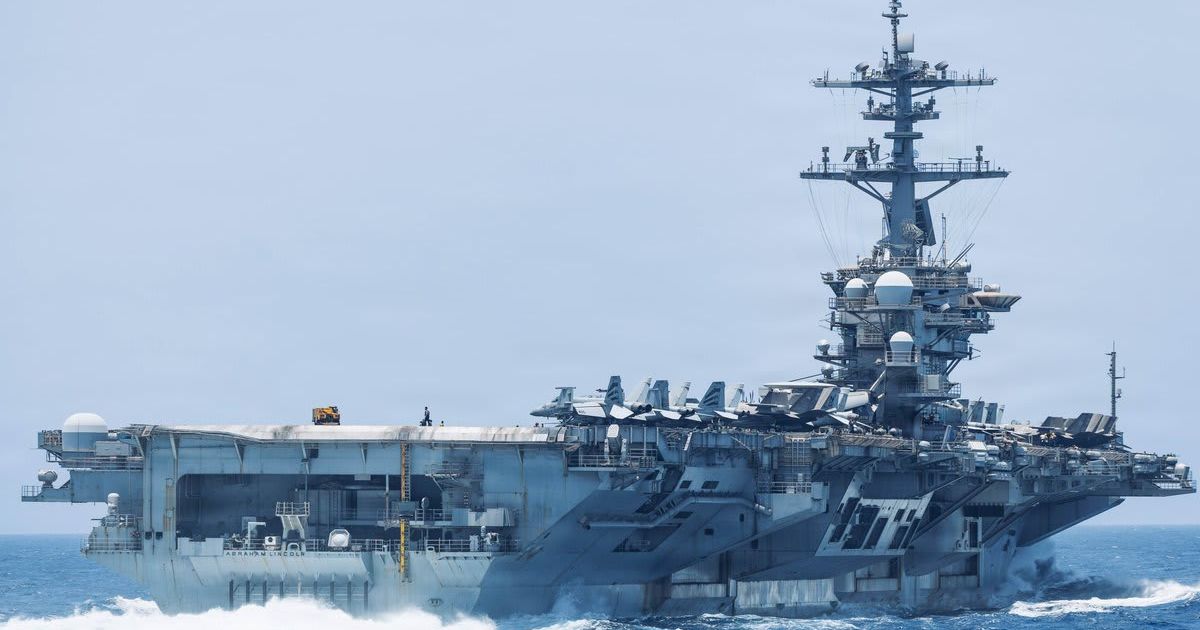
𝐁𝐑𝐄𝐀𝐊𝐈𝐍𝐆: 𝐔𝐒 𝐉𝐔𝐒𝐓 𝐁𝐎𝐌𝐁𝐄𝐃 𝐀𝐍 𝐈𝐑𝐀𝐍𝐈𝐀𝐍 𝐈𝐒𝐋𝐀𝐍𝐃 — 𝐉𝐄𝐒𝐒𝐄 𝐖𝐀𝐓𝐓𝐄𝐑𝐒 𝐑𝐄𝐏𝐎𝐑𝐓𝐒 𝐋𝐈𝐕𝐄
— M.A. Rothman (@MichaelARothman) June 3, 2026
Fox News’ Jesse Watters with the live-from-prime-time alert that the US military has just executed kinetic strikes against an Iranian-held island in… pic.twitter.com/63SwyZVb45
WASHINGTON, DC: President Donald Trump's push to secure a ceasefire with Iran faced a new setback on Tuesday, June 2, after US and Iranian forces exchanged fresh strikes across the Gulf.
The military escalation quickly undercut claims that diplomacy was gaining ground. It also raised new questions about whether Washington can keep ceasefire efforts alive as fighting spreads beyond a single front.
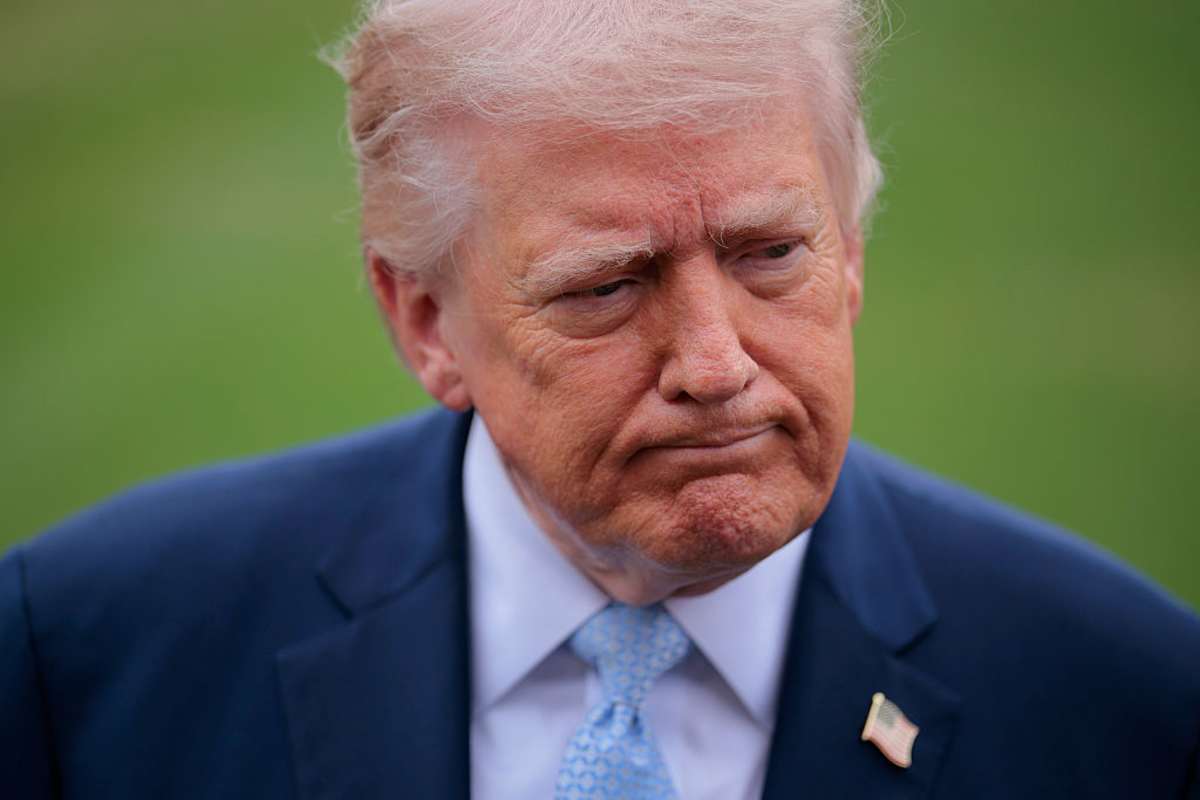
US-Iran strike exchange raises ceasefire pressure
The latest round of attacks began when US Central Command said American forces targeted the Botswana-flagged tanker M/T Lexie as it headed toward Iran’s Kharg Island through international waters, according to the Guardian.
According to Centcom, US aircraft fired a Hellfire missile that disabled the vessel’s engine after its crew ignored repeated warnings over 24 hours.
Iran responded with missile and drone launches aimed at US positions in the region.
Centcom said two Iranian missiles fired toward Kuwait either “fell short or broke apart en route,” while three missiles targeting Bahrain were intercepted by US and Bahraini forces.
Kuwait’s military later confirmed its air defenses were intercepting incoming missiles and drones and urged residents “not to approach or touch any debris, shrapnel, or unidentified objects that may result from intercepting hostile aerial targets.”
Sirens also sounded across Bahrain as the attacks unfolded.
The Iranian Revolutionary Guards claimed they struck the headquarters of the US Fifth Fleet in Bahrain with missiles and drones in retaliation for a US strike on Iran’s Qeshm Island. Centcom denied that claim.
American forces later said they had also shot down three one-way attack drones “launched by Iran toward civilian mariners that were rightfully transiting regional waters.”
Marco Rubio's optimism clashes with Iran warnings
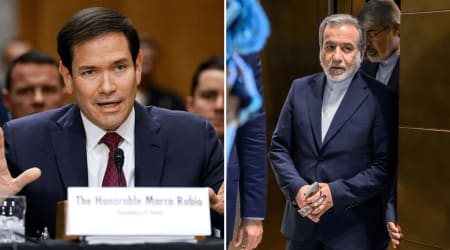
The renewed fighting came just hours after Secretary of State Marco Rubio told senators that a deal with Tehran remained within reach.
Appearing before the Senate Foreign Relations Committee, Rubio said Iran had agreed to discuss parts of its nuclear program that it had previously refused to negotiate.
But Iran’s public messaging pointed in the opposite direction.
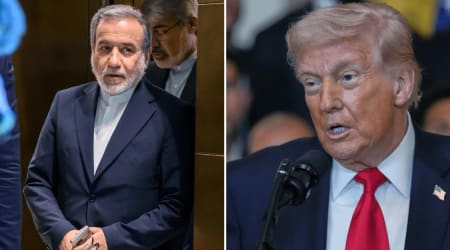
Iranian Foreign Minister Abbas Araghchi warned that ongoing military actions could destroy the basis for future negotiations.
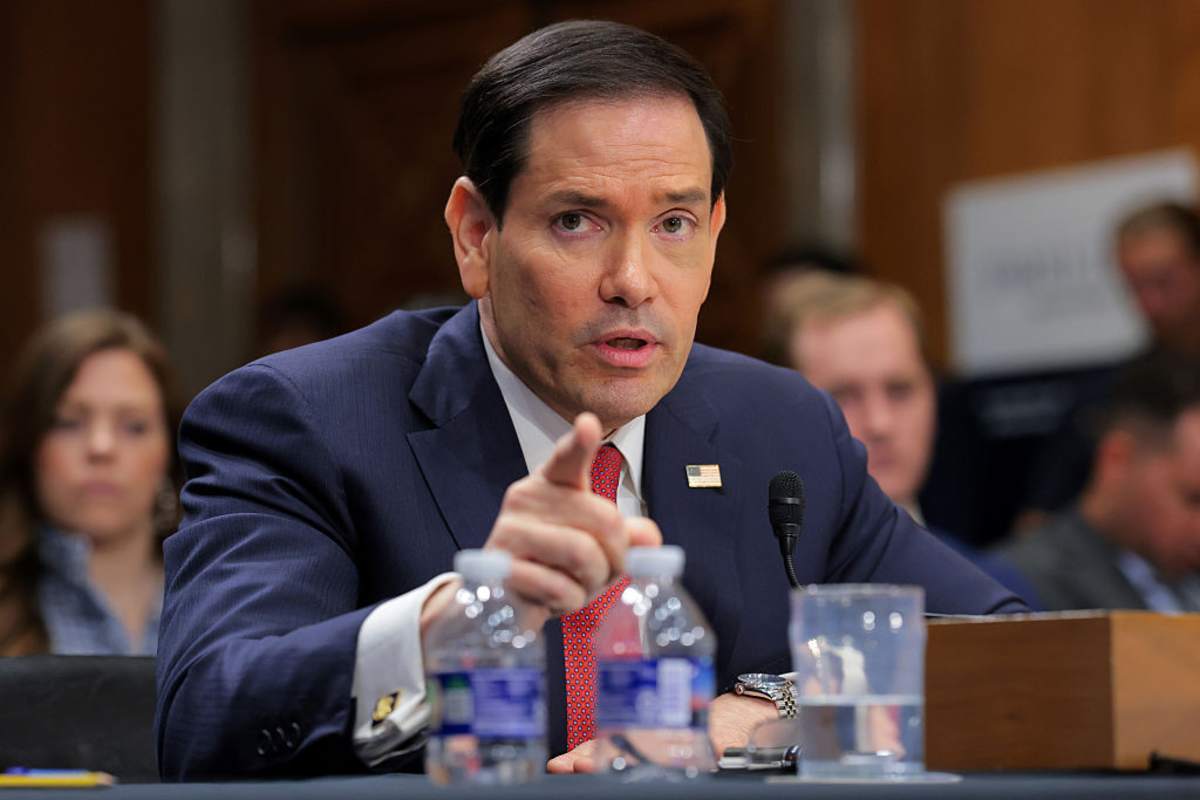 Secretary of State Marco Rubio testifies during a Senate Foreign Relations Committee hearing in the Dirksen Senate Office Building on June 02, 2026, in Washington, DC (Anna Moneymaker/Getty Images)
“The ceasefire between Iran and the US is unequivocally a ceasefire on all fronts, including in Lebanon,” Araghchi said.
“Its violation on one front is a violation of the ceasefire on all fronts. The US and Israel are responsible for the consequences of any violation.”
Lebanon fighting tests Trump’s promise
The latest tensions also followed Trump's claim that he had personally helped prevent an Israeli strike on Beirut.
The president said he had spoken with Israeli Prime Minister Benjamin Netanyahu and representatives of Hezbollah and that “all shooting will stop.”
Yet by Tuesday, Lebanon’s state-run National News Agency reported 30 Israeli strikes across southern Lebanon.
Near Sidon, rescue workers recovered the bodies of six members of the same family, including two children and a woman, after one strike.
The Israeli military also issued a new evacuation warning for Nabatiyeh and accused Hezbollah of violating the ceasefire before launching additional attacks.
Meanwhile, the US blockade of Iranian shipping continued. The military said the Lexie was the sixth vessel disabled since April 13 and that 122 ships attempting to enter or leave Iranian ports had been redirected, leaving Trump’s ceasefire push facing growing pressure as military clashes continue on multiple fronts.