Hegseth says Iran talks are moving US way as Pentagon keeps military option on table
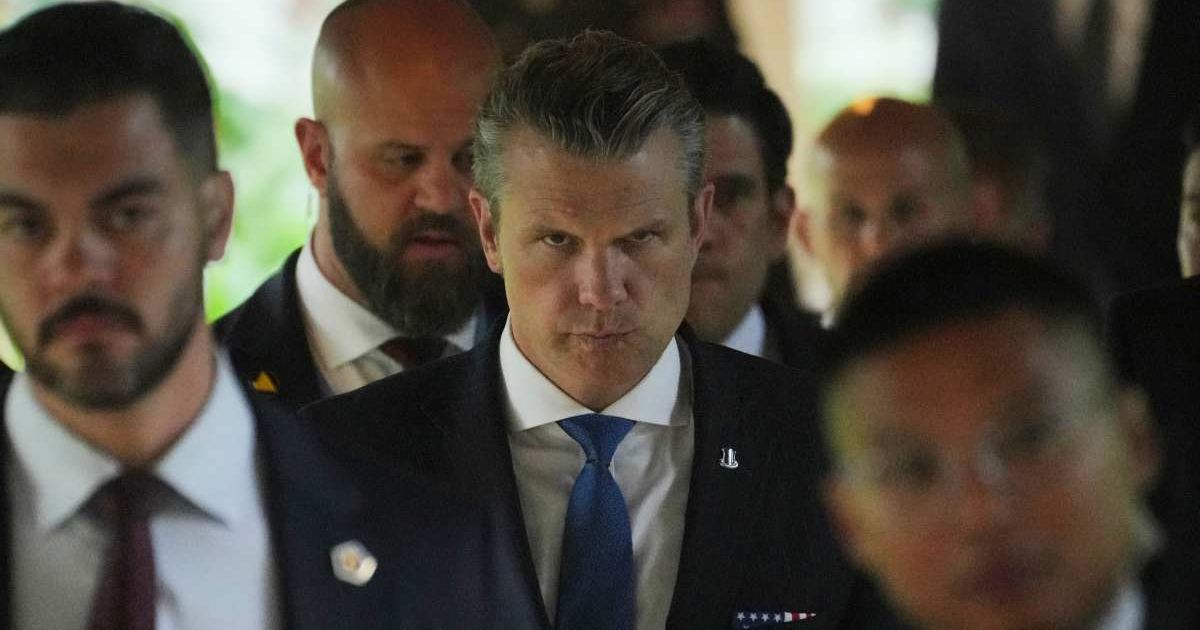
SINGAPORE: Defense Secretary Pete Hegseth announced Saturday, May 30, that high-stakes negotiations with Iran are shifting rapidly toward American interests, signaling growing White House conviction that Tehran is bending to Washington's strict terms.
Speaking to international reporters while attending a defense conference with Indo-Pacific allies in Singapore, the Pentagon chief revealed that bilateral communication tracks have turned highly productive following President Trump's critical Situation Room briefing on Friday afternoon.
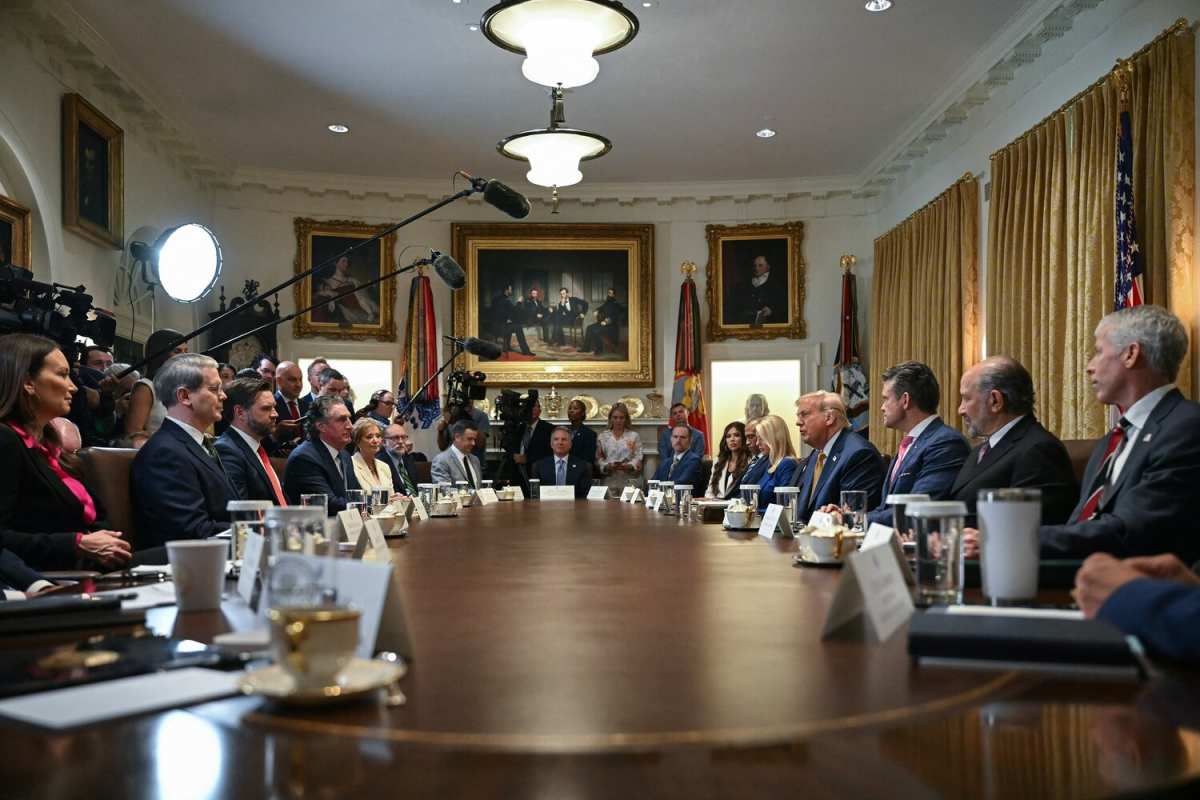
🚨 SECWAR PETE HEGSETH JUST NOW: "President Trump means it when he looks in the camera in the cabinet room and said, they can either do this NOW through a deal, and we think we're in a good place to make that deal, or they can deal with the WAR DEPARTMENT!" 🔥
— Eric Daugherty (@EricLDaugh) May 30, 2026
"We are prepared.… pic.twitter.com/DHGhwXVj9a
Hegseth projected absolute confidence in the administration's dual-track approach, which pairs active diplomatic bargaining directly with unyielding military pressure. “Iran knows very, very clearly what our expectations are, and that's on the negotiating team to deliver,” Hegseth stated.
“They're coming in our direction. The talks have been productive. I think they know where it needs to go, and I'm quite confident with our president, who makes nothing but great deals, that ultimately it'll be something he's proud to defend.”
Tech safeguards stall treaty text
Providing rare insight into the persistent snags stalling the finalization of the two-month ceasefire framework, Hegseth disclosed that recent arguments have centered on long-term enforcement mechanisms.
Specifically, negotiators are wrestling with how to prevent Iran from developing nuclear weapons as global technology continuously develops.
The defense chief emphasized that the United States is determined to permanently preserve its technological edge, ensuring that the final pact accounts for future innovations.
Hegseth characterized these tense guardrail conversations as a natural competing tension between two powerful nations, asserting it remains the War Department's core job to outrun global adversaries and preserve long-term battlefield advantages.
White House maintains rigid nuclear conditions
Hegseth forcefully reiterated that the core goalposts established by the Trump administration have not shifted at all.
The Secretary of State and the President have maintained that any binding memorandum of understanding is entirely contingent on Tehran permanently accepting a reality where it cannot possess nuclear weapons.
.@SECWAR "Any deal that the President is willing to make—he’s only going to make it if he believes it is a GREAT deal for our country and for the security of the world.
— DOW Rapid Response (@DOWResponse) May 30, 2026
Only one president was willing to lay it on the line and ensure that, after forty-seven years, Iran is not… pic.twitter.com/QaRpAZx7AT
“Any deal that the president is willing to make, he's only going to make it if he believes it's a great deal for our country and the security of the world,” Hegseth told reporters, noting that Trump remains uniquely determined to ensure Iran remains completely stripped of nuclear capabilities.
He added that the closer Iranian emissaries come to accepting this reality, both for current stockpiles and future development tracks, the closer the two nations will get to executing a final deal.
Pentagon expands regional combat posture
While the White House prefers a negotiated, diplomatic resolution to the three-month Persian Gulf conflict, Hegseth issued a blunt warning that the military remains fully prepared if the ongoing Doha talks collapse.

Under his leadership, the Pentagon has systematically reinforced its cross-border deployment networks to ensure immediate striking capabilities remain operational.
Hegseth concluded by reminding the clerical regime that the US military is postured even stronger today than it was on day one of the war.