Iran negotiator says Tehran wins concessions ‘through missiles,’ says peace deal must prepare for next war
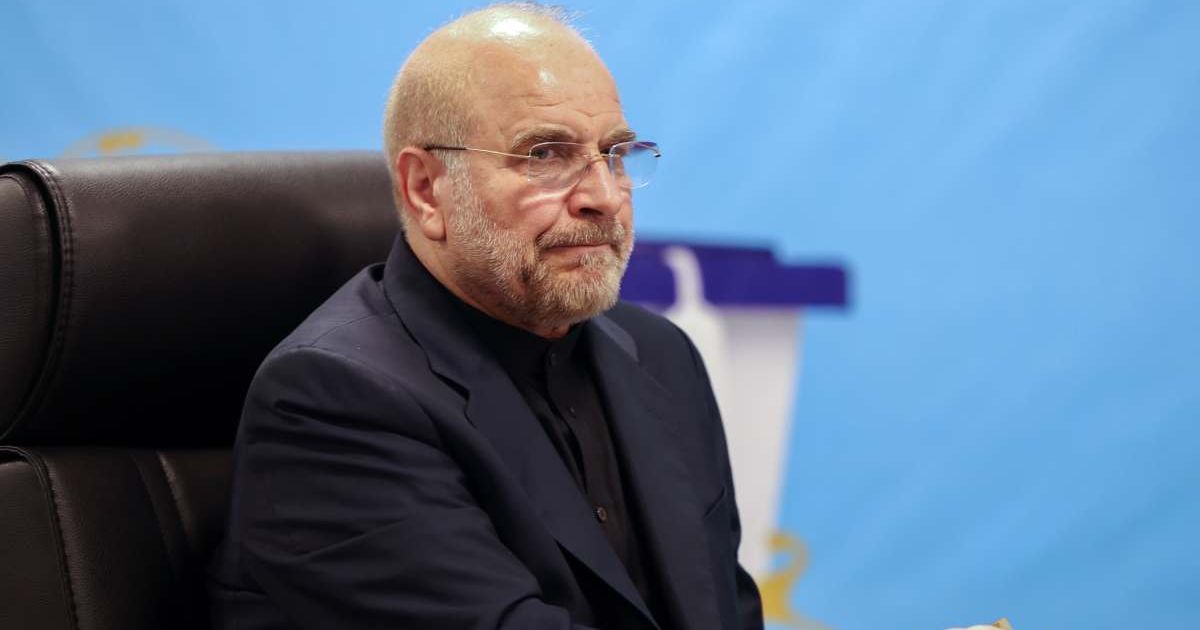
TEHRAN, IRAN: Iran’s chief negotiator, Mohammed Bagher Ghalibaf, has launched an aggressive rhetorical assault against ongoing White House peace initiatives, asserting that Tehran is forcing critical Western concessions entirely through military action.
The provocative statements, broadcast Friday, May 29, by state media outlets, expose a glaring contradiction as both adversarial capitals simultaneously signal they are close to finalizing a comprehensive memorandum of understanding to halt the three-month Persian Gulf war.
Writing on the social platform X, Ghalibaf, who was re-elected as Iran’s Parliamentary Speaker on Monday, completely bypassed traditional diplomatic niceties to highlight his country's battlefield leverage.
“We seize concessions not through dialogue, but with missiles,” Ghalibaf declared, explicitly reframing the delicate backchannel diplomacy as a technical tool to force American submission.
He stated that the active negotiations serve merely to make Washington understand those concessions, emphasizing that Tehran maintains absolutely zero trust in Western words or guarantees.
Tehran demands prior American action
Ghalibaf’s uncompromising stance introduces severe friction into the international diplomatic track, which is currently being mediated by Pakistani emissaries in Doha.
The chief Iranian negotiator insisted that his government will refuse to execute a single compliance step until the United States acts first to dismantle its naval blockades.
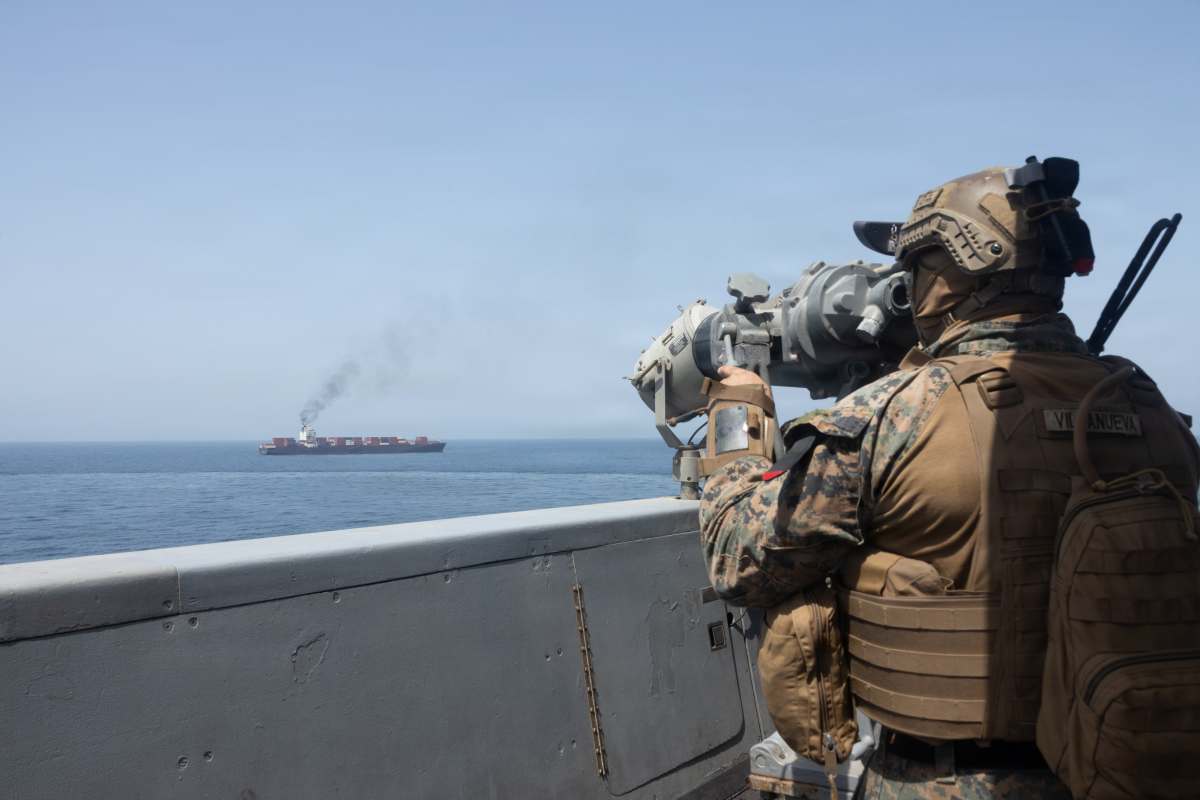
The state-run IRIB network reinforced this hardline position by publishing official alerts confirming that no peace framework has been finalized or formally confirmed.
By stating that only verified physical actions will serve as a measurement of progress, the clerical leadership has effectively rejected American demands for immediate, uncompensated nuclear concessions.
Negotiators brace for post-agreement hostilities
The rhetorical escalation directly challenges recent optimistic assessments delivered by the White House.
Vice President JD Vance announced Thursday that while the two nations are not quite there yet, they are very close to executing a 14-point framework that would temporarily extend the regional ceasefire for an additional two months, reopen the strategic Strait of Hormuz to commercial transit, and initialize broader talks on uranium enrichment limits.
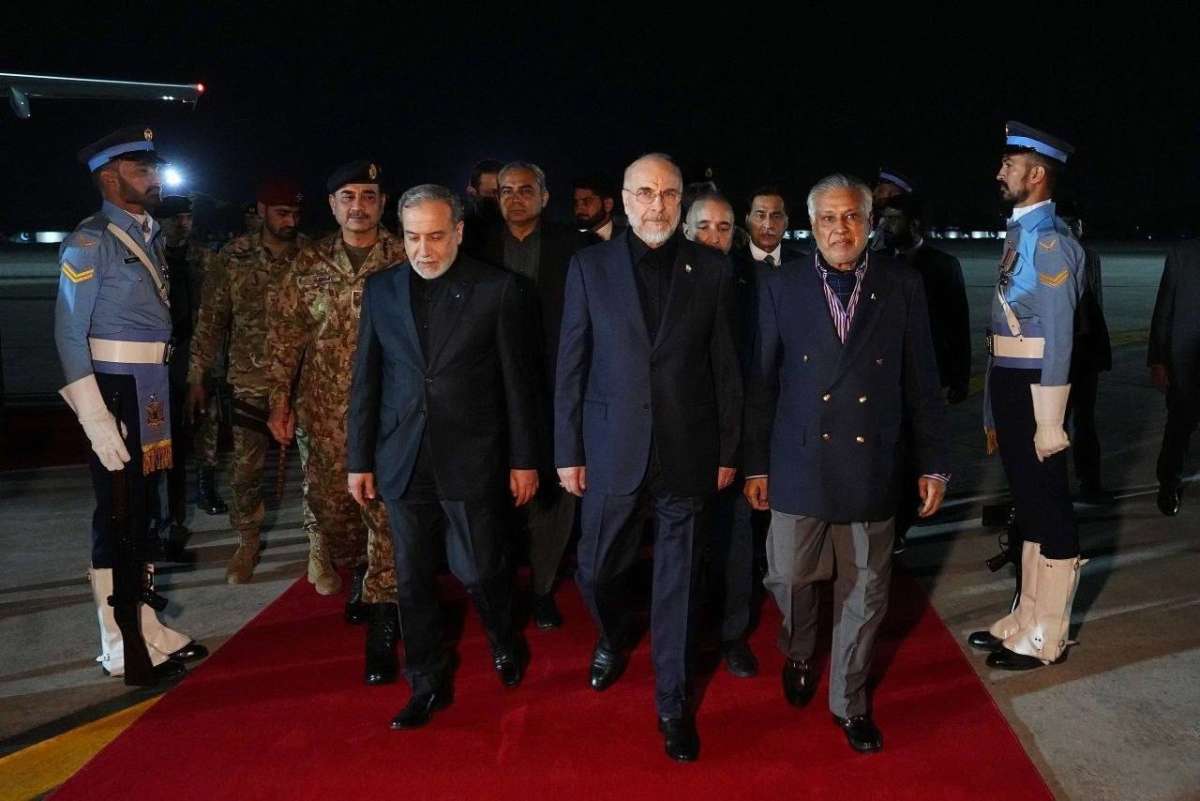
Ghalibaf flatly dismissed the longevity of such an armistice, concluding his public manifesto with a stark warning regarding future combat readiness.
“The winner of any agreement is the one who is better prepared for war from the day after,” he stated, indicating that Tehran views the looming truce merely as an operational window to fortify its ballistic infrastructure for the next inevitable round of hostilities.