White House explodes at Iran over 'fake' peace draft claiming US troop pullback
WASHINGTON, DC: The Trump White House has furiously rejected a purported draft peace framework broadcast by Iranian state television, branding the leaked text a complete fabrication.
The sharp executive pushback shattered the brief diplomatic optimism surrounding a potential end to the three-month Persian Gulf war, exposing deep-seated institutional distrust as both sovereign capitals publicly battle to control the narrative of the sensitive multi-nation negotiation.
The dispute ignited after Tehran’s state-controlled IRIB network unsealed what it claimed was the 'Islamabad Framework', an unofficial 14-point memorandum of understanding.
The leaked documents asserted that the United States had accepted an obligation to entirely withdraw its military forces from the vicinity of Iran, while immediately lifting its naval blockade of southern ports.
This report from Iranian controlled media is not true and the MOU they “released” is a complete fabrication. Nobody should believe what Iranian state media is putting out. FACTS MATTER. https://t.co/agpTnBSgKu
— Rapid Response 47 (@RapidResponse47) May 27, 2026
In response, the White House’s official Rapid Response account delivered an aggressive denunciation on the social platform X, declaring: “This report from Iranian controlled media is not true and the MOU they ‘released’ is a complete fabrication. Nobody should believe what the Iranian state media is putting out. FACTS MATTER.”
Administration maintains strict non-negotiable redlines

White House spokeswoman Olivia Wales moved quickly to reinforce the administration's defensive stance, emphasizing that President Donald J Trump will only accept a deal that structurally protects American interests.
Wales clarified that while preliminary negotiations have been proceeding in an orderly manner, the president’s national security conditions remain completely absolute.
The administration's central mandate dictates that any final, binding agreement must permanently ensure that Iran can never achieve a nuclear weapon.
While US officials concede a willingness to lift port blockades to restore commercial shipping traffic through the critical Strait of Hormuz, they maintain that such relief is entirely contingent on Tehran permanently abandoning its regional enrichment programs.
Waterway shipping fees trigger structural impasse
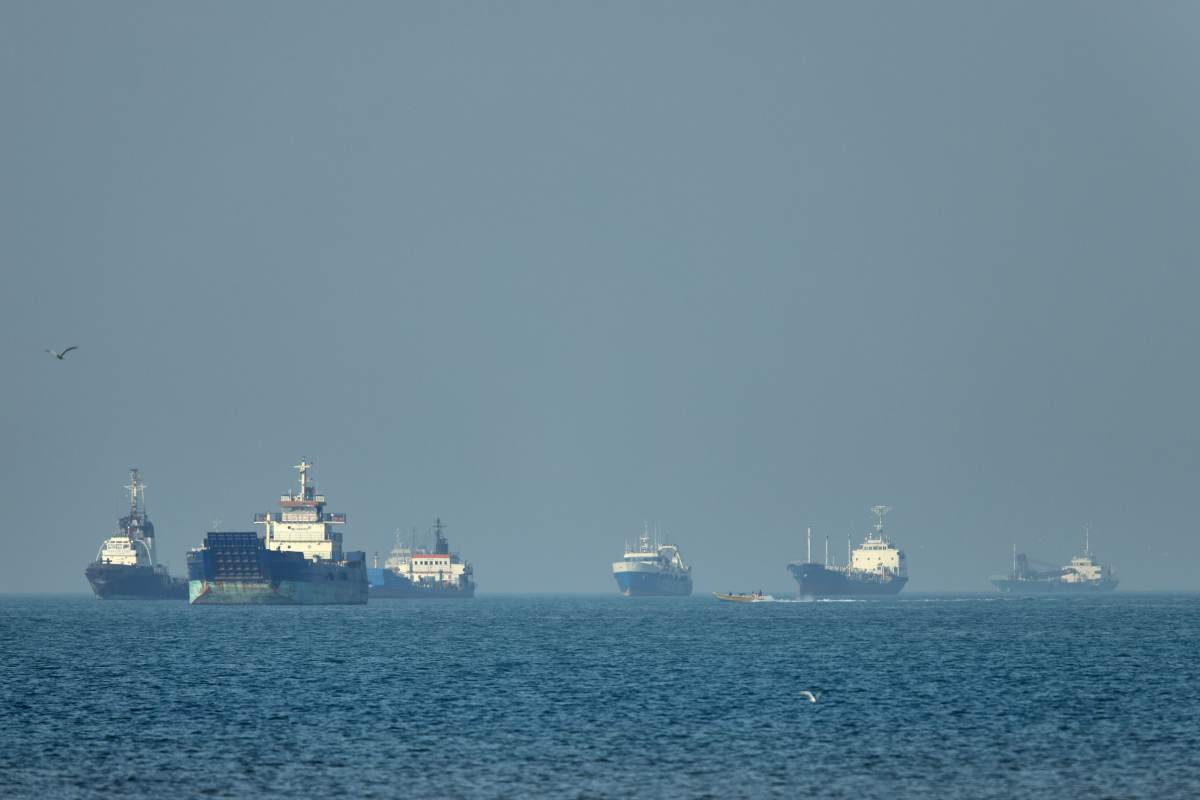
The public breakdown highlights a profound strategic impasse over who commands the vital energy corridor.
While the fake draft claimed Washington would yield oversight to a joint Iranian-Omani maritime network, Secretary of State Marco Rubio flatly rejected any mechanism that subjects international commercial vessels to Iranian permits or service fees.
The administration’s refusal to yield maritime leverage has slowed progress in Qatar, even as oil markets fluctuate wildly.
By aggressively deauthorizing the leaked text, the White House signaled to regional allies that it will maintain its crushing naval blockade until Tehran submits to verified, verifiable disarmament terms rather than media manipulation.