‘Nothing to do with the hack’: White House speaks out on Trump chief Susie Wiles hoax
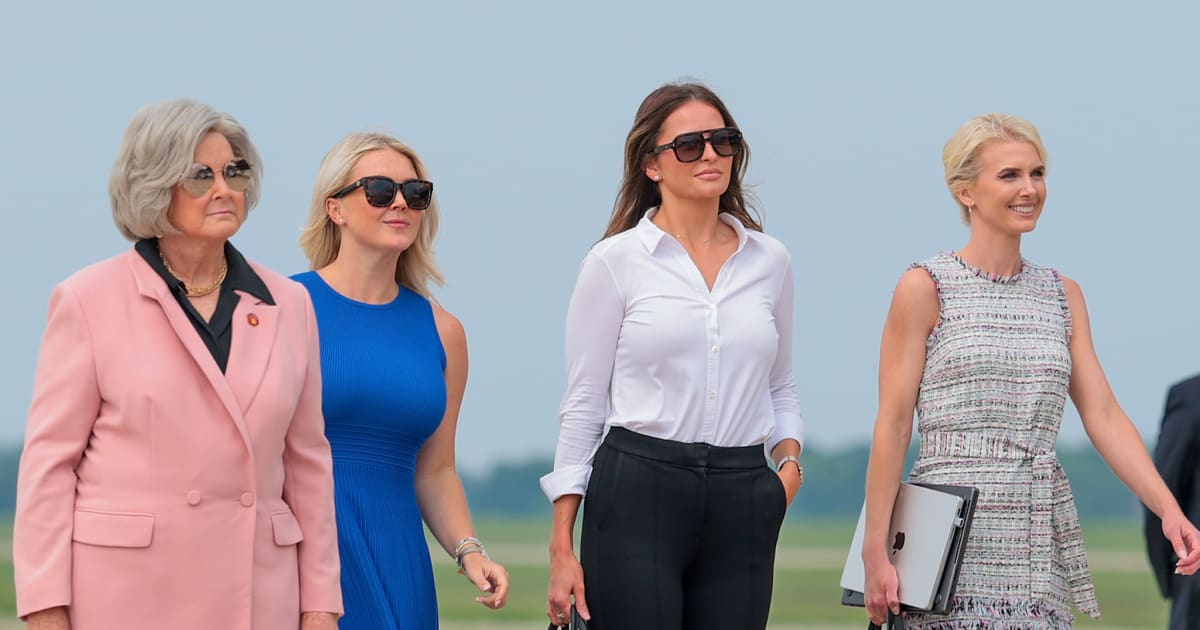
WASHINGTON, DC: The White House rejected fears on Monday, August 17, that Chief of Staff Susie Wiles’ phone was compromised again after a British prime minister received messages from a hoaxer.
The messages appeared to come from Wiles, whose phone was reportedly breached in an earlier incident that prompted FBI and White House probes.
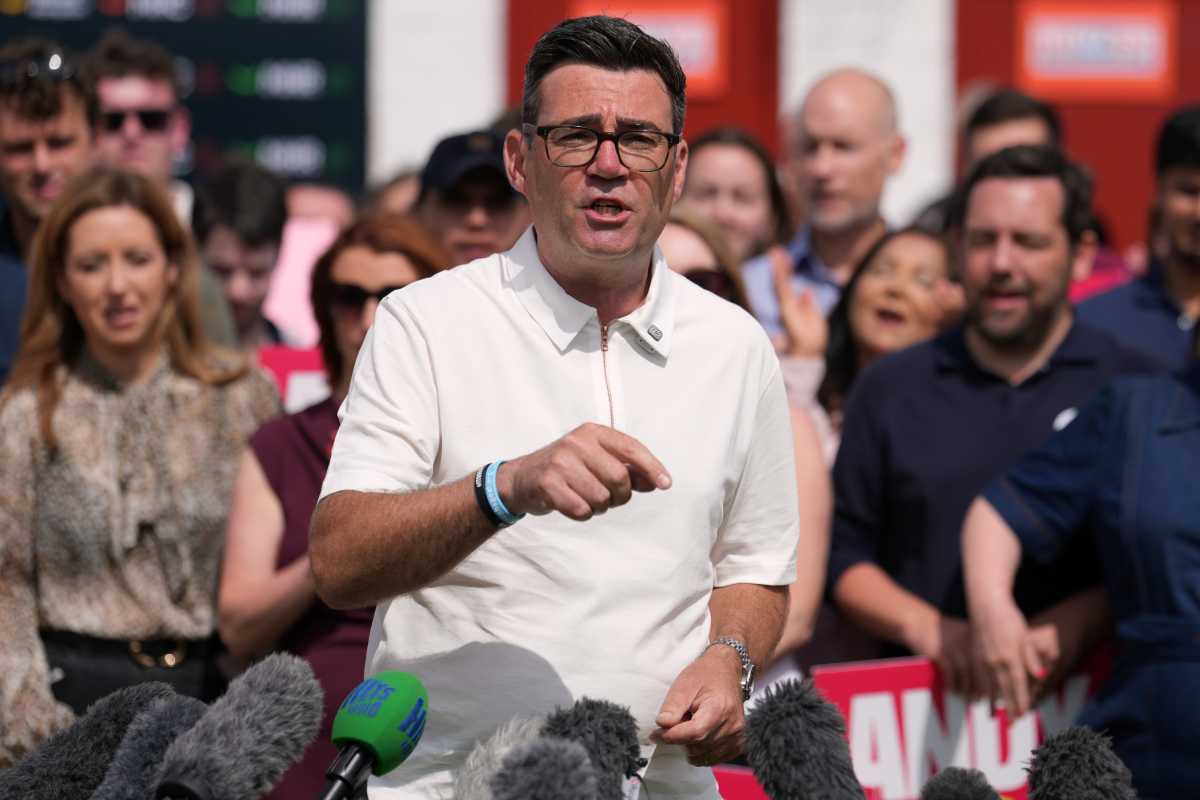
British Prime Minister Andy Burnham exchanged “a few messages” with the impersonator before becoming concerned they were not from Wiles.
White House denies Wiles device was involved
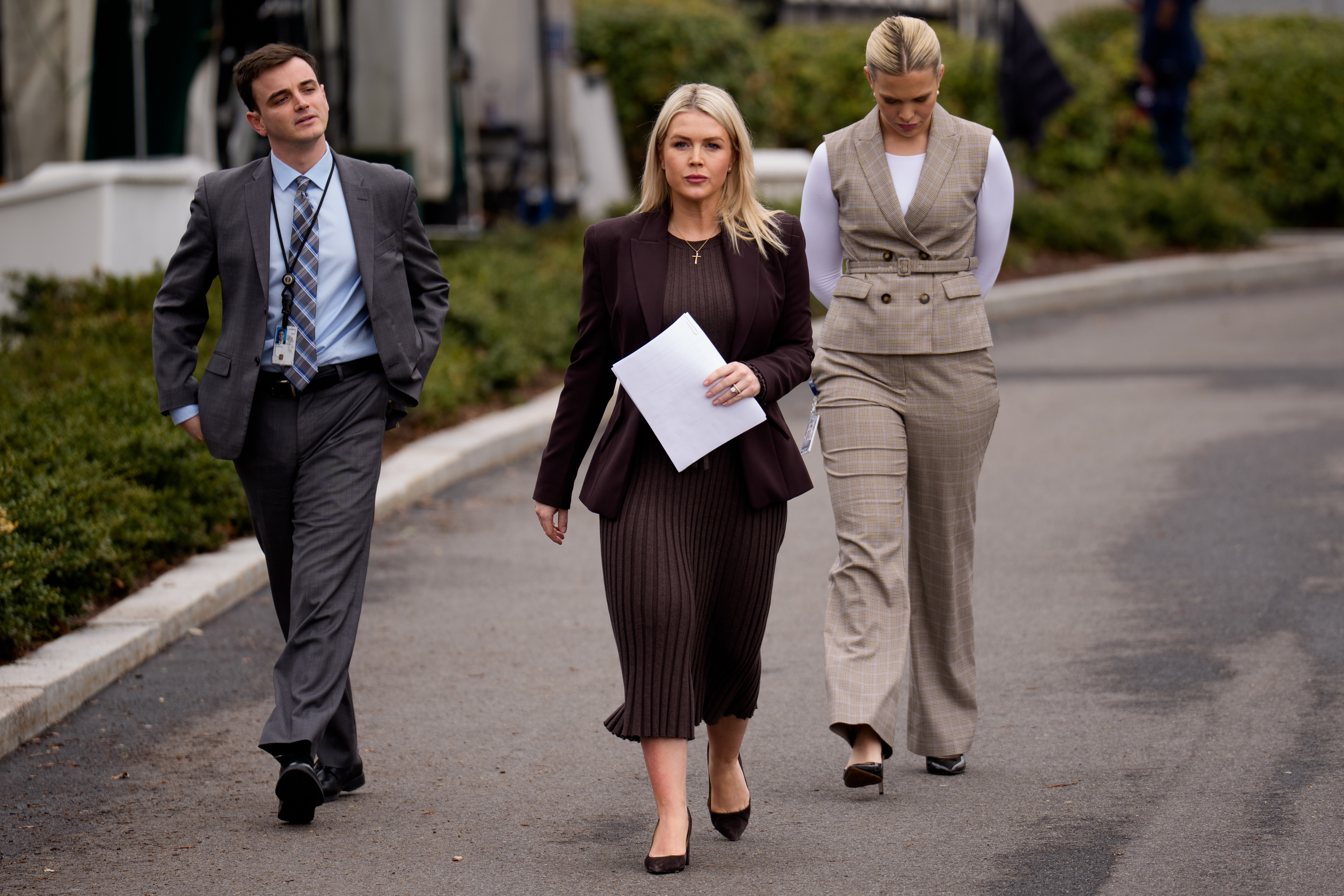
A White House official told the Independent the Burnham incident was separate from the earlier security breach involving Wiles’ phone.
“This incident had nothing to do with the Chief of Staff’s devices being hacked,” the official said.
The denial came after the British government contacted the White House through its embassy in Washington because of concerns that Wiles’ phone had been breached as it was a year ago.
Burnham had briefly “engaged” with messages purporting to be from Wiles, Politico first reported.
His office later said the “few messages” exchanged were “of no significance.”
The prime minister’s office also described the incident as a “national security matter” and said there would be no further comment.

The episode came more than a year after political and business figures began receiving texts and calls from someone claiming to be Wiles.
Wiles reportedly told people at the time that her phone had been breached.
Earlier Wiles hoax prompted federal probe
The FBI and White House launched a probe into the earlier Wiles impersonation incidents after a number of political and business figures received messages and calls they believed came from her.
According to the Wall Street Journal, FBI officials told the White House they did not believe a foreign adversary was responsible for those incidents.
The latest episode involving Burnham was not the first high-profile impersonation involving British or American officials.
In 2024, Lord David Cameron, then the British foreign minister, was duped by a hoaxer who got him to exchange texts and speak by phone with someone pretending to be former Ukrainian President Petro Poroshenko.
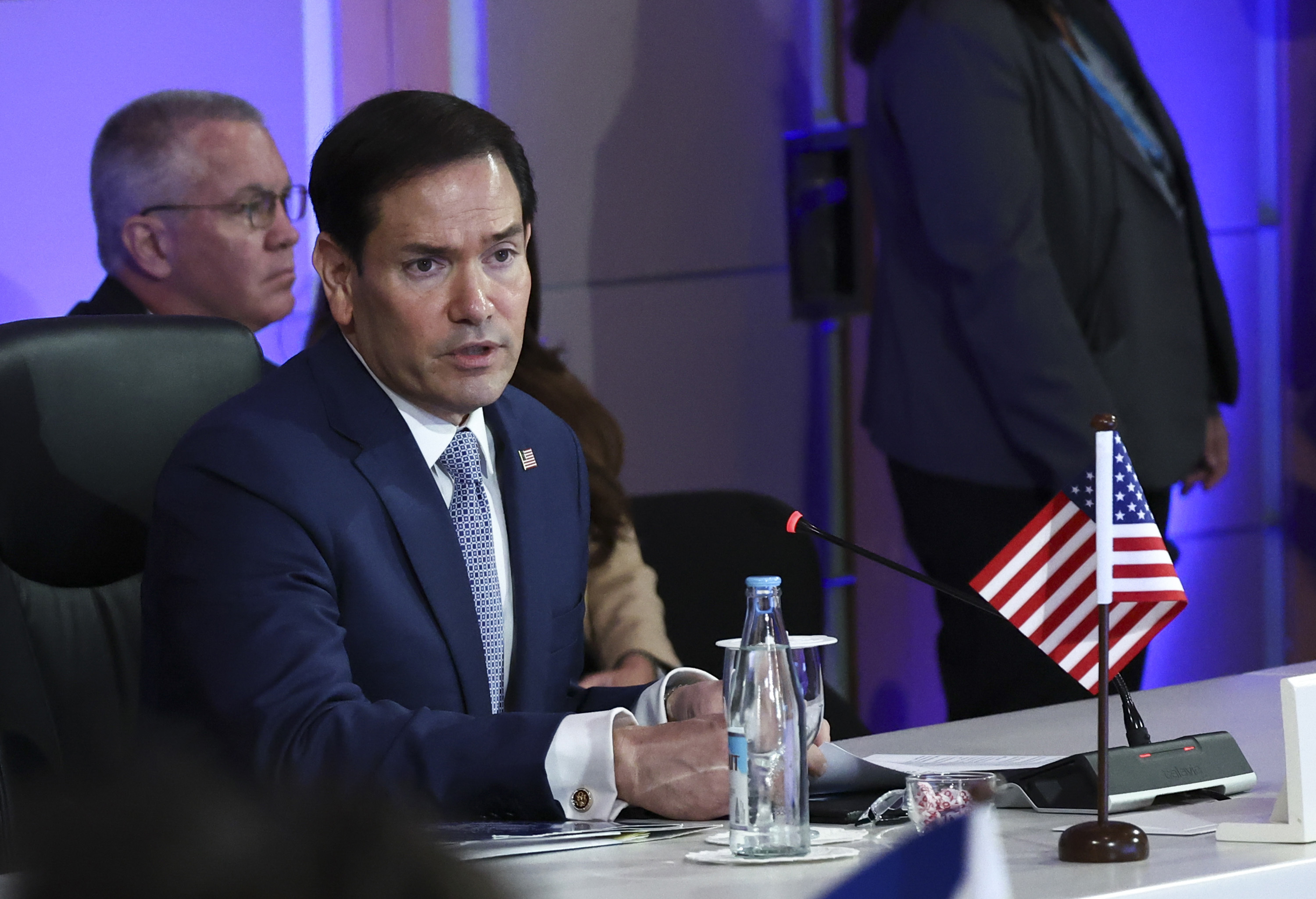
Last year, Secretary of State Marco Rubio was also impersonated by an individual who used AI to mimic his voice and written communications in messages to several senior officials, the Washington Post reported.
The Post said a State Department cable attributed the Rubio hoaxes to an actor seeking “access to information or accounts.”
Officials have faced other messaging security problems
The report by the Independent points to broader security concerns involving how Trump administration officials conduct government business on personal devices.
Officials frequently use personal devices and the Signal encrypted messaging app for government business, according to the report.
Michael Waltz, a former Florida congressman who serves as US ambassador to the United Nations, was removed from his prior role as national security adviser after inadvertently including Atlantic editor Jeffrey Goldberg in a Signal chat.
The chat included Rubio, Defense Secretary Pete Hegseth and other senior administration officials and involved discussions about plans for airstrikes on Houthi rebels in Yemen last year.