Saudi Crown Prince urges Trump to avoid fresh Iran strikes over fears of wider regional war
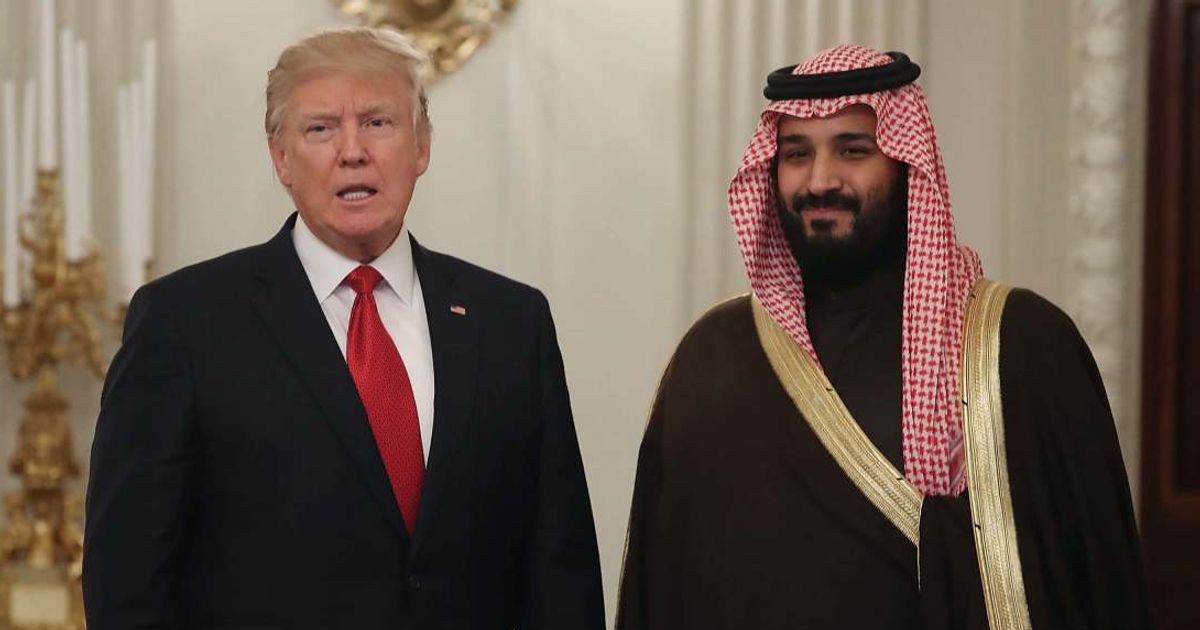
WASHINGTON, DC: Saudi Crown Prince Mohammed bin Salman reportedly urged President Donald Trump not to authorize another round of military strikes against Iran, adding a new diplomatic twist to the rapidly escalating crisis in the Middle East. The reported call came on Saturday, August 1, as the White House continued signaling that further US military action remains under consideration.
According to Axios, citing two US officials and another source, the Saudi leader called Trump to express concern over the growing conflict and encouraged him to pursue de-escalation instead of launching additional attacks.
Mohammed bin Salman reportedly sought clarity on Donald Trump's plans
According to the report, one source said Mohammed bin Salman urged Trump to avoid further military action against Iran and instead work toward lowering tensions.
A US official told the outlet that "the Saudis expressed concern and asked for clarity about the plan of action."
The reported conversation comes after the White House indicated on Friday that Trump is weighing new strikes as the administration pushes Iran to reopen the Strait of Hormuz and comply with the terms of last month's failed truce.
Trump: The U.S.A. is locked and loaded and ready to go against the Islamic Republic of Iran, at levels of Military Terror, Strength, and Power not seen since World War II.
— Acyn (@Acyn) August 2, 2026
Despite this, we have just been asked by Iran, and other Middle Eastern Countries, to hold off any attack in… pic.twitter.com/jJijqBIdbH
Speaking during a televised Cabinet meeting at Camp David, Trump struck a defiant tone.
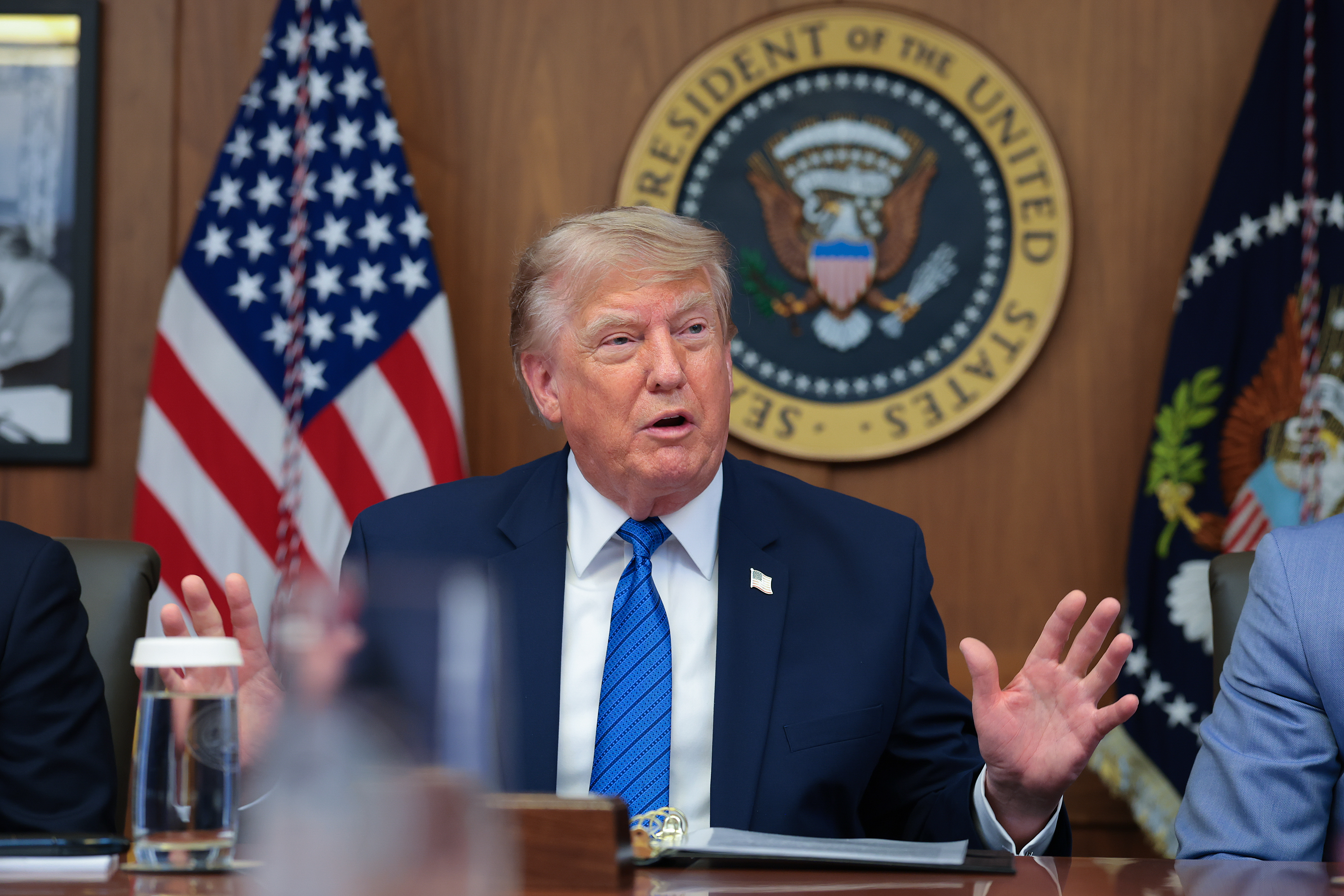
"We will be hitting them very hard and you know at some point, they're going to say, 'We just can't take it anymore,'" he said.
White House press secretary Karoline Leavitt also accused Tehran of violating its previous commitments.
"President Trump is not going to stand by and allow this terrorist behavior to occur," she said, adding that Iran "will continue to pay until they come to the table in, what President Trump deems, a meaningful way."
Conflicting reports emerge over possible US military action
While the administration has not confirmed any final decision, reports have offered different accounts of Trump's next move.
The Wall Street Journal reported that Trump has already approved strikes that could begin over the weekend, citing several officials. Axios, however, reported that the president "hasn't given final orders to do it."
CBS News also reported that the US and Israel are preparing what sources described as "one of the harshest bombing campaigns to date" targeting Iran's energy infrastructure, though officials said the final approval had not yet been given.
BREAKING: The U.S. and Israel are planning what would be one of the harshest bombing campaigns to date against energy infrastructure targets in Iran, multiple sources told @CBSNews, with strikes possible throughout the weekend. @margbrennan has details. https://t.co/67GtsafRMH pic.twitter.com/h1TEyGA27F
— CBS Evening News with Tony Dokoupil (@CBSEveningNews) July 31, 2026
Chief Pentagon spokesperson Sean Parnell said the military is prepared to act if ordered.
"The Department of War is locked and loaded, ready to execute the President's directives at a moment's notice," he said, while declining to discuss potential targets.
Iran warns of retaliation as regional tensions continue to grow
Iran responded with fresh warnings, with a senior security official saying Tehran has both "the capacity and the will" to retaliate against any US or Israeli attack.
The official claimed Iran has prepared "extensive response plans," including strikes on "the vital infrastructure of the Zionist regime and US energy infrastructure in the region."
Meanwhile, Iranian state media reported that drones targeted an air base in Kuwait following earlier US strikes, while Iran's Revolutionary Guard claimed to have hit two oil tankers attempting to pass through the Strait of Hormuz.
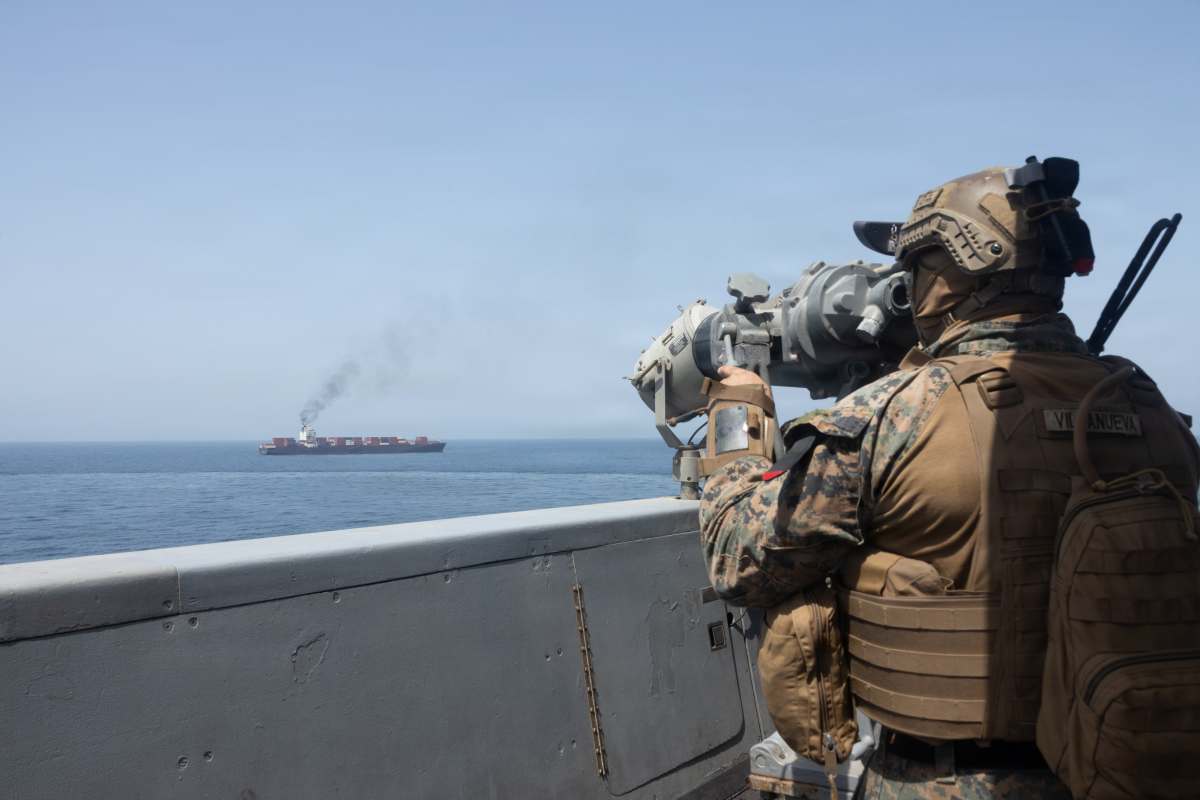
As uncertainty grows across the region, Americans were advised to be prepared to leave 10 Middle Eastern countries, including Saudi Arabia, Qatar, Kuwait, Bahrain, the UAE, Oman, Iraq, Jordan, Israel and Egypt, highlighting concerns that the conflict could widen further.