Iran keeps Strait of Hormuz closed after fresh US airstrikes target IRGC
WASHINGTON, DC: The United States carried out a fresh wave of airstrikes against Iran early Thursday, July 30, targeting dozens of Islamic Revolutionary Guard Corps (IRGC) facilities in retaliation for Tehran's attempted attack on US military positions a day earlier.
The US military described the operation as a "heavy wave of strikes," marking its first direct attacks on Iranian territory in several days. Iranian state media reported explosions across southern Iran, including the strategic port city of Bandar Abbas and the Persian Gulf island of Kish.
Iranian state broadcaster IRIB later released images and videos that it said showed the aftermath of the strikes on Qeshm Island, where missiles reportedly hit a residential home in the Chah Tangu neighborhood. Search and rescue operations were said to be underway.
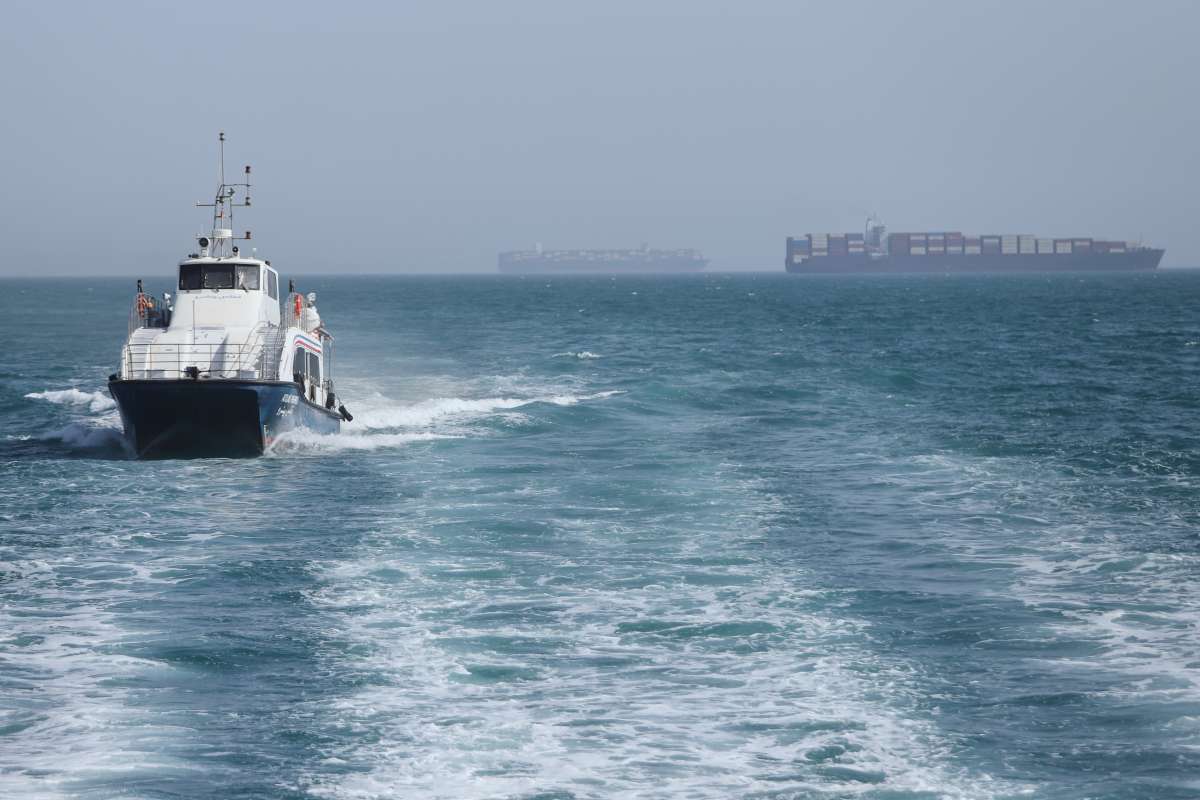
Iran vows to keep Strait of Hormuz closed
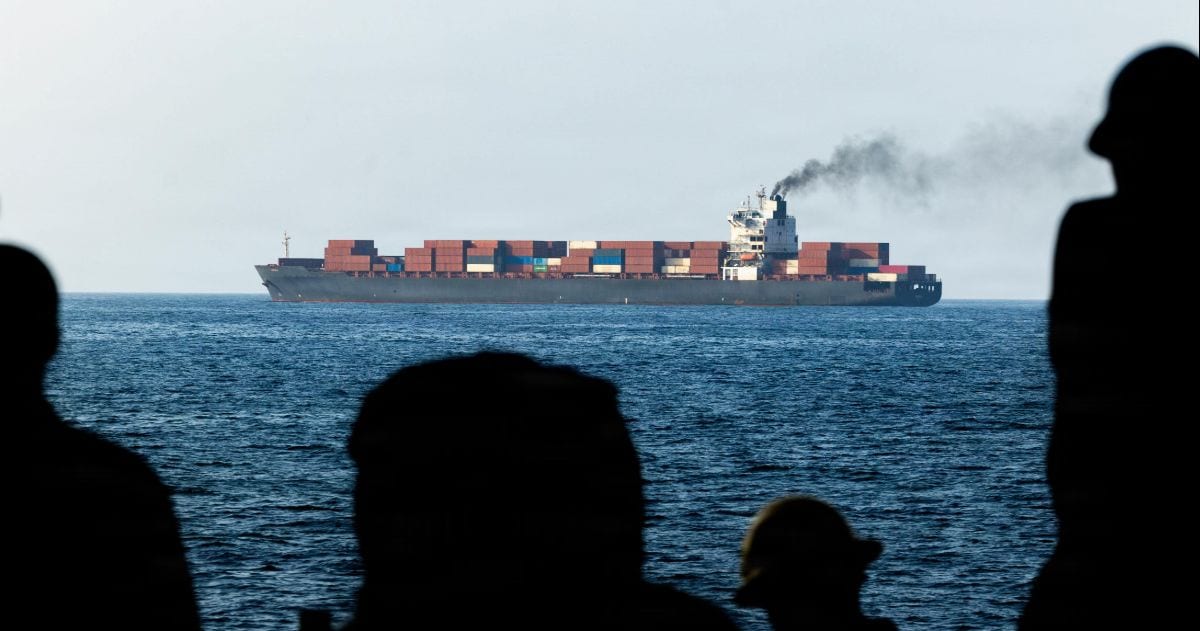
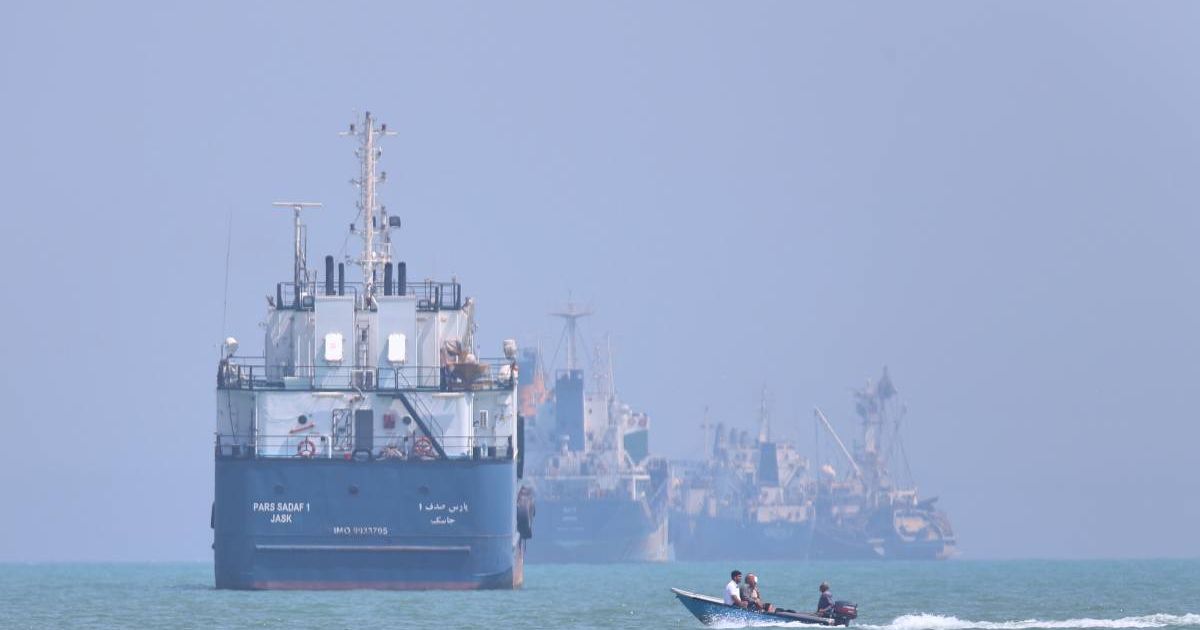
Following the strikes, the IRGC declared that the Strait of Hormuz would remain closed for as long as the United States continued what it described as "threats" and interference with regional shipping.
The waterway is one of the world's most critical energy transit routes, and its continued closure has intensified concerns over global oil supplies and maritime security.
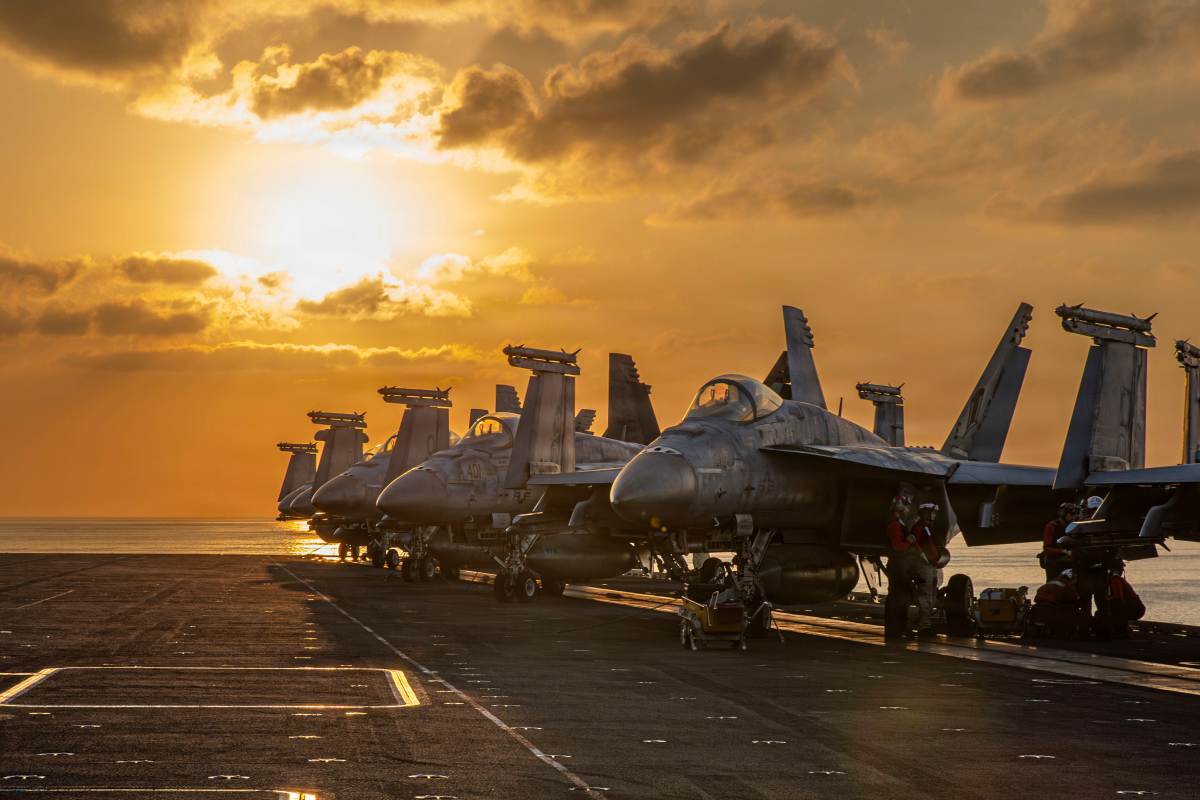
Regional conflict widens with Egypt, Saudi Arabia getting involved
The conflict continued to spill beyond Iran and the United States, with Egypt and Saudi Arabia becoming increasingly involved.
Egypt was directly affected after infrastructure linked to one of its ports was struck for the first time, triggering fires aboard two vessels.
Saudi Arabia also expanded its role by joining the United States in strikes targeting Iranian-backed proxy groups operating in Iraq, which shows growing regional efforts to contain Tehran's influence.
Even as military operations intensified, diplomatic efforts remained underway.

Pakistan said it was making every effort to help revive stalled negotiations between Washington and Tehran, with Islamabad's foreign ministry reiterating its support for dialogue to reduce tensions.
The escalating conflict has also had major economic consequences. Energy giant Shell reported its second-highest quarterly profit on record, benefiting from a sharp rise in crude prices.
Brent crude, the global benchmark, has climbed by nearly one-third since the conflict began in February, driven by concerns over supply disruptions linked to the fighting and the continued closure of the Strait of Hormuz.