Massive explosion rocks Strait of Hormuz after tanker leaves Iran-designated route
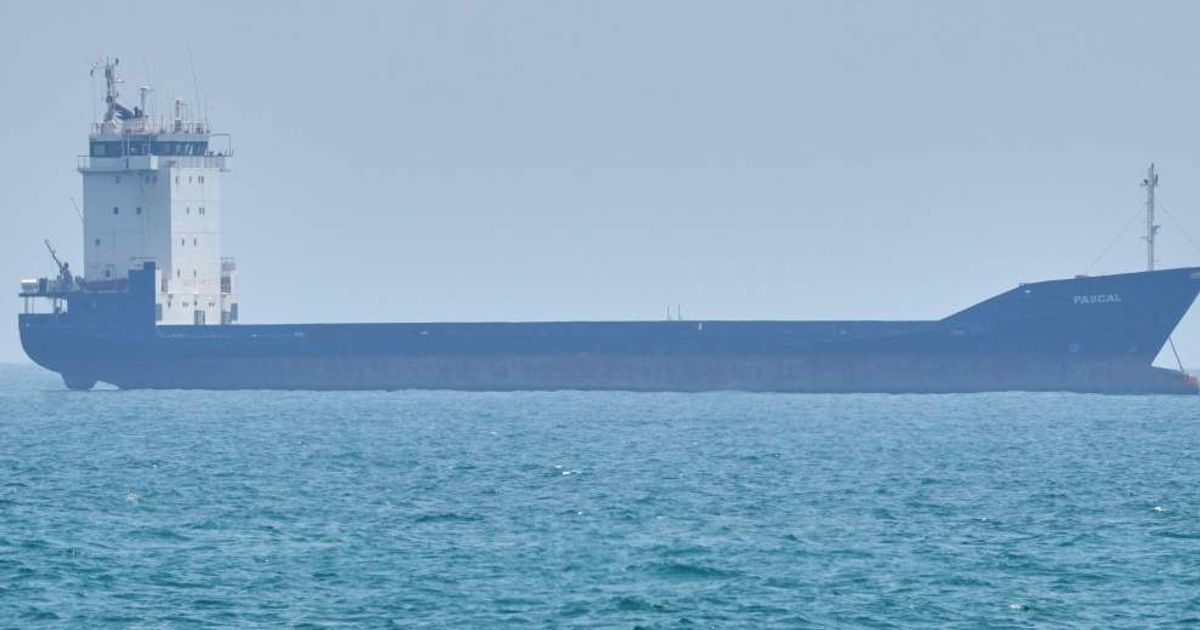
Last month, Iranian authorities said ships could pass safely only on military-approved routes, citing rising regional hostilities
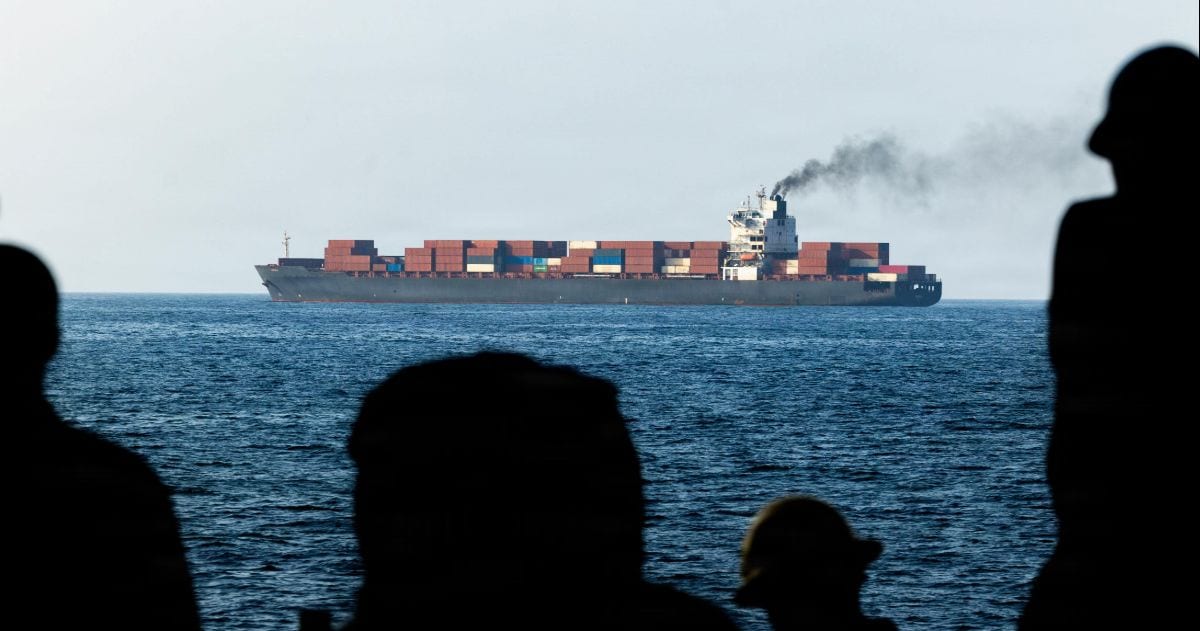
A tanker sits anchored in the Strait of Hormuz off the coast of Qeshm Island, Iran, Saturday, April 18, 2026 (AP Photo/Asghar Besharati)

TEHRAN, IRAN: A fresh maritime scare unfolded in one of the world's most volatile waterways on Sunday, July 26, after an oil tanker was rocked by an explosion in the Strait of Hormuz, with Iranian media claiming the vessel triggered a naval mine after sailing outside a route approved by Tehran.

The reported blast comes at a time when the narrow passage has become a major flashpoint in the expanding US-Iran conflict, where even a slight deviation from Iran's newly enforced navigation rules is now being portrayed as carrying potentially devastating consequences.


Massive blast rocks Strait of Hormuz

Iranian state-affiliated outlets claimed the tanker had allegedly left the shipping corridor designated by Iranian authorities before the explosion occurred.

Tasnim News reported that the vessel struck what it described as a naval mine after moving beyond the approved navigation lane, while Mehr News, citing an informed source, echoed the same account.

Neither outlet identified the tanker, and officials have not released details about the crew, possible casualties or the extent of damage suffered by the vessel.

A rider gallops along a beach as oil tankers and cargo ships line up in the Strait of Hormuz near Khor Fakkan, United Arab Emirates, Wednesday, March 11, 2026. (AP Photo/Altaf Qadri)
A rider gallops along a beach as oil tankers and cargo ships line up in the Strait of Hormuz near Khor Fakkan, United Arab Emirates, Wednesday, March 11, 2026 (AP Photo/Altaf Qadri)

The reported incident follows a series of increasingly blunt warnings from Tehran over how commercial vessels should navigate the Strait of Hormuz.

Last month, Iranian authorities declared that ships would only be allowed to pass safely if they used routes authorized by Iran's military, arguing that tighter control was necessary because of mounting regional hostilities.

Those warnings have become more forceful as military exchanges between the United States and Iran have intensified in recent weeks.
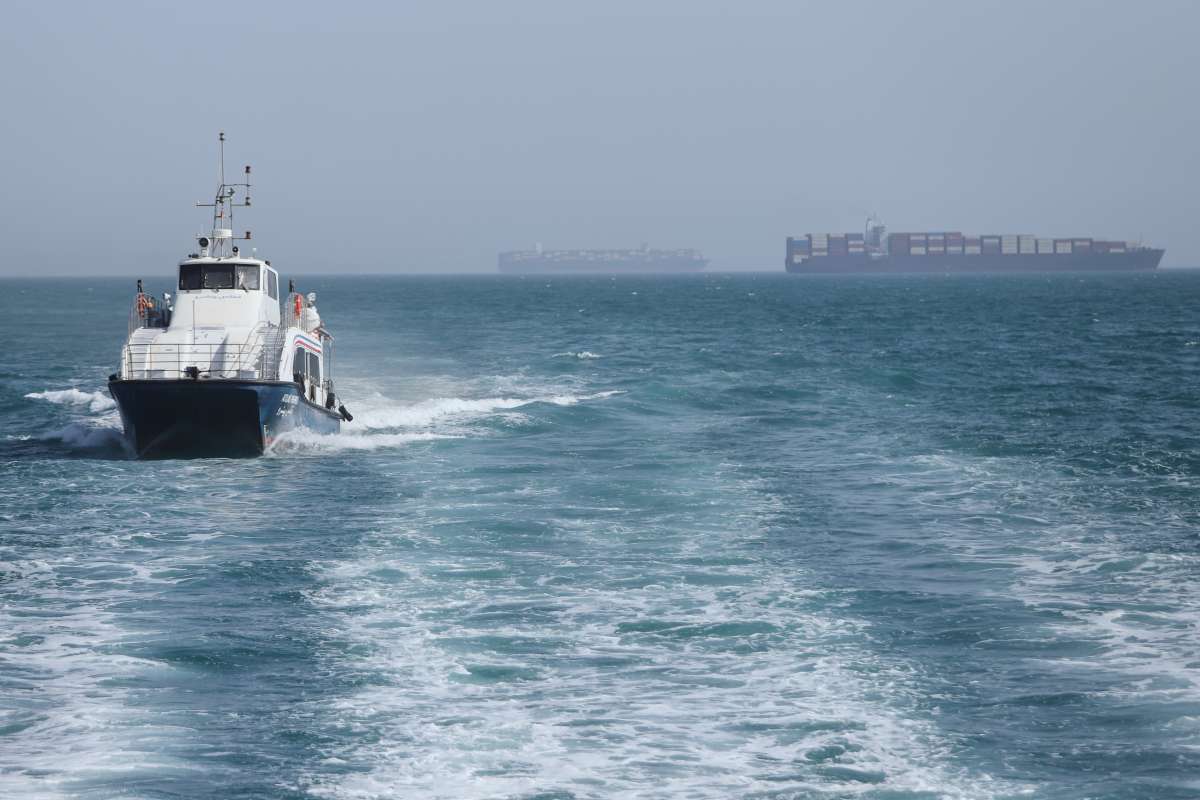
A patrol boat moves through the water as cargo ships sit at anchor in the Strait of Hormuz off Bandar Abbas, Iran, Saturday, May 2, 2026.(Amirhosein Khorgooi/ISNA via AP)
A patrol boat moves through the water as cargo ships sit at anchor in the Strait of Hormuz off Bandar Abbas, Iran, Saturday, May 2, 2026 (Amirhosein Khorgooi/ISNA via AP)

IRGC's blunt warnings to vessels

Iran's Revolutionary Guard has already claimed that it has acted against vessels it says ignored its navigation orders.

Earlier this week, the IRGC alleged that three oil tankers attempted to travel through an unauthorized southern corridor.

According to the Iranian military, one vessel struck an explosive device and caught fire, forcing the remaining ships to abandon their journey.
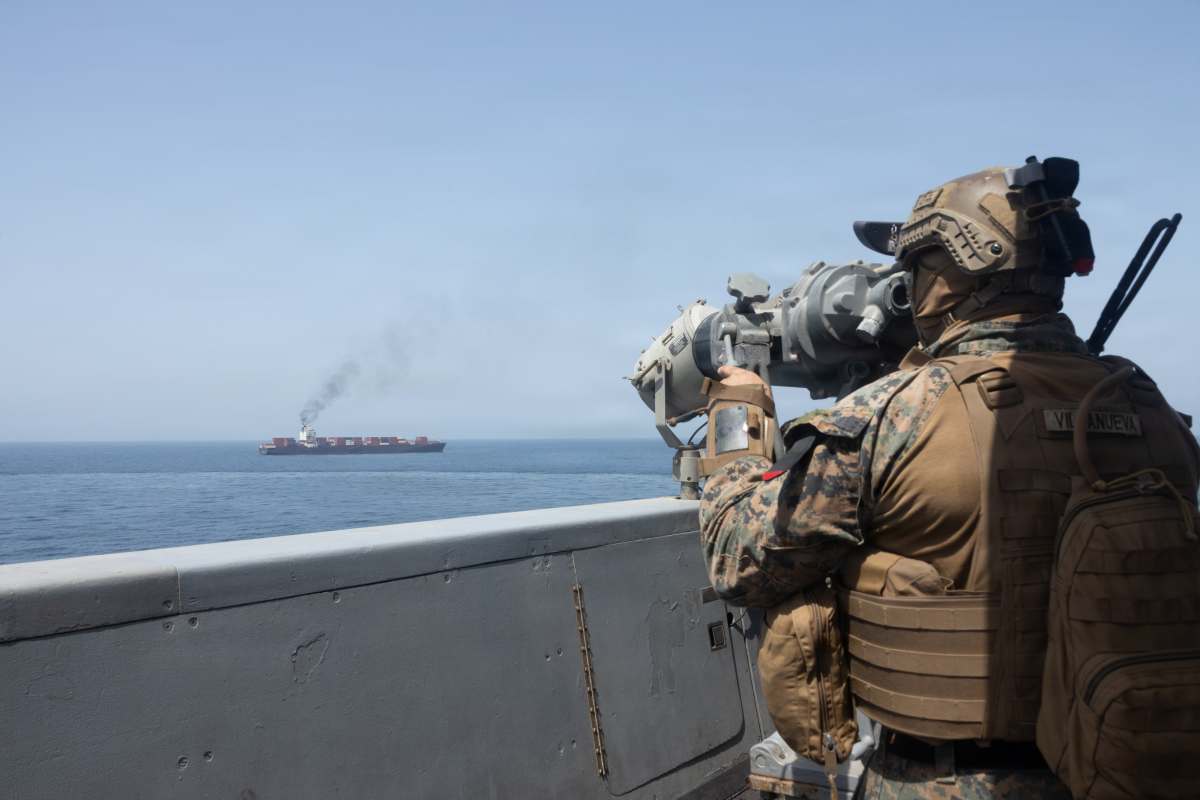
ARABIAN SEA - APRIL 20: (EDITOR'S NOTE: This Handout image was provided by a third-party organization and may not adhere to Getty Images' editorial policy.) In this handout photo provided by U.S. Central Command, U.S. forces patrol the Arabian Sea near M/V Touska on April 20, 2026, after firing upon the Iranian-flagged vessel that the U.S. accused of attempting to violate the U.S. naval blockade of Iranian ports near the Strait of Hormuz. (Handout Photo by the U.S. Navy via Getty Images)
In this handout photo provided by US Central Command, US forces patrol the Arabian Sea near M/V Touska on April 20, 2026 (The US Navy via Getty Images)

Iranian commanders later warned that any commercial ship bypassing approved routes could face identical consequences.

The Guard had also announced earlier this month that it disabled two separate oil tankers after accusing them of switching off their navigation systems and entering what Tehran described as a mined zone outside the authorized shipping corridor.

RELATED TOPICS US STRIKES IRAN

GET BREAKING U.S. NEWS & POLITICAL UPDATES
STRAIGHT TO YOUR INBOX.

MORE STORIES

Volodymyr Zelenskyy alleged that Russian satellites focused on four air bases in Bahrain, Jordan and Kuwait on July 19 and 20 before Iranian strikes
7 hours ago
As per the Houthis, the Saudi strikes on Hodeidah and Karaman Island followed recent attacks on commercial ships in the Bab el-Mandeb Strait
23 hours ago
Ukrainian President Volodymyr Zelenskyy praised Donald Trump as a strong leader but said only time can determine how history remembers him
1 day ago
Another massive billboard showed President Trump, Melania Trump, and all five of their children standing above coffins draped in American flags
2 days ago
Tehran responded after President Donald Trump threatened strikes on Iranian infrastructure over future attacks on commercial shipping
3 days ago
The deal will undergo a 90-day congressional review, with lawmakers expected to raise concerns over nuclear proliferation and regional security
4 days ago
Washington and Tehran blamed each other for the collapse of their memorandum of understanding as military strikes intensified
6 days ago
US Central Command said two US service members were killed in Iran-linked attacks in Jordan, one remains missing, prompting fresh US strikes
7 days ago
Iranian missiles hit Muwaffaq Salti Air Base in Jordan, killing two US service members as questions grew over whether troops received enough warning
7 days ago
Mohsen Rezaei says Tehran could abandon proportional retaliation as Washington carries out another wave of attacks targeting Iranian forces
7 days ago