Trump holds off on escalating Iran conflict over dwindling missile interceptor stockpile: Report
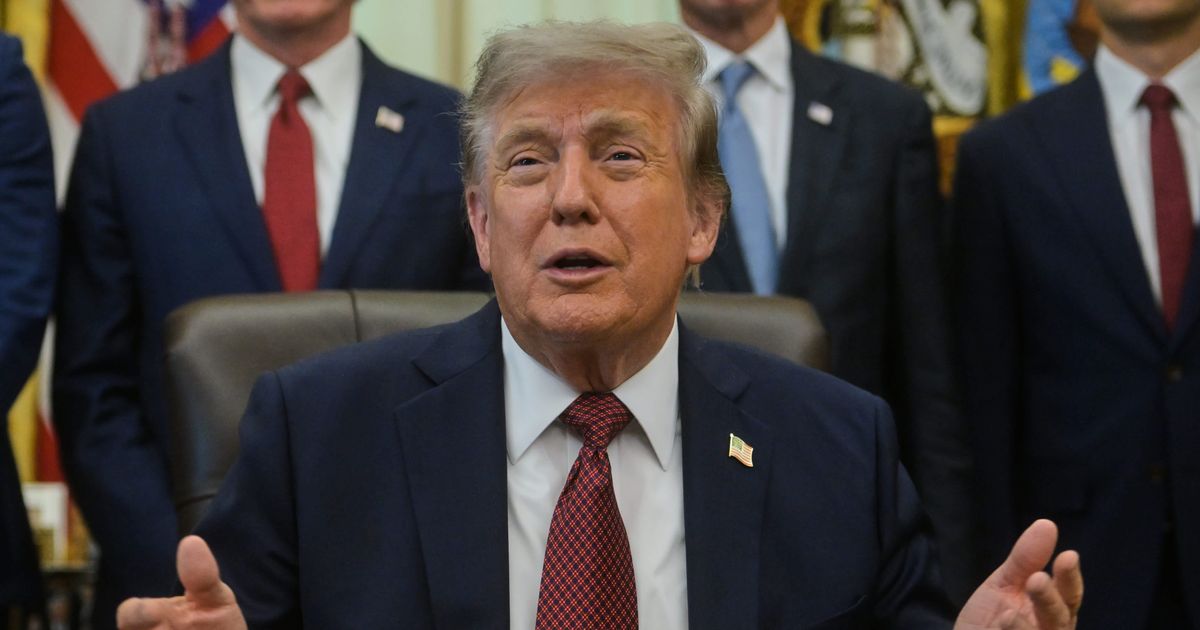
WASHINGTON, DC: President Donald Trump has decided, at least for now, not to sharply escalate the US military campaign against Iran after senior advisors warned that a broader conflict could significantly deplete America's air defense missile stockpiles, according to a report by The New York Times.
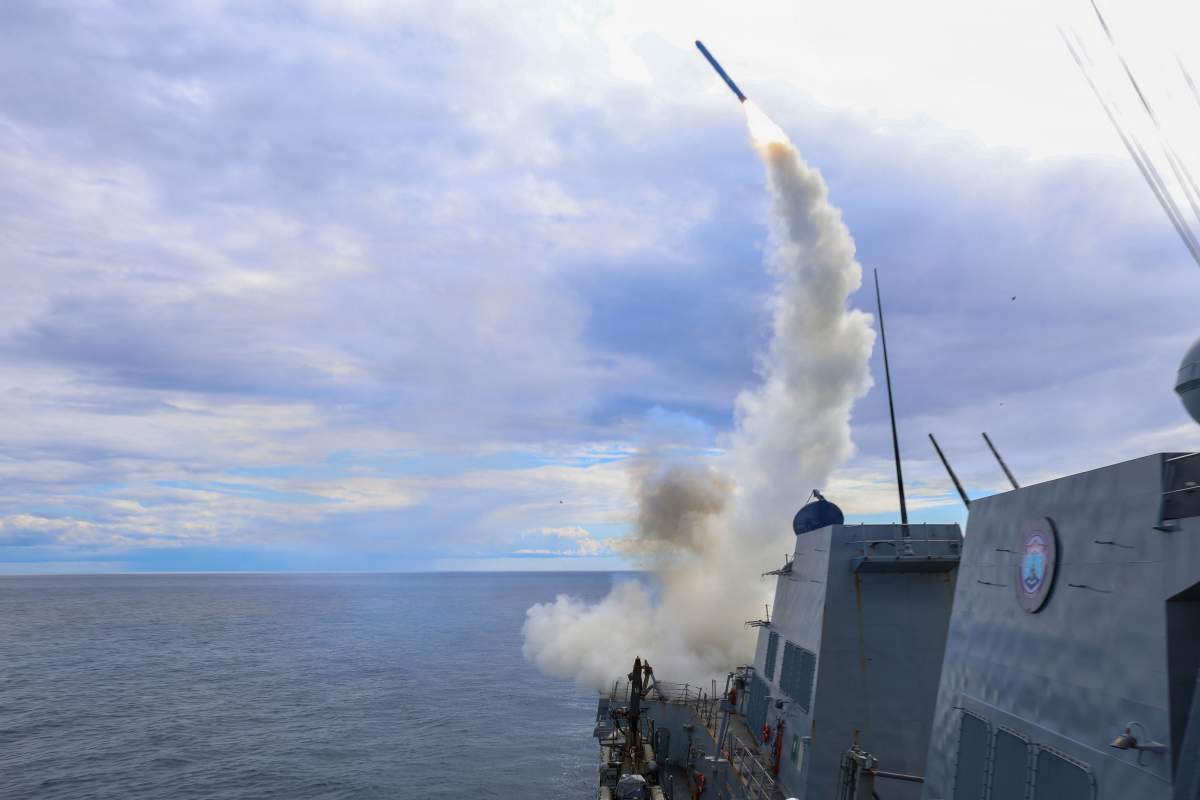
The report said discussions within the administration have increasingly focused on the Pentagon's shrinking inventory of Patriot interceptor missiles and other air defense munitions following operations in Iran. The deliberations come as the White House continues diplomatic efforts with Tehran while maintaining that military options remain available if necessary.
White House weighs military readiness against risks of wider conflict
According to the report, Trump reached the decision following a Friday, July 24, meeting with senior advisors and Cabinet officials, where officials discussed the risks associated with expanding military operations against Iran.
Among the concerns raised were dwindling interceptor missile supplies, the potential for broader regional conflict, pressure on key Gulf allies, and the wider economic consequences of prolonged fighting.
The report said three US soldiers were killed in Jordan after an Iranian missile penetrated American air defenses, further intensifying concerns about the availability of Patriot interceptors and other defensive munitions needed to protect US forces across the region.
General Dan Caine, chairman of the Joint Chiefs of Staff, reportedly told administration officials that while a renewed large-scale military campaign against Iran was feasible, it would significantly reduce the interceptor missiles available to US Central Command for ongoing operations in the Middle East.
White House communications director Steven Cheung told the outlet that Trump has "always been consistent in saying he prefers a diplomatic solution, but he continues to retain all options if Iran continues te**orist activities in the Strait of Hormuz or against allies." Cheung added, "It would be wise for Iran to work towards a negotiated deal; otherwise, they know what will happen."
The newspaper also reported that some administration officials questioned whether renewed strikes would bring Iran back to negotiations, arguing instead that they could strengthen Tehran's resolve by creating a common external threat.
Diplomacy continues as Trump says military remains 'locked and loaded'
The report comes after sources familiar with the administration's deliberations said that Trump had not yet made a final decision on launching a broader military offensive against Iran.
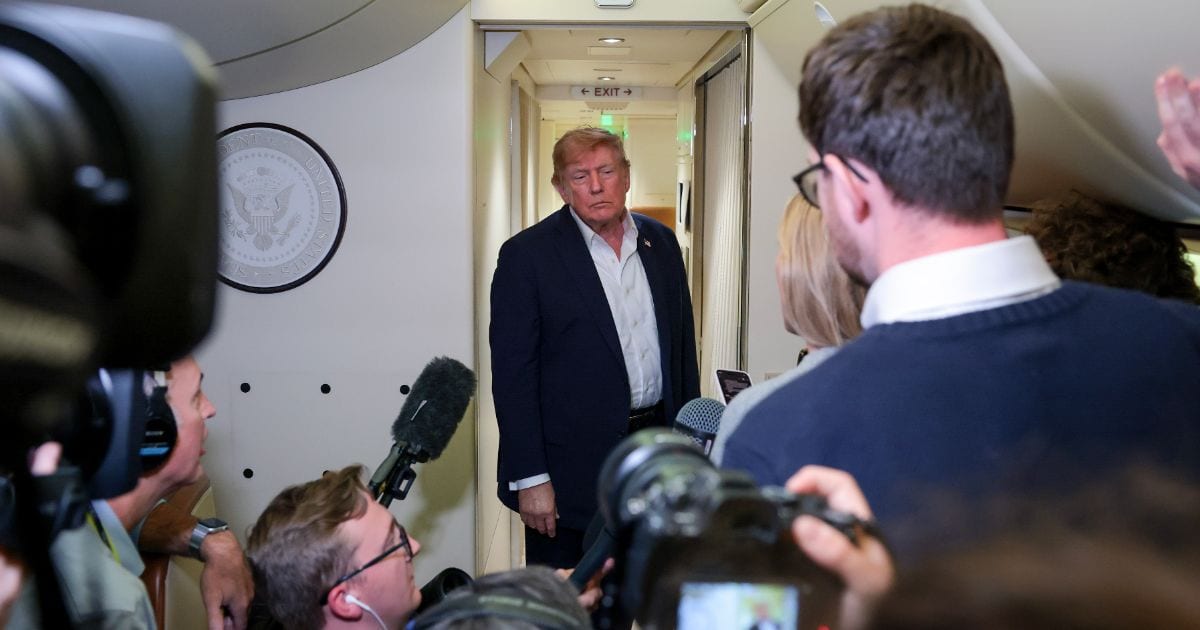
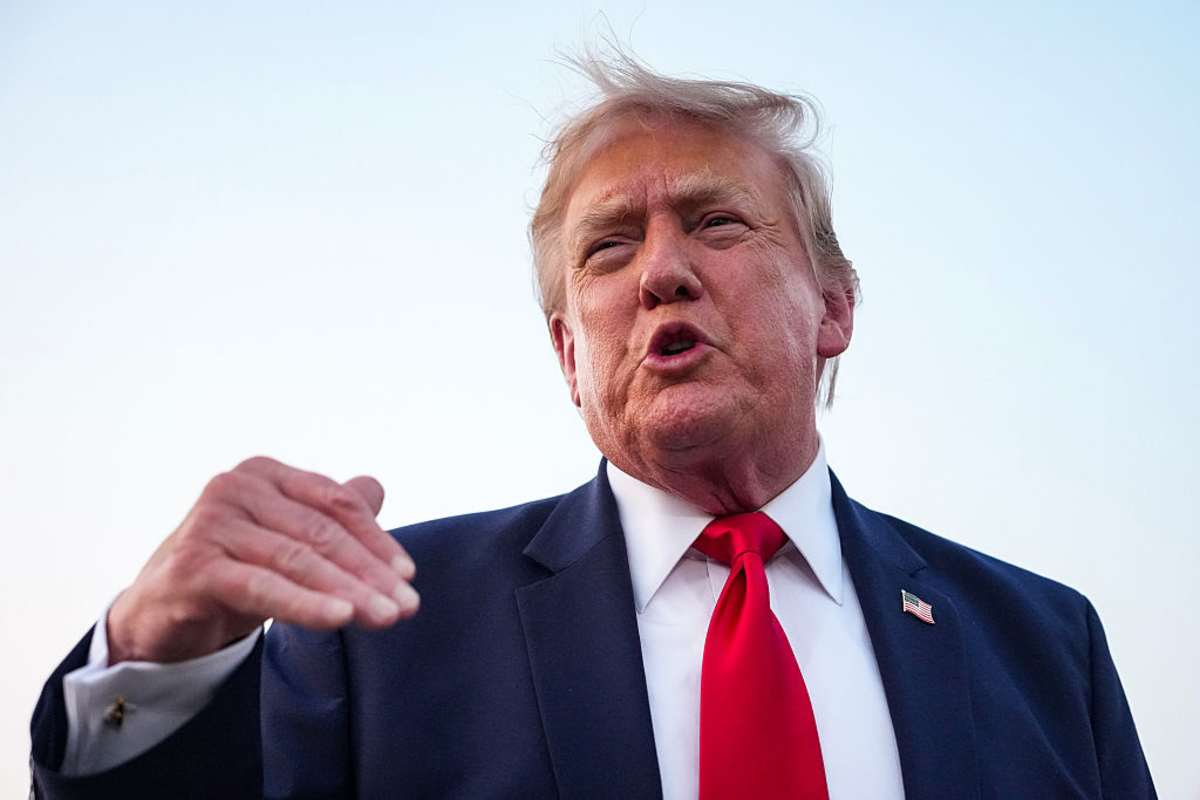
Speaking to reporters on Friday, Trump said the US remained prepared to escalate if necessary while emphasizing that diplomacy remained his preferred course. "We're locked and loaded," the 80-year-old said. "We're ready to go, but we're talking to them, so maybe there will be, maybe there won't be a tipping point."
According to the outlet, Pentagon officials had previously prepared options for a larger military campaign targeting Iranian coastal radar systems, missile launchers and other military infrastructure.
However, advisors warned that such an operation could further strain already limited Patriot missile inventories while increasing the risk of Iranian retaliation against US bases in Jordan, Kuwait, Bahrain and the United Arab Emirates.