Oil tankers hit near Strait of Hormuz as US weighs response to suspected Iran strikes
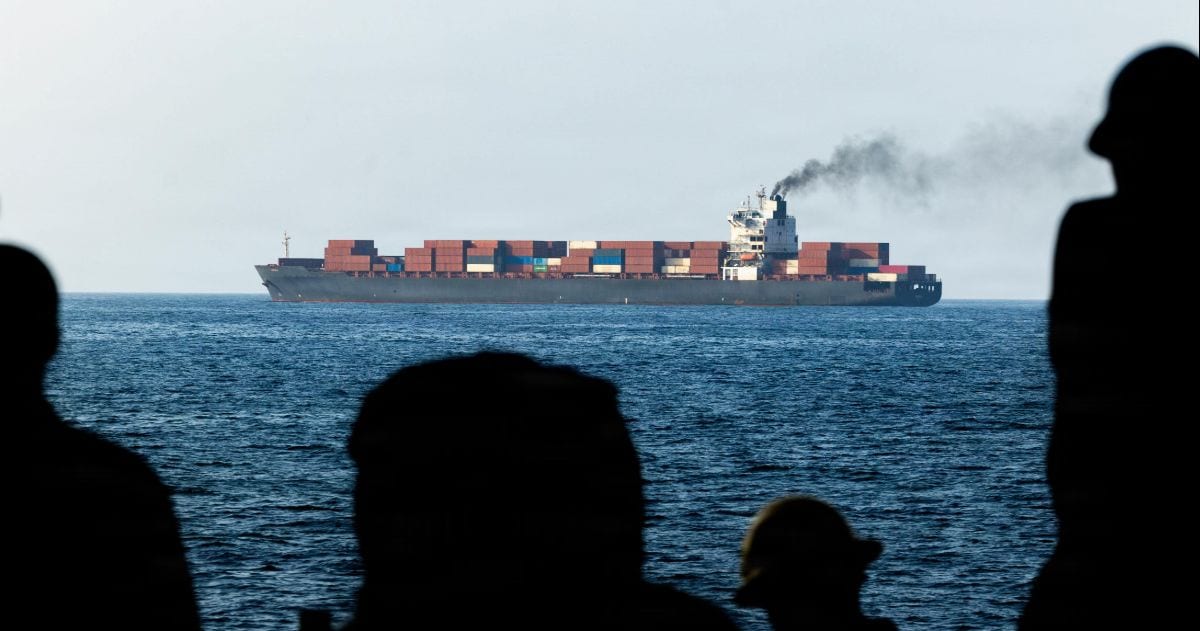
WASHINGTON, DC: Iran’s Revolutionary Guards reportedly fired missiles at two commercial ships passing through the Strait of Hormuz on July 6, damaging both vessels and prompting the United States to consider retaliatory options, US officials told Axios.
The attack marks a new escalation that threatens to unravel a fragile ceasefire agreement reached less than three weeks ago.
The UK Maritime Trade Operations (UKMTO) agency said one tanker was struck on its port side while sailing south about eight nautical miles east of Līmah, Oman, causing a fire on board.
Iran missile strikes after truce expires
A second merchant vessel was also hit by a missile launched from Iran, a US official told Axios. Neither incident resulted in crew injuries or environmental damage, according to UKMTO.
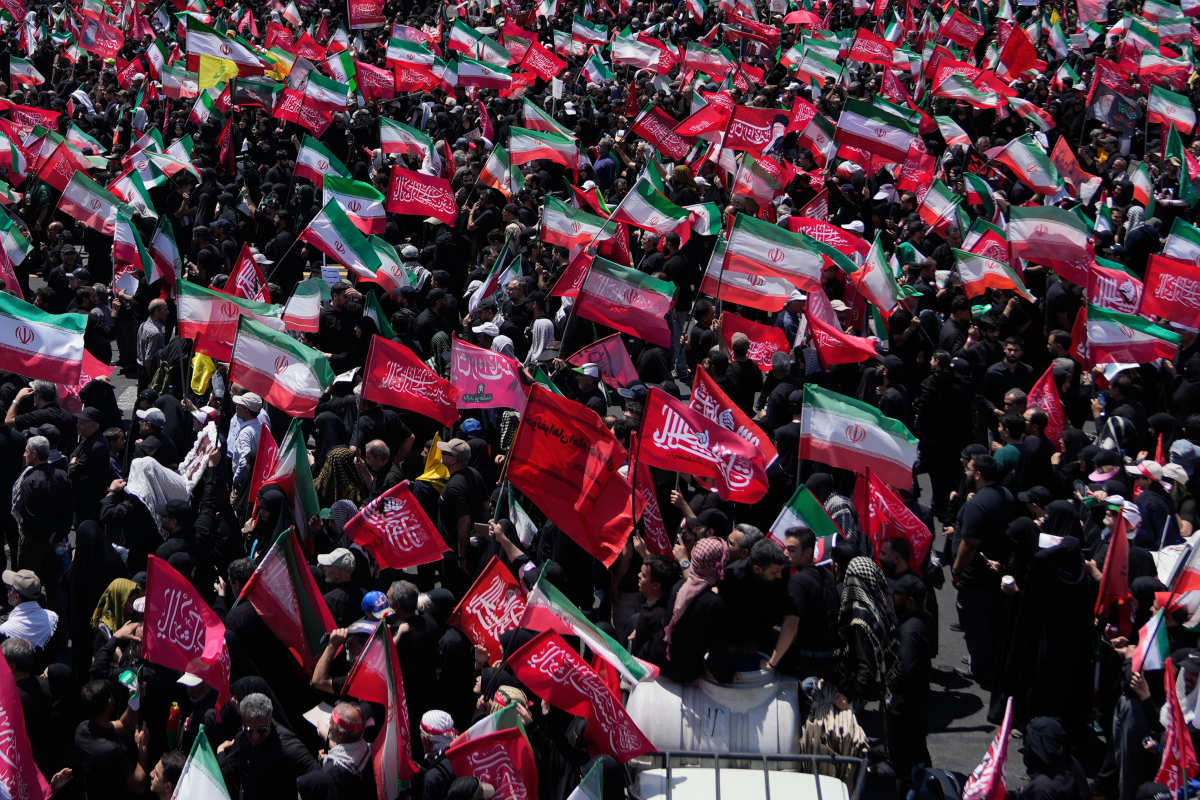
Washington is now likely to retaliate by targeting Iranian assets, a US official said.
The attacks came immediately after the expiration of a week-long truce aimed at halting hostilities in the strategic waterway, fueling concerns that the broader 14-point de-escalation pact signed by Washington and Tehran in June is beginning to break down.
Indirect negotiations between the two sides in Doha last week ended without a breakthrough on the status of the waterway, Axios reported.
The latest strikes are not the first since the June agreement. Both nations have continued exchanging fire in the weeks following the pact's signing, with the Strait of Hormuz remaining a persistent flashpoint.
Iran attacked commercial vessel again.
— Baba Banaras™ (@RealBababanaras) July 7, 2026
A tanker travelling southbound east of Limah, Oman, was struck on its port side, triggering a fire, according to UKMTO. Axios, citing a U.S. official, reports that Iran fired at least 2 missiles at ships transiting the Strait of Hormuz. pic.twitter.com/bWYPRNp1R8
Since US and Israeli strikes on Iranian targets sparked a broader regional conflict, Iran has attempted to weaponize the strategic waterway, CNN reported.
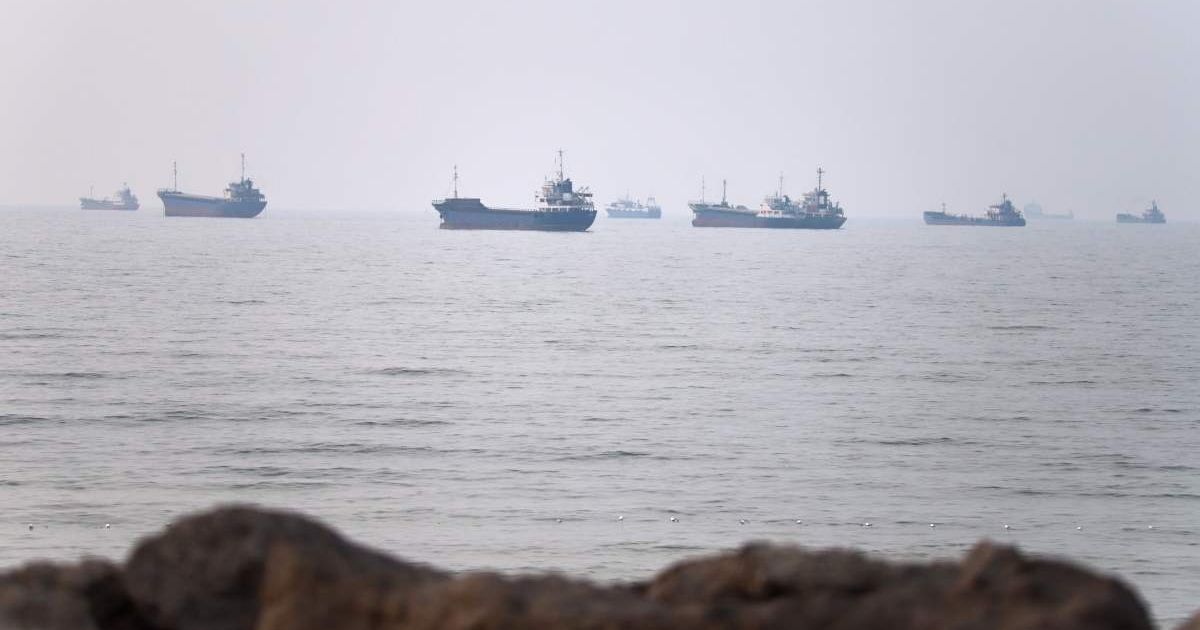
On July 5, IRGC naval patrol vessels maneuvered to block the so-called "Omani route," an alternative corridor along Oman's coastline that commercial vessels had been using to avoid the strait's most dangerous sections, according to state media and an IRGC-linked Telegram channel.
Strait of Hormuz shipping routes disrupted
The impact on commercial shipping has been significant. MarineTraffic data cited by CNN showed that nearly 30% of vessels traveling through the waterway between July 3 and July 5 chose to sail along the Omani coast.
Of the 108 ships tracked during that period, including liquefied petroleum gas and crude oil tankers, 30 took the longer coastal route.
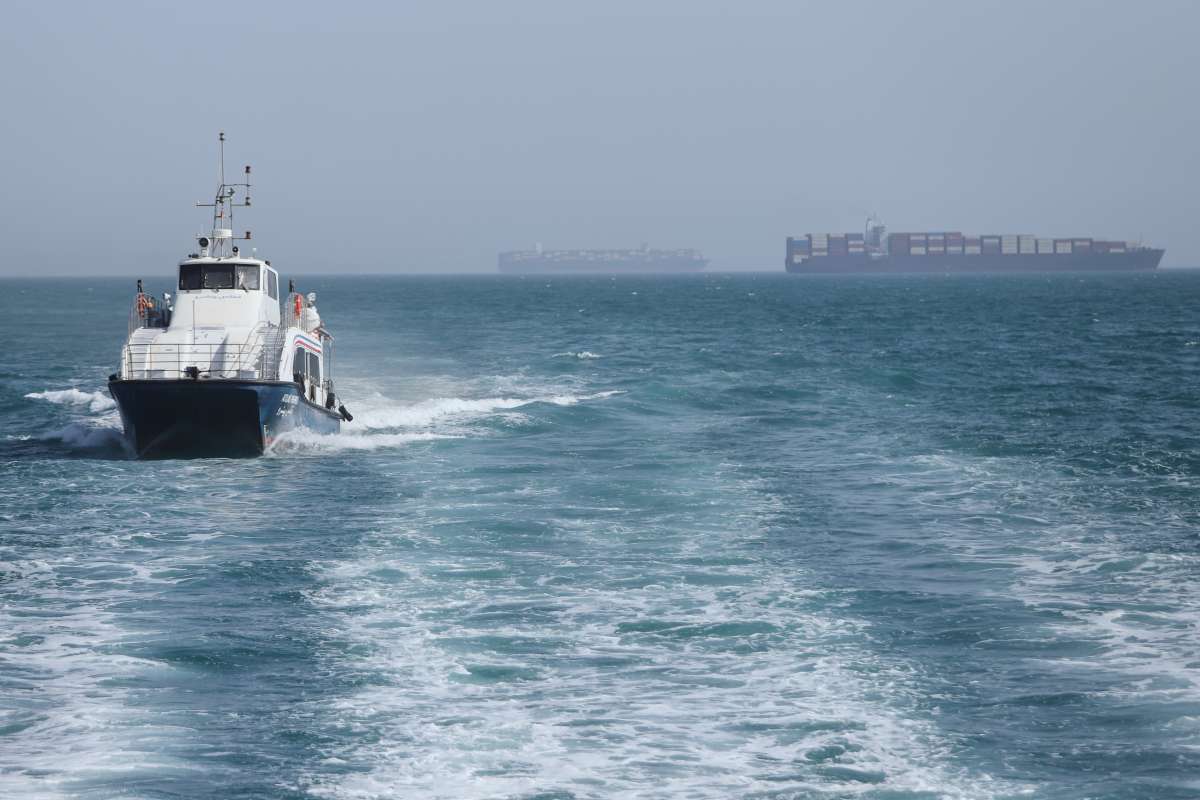
The highest number of crossings through the strait occurred on Friday, with 43 vessels, followed by 34 on Saturday and 31 on Sunday. MarineTraffic said conditions were "operational but fragmented" and warned that the data should be viewed alongside the evolving security and diplomatic situation.
The Strait of Hormuz carries roughly one-fifth of the world's oil and liquefied natural gas supplies, making any sustained disruption to navigation a matter of significant global economic concern.
Trump's warning preceded Iran missile strikes
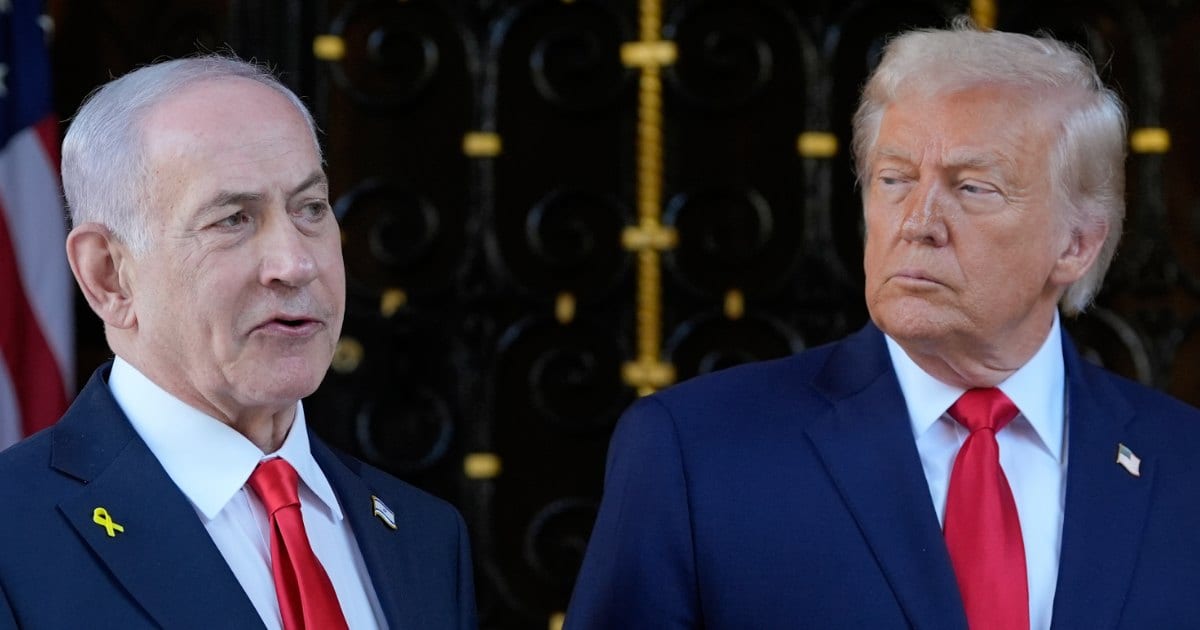
The latest strikes came after Trump issued a sharp warning to Tehran earlier in the week, telling Iran to "finish the job" if it intended to resume hostilities, signaling that any return to conflict would be met with a decisive American response.
.@POTUS: "Oil is is now at a level that, I think it's even lower, on a barrel basis, than it was before we started. We’ve gotten concessions, and they have to hold those concessions, but there'll be no nuclear weapon. We’re going to be getting the, as I call it, dust; the… pic.twitter.com/4t9GWOqy5S
— Rapid Response 47 (@RapidResponse47) July 6, 2026
US Central Command did not immediately comment on the Monday night strikes. The White House has not yet issued a formal statement on the incidents.