Fact Check: Did Iran's IRGC claim authority over shipping routes in the Strait of Hormuz?
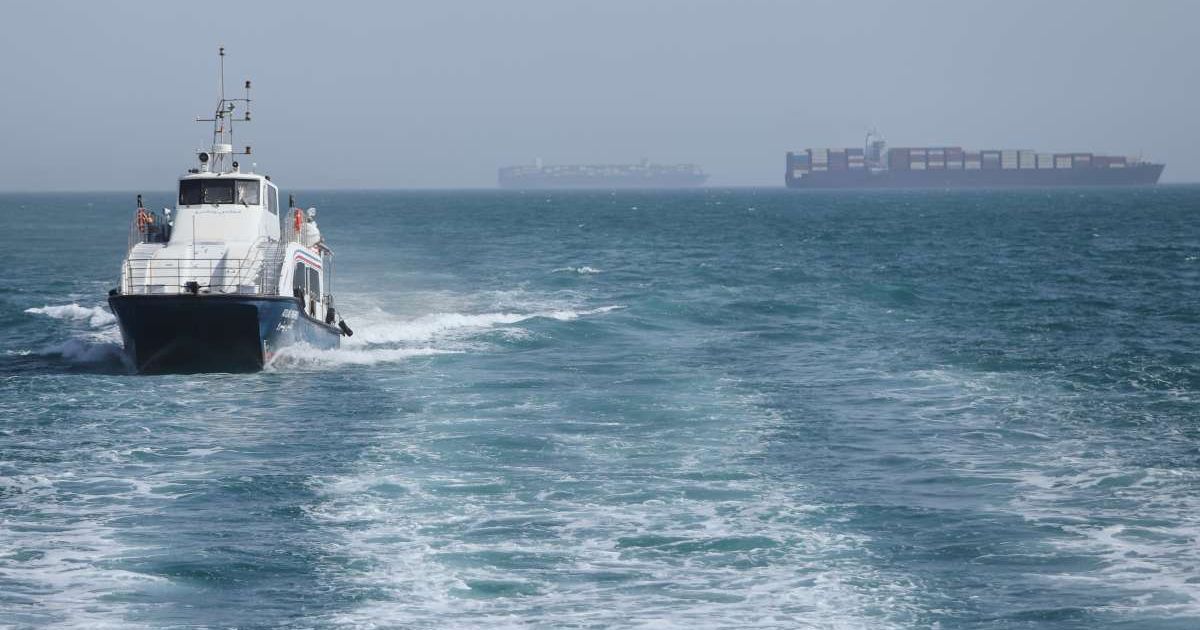
WASHINGTON, DC: An X post claimed that Iran's Islamic Revolutionary Guard Corps (IRGC) had instructed international commercial vessels to use only the shipping routes it preferred through the Strait of Hormuz after threatening ships transiting the strategic waterway.
The claim attracted widespread attention because the Strait of Hormuz carries roughly one-fifth of the world's seaborne oil, and any disruption to traffic through the narrow passage could affect global energy supplies and drive up oil prices.
Claim: IRGC claimed authority over Strait of Hormuz shipping routes
🇮🇷 The IRGC Navy issued a statement declaring that Iran has established control over the Strait of Hormuz.
— Mario Nawfal (@MarioNawfal) July 9, 2026
It stated that shipping traffic has gradually increased to nearly 50% of pre-war levels, and warned that any foreign interference or attempts to dictate shipping routes… pic.twitter.com/0fKkz9vqmW
The claim originated from official statements by Iran's Islamic Revolutionary Guard Corps (IRGC) Navy, which asserted that it had the authority to determine the approved shipping routes through the Strait of Hormuz.
Around June 25, 2026, Iranian state media outlets, including Tasnim News, published the statements in response to announcements by Oman and the International Maritime Organization (IMO) about alternative southern shipping corridors that would reduce the need for coordination with Iran.
The viral claim stated, "After recently threatening and attempting to attack commercial vessels and innocent mariners transiting the Strait of Hormuz, Iran's Islamic Revolutionary Guard Corps (IRGC) continues to claim that international mariners should only use routes the IRGC prefers."
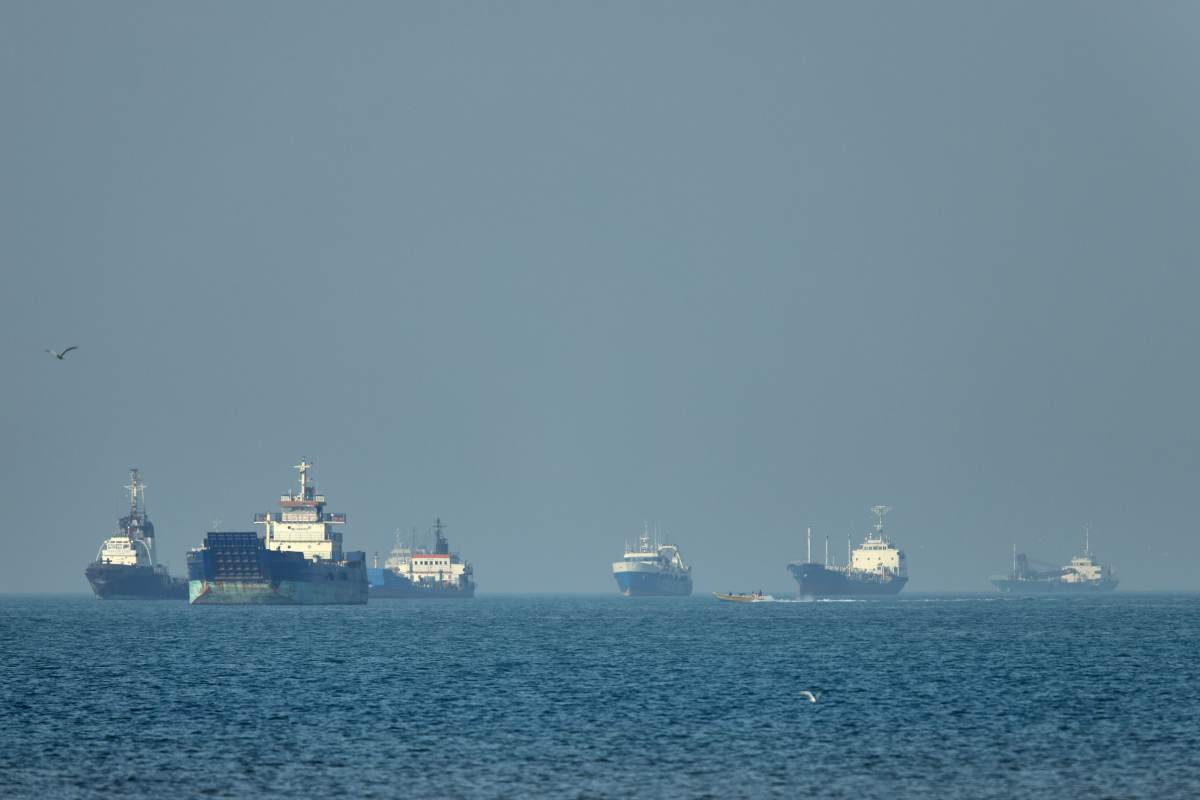
The claim spread widely on X, where users discussed the IRGC's assertions about controlling access to the strategic waterway.
One X post claimed, "The IRGC Navy issued a statement declaring that Iran has established control over the Strait of Hormuz."
It also alleged that shipping traffic had recovered to nearly 50% of pre-war levels and warned that any foreign interference or attempts to dictate shipping routes would receive a "crushing response." The post attributed the information to the IRGC Navy and a writer identified as Samuel.
Fact Check: False, CENTCOM rejects claim

The claim is false. The Strait of Hormuz is an international waterway governed by international maritime law, and Iran's Islamic Revolutionary Guard Corps (IRGC) has no legal authority to dictate the routes used by commercial vessels.
In an official statement, US Central Command (CENTCOM) rejected the IRGC's claim, stating, "The Strait of Hormuz is an international waterway. The IRGC has no authority to dictate routes for free and open traffic flow. Commercial vessels continue to use the strait with U.S. military support."
The statement added, "Since early May, CENTCOM forces have helped approximately 1,000 vessels and 500 million barrels of crude oil pass through the narrow waterway."
Despite the IRGC's warnings that ships should follow its preferred routes, commercial traffic has continued through the Strait of Hormuz under established international navigation rules.
No international maritime authority, including the International Maritime Organization (IMO), recognizes the IRGC's claimed authority to control or restrict lawful transit through the waterway.
The available evidence shows that the IRGC's statement reflects Iran's position rather than an internationally recognized legal authority over one of the world's busiest shipping lanes.