Iran seeks to resume Trump talks after privately calling Strait of Hormuz attack a 'mistake': Report
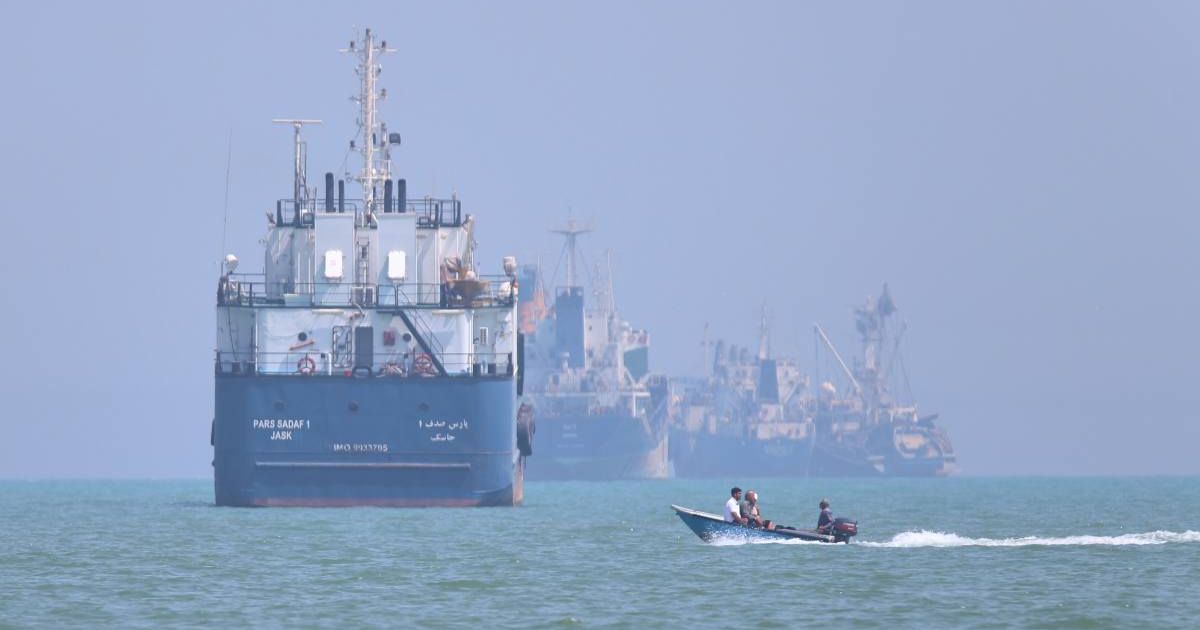
WASHINGTON, DC: Iran privately told the Trump administration that it was not behind the attacks on commercial ships in the Strait of Hormuz.
Instead, Iranian officials reportedly said a rogue hardline group acted on its own in an attempt to disrupt ongoing negotiations. Senior US officials shared the information with CBS News reporter Jennifer Jacobs.
The reported back-channel admission comes amid heightened tensions between Washington and Tehran and suggests Iran may be trying to revive diplomatic talks even after the US struck Iranian military sites in response and President Donald Trump called off the ceasefire.
White House pushes Iran to publicly acknowledge Strait of Hormuz attack
Despite accepting Iran's private explanation, the White House is pressing Tehran to publicly acknowledge responsibility for the attacks, arguing the incidents constituted a clear breach of the memorandum of understanding (MOU) that had halted hostilities between the two countries following Operation Epic Fury earlier this year.
NEWS: Iranian officials privately told Trump advisers that they made a mistake in shooting at commercial ships in the Strait of Hormuz, that the attacks stemmed from an "errant" sect of hardliners who are trying to undermine negotiations, and that they want to keep talking,…
— Jennifer Jacobs (@JenniferJJacobs) July 10, 2026
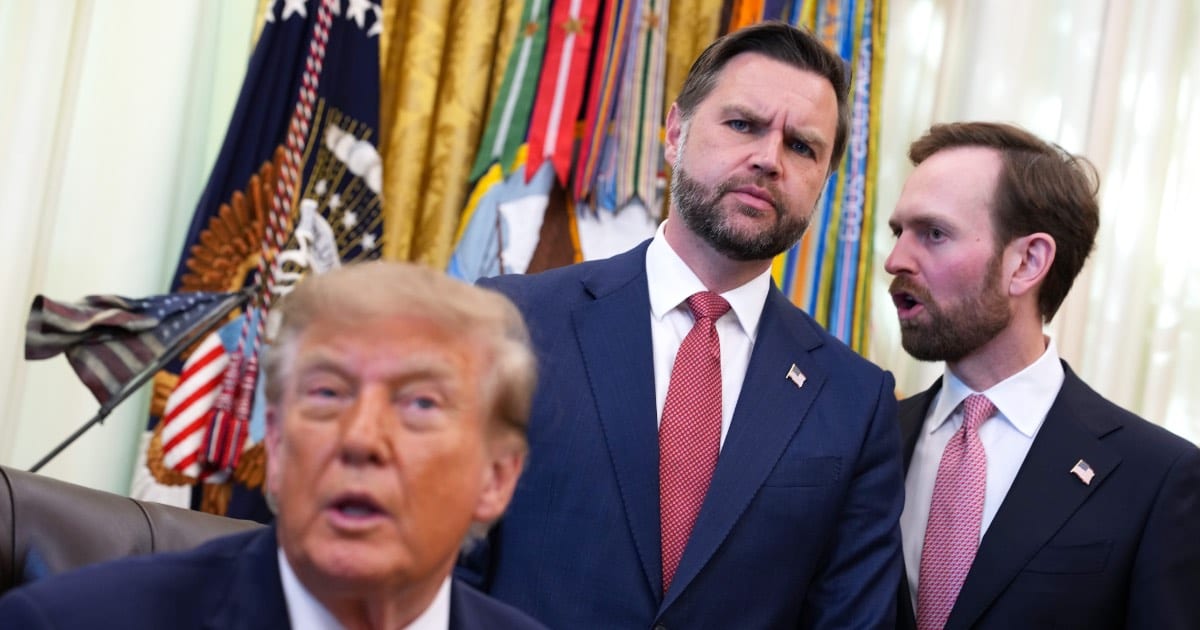
President Trump has nonetheless instructed his senior team to keep diplomatic channels open. Vice President JD Vance, senior adviser Jared Kushner, special envoy Steve Witkoff, and Secretary of State Marco Rubio have all been directed to press ahead with negotiations, which are expected to resume in Oman.
US officials also warned that Washington remains prepared to deploy both military force and economic pressure if Iran carries out further hostile actions.
Qatar coordinates with Washington to help restart Iran talks
Separately, Axios reporter Barak Ravid reported that Qatari officials traveled to Tehran in coordination with Washington to hold direct talks with Iranian leaders aimed at de-escalating the situation and creating conditions for a return to formal negotiations.
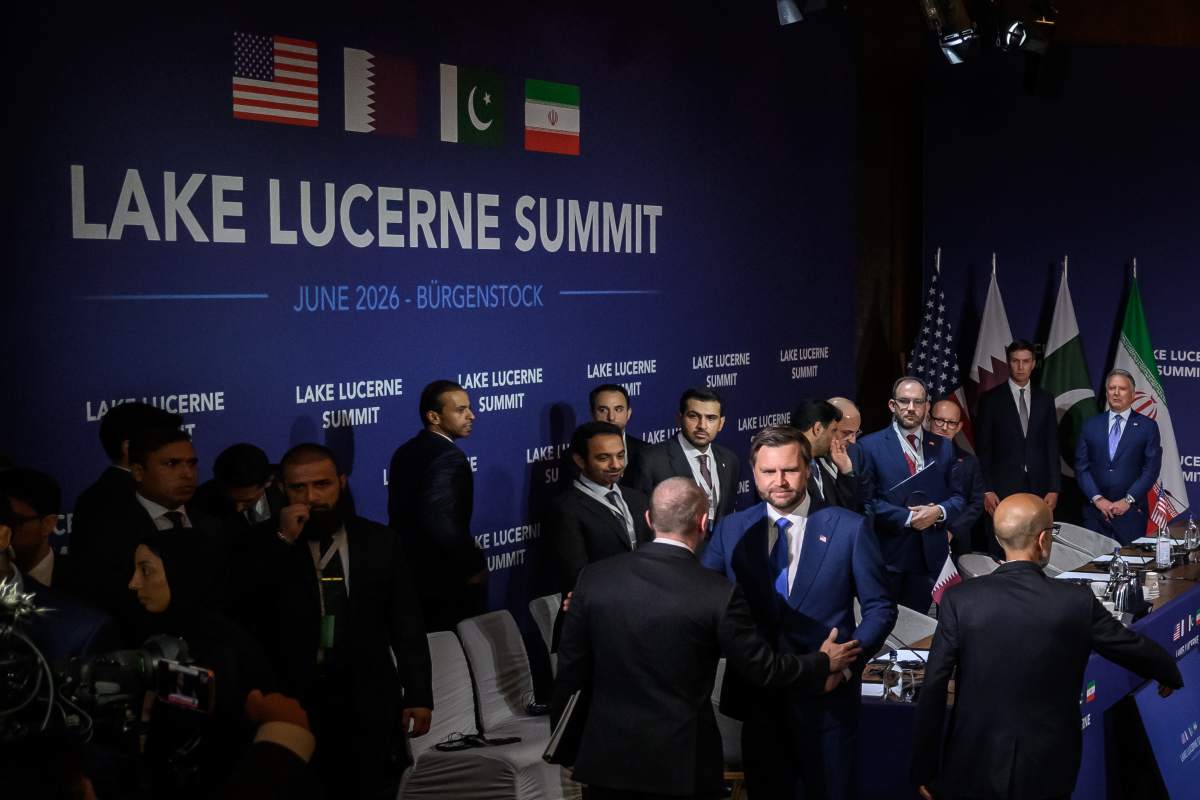
"Qatari negotiators have travelled to Iran, in coordination with the US, to meet with Iranian officials in an effort to de-escalate the situation and create the conditions for negotiations to resume," Ravid wrote on X, citing a diplomat with knowledge of the visit.
"The diplomat said meetings in Tehran between Qatari and Iranian officials are still ongoing, 'but it's clear both sides want to come back to the MOU.'"
US and Iran seek a path back to the memorandum of understanding
The reported back-channel maneuvering suggests that despite the military exchanges of the past week, both Washington and Tehran are looking to step back from the brink rather than allow the situation to escalate into a broader conflict.

The US and Iran reached the MOU in June, halting four months of fighting and outlining terms for reopening the Strait of Hormuz. The framework was widely viewed as the first step toward a broader diplomatic settlement, including restrictions on Iran's nuclear program.
The reported admission from Tehran that the ship attacks were carried out by a rogue element, if accepted by Washington, could provide both sides with a face-saving path back to negotiations without either government having to formally acknowledge that the ceasefire agreement has permanently collapsed.